
Best Affiliate Marketing Programs for Media Companies in 2026
Introduction: Why Affiliate Marketing Matters Now More Than Ever
If you run a media company in 2026, you already know the feeling. Ad revenue from display and programmatic channels can shift overnight. One algorithm update or budget cut from a big advertiser, and your quarterly numbers suddenly look shaky.

That is a scary place to be.
So what is the smartest way to build a more stable income stream? For many publishers, the answer is affiliate marketing programs.
Here is why this matters right now. The numbers tell a clear story. According to the Association of Performance and Affiliate Marketing, 80% of publishers expect growth in 2026. Advertisers are keeping their budgets steady or increasing them. And agencies now call affiliate marketing one of the most reliable channels available. This is not a small trend. It marks the eleventh consecutive year of growth in the space, with spending on track to go even higher in the years ahead.
But here is the twist. AI is changing the game in two ways at once.
On the positive side, new tools make it easier to optimize campaigns, track conversions, and find high-performing partners. You can automate repetitive tasks and get better data faster than ever before. On the challenging side, AI also raises the bar. More publishers are jumping into affiliate marketing programs. The competition is fiercer. And media executives who rely on old methods risk falling behind.
That is why this article exists. You need a clear, data driven approach to choose the right affiliate marketing programs and partners. Guessing is not an option anymore.
At Media Industry News Today, we help professionals like you navigate this shifting landscape. We cover everything from new digital marketing platforms to practical strategies that drive real results. And if you want to stay ahead of the rapid changes in AI and media, you might find value in the daily insights our partners share.
So let us walk through the best affiliate marketing programs for media companies in 2026. We will look at what works, what to avoid, and how to build a strategy that actually protects your revenue.
Why Affiliate Marketing Programs Are Essential for Media Publishers in 2026
The pressure on traditional display advertising is real. CPM rates keep dropping, and ad blocking technology continues to eat into your revenue. If you have felt that pinch, you are not alone. That is exactly why more media executives are treating affiliate marketing programs as a must-have safety net.
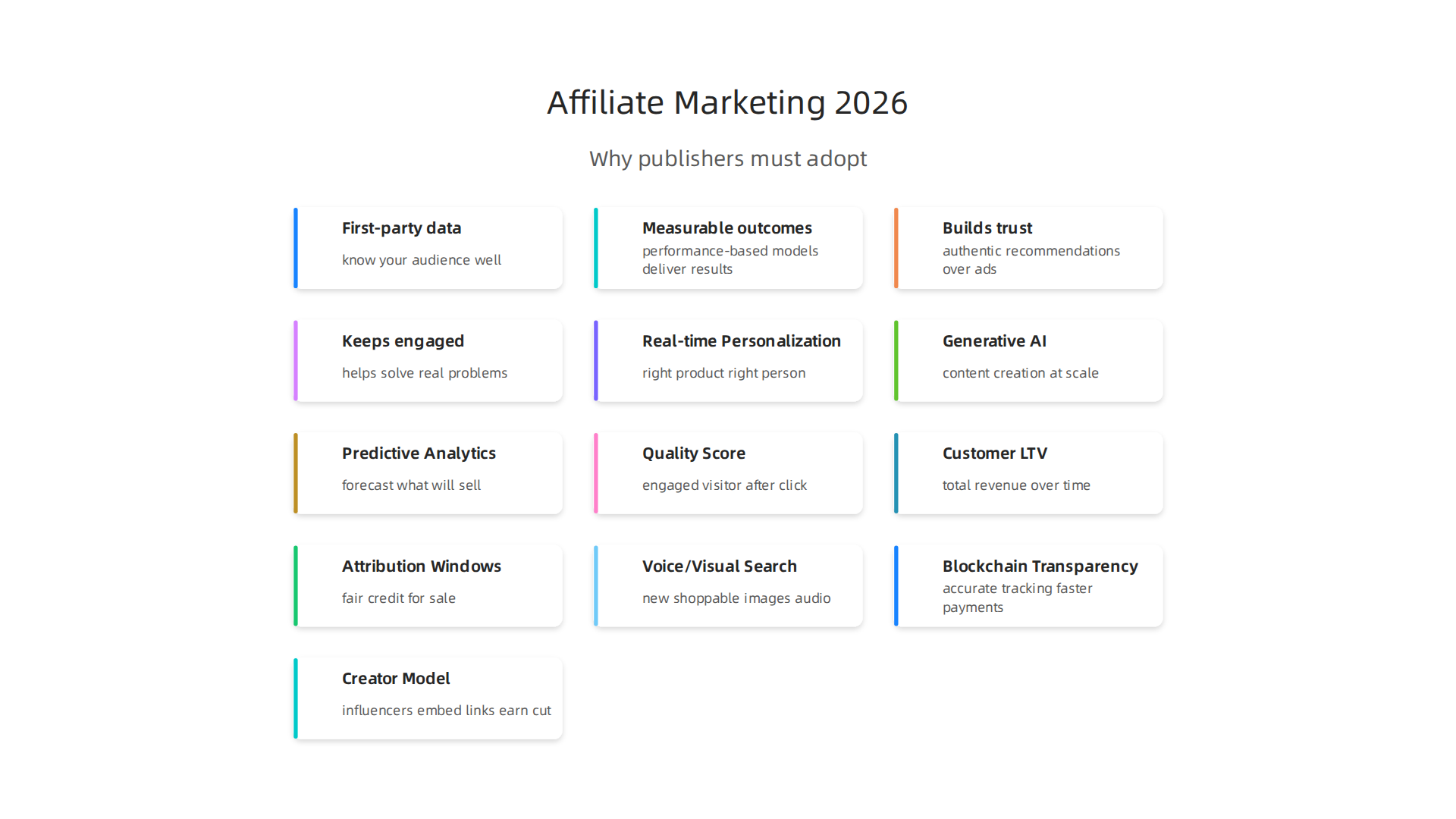
Here is the data that backs it up. According to the Association of Performance and Affiliate Marketing, 80% of publishers expect growth in 2026, and many point directly to their affiliate efforts as the reason. This is not a small experiment anymore. Affiliate revenue has become a critical buffer against the slow decline of display dollars. And the trend is only getting stronger. Industry analysts forecast double-digit growth through 2026, with global affiliate spend projected to exceed $15 billion by 2028.
First-party data and performance models go hand in hand
Here is something that often gets overlooked. Affiliate marketing programs work best when you know your audience well. And in 2026, first-party data is more valuable than ever. As third-party cookies fade away, publishers who own strong audience relationships have an advantage. You can use that data to recommend products that actually fit what your readers need. It feels helpful, not pushy.
The IAB Europe Attitudes to Digital Advertising Report confirms that spending decisions are now anchored in measurable outcomes and operational improvements.
That is exactly what performance-based affiliate models deliver. You pay for results, not for impressions. If you want to build a digital marketing strategy that relies on direct reader trust, this model fits perfectly.
Want to go deeper on how to build a data-driven approach? Check out our guide on the inbound marketing definition in 2026.
Affiliate content builds trust and keeps readers engaged
Another reason affiliate programs matter? Your audience actually likes them when done right. When a publisher recommends a tool, a service, or a product that solves a real problem, readers pay attention. Trust grows. Engagement goes up. The IAB’s 2025 Creator Economy Report found that ad spend in creator partnerships is growing four times faster than the overall media industry. That tells us something important: audiences value authentic recommendations over generic banner ads.
That is the power of integrating affiliate content naturally into your editorial flow. You are not selling. You are helping. And that keeps people coming back.
The media landscape keeps shifting under your feet. To stay ahead of the latest AI and technology trends that impact your affiliate strategy, you might find value in the daily insights from The Deep View Newsletter. It is a quick, practical way to keep your strategy sharp.
How AI Is Reshaping Affiliate and Performance Marketing
If you think affiliate marketing is just about posting links and hoping for clicks, think again. In 2026, artificial intelligence has completely changed the game. AI tools now help publishers like you do more with less effort, earn more per visitor, and predict what your audience wants before they even know it themselves.

The shift is happening fast, and it is turning affiliate marketing programs into a high-performance engine for media publishers.
Here is how AI is making a real difference in affiliate and performance marketing right now.
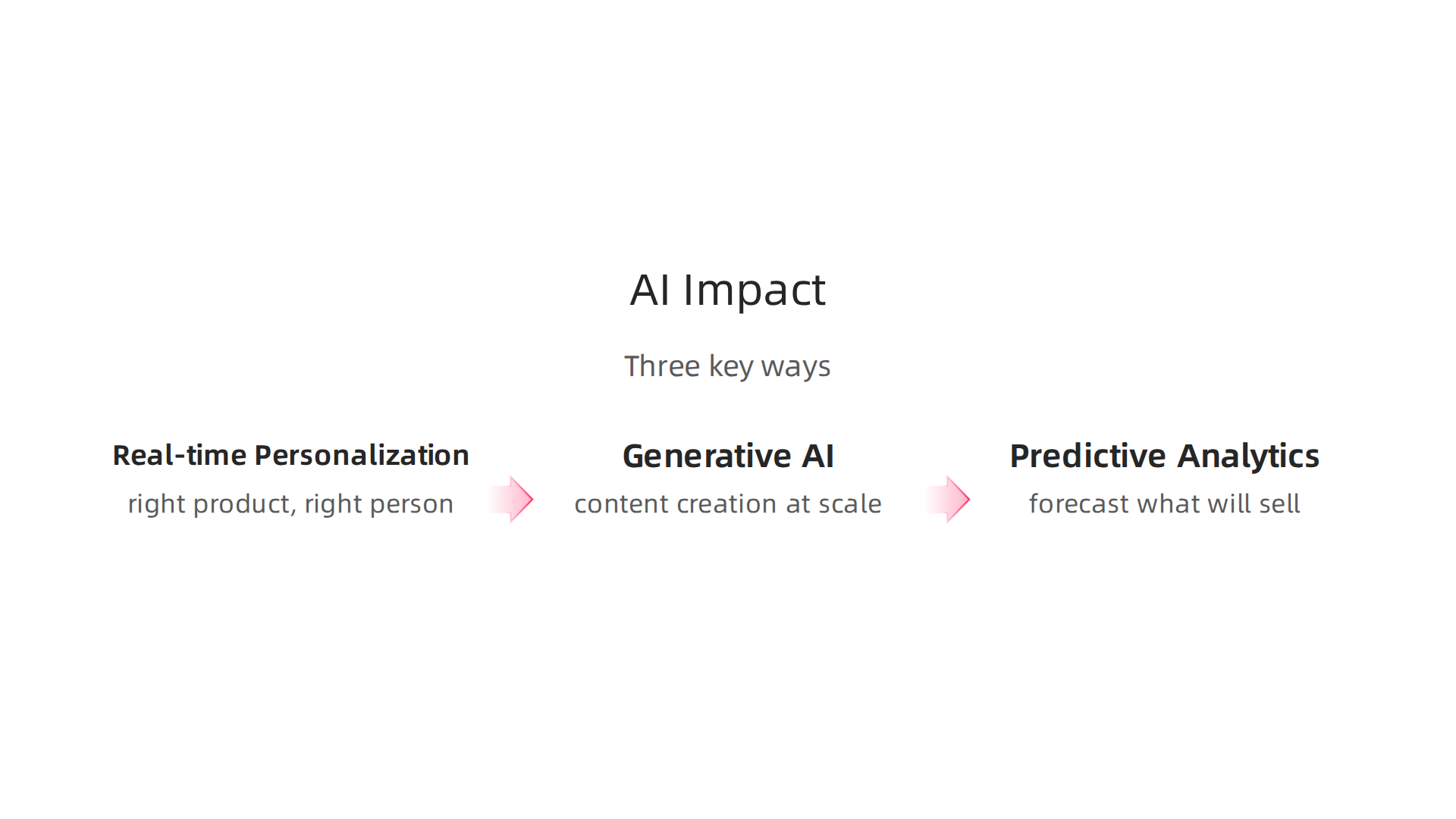
Real-time personalization of affiliate links
One of the most powerful changes AI brings is the ability to show the right product to the right person at the exact right moment. Instead of serving the same affiliate link to every reader, AI-powered recommender engines analyze behavior, past clicks, and browsing history in real time. They then swap in the link that is most likely to convert for that specific visitor.
Tools like Voluum use AI to automatically optimize traffic flow, constantly testing different offers and pathways so your audience sees what works best for them.
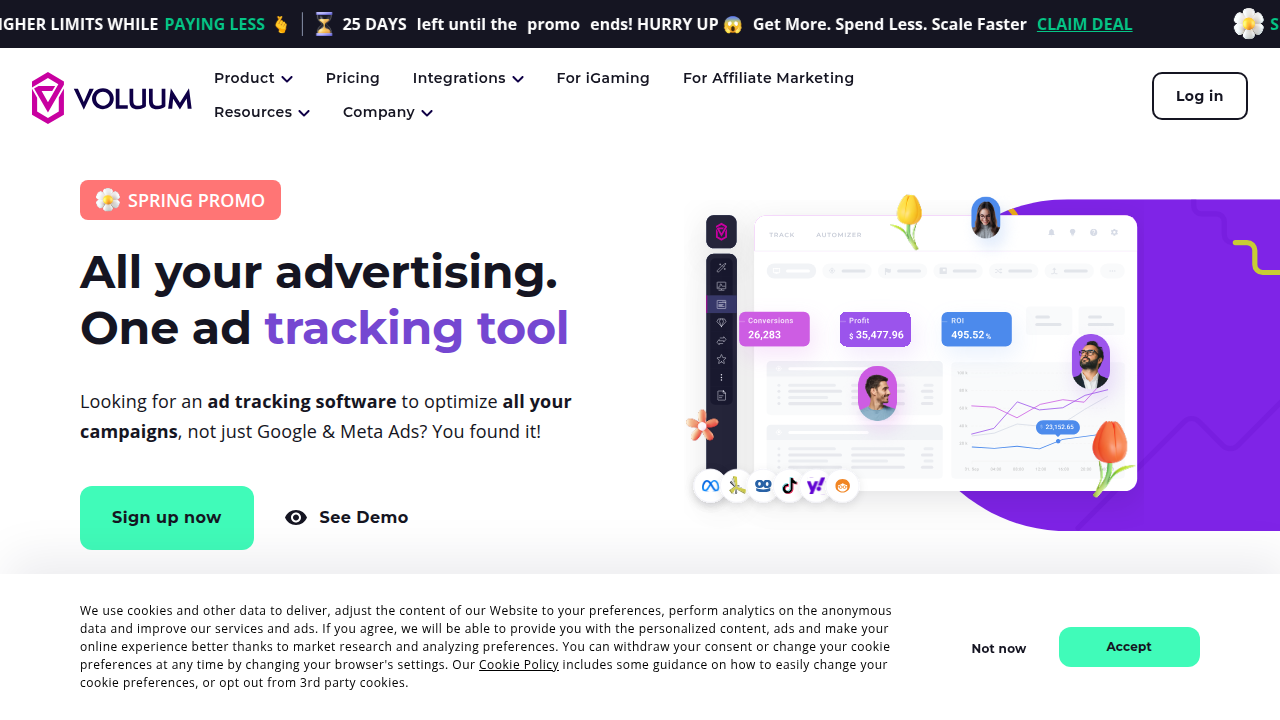
According to DesignRush, Voluum is a top choice for performance marketers who need real-time data and A/B testing. This kind of smart matching can boost conversion rates significantly compared to static links. It feels personal, not spammy.
Native advertising has also benefited from this kind of personalization. If you want to see how AI is transforming ad personalization across the board, check out our article on native advertising in 2026.
Generative AI for content creation at scale
Producing high-quality affiliate content used to take hours of writing, editing, and optimizing. Now, generative AI tools like ChatGPT, Jasper.ai, and Canva’s AI features help you create SEO-optimized articles, product comparisons, and visual assets much faster.
A single writer can now produce the workload of an entire team.
CIPIAI lists Jasper.ai as a top tool for affiliate copywriting, and Canva with AI features for creating visuals. This means you can scale your affiliate content without sacrificing quality. For media publishers, this is a game changer. You can cover more products, test more niches, and keep your content fresh. It also opens up freelance marketing jobs for writers who specialize in AI-assisted production. Many publishers now hire a digital marketing strategy consultant to help integrate these tools into their workflow.
Just remember: AI content needs a human touch. Readers can tell when something feels robotic. Use AI to speed up the process, but always add your own voice and expertise.
Predictive analytics to forecast what will sell
Maybe the most exciting AI capability for affiliate marketing is predictive analytics. Instead of guessing which products your audience might like, you can now use data to forecast demand with surprising accuracy. AI looks at historical performance, seasonal trends, and audience behavior to recommend which products to feature next.
Voluum’s blog on the best affiliate marketing tools for 2026 highlights how predictive tools help publishers plan campaigns that are more likely to succeed. You can test ideas before investing time in creating content. This is especially useful if you run a performance based marketing agency or manage multiple publisher sites. Knowing what will resonate ahead of time saves resources and boosts ROI.
If you are new to this world and wondering how to start digital marketing with a focus on affiliate, predictive analytics gives you a clear starting point. You no longer have to rely on hunches.
The bottom line
AI is not replacing affiliate marketing. It is making it smarter, faster, and more profitable. Whether you are personalizing links in real time, creating content with generative tools, or using predictive analytics to guide your strategy, the publishers who adopt AI will pull ahead. The ones who ignore it will struggle to keep up.
Want to stay on top of the latest AI developments that impact your affiliate strategy? The Deep View Newsletter delivers clear, daily AI insights straight to your inbox. It is a quick read that helps media professionals like you make smarter decisions.
Key Metrics to Track in Your Affiliate Marketing Programs
So AI is helping you personalize links, create content faster, and predict what will sell. But how do you know if your affiliate marketing programs are actually working?
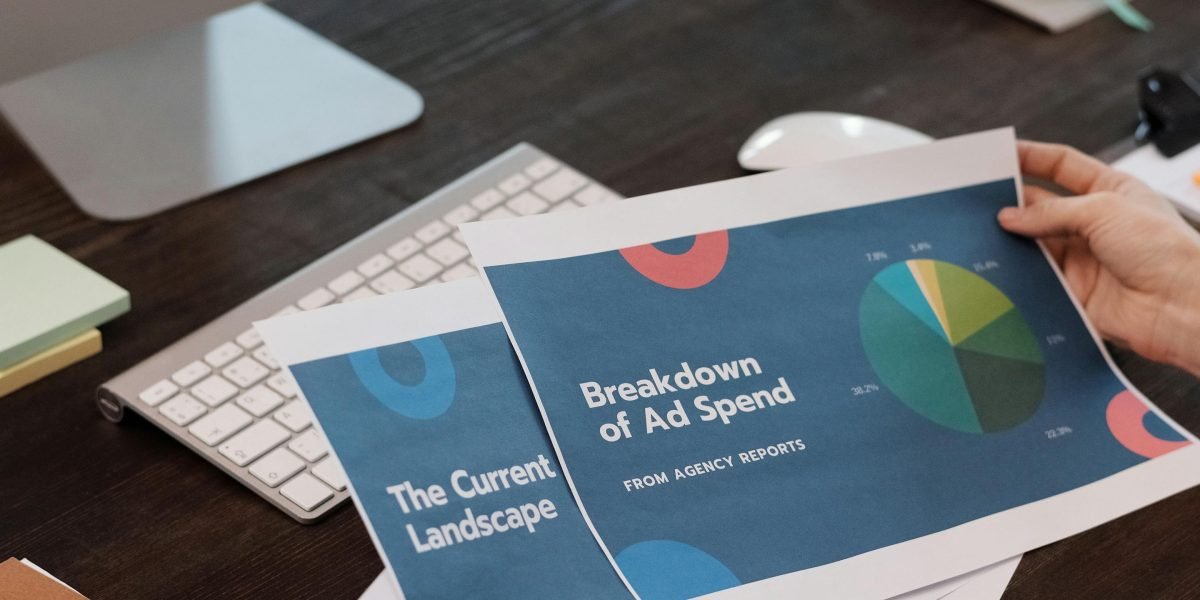
You need the right metrics. Clicks and commissions are the tip of the iceberg. In 2026, smart publishers dig deeper.
Beyond the basics: quality score, lifetime value, and attribution windows
Your affiliate dashboard probably shows clicks and conversions easily. But those numbers alone can mislead you. A high click-through rate (CTR) might look great until you realize those visitors never buy anything. That is why you need to track three deeper metrics.
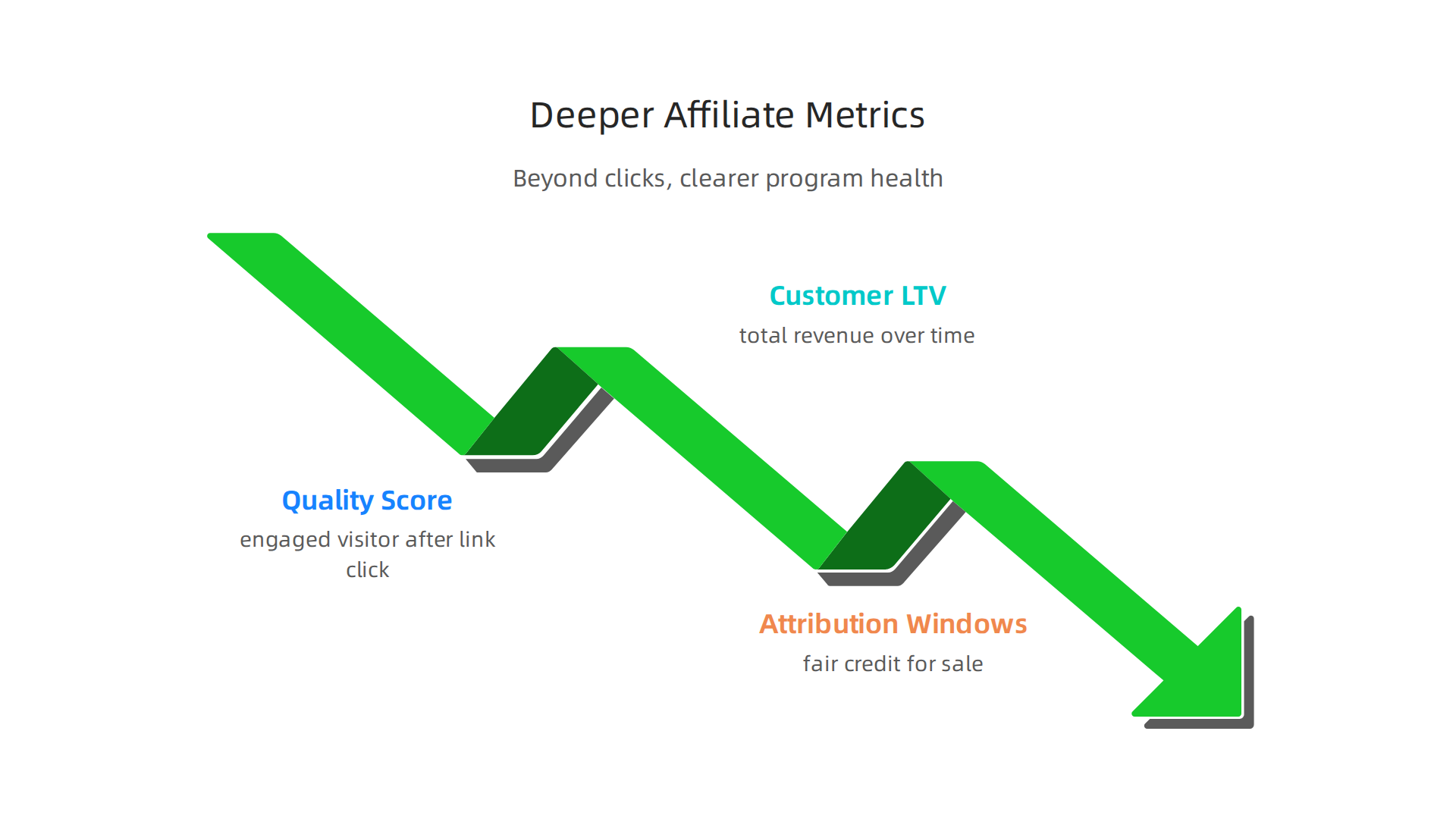
Quality score measures how engaged a visitor is after clicking your link. Did they bounce right away? Or did they browse multiple pages and add items to their cart? A high quality score means your traffic is worth more. Networks often reward publishers with better commissions when their quality score is strong.
Customer lifetime value (LTV) tells you the total revenue a single customer generates over time. If your affiliate program rewards only the first sale, you are missing the bigger picture. Repeat purchases are where real profit lives. According to one report, affiliate marketing drives a 21% repeat purchase rate in retail. Tracking LTV helps you focus on long-term value instead of one-off wins.
Attribution windows matter more than you think. A customer might click your link today, but not buy until a week later. If your program uses a short attribution window like 24 hours, you lose that commission. In 2026, many programs offer windows of 30 days or more. Make sure you choose programs that give you fair credit for the sale.
Benchmark against industry averages
You cannot improve what you do not measure. And you cannot know if you are doing well without a benchmark. For affiliate marketing, average CTRs range from 0.5% to 1.0%. Anything above 1% is considered excellent, according to Partnero. Conversion rates across industries average between 1% and 3%. E-commerce programs average around 2.8%, while SaaS free trial signups run 3–7%. These numbers come from aggregated data across many programs and verticals in 2026.
Compare your own numbers against these benchmarks. If your CTR is below 0.5%, your link placement or audience targeting needs work. If your conversion rate is below 1%, your offers might not match your audience’s intent. Use these standards to spot weak spots fast.
AI dashboards give you predictive metrics
This is where AI really helps. Modern dashboards do not just show what happened yesterday. They predict what will happen tomorrow. Tools like Voluum and other AI-powered platforms estimate revenue per article before you even publish. They look at historical performance, seasonal trends, and audience behavior to give you a forecast.
Imagine knowing which of your articles will earn the most next month. You can double down on those topics and avoid wasting time on low-performers. That is the power of predictive analytics. It turns your affiliate marketing programs from reactive into proactive.
The bottom line
Stop obsessing over clicks alone. Focus on quality score, customer lifetime value, and smart attribution windows. Benchmark your performance against industry averages. And let AI dashboards guide your next move. Your affiliate income will thank you.
Keep your edge by staying informed. The Deep View Newsletter delivers clear daily AI insights that help media professionals like you make smarter decisions. Subscribe for free today.
Choosing the Right Affiliate Network and Platform
You now know which metrics matter for your affiliate marketing programs. But the numbers only help if you pick the right partners. Choosing an affiliate network and platform shapes your whole strategy. The wrong one costs you time and money. The right one unlocks growth.
In 2026, four major networks dominate the space. Each has a different strength.
Amazon Associates is the easiest to join. It works well for beginners or sites with broad, product-focused content. But the commission rates are low, and the cookie window is only 24 hours. That is a huge downside if your audience takes time to decide. As one source notes, Amazon’s cookie duration sits at just 24 hours, while other programs often offer 30 days. For media professionals, that short window can leave money on the table.
ShareASale offers a middle ground. It has a large merchant directory across many verticals.
The platform gives you decent reporting and a reliable payout system. It is a solid choice if you want variety and do not need advanced AI features.
Impact is built for scale. It is the preferred network for enterprise media companies and performance based marketing agencies. Impact offers self-serve real-time reporting, AI-driven optimization, and deep attribution modeling. If you manage a high-volume portfolio of campaigns, Impact gives you the control you need.
Rakuten Advertising is strong for lifestyle, fashion, and retail verticals. It has a curated merchant list and high-quality brand partnerships. Rakuten also provides dedicated account management for top publishers. But it can be harder to get approved for less established sites.
What media executives look for in 2026
The best affiliate marketing platforms now offer self-serve dashboards with real-time data. You do not need to wait for weekly reports. You can see exactly which links convert and which ones flop, live.
AI optimization is the real game changer. Platforms that automatically adjust link placements, test different creatives, and predict performance give you a massive edge. As a digital marketing strategy consultant would tell you, speed and precision separate winners from losers.
Network exclusivity and commission structures
Some networks require exclusivity. You cannot promote the same merchant through another network. That can limit your flexibility. Always read the fine print before signing up.
Commission structures vary a lot by vertical and geography. Check the latest data on median rates for your niche. Compare your options before committing.
A critical note on compliance
No matter which network you choose, you must follow the rules. The Federal Trade Commission requires clear and honest affiliate disclosures. If you hide your affiliate relationships, you risk fines and lost trust. Make sure your disclosure is easy to see and understand. The FTC provides simple guidance on how to do this right.
Stay sharp. Pick a network that matches your size, your vertical, and your goals. Your affiliate marketing programs will grow faster when the foundation is solid.
Want to stay ahead of the latest media and AI trends that shape these decisions? Subscribe to The Deep View Newsletter for free daily insights.
Compliance and Trust in Affiliate Marketing for Media Brands
You have picked your network and set up your campaigns. But there is one more thing that can make or break your success. Trust.
Readers in 2026 are smart. They know affiliate links exist. And many of them are skeptical. If you hide your relationships or break the rules, you lose their trust fast. That hurts your affiliate marketing programs more than any low commission rate ever could.
FTC disclosure requirements
The Federal Trade Commission requires you to tell your audience when you earn money from a link. This is not optional. The FTC says you must show a clear and honest disclosure whenever there is a "material connection" between you and a brand. That includes getting paid, getting free products, or having any business relationship.
The rule is simple. Your disclosure must be easy to see and easy to understand. Do not bury it at the bottom of the page in tiny text. Do not use vague words like "sponsored" without explaining what that means. The FTC provides clear guidance on how to make a good disclosure. Put it near the link itself.
Top publishers in 2026 follow a few best practices. They place disclosures right before or right after the affiliate link. They use plain language like "I earn a commission if you buy through this link." And they repeat the disclosure on every page that contains affiliate links.
Growing consumer skepticism
Here is the thing. Even if you follow the rules, readers may still doubt you. A 2026 report shows that consumer trust in online recommendations is dropping. People want proof that your recommendation is real.
This is where trust signals come in. Honest reviews work. If you tell your audience why you actually like a product and mention its flaws too, they trust you more. The best media brands include both the good and the bad in their reviews. That builds credibility over time.
Data privacy regulations
There is another layer to compliance. Data privacy laws like GDPR in Europe and CCPA in California affect how you handle reader data. If you share data with your affiliate partners, you must follow these laws.
Make sure your affiliate partners respect user privacy too. Some networks have better privacy practices than others. Do your homework before you partner up.
Building real trust with your audience
The bottom line is simple. Compliance is not just about avoiding fines. It is about protecting your reputation.

When you are open about your affiliate relationships, your audience respects you more. And respect leads to clicks and sales.
If you want to stay ahead of media trends and learn how smart brands build trust, check out the latest insights on earned media strategies. And for daily updates on AI and media trends that shape how we connect with audiences, subscribe to The Deep View Newsletter for free.
Case Study: How Publishers Boost Revenue with Affiliate Programs
Let us look at real examples. Theory is great, but seeing how actual publishers win with their affiliate marketing programs is even better. These case studies show you what works in 2026 and what does not.
Publisher A: 40% Revenue Growth Through Content Optimization
A mid-size lifestyle publisher decided to focus on quality over quantity in 2025. They had been dropping affiliate links into every post without much thought. The result? Low click-through rates and frustrated readers.
Then they changed their approach. They studied which articles already had strong organic traffic. They matched affiliate products to the topics readers actually searched for. They wrote deeper, more honest reviews instead of shallow roundups.
The outcome was a 40% year-over-year increase in affiliate revenue. Their conversion rate jumped from below 1% to around 2.5%, which beats the average affiliate conversion rate of 1.8% across most industries, according to affiliate program performance data. Their secret was simple. They stopped treating affiliate links as an afterthought and started treating them as part of their content strategy.
Publisher B: AI-Powered Personalization Boosts Earnings
Another publisher, a tech review site, took a different route. They used AI tools to personalize product recommendations for each reader based on the article they were reading and their browsing history.
Here is how it worked. When a reader landed on a page about laptops, the AI system chose which laptop to recommend based on that reader’s past behavior. A budget-conscious reader saw affordable options. A professional reader saw high-end models.
The results were impressive. Their click-through rate hit 1.8%, well above the average CTR for affiliate links, which typically falls between 0.5% and 1%. Their average order value also went up because readers saw products that actually fit their needs.
The lesson here is clear. AI is not about replacing your voice. It is about showing the right product to the right person at the right time.
Common Pitfalls to Avoid
Not every publisher succeeds. Here are the biggest mistakes and how to skip them.
Pitfall 1: Link overload. Some publishers cram 15 affiliate links into a single article. This hurts trust and confuses readers. Research shows that user-generated content can boost affiliate conversion rates by 28%. But that only works when links feel natural, not spammy.
Pitfall 2: Poor product-audience fit. If your readers are budget shoppers, do not recommend luxury products. Match your offers to your audience’s needs and income level. A good digital marketing strategy consultant will tell you that audience research matters more than commission rates.
Pitfall 3: Ignoring mobile traffic. In 2026, mobile accounts for the majority of affiliate clicks. But desktop still converts better in many verticals. You need a smooth experience on both devices.
Pitfall 4: No testing. Publishers who do not test different placements, call-to-action buttons, and product types leave money on the table. The best affiliate marketing programs reward publishers who optimize constantly.
If you want to learn more about building a complete content strategy that supports your affiliate goals, check out this guide on navigating the 2026 media landscape.
And for daily updates on AI tools and media trends that can help you personalize smarter and grow faster, subscribe to The Deep View Newsletter for free. It is the easiest way to stay ahead in 2026.
Future Trends: What’s Next for Affiliate and Performance Marketing?
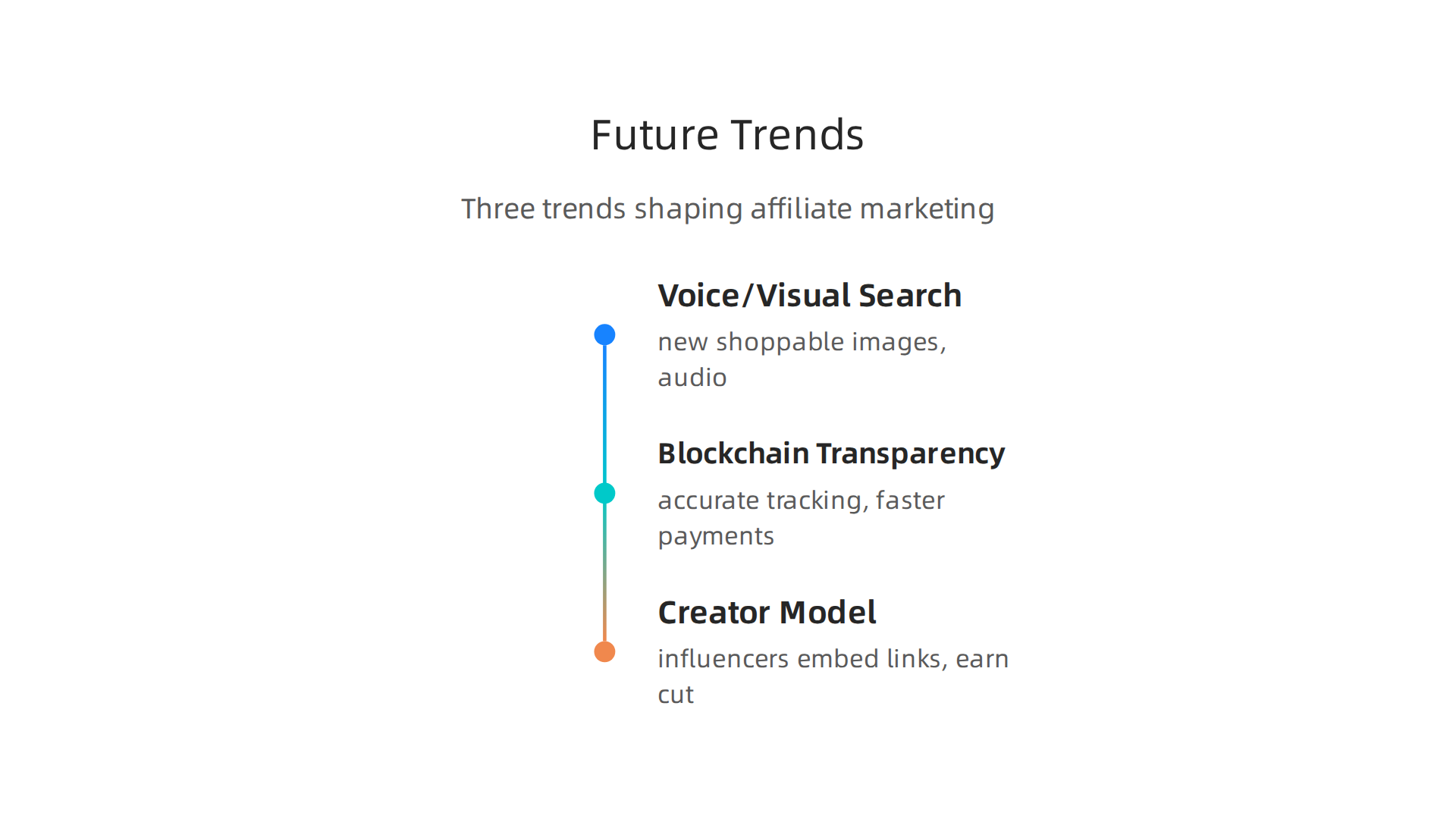
So what is coming next for affiliate marketing programs? The industry is already worth over $17 billion and is expected to hit $20 billion in 2026, according to industry growth data. But the real action is in how new technology is changing the game. Let’s look at three big trends that will shape performance based marketing this year and beyond.
Voice and Visual Search Open New Doors
Think about how you shop now. You might ask your phone "find me a good running shoe" or snap a photo of a couch you like and search for it online. Voice and visual search are growing fast. That means new affiliate opportunities through shoppable images and even audio content. Imagine a podcast host mentioning a product and your smart speaker sending you a buy link instantly. That’s already possible with the right tools. Many of the best AI affiliate marketing tools in 2026 are built to handle these new formats. If you are wondering how to start digital marketing with these channels, begin by testing shoppable images on your site and optimizing your content for voice queries.
Blockchain Brings Transparency
One of the biggest headaches in affiliate marketing is tracking commissions accurately. Did that sale really come from your link? Blockchain and smart contracts can solve that by recording every click and conversion on a public ledger that cannot be changed. For anyone working with a performance based marketing agency, this means fewer disputes and faster payments. It also builds trust between publishers and advertisers. As digital marketing strategy consultants often point out, transparency is the foundation of long term partnerships. Blockchain makes that transparency automatic.
The Creator Affiliate Model Takes Over
Influencers used to just promote brands for a flat fee. Now they are embedding affiliate links directly into their content and earning a cut of every sale. This creator affiliate model is exploding. It is a perfect entry point for people looking for freelance marketing jobs because you do not need a big audience to start. Even micro influencers with a few thousand loyal followers can earn real money by recommending products they love. The key is authenticity. Readers can spot a fake recommendation from a mile away.
These trends make one thing clear. The future of affiliate marketing programs is personalized, transparent, and driven by new technology. To stay ahead of these shifts and get daily insights on AI and media trends, subscribe to The Deep View Newsletter. It is the easiest way to keep your strategy fresh in 2026.
And if you want to see how AI is already reshaping ad formats, check out this breakdown of native advertising in 2026 and how personalization is driving results.
Summary
This article explains why affiliate marketing is an essential, stabilizing revenue channel for media companies in 2026 and shows how to build data-driven, compliant programs that scale. It covers how AI—through real-time personalization, generative content, and predictive analytics—boosts conversion and efficiency, which networks and platforms to consider (Amazon, ShareASale, Impact, Rakuten), and which deeper metrics to measure beyond clicks, like quality score, LTV, and attribution windows. You’ll learn practical guidance on selecting partners, integrating first‑party data, using AI dashboards to forecast performance, and keeping reader trust with clear disclosures and honest reviews. The article includes case studies showing real revenue lifts, common pitfalls to avoid, and emerging trends such as voice/visual search, blockchain transparency, and creator affiliate models. After reading, publishers will know what tools and metrics to prioritize, how to choose networks that fit their scale and vertical, and how to create affiliate content that feels authentic and drives sustainable income.