
What Makes a Good Advertisement Thrive: 2026 Strategies for Impact
Introduction: Why the Question ‘What Makes a Good Advertisement’ Still Matters
In 2026, many things about advertising have changed faster than ever before. If you work in media or advertising, you know how hard it can be to keep up. New online places to show ads pop up all the time. Artificial intelligence, or AI, is changing how we create ads and decide where to put them. And it’s still tricky to know for sure if your ads are really working and making a difference. This means that asking "what makes a good advertisement" is more important now than ever.

It’s not enough to just put an ad out there. Good ads matter because they cut through all the noise. They need to grab people’s attention and stay in their minds. For instance, research shows that ads that catch our eye often do so by surprising us or doing something unexpected [PDF] Ipsos Views: From Noise to Noteworthy. In today’s fast-moving world, where everyone is busy, an ad must work hard to get noticed and remembered.
This article is here to help you understand what truly makes a good advertisement in 2026. We will look at many things, from cool and creative ads to the hidden ways our minds react to them. We will talk about:
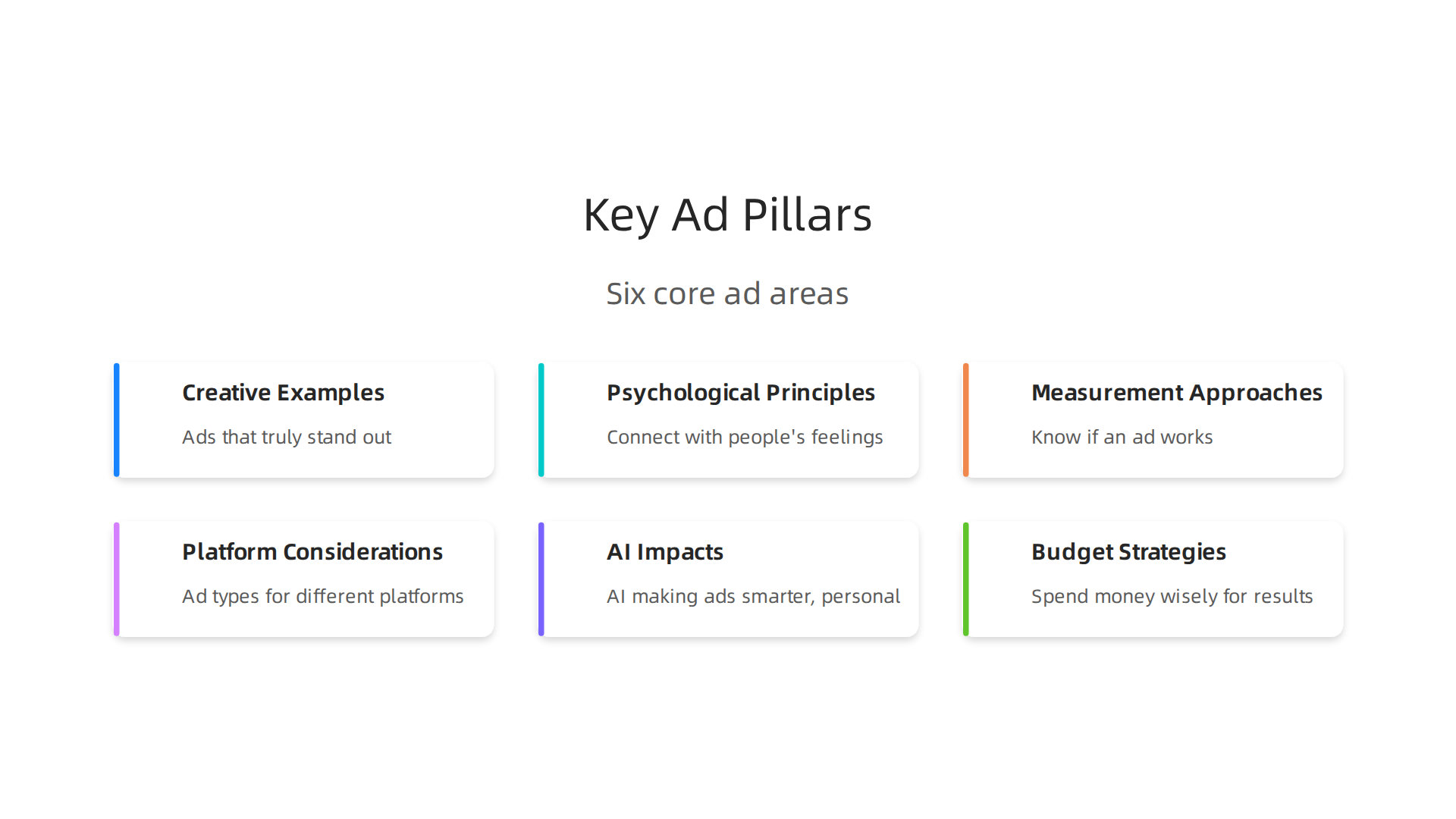
- Creative Examples: What kinds of ads really stand out?
- Psychological Principles: How do ads connect with people’s feelings and thoughts?
- Measurement Approaches: How can you tell if an ad is actually doing its job?
- Platform Considerations: Which ad types work best on different websites and apps?
- AI Impacts: How is AI making ads smarter and more personal?
- Budget Strategies: How can you spend your money wisely to get the best results?
We’ll bring together these ideas to give you a clear picture of how to make your ads shine. If you are also thinking about how AI can help your advertising, you might want to learn how to choose the best AI marketing agency for your business. Understanding these areas will help you make better ads that connect with people and help your business grow.
Do you want to stay ahead of the game with the latest on AI and how it affects media?
The AI Newsletter Worth Reading offers clear daily AI updates from The Deep View Newsletter.
1) Distinctive Creative: High-impact creative examples and what they teach us
To really understand what makes a good advertisement, we need to look at ads that truly stand out. In 2026, many different kinds of ads grab people’s attention. From short videos on your phone to big signs outdoors, the best ads are often those that are fresh, clear, and connect strongly with their brand.
Let’s look at some examples:
Creative Examples Across Different Ad Types
- Short Videos: You see these everywhere, like on TikTok or Instagram Reels. The best ones are super quick to grab your eye. Experts say you need a strong "hook" in the first 3 seconds so people don’t just scroll past [Short-Form Video Ads: Hooks, Length & Frameworks (2026 …)]. Sometimes, the trick is to not show the brand logo right away. Instead, start with something surprising or a question to make people curious.
- Social Media Challenges: Remember the Doritos "Triangle Tracker" campaign in 2026? It used an online filter and asked people to find triangles in everyday things. This was a fun, interactive way to get people involved and talking about the brand [Best Social Media Campaigns of 2026 | CPG Case Studies …]. It made the brand’s unique chip shape into a game.
- Outdoor Advertising: Think of big billboards or ads on buses. These need to be very clear and often have a strong visual. Good ads here are like a quick puzzle or a striking image that makes you look twice. This is an example of strong creative outdoor advertising.
- Storytelling Ads: Some brands tell a story that makes you feel something. Burger King’s "Reclaim the Flame" campaign was praised because it was honest about past problems and showed how the brand was getting better [Latest Marketing Campaigns 2026: Real Examples & Case …]. This kind of honesty can build trust with people, showing examples of ethos advertising where the brand’s character shines through.
What Makes These Ads So Good?
These examples show us what makes a good advertisement in today’s world. There are a few key things that all great ads have:
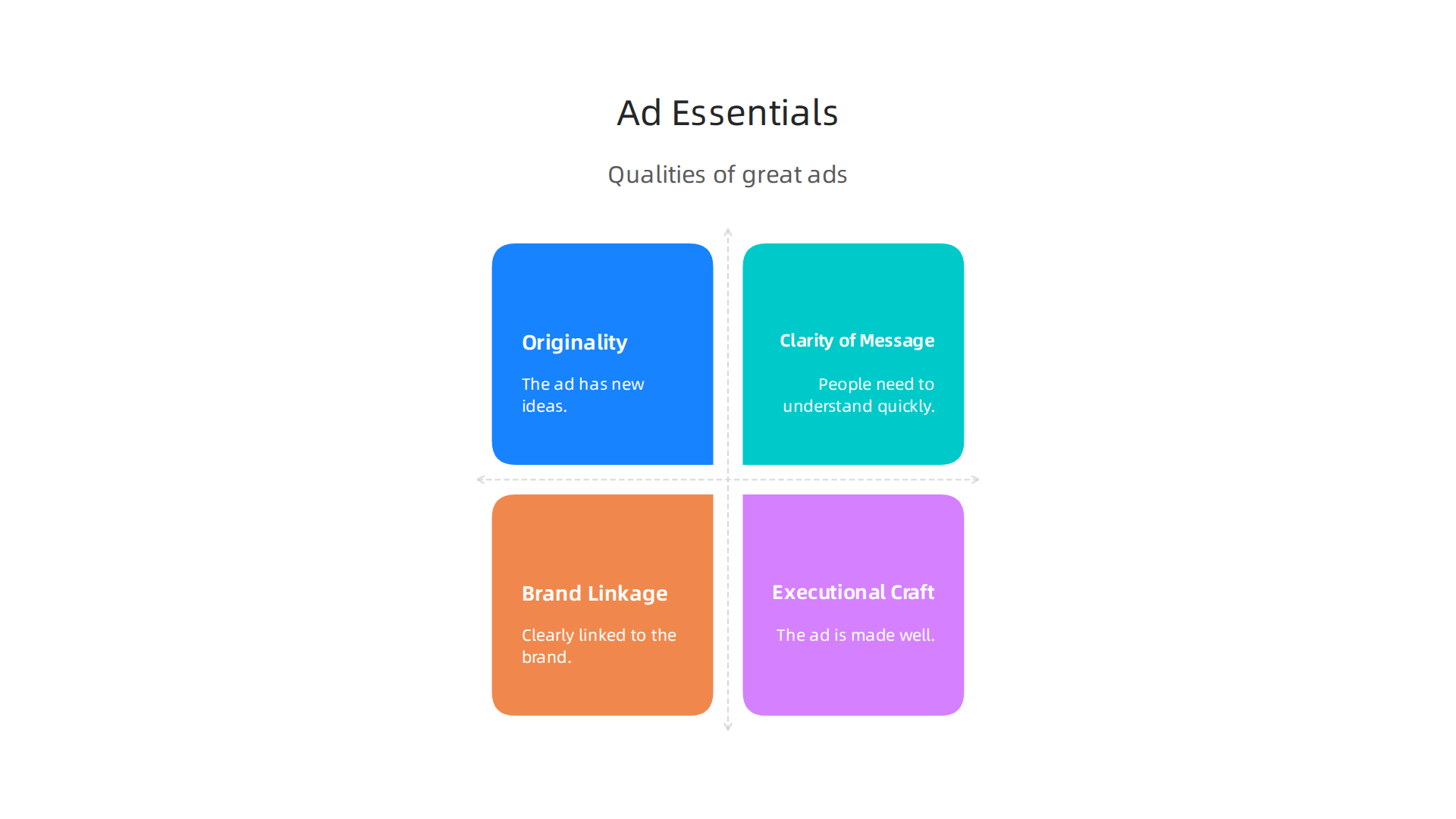
- Originality: The ad has new ideas. It does something unexpected and makes you think, "Wow, I haven’t seen that before!" This helps it break through all the other ads out there.
- Clarity of Message: People need to understand what the ad is saying very quickly. Is it clear what product is being sold or what idea is being shared? Simple, direct messages work best.
- Brand Linkage: Even if an ad is super creative, it needs to be clearly linked to the brand. You want people to remember your brand, not just the cool ad. The best campaigns weave the brand into the heart of the story.
- Executional Craft: This means the ad is made well. The pictures look good, the words are chosen carefully, and everything feels polished. A well-made ad shows care and professionalism.
Actually, when ads use emotions, they often work better because they capture our attention and help us remember the message more easily [Emotion, Attention and Memory in Advertising – Ipsos]. If you want to dive deeper into how different types of campaigns connect with people, check out how to pick the right marketing campaign for real ROI.
These creative elements are very important. They are the building blocks for any marketing team looking to make waves. They help you build integrated marketing communications that truly speak to your audience.
The creative ways ads are made are super important. But there’s a secret power that makes good ads even better: feelings. In 2026, we know that people remember ads more when those ads make them feel something. This is because our brains work in special ways when emotions are involved.
How Emotions Grab Our Brains
When you see an advertisement, your brain quickly decides if it’s important. If an ad makes you feel happy, surprised, or even a little sad, your brain pays closer attention. Think about it: a funny commercial often makes you stop and watch. This is called "attention," and it’s the first step for any ad to work.

Research shows that ads often grab our attention when they show us something unexpected or new [Ipsos Views: From Noise to Noteworthy].
After getting your attention, emotions also help you remember the ad. Our brains are built to store memories linked to strong feelings. So, if an ad brings out a feeling, you’re much more likely to remember the brand and what they were selling later on. Experts say that emotional images and telling stories in ads can help create stronger memories [Neuromarketing Strategies and Memory Creation in Advertising]. This process is known as memory encoding, where information turns into a lasting memory.
Actually, when ads make you feel good, you tend to like them more. And when you like an ad, you’re more open to liking the brand too. Scientists who study the brain have found that our emotional responses to an ad can predict if we will like it, even very early on [Neural Signals of Video Advertisement Liking]. This "affective response" is just a fancy way of saying how an ad makes you feel. It’s a huge part of what makes a good advertisement stand out.
Why Emotional Ads Work Better Than Just Listing Features
Imagine two ads for a new car.
- Ad 1: Lists all the car’s features: "It has 300 horsepower, great gas mileage, and 10 airbags."
- Ad 2: Shows a family laughing and having fun on a road trip, feeling safe and happy in the car.
Which ad makes you feel more? The second one, right? It connects with your dreams of family, safety, and adventure. While features are good to know, feelings often stick with us more. This is why emotional ads often win over ads that just list facts [Thinking vs Feeling: The Psychology of Advertising]. People remember how an ad made them feel, not just what it said.
When an ad taps into your feelings, it also makes you want to share it. If something makes you laugh or touches your heart, you’re more likely to tell a friend or share it online. This helps the ad reach even more people, making the brand more popular. Connecting with feelings helps build a stronger link between you and the brand, leading to more people choosing that brand over others.
These emotional connections are especially important in advertising in the 20’s, where everyone is trying to get your attention. If you want to see more examples of how feelings are used in ads, you can read about 10 pathos ads that prove emotional advertising wins.
Understanding how emotions work in advertising can give you a big advantage. It’s about more than just showing off a product; it’s about making a connection.
To stay on top of all the latest trends and changes, especially with new tools like AI shaping how ads are made and how we connect with people, you need good information.
Get clear daily AI updates from The AI Newsletter Worth Reading.
Knowing how emotions make good ads matter is just one piece of the puzzle. The next big part is knowing if your ads are actually working. How do you measure what makes a good advertisement truly successful? In 2026, figuring this out is super important because there are so many ways to reach people.
What Numbers to Look At
When we talk about measuring ads, there are two main types of numbers, or "metrics," we look at:
-
Diagnostic Metrics: These are like a quick check-up for your ad. They tell you if people are seeing your ad and interacting with it right away. For example:
- Clicks: Did people click on your ad?
- Views: Did enough people see your ad?
- Viewability: Was your ad actually seen on the screen, or was it hidden way down the page?
These metrics are good for showing if an ad grabs attention, but they don’t always tell you if it made someone want to buy something or remember your brand.
-
Outcome Metrics: These numbers tell you the bigger story. They show if your ad changed how people think or what they do. These are the signs of what makes a good advertisement truly powerful. For example:
- Brand Lift: This measures if more people know about your brand or think better of it after seeing your ad. You can find this out by asking groups of people through surveys if they remember your brand or ad [Methods for Measuring Brand Lift of Online Ads].
- Sales Uplift: Did your ad actually lead to more sales? This is often the most important outcome for many businesses.
- Website Visits: Did more people visit your website, even if they didn’t click the ad directly?
- Brand Awareness: Do more people search for your brand online or talk about it on social media after seeing your ads? You can track this with surveys and by listening to what people say about your brand [metrics to measure advertising effectiveness].
It’s helpful to look at both types of metrics. Diagnostic numbers can help you make small changes to your ads as they run. Outcome numbers help you see if your whole advertising plan is working over time.

How to Test and Really Know if Your Ads Work
Just looking at one number can be tricky. Imagine you run an ad and sales go up. Was it because of the ad, or did something else happen, like a holiday sale? To really know what makes a good advertisement effective, you need to test things.
One common way to test is called A/B testing. This means you create two versions of an ad, say "Ad A" and "Ad B," and show them to different groups of people. Everything about the ads should be the same except for one small thing you want to test, like a different picture or headline. This helps you see which small change makes a bigger difference in how people react [7 Ad Testing Methods to Improve Campaign Performance – Neurons].
Another important idea is incrementality. This asks: Did my ad make something happen that wouldn’t have happened without it? For instance, did people buy something because they saw your ad, or were they going to buy it anyway? Figuring this out helps you know the true value of your advertising money.
In 2026, many experts suggest using a "triangulated measurement" approach. This means you don’t just rely on one type of test or one set of numbers. Instead, you look at your ads from many different angles, using a mix of tools and methods [Ad Measurement: The Complete 2026 Guide to Accurate …]. For example, you might use A/B tests, brand lift surveys, and also look at overall sales data. This way, you get a much clearer picture, even when some signals might be "noisy" or unclear on their own.
By carefully measuring and testing, you can understand how to build better campaigns and ensure your good ads matter. It also helps you see which strategies lead to more sales and a stronger brand. For deeper insights into how to track results and make smarter choices, explore how analytic marketing drive smarter campaigns and boost ROI in 2026. This careful work helps make sure your efforts in advertising in the 20’s truly pay off.
Making sure your ads truly work means not just good ideas and smart measurements. It also means knowing that what makes a good advertisement on one platform might not work on another. In 2026, there are so many places to show ads. Each place has its own rules and its own way people pay attention.
Imagine you’re talking to a friend versus giving a speech to a big crowd. You’d change how you speak, right? Advertising is the same. How people use an app, how long they look at something, and even the size of the screen all change how an ad should look and feel. This is called adapting your creative to fit the platform. It helps good ads matter more.
Ads for Different Places
Here’s how advertising looks on some popular platforms today:
-
Short-Form Social Video (Like TikTok, Instagram Reels, YouTube Shorts)
These videos are super quick. People scroll fast, so you need to grab their attention right away.- Start with a Hook: The first 1-3 seconds are key. Show something surprising or ask a bold question. Don’t put your logo right at the start, as people might skip it [Short-Form Video Ads: Hooks, Length & Frameworks (2026 …)].
- Go Vertical: Most people hold their phones upright, so ads should be tall, not wide. Aim for videos that are about 15-30 seconds long [Short Form Video Ads: The Complete Guide for 2026].
- Look Natural: The best ads often feel like regular videos made by users, not fancy commercials.
- Keep it Simple: Use clear on-screen text and have one main thing you want people to do. For example, the Doritos "Triangle Tracker" campaign used augmented reality and a TikTok challenge, blending right into how users interact with the app [Best Social Media Campaigns of 2026].
-
Streaming CTV (Connected TV)
This is like watching TV shows on apps such as Netflix or Hulu on your smart TV. People here are usually more relaxed and open to longer stories.- Tell a Story: You have a little more time to build an emotion or show how your product works.
- High Quality: Make sure your video looks great on a big screen.
- Clear Brand: Keep your logo and what you want people to do visible, especially during the ad [CTV Video Ad Specs & Formats: Marketer’s Guide (2026)].
-
Search Ads (Like Google Ads)
When people search online, they are looking for something specific. These ads appear at the top of search results.- Be Direct: Answer the question they typed. Use clear words about what you offer.
- Keywords are King: Your ad should use the words people are searching for.
- Call to Action: Tell them exactly what to do next, like "Shop Now" or "Learn More." If you want to dive deeper into these, check out types of Google Ads.
-
Programmatic Display Ads
These are banner ads you see on websites and apps. They show up because a computer program figured out you might be interested.- Visually Strong: Catch the eye quickly with a nice picture or graphic.
- Simple Message: You only have a second to get your point across.
- Brand Recognition: These are good for reminding people about your brand.
-
Native Newsletters
These are ads that look and feel like a regular part of an email newsletter.- Blend In: The ad should match the style and tone of the newsletter content.
- Informative: Often, these ads share useful information, not just a sales pitch. They build trust. This is a great example of how native advertising 2026 is changing.
The secret to really good ads in the 20’s is understanding that each platform is its own world. Creating ads that fit how people use each platform is called a "platform-native content strategy" [Short-Form Video Strategy Framework for Brands in 2026 How the …]. This means thinking about the user’s experience and what they expect to see there. It’s about knowing what makes a good advertisement flexible and smart for every place it appears.
To stay on top of all the new ways AI is changing how we make and place ads, consider getting insights from experts.
The AI Newsletter Worth Reading
The talk about ads today often turns to AI, and for good reason. AI can do many things, but knowing when to let AI lead and when human creativity is best is key for any "what makes a good advertisement" strategy in 2026.
When AI Helps with Creative
AI tools are becoming very smart helpers for making ads. Here are some ways they shine:
- Coming up with Ideas: AI can brainstorm hundreds of ad ideas in minutes. It can look at lots of data to suggest what people might like. This helps you start with a strong plan, making sure your ads matter from the very beginning.
- Making Ad Parts: AI can quickly create images, write different headlines, or even put together short videos. This saves a lot of time and money. For example, some companies found that making AI-generated video ads can be 50 to 80 times cheaper than making them with people [Roas Benchmarks By Dtc…]. AI can also make ad parts 10 times faster than human designers [AI Ad Creative Performance: Key Marketing Statistics 2026].
- Changing Ads for Different Places: If you need to show an ad in many countries, AI can quickly change the language and even some visuals to fit local cultures. This is called localization and it helps your ads feel more personal to different groups of people.
- Testing What Works Best: AI can help you test many different versions of an ad very fast. It can see which pictures or words get the most clicks. Some studies in 2026 show that AI-optimized ads can get 2.1 times more clicks than ads made by hand [TOP 20 AI-GENERATED AD CREATIVE PERFORMANCE …]. On platforms like Meta, AI-generated ads sometimes perform 12% better for getting clicks [AI-generated creative in marketing: what the 2026 performance data …]. If you want to dive deeper into how data helps, learn about analytic marketing.
When Human Craft Still Wins
Even with all these amazing AI tools, people are still very important. AI is a tool, but it doesn’t have feelings or life experiences like we do.
- Real Feelings and Stories: The best ads often touch our hearts or make us laugh. They build a true connection. Think about examples of ethos advertising that make you trust a brand. AI struggles to create truly deep emotional connections or build trust in the same way a human creative can [Marketing Wins & Fails: 10 Case Studies for 2026]. Real stories, honest messages, and a sense of humor often need a human touch [7 Inspiring Ad Campaigns Examples to Boost Your Brand …].
- Keeping it Real and Safe: Sometimes, AI-made ads can look a bit "off" or artificial. In fact, ads that "look like AI" sometimes do worse than other ads [AI-Generated Ads: What Performs and What Doesn’t in 2026]. People can also make mistakes, creating things that don’t match your brand or might even cause problems. Humans are needed to check these things to keep your brand safe and true to itself.
- Deep Understanding: Humans can understand complex ideas, jokes, and cultural details in a way AI cannot. This deep understanding is what makes an ad feel truly clever and relatable. While AI can help speed up tasks, the actual idea and emotional core of what makes a good advertisement often comes from people. For important roles in this field, look into creative advertising jobs in 2026.
- Guiding AI Smartly: For AI to work well, it needs clear instructions. This means giving it structured ideas and rules about your brand’s voice and style [The Best AI Advertising Campaigns of 2026: What Worked and Why]. Human experts are the ones who give AI the right ideas to start with, setting the stage for what "good ads matter" really means.
So, in the world of advertising in the 20’s, AI is a powerful helper. It handles the heavy lifting and quick changes. But the heart, the true spark, and the thoughtful check for what makes a good advertisement still come from human creativity and care. It’s about working together: AI for speed and reach, and humans for soul and smart decisions. If you’re looking to bring AI into your marketing, it’s wise to choose the best AI marketing agency to guide you.
In the world of advertising in the 20’s, AI is a powerful helper. It handles the heavy lifting and quick changes. But the heart, the true spark, and the thoughtful check for what makes a good advertisement still come from human creativity and care. It’s about working together: AI for speed and reach, and humans for soul and smart decisions. If you’re looking to bring AI into your marketing, it’s wise to choose the best AI marketing agency to guide you.
Budgeting and Optimization: Allocating spend to maximize creative ROI
Once you know the blend of human and AI power for your ads, the next big step is deciding where to put your money. Think about your advertising budget like a pie. You need to slice it smartly to make sure every piece works hard for you. This means carefully thinking about how much you spend on showing your ad to many people, how often they see it, how much you spend to test different ad ideas, and how much you invest in your brand’s long-term future.
Smart Choices for Your Ad Budget
Making your ad budget work best is about balancing different goals.
- Reaching Many vs. Being Seen Often: Sometimes you want your ad to reach as many new people as possible. Other times, it’s better for fewer people to see your ad many times so they really remember it. Finding the right mix depends on what your ad wants to achieve. For example, if you’re launching something new, you might want more reach. If you’re building a known brand, frequency might be more important.
- Creative Testing Matters: To know what makes a good advertisement, you have to test different versions. This takes some money, but it’s worth it. You might test different pictures, headlines, or even whole ad ideas. Tools can help you see which ads get the most attention and clicks. This testing helps you stop wasting money on ads that don’t work and put more money into ones that do. This is a key part of performance marketing 2026.
- Investing in Your Brand for the Long Run: It’s easy to focus only on quick sales. But a truly good advertisement also builds how people feel about your brand over time. This means putting some money aside for ads that don’t just sell, but also tell your brand’s story and make people like and trust you. This kind of investment often pays off big later.
Ways to Make Your Money Work Harder
To get the most out of your ad spending, you need smart plans for checking how well your ads do.
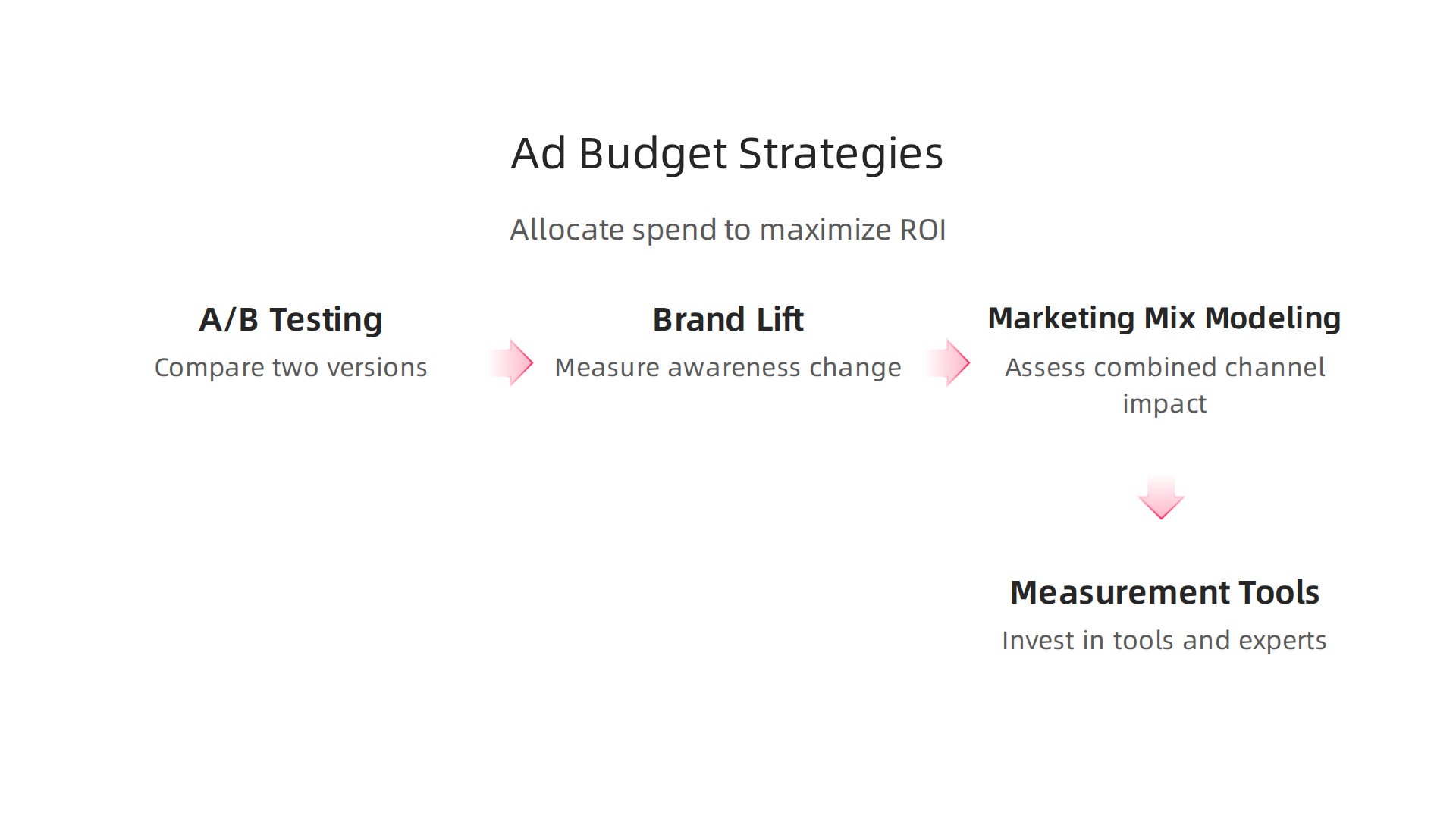
- Testing Different Ads (A/B Testing): A simple way to check ad ideas is by running two versions of an ad side-by-side to see which one performs better. This helps you understand what changes to your creative lead to better results. Experts often suggest using several ad testing methods to improve campaign performance to really understand what’s effective.
- Checking How Your Brand Grows (Brand Lift Studies): These studies help you see if your ads are making people more aware of your brand, or if they like your brand more. This is super important for knowing if your ads are building a strong brand, not just getting clicks. Learning how to measure brand lift helps you understand what truly makes a good advertisement for your business.
- Looking at the Whole Picture (Marketing Mix Modeling): Imagine all your advertising efforts as different ingredients in a recipe. Marketing Mix Modeling (MMM) looks at all these ingredients together. It helps you understand how everything you do, from online ads to TV commercials, works together to bring in results. This is different from smaller tests, as it gives a wider view of your spending. You can learn more about Marketing Mix Modeling vs. Lift Tests for deeper insights.
- Putting Money Into Measurement Tools: To truly optimize, you also need to spend money on tools and experts who can help you measure everything. This includes knowing which advertising channels in 2026 are working best and how to use data to make better choices. In 2026, smart companies use a mix of methods to get the clearest picture of their ad success. A complete guide to measurement can help you understand all the options for making sure your ad money is well spent, as covered in this 2026 guide to accurate ad measurement.
Understanding these trade-offs and using smart ways to measure your ads means you can make better choices for your budget. This ensures that every dollar spent helps you create effective campaigns and maximize your creative return on investment. If you want to stay ahead of the game with the latest strategies and trends in advertising and AI, you’ll find great insights. Get clear daily AI updates from The AI Newsletter Worth Reading.
Summary
This article explains what makes a good advertisement in 2026 and shows how creativity, psychology, measurement, platform fit, AI, and budgeting all combine to create effective campaigns. It reviews standout creative types—from short-form video and social challenges to storytelling and outdoor—and explains why originality, clarity, brand linkage, and craft matter. The piece outlines how emotions capture attention and encode memory, then breaks down the diagnostic and outcome metrics you should track (clicks, viewability, brand lift, sales uplift) and testing methods like A/B tests and incrementality. It also explains how to adapt creative to different platforms, where AI speeds idea generation and scaling but humans retain the emotional core, and how to allocate budget between reach, frequency, and testing. After reading, marketers will know which creative and measurement strategies to use, how to test effectively, and how to invest budget to improve short-term results and long-term brand value.