
How to Start a Marketing Agency Step by Step for 2026 Growth
Why Start a Marketing Agency Today (and what this guide will deliver)
In 2026, the world of business is moving fast, and marketing is more important than ever. Companies big and small need help to reach their customers in new ways, especially with all the cool things AI can do now. This means there’s a big chance for smart people to start their own marketing agencies. If you’ve been asking yourself how to start a marketing agency and build something amazing, you’ve come to the right place. There’s a real demand for special marketing services, especially those that use new AI tools to get better results.
This guide will walk you through everything you need to know. We’ll cover the practical steps, like making sure your business is set up legally and how to get your tax IDs in order, as shown in checklists from the Internal Revenue Service. We’ll also help you figure out how to price your services, what services to offer, and how to create awesome marketing portfolio examples to show off your skills. Plus, we’ll look at how to grow your agency over time. You might even find ideas about free digital marketing courses to boost your knowledge or how to get valuable experience through social media marketing internships if you’re just beginning.
Starting any business takes time and some early money, and a marketing agency is no different. It’s smart to have a clear business plan from the start,

as many experts suggest for new businesses trying to grow and succeed, even those looking to develop a strategic marketing plan for media creator growth in 2026. There can be risks, but by following a clear plan, you can lower those risks a lot. This guide will show you how to get started right, avoid common pitfalls, and set your agency up for long-term success. If you’re keen to stay on top of how AI is changing the business world, especially in media and marketing, there’s a great resource that can help.
Get clear daily AI updates from The AI Newsletter Worth Reading.
Define Your Niche, Services, and Unique Value Proposition
After you decide to start a marketing agency and have a basic business plan, the very next step is to figure out what your agency will be all about.

This means picking a special area to focus on, deciding what services you’ll offer, and showing what makes you different from others. Think of it like deciding what kind of restaurant you’ll open before you even buy the first ingredient. Will it be Italian, Mexican, or a mix? Each choice means different recipes and different customers.
How to Choose Your Special Area (Niche)
To succeed, especially in 2026, it’s really helpful to choose a niche. This means focusing on a specific type of client or a specific problem you’re really good at solving. For example, instead of saying you do "all marketing," you might say you help "small fitness gyms with social media ads" or "tech startups get more users through content."
Picking a niche helps you in a few ways:
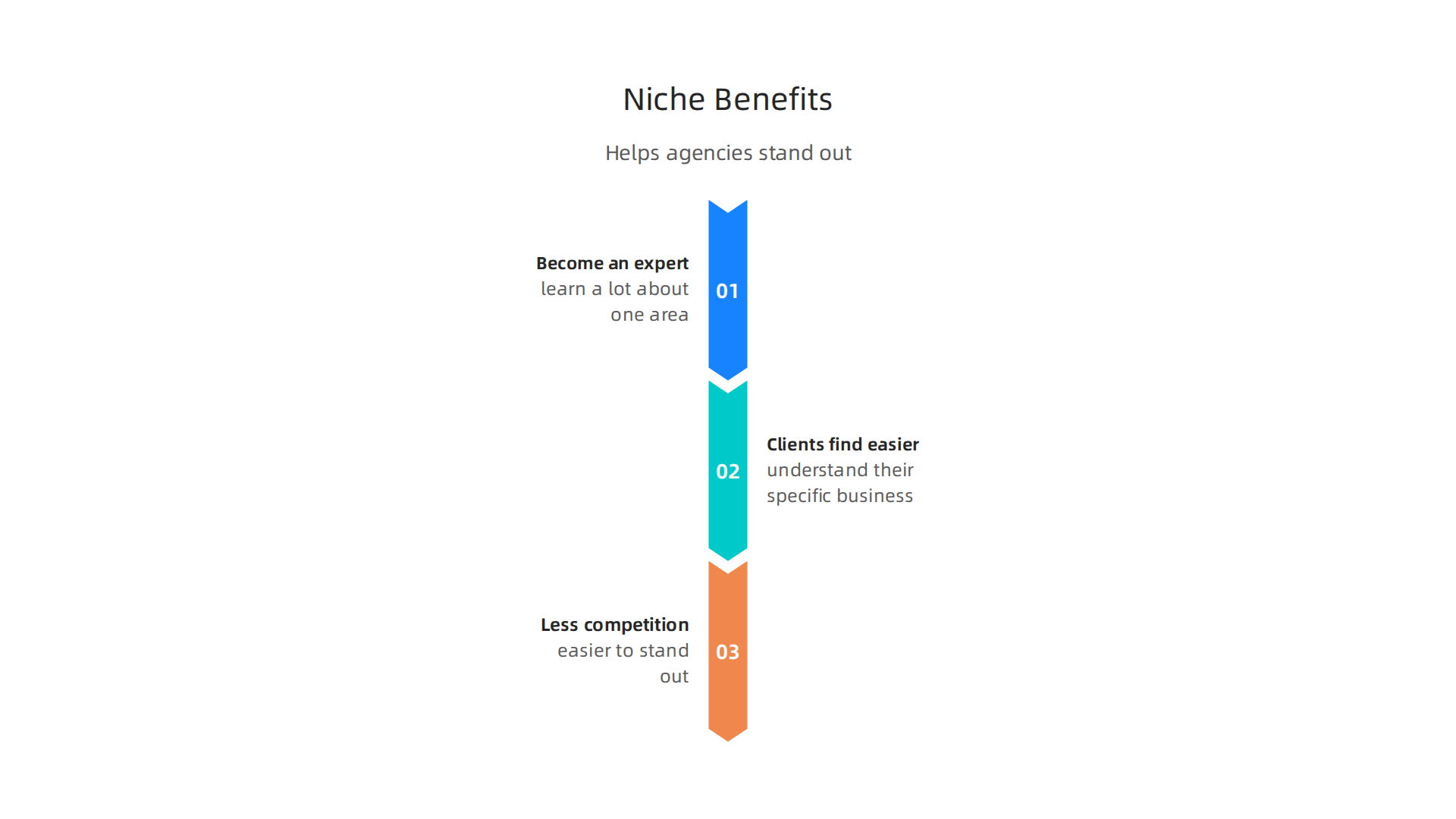
- You become an expert: When you focus, you learn a lot about one area. This makes you better at what you do.
- Clients find you easier: When clients look for help, they often want someone who understands their specific business. If you’re known for helping dentists, dentists will come to you.
- Less competition: It’s easier to stand out as "the best at X" than "just another marketing agency."
Experts call this defining your "Ideal Customer Profile" or ICP, which is a key part of any good Go-to-Market Strategy for Marketers in 2026. This means truly understanding who your perfect client is. You need to ask yourself:
- Who do you want to help? (What type of business, what size, where are they?)
- What big problem can you solve for them better than anyone else?
- What special skills do you and your team have that fit this group?
Picking a smaller, specific group to start with can help you grow faster, like establishing a "beachhead" before expanding, as some experts suggest for a smart Go-to-Market Strategy in 2026.
What Services Will You Offer?
Once you know your niche, you can decide on your services. These are the specific things you will do for clients. Will you manage their social media, run ads, write blog posts, or create videos?
You can package your services in different ways:
- Project-based: This is for one-time tasks, like building a website or running a single ad campaign. Clients pay a set amount for a clear piece of work.
- Retainer-based: This means clients pay you a regular fee (like every month) to do ongoing work. This is great for steady income and building long relationships. You might manage their social media or SEO month after month.
- Performance-based: Here, you get paid based on the results you deliver. For example, you might get a percentage of sales if you help a client sell more products. This can be risky but also very rewarding if you get great results.
Many agencies use a mix of these. For example, they might start with a small project to show what they can do, then move to a monthly retainer. Building strong "productized offers" that show clear value can help bring in new clients, a concept explored in a guide on Productized Offers, Proof Loops, and AI Assist.
How to Stand Out (Your Unique Value)
In 2026, there are many marketing agencies. So, how will yours be special? This is your Unique Value Proposition, or UVP. It’s the one big reason why a client should choose you over everyone else.
To find your UVP, think about:
- Your special skills: Do you have a new way to use AI that no one else does? Are you amazing at making videos that go viral?
- Your experience: Have you worked in your niche for many years and know it inside out?
- Your results: Can you promise faster growth, more leads, or better sales than others?
Your UVP should be clear and easy to understand. It should tell potential clients: "We are the best choice for you because we do X, which gives you Y amazing benefit." This clear message helps you build a strong Rethink modern brand marketing for 2026 digital growth for your agency. When you tell your story, focus on the problems you solve and what makes your solution special, as highlighted in insights about Go-to-Market Strategy: The Complete Playbook for 2026.
Once you know what your marketing agency will focus on and what services you’ll offer, the next big step is to make sure your business is set up the right way.

This means taking care of all the legal bits and bobs, setting up how your business will run every day, and getting ready to welcome your first clients. It’s like building the strong foundation for your house before you decorate.
Getting Your Legal House in Order
To officially start a marketing agency, you need to pick a business type. This choice affects how you pay taxes and how much personal risk you take on. Here are the common types:
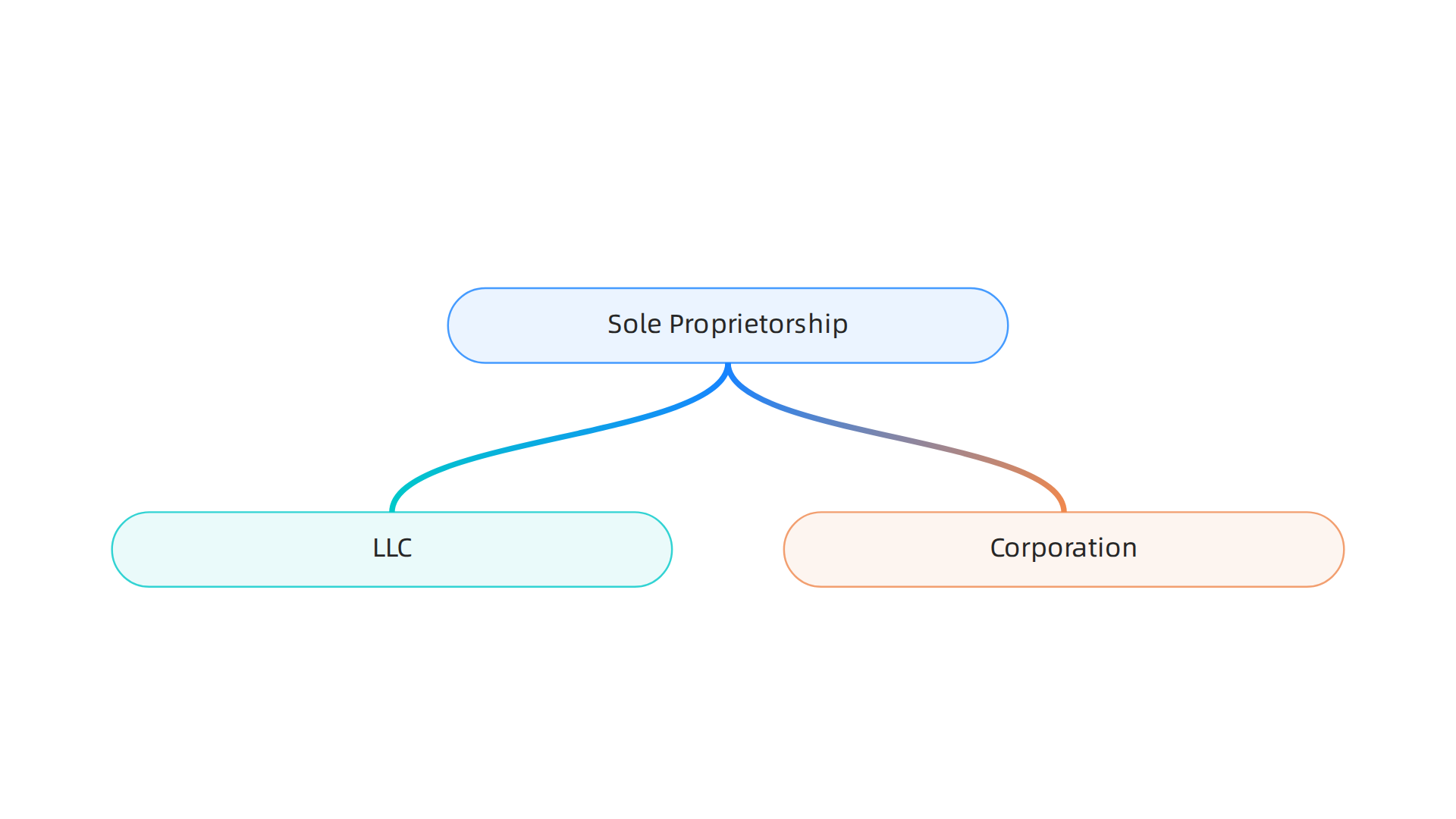
- Sole Proprietorship: This is the simplest option if you’re working alone. You and your business are seen as one. It’s easy to set up but means you’re personally responsible for business debts.
- Limited Liability Company (LLC): Many small businesses choose an LLC. It protects your personal money from business debts, meaning your house or savings are generally safe if your business has problems.
- Corporation (C-Corp or S-Corp): These are more complex and often for larger businesses. They offer good protection for personal assets but have more rules and paperwork.
You’ll need to register your business with your state or local government. This includes choosing a business name and getting a tax ID number, like an Employer Identification Number (EIN) from the IRS, even if you don’t plan to hire people right away. The Small Business Administration offers a helpful guide on how to Launch your business. A full Checklist for starting a business from the IRS can also help you make sure you don’t miss any steps.
You’ll also need contracts. These are important papers that clearly state what you will do for your clients and what they will pay you. They also protect you and your client if things don’t go as planned. Things like a Service Agreement Checklist can be very useful for this, as seen in forms from the Texas Department of Insurance. Also, think about who owns the work you create. Usually, your contract will say that once the client pays, they own the finished marketing materials.
Running Your Business Day-to-Day
After the legal setup, you need to get your daily operations in order. This is about making sure money comes in, bills get paid, and everything runs smoothly.
- Bank Account: Get a separate bank account for your business. This keeps your personal money and business money apart, which is super important for taxes.
- Bookkeeping: You need a way to track all the money coming in and going out. This can be as simple as a spreadsheet or using special accounting software. Good bookkeeping helps you know if your business is making money. Many checklists for starting a business stress the importance of setting up record keeping and accounting systems.
- Invoicing: You need a clear way to bill your clients. This ensures you get paid on time for your hard work.
- Insurance: Just like you have insurance for your car or home, your business needs it too. Business liability insurance protects you if a client claims your work caused them harm. Property insurance protects your office gear. You can check with an agent to find the right business insurance coverage for your type of business.
- Compliance: This means following all the rules and laws for businesses in your area, including paying taxes and keeping proper records. Using good digital marketing software can also help streamline some of these tasks.
Setting Up Your First Workflows
Finally, you want to make sure you have a smooth process for getting new clients and starting work.
- Proposals: This is how you tell a potential client what you can do for them. It should clearly explain the problem you’ll solve, your services, and the cost. Think of it as a preview of your skills. Many agencies put together strong marketing portfolio examples to help win over new clients.
- Statements of Work (SOWs): Once a client agrees, an SOW spells out all the details of the project: what tasks you’ll do, when they’ll be done, and what the final results should look like. This helps manage expectations.
- Client Onboarding: This is your plan for when a new client signs on. It includes things like sending a welcome packet, setting up initial meetings, and collecting all the information you need to start the project. A good onboarding process makes clients feel valued and helps projects start strong. A skilled marketing project manager is vital for setting up and maintaining these smooth workflows.
Taking these steps helps build a strong, reliable base for your marketing agency. With your legal and operational details sorted, you’re much more ready to focus on doing great marketing work for your clients.
To stay ahead in the fast-paced world of marketing and technology, especially with the rise of AI, it’s smart to keep learning.
Get clear daily AI updates from The AI Newsletter Worth Reading.
A big part of doing great marketing work and staying ahead is also knowing how to price your services well. This means figuring out what to charge and how to make sure your agency stays healthy and profitable. This section will help you understand pricing, how to plan for making money, and smart ways to handle billing for your new marketing agency.
Pricing, revenue models and unit economics
When you’re trying to figure out how to start a marketing agency, deciding how to charge clients is a huge deal. Your pricing models are how you make money.
Here are the main ways marketing agencies price their work:
- Hourly Rates: You charge for every hour you or your team works. This used to be common, but fewer agencies rely on it solely in 2026. Data from 2026 shows that only about 6% of engagements use hourly-only billing, though 30% of revenue still comes from hourly rates within mixed models. Typical hourly rates for agencies can range from $125 to $200 per hour, sometimes even higher for specialized work, as reported by AgencyPro.
- Retainers: Clients pay a fixed amount each month for ongoing services. This is very popular because it gives your agency a steady income. In 2026, monthly retainers are the most popular, with about 61% of client deals using this model, according to Loudscale. Many clients prefer this steady payment plan.
- Project-Fee: You set a single price for a whole project, like building a website or running a three-month ad campaign. This is also quite common, making up about 50% of agency revenue in 2026, based on a survey by Swydo.
- Value-Based Pricing: You charge based on the results you expect to deliver for the client, not just the hours you put in. For example, if your work is likely to bring the client a lot more money, you charge more. Agencies using value-based pricing often see better net profit margins, around 18%, compared to 13% for agencies that bill by the hour, as highlighted in profitability statistics for 2026.
- Performance-Based Models: You get paid based on how well your marketing efforts perform, like a percentage of sales or leads generated. This can be riskier but can also lead to higher rewards.
Many agencies use a mix of these models to best fit different client needs and projects.
How to Model Unit Economics for Profitability
To make sure your marketing agency is truly making money, you need to understand "unit economics." This is simply how much money you make from each client compared to how much it costs you to serve them.
- Cost of Goods Sold (COGS) per Client: This is the direct cost of serving one client. It includes things like staff salaries for hours spent on their project, software licenses used specifically for them, and any outsourced work. Knowing this helps you set prices that cover your costs.
- Utilization: This is how much time your staff spends on work that clients pay for. If your team is billing 70-80% of their time, that’s generally considered healthy. A high utilization rate means your team is busy and earning money for the agency.
- Break-Even Analysis: This helps you figure out how many clients or how much revenue you need to cover all your costs (both direct and overhead, like rent or general software). You break even when your total income equals your total expenses. Once you pass that point, you start making a profit.
For a healthy marketing agency in 2026, targets include a gross margin of over 50% and a net profit margin of 15-25%. These numbers help show if your business is running well, as explained in agency benchmark metrics. Building a strong financial plan can help you forecast these numbers and ensure long-term success. It’s smart to explore various affordable digital marketing for media businesses in 2026 to keep your COGS in check.
Billing Cadence, Deposit and Late-Payment Policies that Improve Cash Flow
Good billing practices are key to keeping money flowing into your business.
- Billing Cadence: Decide how often you’ll send invoices. For retainers, it’s usually once a month. For projects, you might bill at certain milestones or in equal monthly payments.
- Deposits: It’s a good idea to ask for an upfront deposit before starting any major project or ongoing service. This helps your cash flow, covering initial costs and showing the client’s commitment.
- Late-Payment Policies: Clearly state what happens if a client pays late. This might include a small late fee or pausing work until payment is made. Make sure these terms are in your client contracts.
Having clear policies for how and when you get paid helps you manage your business better and ensures you have the money needed to grow. It also helps you master the four Ps of marketing by properly valuing your "price" aspect. Getting your financial house in order is just as important as the services you offer. You can also create a one-page marketing plan to ensure all your financial and marketing goals are aligned.
Setting up your marketing agency for financial success is important, and just as vital is having a clear plan for getting your first clients. This is where your "go-to-market" (GTM) strategy comes in. It’s simply your plan for how you will introduce your services to the market and start bringing in money. A good GTM strategy answers key questions like who your ideal customers are, what problems you solve, and how you will reach those customers effectively, as explained in a Go-to-Market Strategy: The Complete Playbook for 2026.
Go-to-market: sales, proposals and first-client playbook
Learning how to start a marketing agency means you need a solid plan to find and win clients. Here’s a step-by-step guide to help you acquire your first clients.
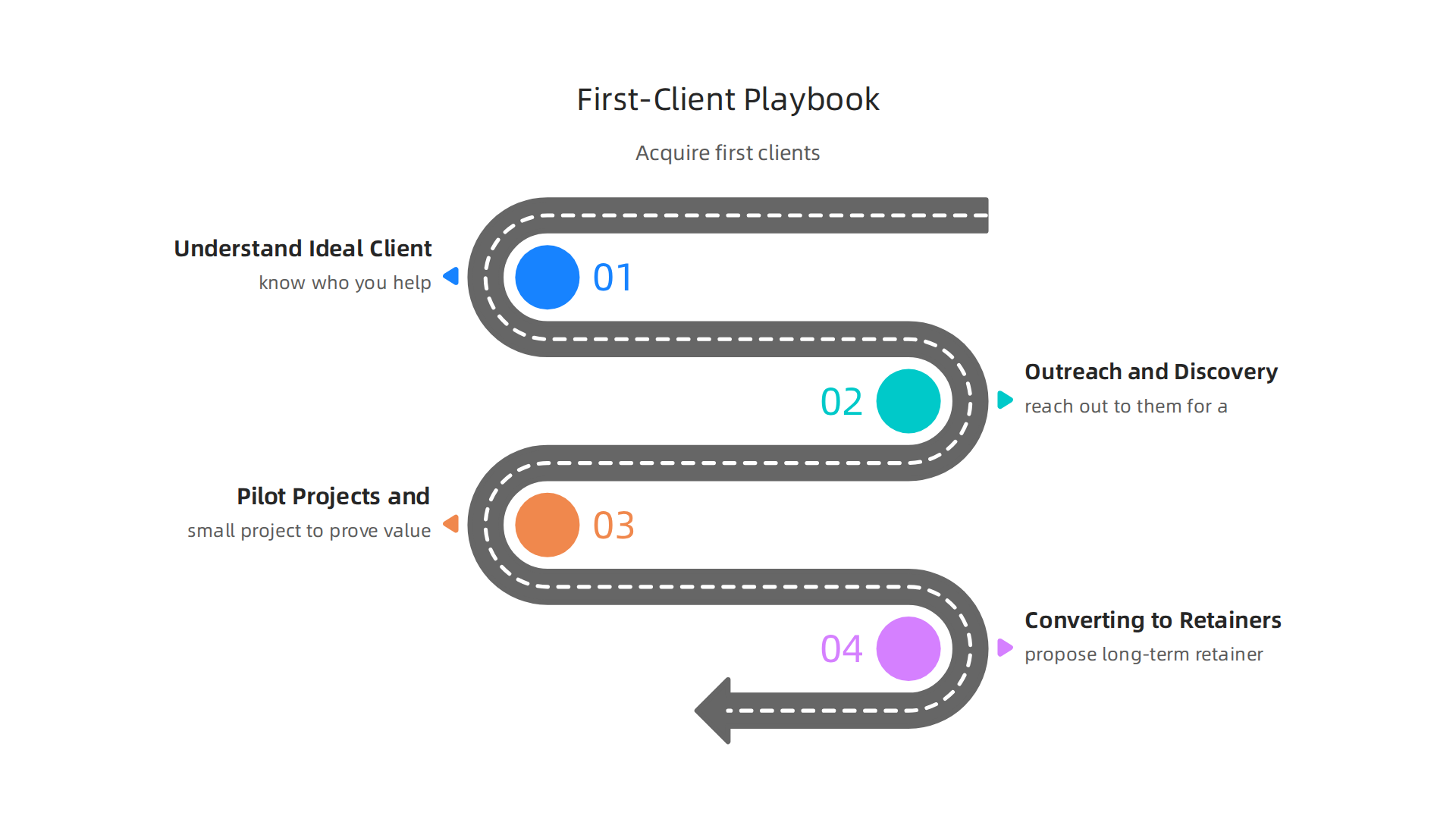
Step-by-Step First-Client Acquisition Playbook
- Understand Your Ideal Client: Before you even think about outreach, know exactly who you want to help. This means figuring out their industry, company size, what tools they use, and what problems they face. This helps you speak directly to their needs. You need to define your ideal customer profile (ICP) precisely, often by talking to potential clients first.
- Outreach and Discovery: Once you know who you’re targeting, reach out to them. This can be through emails, LinkedIn, or networking. The goal of your first contact is to set up a "discovery call." In this call, you listen more than you talk. Ask questions to truly understand their challenges and goals. This helps you see if your agency is a good fit to solve their problems.
- Pilot Projects and Proof: For your first clients, offering a pilot project can be a smart move. This is a smaller, often low-cost, short-term project that lets you show what you can do without a big commitment from the client. It’s a way to build trust and prove your value. Think of it as an "entry" offer that leads to bigger things. Agencies often use this "offer ladder" approach, starting with a diagnostic project, moving to a core build, and then to a retainer, as highlighted in insights on Productized Offers, Proof Loops, and AI Assist.
- Converting to Retainers: If your pilot project goes well, you’ve built proof of your abilities. This makes it much easier to propose a longer-term retainer agreement. Show the client the clear results from the pilot and explain how ongoing work will help them grow even more.
How to Write High-Converting Proposals and Scope of Work Documents
A winning proposal is clear, shows you understand the client’s problem, and presents your solution in an easy-to-digest way.

- Problem and Solution: Start by restating the client’s problem to show you heard them. Then, clearly explain how your services will solve that specific problem.
- Scope of Work (SOW): This is super important. Your SOW details exactly what work you will do, what the client will receive, and when it will be delivered. It sets clear boundaries and expectations for both sides. Make sure to define roles, expected results, and how success will be measured before any work begins, as suggested by advice on scaling an agency with subcontractors.
- Pricing and Timeline: Clearly state your fees, payment schedule, and the timeline for the project. Be upfront about everything.
- Call to Action: End with a clear next step, like "Let’s schedule a follow-up call to discuss this proposal."
Strategies for Early Credibility
When you’re first figuring out how to start a marketing agency, you might not have a long list of big clients. That’s okay! You can still build trust.
- Partnerships: Team up with other businesses that serve your ideal clients but offer different services. For example, a web design agency might partner with your marketing agency. This can bring in referrals and add to your credibility. Strong partnerships require clear agreements on roles and responsibilities, according to a guide on channel partnerships for agencies.
- Low-Cost Pilots and Proof-of-Concept Campaigns: As mentioned, offer smaller projects that prove your skills. Even if they don’t bring in a lot of money at first, successful pilot projects give you case studies and testimonials. These are like gold for your marketing portfolio examples.
- Show Your Work: Create a strong portfolio or case studies that highlight the results you achieved, even from those early projects. Share what you learned and how you made a difference.
By carefully planning your outreach, crafting clear proposals, and building credibility from day one, you’ll be well on your way to getting those crucial first clients for your new marketing agency. To further refine your approach and stay ahead in the fast-paced marketing world of 2026, consider how new technologies like AI are shaping the industry.
To get clear daily AI updates that can help you with your marketing strategies, be sure to subscribe to The AI Newsletter Worth Reading. Staying informed about the latest trends is key to successfully growing your agency.
To really build trust and win new clients when you’re figuring out how to start a marketing agency, a strong portfolio and impactful case studies are key. These show off your skills and the great results you can get.
How to Build a Portfolio and Case Studies That Win Clients
Your portfolio and case studies are like your agency’s storybook. They tell potential clients what you do and how well you do it. To make them powerful, focus on a clear story:
- Problem: Start by clearly explaining the problem your client faced before they hired you. Use specific details to make it real.
- Solution: Describe what you did to solve that problem. Talk about your strategy and the steps you took.
- Results: This is the most important part! Show the measurable outcomes. Did you increase sales? Boost website traffic? Get more social media engagement? Use numbers to prove your success. A common way to structure these is the "Problem → Process → Results" formula, which helps showcase your work effectively, as discussed in a Guide to Portfolio Case Studies. Some experts also suggest the STAR Framework (Situation, Task, Action, Result) for clear, focused stories in agency case studies, which can help win new business in 2026, according to insights on How to Write Agency Case Studies That Win New Business (2026…).
Always include visuals of your work, like screenshots, ad creatives, or before-and-after comparisons. Think about what makes a good advertisement and highlight your best winning creative ads digital campaign strategies 2026.
Playing by the Rules: Ethics and Client Permission
It’s super important to be honest and get permission. Before you share any client work in your public portfolio, you must ask your client for their written approval. This protects both you and them. Don’t share confidential information or specific numbers without their clear okay.
When you’re showing off your work, make sure you clearly state your role in the project. Always be upfront about whether the work was a real client project or a different type of project.
No Clients Yet? No Problem!
If you’re just starting out and don’t have client work, don’t worry! You can still build a great portfolio.
- Spec Projects: Create "speculative" projects for brands you admire. Pick a problem a company might have and show how your agency would solve it. Just make sure you clearly label it as a "spec project" or "concept work." It’s ethical to show concept work as long as you make it clear it’s not a real client project, as explained in discussions about presenting concept work.
- Mock Projects: Some people create mock projects based on public job posts or briefs. This lets you practice your skills and build a portfolio without a real client, similar to advice on how signing an NDA shouldn’t stop you from building your portfolio by using mock projects.
- Partnerships: Remember how we talked about partnerships earlier? Working with another agency or business for a small project can give you something solid to showcase.
- Practice and Learn: Take some free digital marketing courses or look for social media marketing internships to gain hands-on experience and create projects you can add to your portfolio.
By thoughtfully building your portfolio and case studies, you’ll demonstrate your value and quickly attract the right clients, making your marketing agency a success.
After you’ve built a strong portfolio, the next step in learning how to start a marketing agency is getting your toolkit ready. Having the right tools and knowing how to use new technologies like AI will make your agency run smoothly and keep your clients happy.
Tools, Tech Stack and AI Enablement for Efficiency
Running a marketing agency means you’ll need some key digital tools. Think of these as the backbone of your business. They help you keep track of tasks, talk to clients, send bills, and understand how your campaigns are doing.
Your Essential Marketing Technology (Martech) Stack
Every good marketing agency in 2026 uses a mix of tools. Here are some you’ll need:
- Project Management: These tools help you organize tasks, set deadlines, and work with your team. Programs like Asana or Trello are popular choices. They make sure everyone knows what to do and when to do it.
- Customer Relationship Management (CRM): A CRM system helps you manage all your client contacts and sales leads. It keeps track of conversations, proposals, and project details. Tools like HubSpot or Salesforce are often used, and choosing the right lead management software for marketing agencies in 2026 can make a big difference. These are important for your go-to-market strategy in 2026.
- Billing and Accounting: You’ll need software to create invoices, track payments, and manage your money. QuickBooks or FreshBooks are common tools that help you handle the financial side of your agency.
- Analytics and Reporting: These tools help you see how well your marketing efforts are working. Google Analytics is a must for website traffic, and other platforms can show you social media performance or ad results. Using analytic marketing helps you make smarter choices.
- Creative Tooling: For making great visuals and ads, you’ll need creative software. Think of tools like Canva for quick designs or Adobe Creative Suite for more advanced work.
Having a good set of digital marketing software helps you grow. Plus, a skilled marketing project manager can help manage all these tools and processes.
Using AI Tools for Smarter Work
Artificial Intelligence (AI) is changing how marketing agencies work in 2026. AI tools can help you be more efficient in many ways:
- Content Creation: AI can help you write social media posts, blog ideas, or ad copy. Tools like ChatGPT or Jasper are popular for drafting content quickly. These are some of the best AI tools for marketers in 2026.
- Media Buying: AI can help you figure out the best places to put your ads and how much to spend. It can also help with creating better ad visuals. For example, some AI tools like Claude Design can help with creative visual work, as noted in a Marketing AI Pulse Brief from April 2026. AI also helps with media planning and optimizing campaigns, as mentioned in Top 2026 Martech Tools & Trends to Watch.
- Reporting: AI can quickly sort through lots of data and create easy-to-understand reports. This saves time and helps you show clients their results faster. This is also key for performance marketing in 2026.
AI is now a core part of many marketing technology setups, helping agencies with tasks like creating content, managing campaigns, and analyzing data, as discussed in a guide to emerging AI tools for your martech stack in 2026.
If you’re eager to stay on top of the latest in AI and tech for your marketing efforts, check out The AI Newsletter Worth Reading.
Keeping AI Work Safe and Sound (Governance)
While AI is powerful, you need to use it wisely. This means:
- Data Privacy: Always make sure any client data you use with AI tools is kept private and safe. Follow all the rules about protecting information.
- Model Outputs and Quality Control: AI can sometimes make mistakes or create content that doesn’t sound quite right. Always review what the AI produces. Make sure it matches your client’s brand voice and is accurate. Human checking is still very important for quality!
- Transparency: Be clear with your clients about when and how you use AI in their projects. Honesty builds trust.
Learning to use AI tools well and safely is a big part of how to start a marketing agency successfully in 2026. It will make your agency more competitive and efficient. Thinking about how to use AI strategically can really help, and a digital marketing strategy consultant can provide guidance.
Using AI tools wisely and safely will make your marketing agency more competitive and efficient as you learn how to start a marketing agency. Once your tools are ready, the next big step is figuring out how to grow your team and business over time. This is called scaling.
Scaling: Hiring, Partnerships and Predictable Growth
Scaling your agency means making it bigger and better without losing quality. It involves smart choices about who works for you, who you work with, and how you measure your success.
Building Your Team: Employees or Subcontractors?
When your agency gets busy, you’ll need more hands to help. You have two main options: hire employees or work with subcontractors (freelancers).
- Employees: These are people who work for your agency full-time or part-time. They are part of your core team and know your business inside and out. Hiring employees can build a strong team culture and make sure work is consistent. However, it costs more in terms of salary, benefits, and training.
- Subcontractors: These are independent workers you hire for specific tasks or projects. They can be great for handling extra work when you’re super busy or for special skills you don’t need all the time. Using subcontractors can be flexible and save money on overhead costs. But, it’s very important to set clear rules for how you work with them. You should define their roles and expectations clearly before they start, as good practice for scaling an agency with subcontractors.
Think about what kind of roles you need. Do you need someone full-time to manage social media, or can you get a freelancer for specific campaigns? Many agencies start with freelancers and hire employees as their client list grows. You might even offer social media marketing internships to find new talent.
Growing with Partnerships
Another way to grow is by working with other businesses. These are called partnerships. They can help you reach new clients or offer more services without having to hire more people right away.
- Channel Partners: These partners help sell your services to their own clients. For example, a web design company might recommend your marketing agency to their clients who need help with ads. Setting up clear rules for how you work together is key for channel partnerships for agencies.
- Referral Partners: These partners simply send clients your way, and you might send clients to them. There’s usually a small fee or percentage involved for each successful referral.
- Technology Partners: If your agency uses special software or tools, you might partner with those companies. They might promote your agency to their users, and you might promote their tools to your clients.
Measuring Success: KPIs for Predictable Growth
To grow your agency in a smart way, you need to know what’s working and what’s not. This is where Key Performance Indicators (KPIs) come in. KPIs are numbers that show you how well your agency and your client campaigns are doing.
Some important KPIs to track include:
- Client Retention Rate: How many clients stay with you over time? Keeping clients happy is cheaper than finding new ones.
- Revenue Growth: How much money is your agency making, and is it increasing?
- Project Profitability: Are your projects making a good amount of money, or are they costing too much?
- Lead Conversion Rate: How many of your potential clients turn into actual clients?
By regularly checking these numbers, you can make better decisions. You’ll see patterns and understand what makes clients happy and what drives your agency’s growth. This kind of reporting also helps you create impressive marketing portfolio examples by showing clear results. Focusing on growth marketing initiatives that work in 2026 will help you reach your goals.
Summary
This guide explains why 2026 is a strong year to start a marketing agency and walks you step‑by‑step from strategy to scale. It covers choosing a profitable niche and unique value proposition, packaging services (project, retainer, performance or value pricing), and practical business setup like legal structure, banking, contracts and bookkeeping. You’ll get a clear first‑client playbook — outreach, discovery, pilot projects and converting to retainers — plus how to write high‑converting proposals and statements of work. The article also shows how to build winning portfolios and case studies (including options when you have no clients), the essential martech stack and safe, governed AI use, and the hiring, partnership and KPI frameworks needed to scale profitably. After reading, you’ll have a prioritized checklist and the core templates of decisions to launch, price, win clients, and grow a modern agency.