
How Brand Strategy Services Drive Media and Publishing Success in 2026
Why brand strategy services matter now for media and publishing
The world of media and publishing is changing very fast in 2026. Think about all the new places where people get their news and stories, like different apps and online channels. Artificial Intelligence, or AI, is also changing how content is made and shared. And the ways businesses make money are shifting too. It’s a busy and sometimes confusing time for everyone in media, from big company leaders to people who create content online.
This rapid change means there’s a lot of uncertainty. It can be hard to know which path to take for your business or project.

Many industry experts are keeping a close eye on these shifts. For instance, the digital marketing market alone is expected to reach a massive $1.25 trillion in 2026, showing just how big and complex the online world has become for earning money and reaching people.
This huge growth brings both chances and challenges Digital Marketing Market 2026: The Complete Industry Analysis.
This is where brand strategy services become super important. When you have a clear brand strategy, it helps you understand who you are, what you stand for, and who you are trying to reach. This clarity helps you make smart choices, even when everything around you is changing quickly. It’s like having a strong compass to guide your ship through a storm. A good brand strategy helps you cut through the noise and lowers the risk of making bad business decisions. Having a strong brand builds trust with your audience and can help you earn more money from ads corporate branding services that win audience trust and ad revenue in 2026.
We’re going to show you a simple, step-by-step way to use brand strategy in your business plans. This will help media executives and creators like you stay strong and grow, no matter what new changes come next.
Get clear daily AI updates from The AI Newsletter Worth Reading.
The first important step in creating a strong brand strategy is to really look closely at what’s happening now. We call this the ‘diagnose’ stage. It’s like a doctor figuring out what’s going on before giving medicine. This step helps you understand your audience, how you make money, and any missing pieces in your brand.
Understanding Your Audience and How You Make Money
To build strong brand strategy services, you first need to know who you are talking to. Think about your audience like a group of different friends. Each friend has different interests, needs, and ways they like to get information.
It’s important to map out these different groups, or "audience segments." For each group, ask yourself:
- Who are they? (Age, interests, what they do)
- What problems do they have that your content or brand can solve?
- Where do they spend their time online?
Once you know your audience segments, you can look at how you make money from them. These are your "revenue streams." For media and publishing businesses, common ways to earn money include:
- Advertising: Showing ads to your audience. The more people who see your content, the more money you can make from ads.
- Subscriptions: Asking people to pay a regular fee to get special content or access.
- Commerce: Selling products or services directly to your audience. This could be merchandise, digital products, or special events.
- Licensing: Allowing other companies to use your content or brand for a fee.
Knowing your audience deeply helps you match them to these different ways of earning money. For example, if you have an audience segment that loves deep, expert-level content, they might be willing to pay for a subscription. If another segment enjoys quick, entertaining videos, they might be more suited for advertising-supported content. In 2026, understanding audience segmentation and targeting is key to effective marketing, as highlighted in [PDF] The 2026 Marketing Data Report. This kind of focus is part of a good 1 page marketing plan that keeps things clear and simple.

It’s also important to think about new ways you could make money. Are there other products or services your audience might want? This thinking is part of developing smart marketing strategies for small business and bigger companies alike.
Finding Your Brand Gaps
After you understand your audience and money-making methods, the next step is to find your "brand gaps." These are the weak spots or missing pieces that can stop your brand from growing and earning more. Common brand gaps that often cause problems for media companies include:
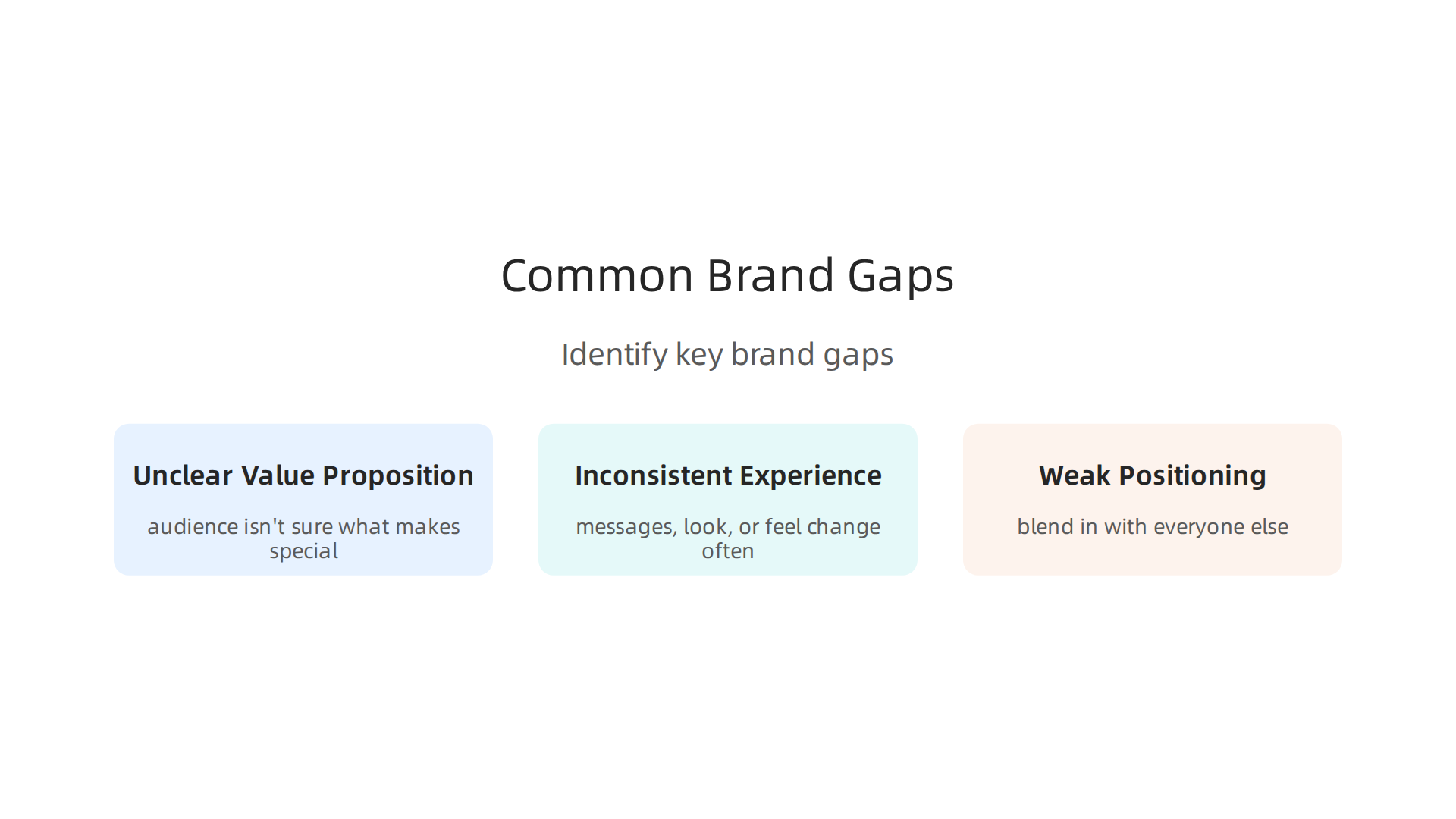
- Unclear Value Proposition: This means your audience isn’t sure what makes your brand special or why they should choose you over others. What unique benefit do you offer? If this isn’t clear, people might not see the value in your content or product.
- Inconsistent Experience: Imagine if a TV show you love suddenly changed its style or characters every week. It would be confusing, right? The same goes for your brand. If your messages, look, or feel change often, it can make your audience feel unsure and less trusting. Consistency across all your platforms is crucial.
- Weak Positioning: This is about where your brand fits in the big picture. Are you known as the best for news, entertainment, or helpful guides? If your position is weak, your brand might just blend in with everyone else instead of standing out. Having strong positioning means people know exactly what to expect from you.
Finding these gaps is a big part of the diagnose stage. It helps you see where your brand strategy services need the most work. Knowing these areas allows you to then plan how to fix them and make your brand stronger. This is a core part of developing an effective marketing definition for your company. Understanding these weaknesses will guide you to better digital marketing platforms in 2026 how to navigate the new media landscape and ensure your efforts are well-placed.
After finding your brand’s weak spots, the next big step is to clearly say what your brand promises and where it fits in the market. This is the "define" stage. It’s like deciding what kind of superhero your brand will be and what special powers it offers.
Core Brand Promise for Modern Audiences
Your brand promise is a simple, clear statement about what customers can expect from you every single time. It tells them the unique benefit you give them. It’s why they should pick you. To create a strong brand promise, think about these questions:
- What unique problem do you solve for your audience?
- What special feeling or result do you offer that others don’t?
- How do you do things differently or better?
Let’s use a simple template to build your brand promise:
"We help (your audience) by (what you do) so they can (the main benefit or feeling they get)."
For example, if you run a cooking blog, your promise might be: "We help busy parents by giving them quick, healthy meal ideas so they can feed their families well without stress." This promise should be unique and something you can actually deliver. Crafting this promise is a core part of developing excellent corporate branding services that win audience trust and ad revenue in 2026.
Positioning Your Brand in the AI Era
Once you have your brand promise, you need to decide how to position your brand. Positioning is about finding a special place in your audience’s mind. It’s about being known for something specific. In 2026, with so much content out there and AI changing how we find things, strong positioning is more important than ever.
Modern audiences expect content that is:
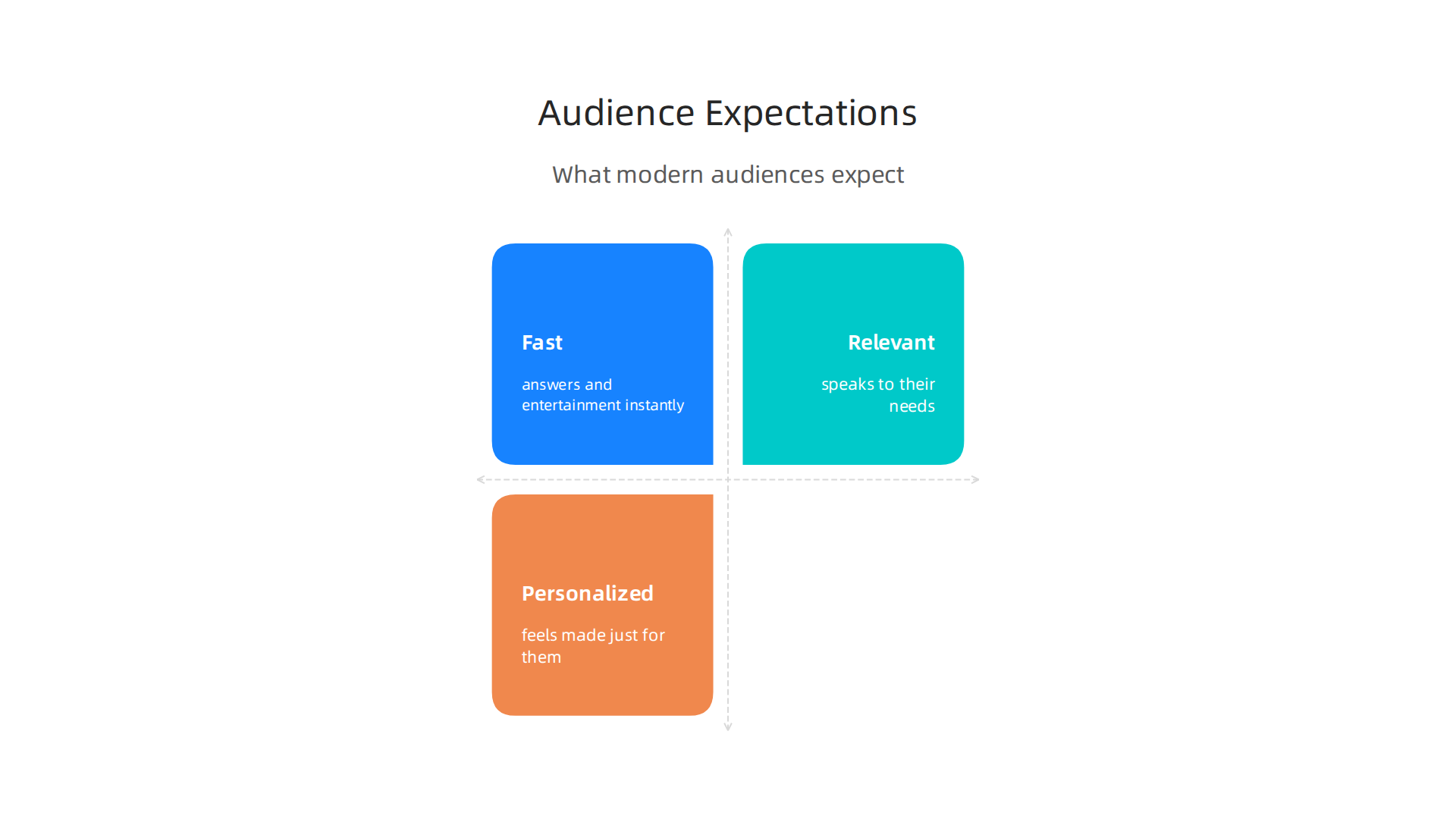
- Fast: They want answers and entertainment right away.
- Relevant: They want content that speaks directly to their needs and interests.
- Personalized: They like feeling like the content was made just for them.
The challenge is to give them this speed and personalization without making them feel like your brand isn’t real or trustworthy. People still want to connect with real humans and reliable sources. The 2026 State of Marketing Report shows how important brand point of view is for trust and growth, even with AI tools. According to Google’s experts, 2026 will see major shifts in AI, customer behaviors, and creative participation, making it vital for brands to adjust their strategies to stay ahead, as highlighted in Top digital marketing trends and predictions for 2026. This means your brand’s voice and values must shine through, even when using new technologies.
A good brand strategy helps you use AI to get content to the right people faster, but it also makes sure your core message stays true to your promise. It’s about building trust through every interaction. For those seeking deeper insights into how AI is shaping media and marketing, there’s a helpful resource available. Get clear daily AI updates from The AI Newsletter Worth Reading. This blend of technology and trust is key to modern marketing, which is often detailed in a strong marketing definition.
After defining your brand’s special promise and how it stands out, the next step is to make a real plan. This means taking all those big ideas and turning them into clear actions for your business. Think of it like drawing a map for the next year. This map, or business plan, helps you know exactly what to do to reach your goals. It’s especially helpful for [marketing strategies for small business] looking to grow.
Turning Brand Choices into a 12-Month Business Plan
A good business plan for your brand acts like a guide. It makes sure every step you take helps you deliver on your brand promise. Many businesses find that a simple [1 page marketing plan] can be very effective, keeping things focused and easy to follow. To get started, you need to tie your brand goals to things you can actually measure.
Here’s a checklist to help you connect your brand’s priorities to clear business goals:
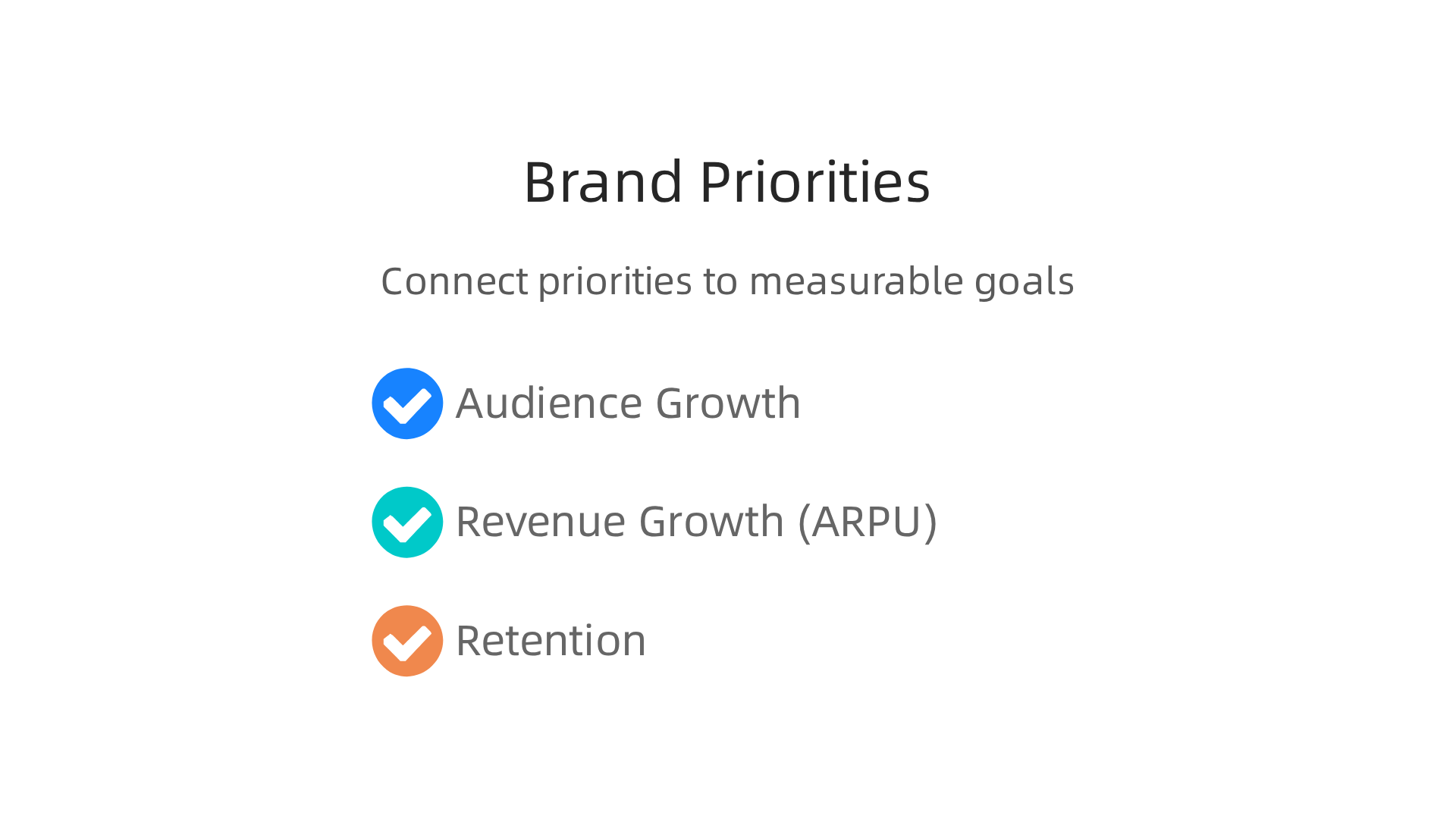
- Audience Growth: How will you get more people to know about and use your brand? This could mean getting more followers, website visitors, or email sign-ups. Set a clear number you want to reach.
- Revenue Growth (ARPU): ARPU stands for Average Revenue Per User. How will you make more money from each person who uses your product or service? This could involve getting more ad revenue, selling more products, or encouraging subscriptions.
- Retention: How will you keep your current audience happy and coming back? This might mean making your content better, offering great customer service, or creating special programs for loyal users.
Your brand strategy services should help you plan how to hit these numbers. For example, if your brand promises "stress-free cooking," your plan might include creating 50 new easy recipes (content), making a user-friendly app (product), and sending a weekly newsletter with meal plans (retention). A useful marketing roadmap can help you align your goals and track your progress throughout the year, as shown in this Marketing roadmap template: build your 2026 strategy in minutes.
How to Invest Smartly in 2026
When you have your goals, you need to decide where to put your time and money. This is about sequencing your investments. You can’t do everything at once, especially with limited resources. A smart plan helps you decide what to focus on first to get the best results.
Think about these areas:
- Product: Are there new features or types of content your audience needs? Like a new tool on your website or a different video series.
- Content: What kind of stories, videos, or articles will you create? How often? This is where your brand voice really shines. Understanding your Marketing Mix Strategy in 2026: How the 4 Ps Drive Real Media Growth can guide your content decisions.
- Data and AI: How can you use smart tools to learn more about your audience or make your work easier? This could be using AI to suggest content ideas or to help you see what your audience likes best.
- Partnerships: Are there other brands or people you can work with to reach new audiences? This can be a very powerful way to grow without spending a lot of money.
By planning these investments carefully, you make sure that every dollar and every hour helps you achieve your overall brand and business goals for 2026. If you’re looking for a guide to create a solid plan, there are resources like Your 2026 Strategic Marketing Plan Template for Sustainable Growth that can help you map out your strategy.
When you’ve figured out where to put your time and money, the next big step is making sure everything you create truly shows off your brand. This means thinking about your products and experiences. Your products are not just what you sell, but also things like your newsletters, podcasts, or short videos. All of these need to feel like they come from your brand. It’s how you keep your brand promise alive for your audience.
Designing Brand-Consistent Products and Formats
Imagine your brand has a special look and feel. Every new thing you put out, from a simple email to a fun podcast, should match that feeling. This is super important for brand strategy services.

If your brand promises to be helpful and friendly, then your newsletter shouldn’t be dry and formal. Each piece of content or new product is a chance to strengthen what people think of your brand.
Here are some simple rules to help keep your brand strong across everything you do:
- Know Your Brand’s Heart: What are the main feelings and ideas your brand stands for? Write them down and always check back with them.
- Look and Sound the Same: Use similar colors, fonts, and ways of talking across all your content. This helps people know it’s you, no matter where they see your brand.
- Quality Matters: Make sure everything you create is good quality. This shows you care about your audience and what you offer.
- User Experience: Think about how people use your products. Is it easy? Is it enjoyable? A good experience makes your brand more lovable.
A strong approach to 2026 Brand Governance: Framework & How to Implement It At Scale can help businesses of all sizes, especially marketing strategies for small business, make sure all parts of their brand work together.
Trying New Things While Staying True to Your Brand
It’s 2026, and new tools like AI are changing how we create content and reach people. It’s exciting to try new formats or distribution channels, but you need to do it wisely. How do you experiment with AI-driven videos or new social media platforms without losing what makes your brand special?
The trick is to find a balance. You want to try new things that can help you grow, but not at the cost of confusing your audience. For example, if you use AI to write parts of your newsletter, make sure it still sounds like you. The voice and values of your brand must shine through, even when new technology helps create the content. This thoughtful approach is key to developing strong corporate branding services that win audience trust.
When using AI, ask yourself:
- Does this new way of doing things fit with my brand’s core message?
- Will my audience still recognize my brand?
- Am I using AI to make things better, or just because it’s new?
By being careful and clear about your brand’s rules, you can use new tools to explore and grow without losing your way. It helps your brand stay fresh and interesting while keeping its true identity.
As you explore how AI can shape your brand’s future, staying informed is critical. Get clear daily AI updates to help you navigate this exciting space. Check out The AI Newsletter Worth Reading for insightful, timely information.
Now that you’ve worked hard to make sure your brand looks and feels consistent, the next big step is to know if all that effort is actually working. How do you measure if your brand is getting stronger and bringing in more money? This is where understanding your Key Performance Indicators, or KPIs, comes in handy. It’s about connecting how healthy your brand is to the actual money it helps you make. Good brand strategy services always include a clear plan for tracking success.
Measurement: KPIs that connect brand health to revenue outcomes
Measuring your brand’s health means looking at different numbers that tell you how well you’re doing. It’s like having a report card for your brand. In 2026, smart businesses use a mix of these numbers to see the full picture. Here’s a simple way to think about what to track:
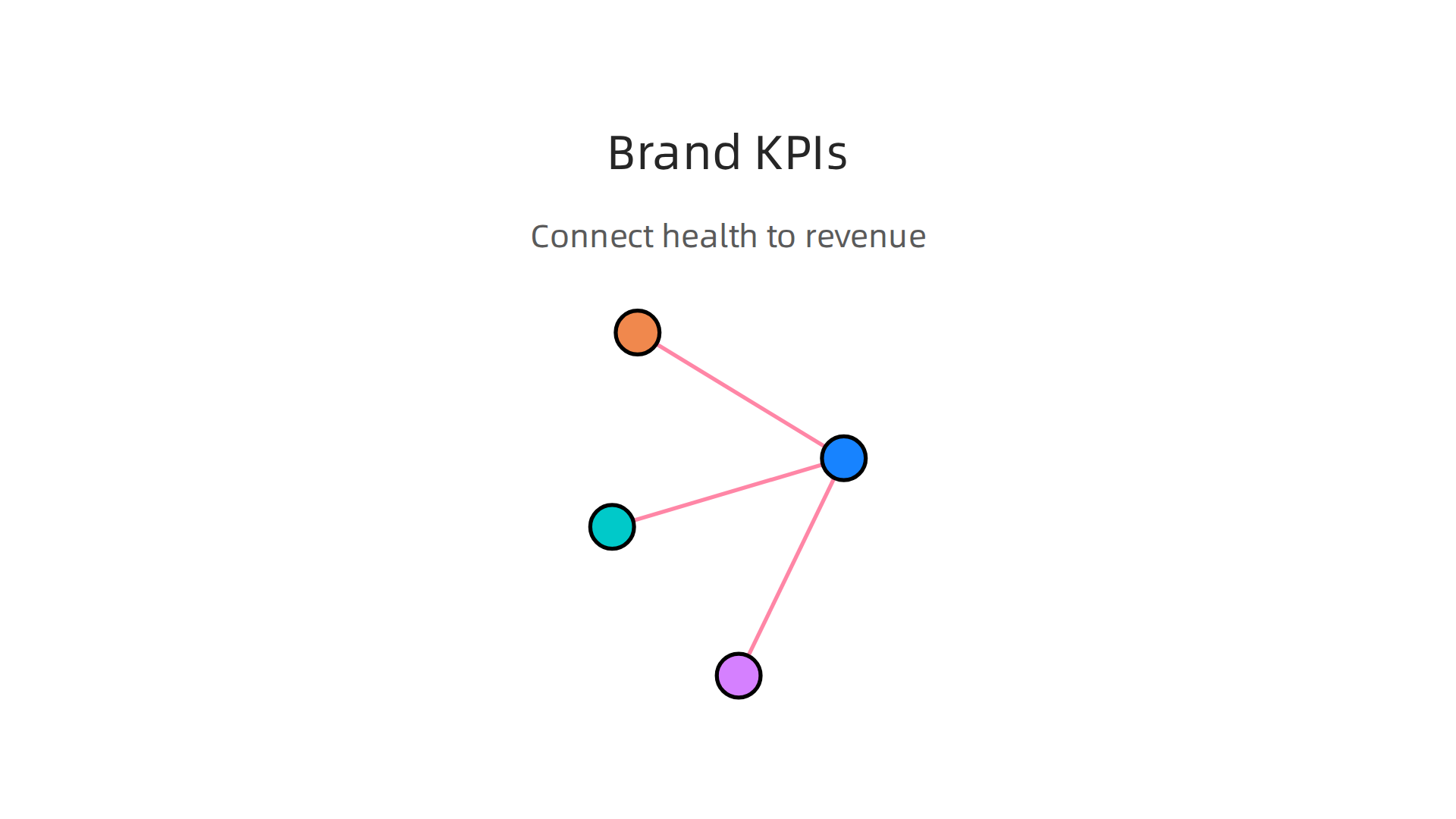
- Brand Awareness: This shows how many people know about your brand. Are more people talking about you? Are they searching for your name online? Higher awareness means more people might consider your products or services.
- Engagement Quality: This is about how people interact with your brand. Are they just clicking, or are they really spending time with your content? Are they sharing it with friends? Good engagement means people like what you offer.
- Retention: How many customers stick around? Do they come back to buy again, or use your services repeatedly? Keeping customers is often cheaper than finding new ones.
- Lifetime Value: This number tells you how much money a customer brings in over all the time they do business with you. When customers stay longer and buy more, your business grows.
By tracking these KPIs, you can see if your marketing strategies for small business are truly helping. Many experts agree that keeping an eye on your marketing KPIs is very important in 2026 to make smart choices for your business. You can find more details on important numbers to track in this list of Top Marketing KPIs Your Team Needs To Track in 2026.
How AI Changes What We Measure
Things get a little trickier when AI comes into play. As you use AI to make content more personal for your audience, how people engage might change. For example, AI might show someone exactly what they want to see, making it seem like they are very interested. But is that a true, deep interest, or just a quick response to something perfectly placed by an algorithm?
This means we need to look closer at our engagement signals. Instead of just counting clicks, we might need to think about:
- Depth of Interaction: Are people just skimming, or are they truly reading, watching, or listening all the way through?
- Follow-Up Actions: Do they not just click, but then sign up for something, or visit another page, or tell a friend? These actions show deeper interest.
- Direct Feedback: Are people giving honest reviews or comments, even if AI helped create the first interaction?
Using AI means our marketing definition of success needs to be smarter. We can’t just rely on old ways of counting. We need to measure how AI impacts real human connection and long-term customer loyalty. Tools are getting better at helping businesses understand these changes. Actually, a lot of new strategies are emerging for The Future of Strategic Measurement: Enhancing KPIs With AI to help measure these things better.
By making sure you have a clear 1 page marketing plan for your KPIs, you can use these numbers to make better choices. This helps you understand if your brand is not just looking good, but also doing good for your business’s bottom line.
After knowing how well your brand is doing, the next big step is making sure your team can act fast to keep it strong. This means organizing your team and setting up clear ways of working. Good brand strategy services help businesses put these structures in place.
How Teams Are Set Up
There are two main ways companies often organize their brand efforts:
- One Main Team: Some businesses have a central team that handles all brand decisions. This can make sure everything looks and sounds the same. But sometimes, it can slow things down, especially when you need to make quick changes.
- Brand Helpers Everywhere: Other companies spread out the job. They train people in different departments to be "brand helpers." These helpers make sure their own teams follow the brand rules. This way, things can move faster because decisions happen closer to the work.
No matter how you set up your team, it’s super important for everyone to know who makes which choices. When people know what they can decide on their own, it helps the business move much faster. This kind of clear thinking is key to any strong marketing strategies for small business.
Rules for Safe and Smart Brand Work
Even when you want to be fast, you need good rules and processes. This helps keep your brand safe and trusted.
- Test and Learn: Being agile means you can try new ideas quickly. It’s like doing small tests to see what works best with your audience, then using what you learn to do better next time.
- Brand Rules: Having clear guidelines for your brand is called brand governance. It makes sure that everyone knows how to use your logo, colors, and message. This helps your brand stay strong and consistent across all your work. You can learn more about building a solid plan in a 2026 guide on Brand Governance: Framework & How to Implement It At Scale.
- Using AI Safely: In 2026, a big part of brand governance is about how you use Artificial Intelligence, or AI. AI can help a lot with making content or talking to customers. But it’s very important to use AI in a way that people trust. This means having clear rules for AI use, which is called AI governance. It helps make sure AI tools work well for your brand and don’t accidentally cause problems. Experts say that AI Governance for Brands and Agencies is very important for keeping your brand’s good name. To help you stay on top of all the fast changes with AI, especially in media, you can get clear daily AI updates from The AI Newsletter Worth Reading.
When your teams are well-organized and you have clear rules for how you work, especially with new tools like AI, your brand can grow in a smart and trusted way. This makes sure your efforts truly help your business.
When your teams are well-organized and you have clear rules for how you work, especially with new tools like AI, your brand can grow in a smart and trusted way. This makes sure your efforts truly help your business. But what else can help a brand grow even more? Looking outwards to find good partners and new ways to make money is key.
Partnerships, monetization experiments, and scaling brand impact
Thinking about who you work with is a big deal for your brand. You need to pick partners carefully.

These partners could be other companies, special platforms, or places that help share your message. When you look at new partners, always think "brand first." Does this partner fit what your brand stands for? Will working with them make your brand stronger or weaker? Many businesses find that working with a strategic partner agency helps a lot with these decisions, as discussed in the 4As Look Ahead 2026: Agency as Strategic Partner report. Good brand strategy services can guide you through choosing the best fits.
Next, you’ll want to try new ways to make money, called monetization experiments. This is where you test small ideas to see what works without risking your whole brand. For example, you might try a new type of ad or a different way to sell a product. The trick is to do these tests in a smart way. You need a plan to see if they help your brand and make money, all while keeping your brand’s good name safe. Many publishers are thinking like marketers to succeed in 2026 by focusing on monetization metrics, as shared in an article about Why Publishers Must Start Thinking Like Marketers in 2026.
When an experiment works well, you’ll want to make it bigger. This is called scaling. You might take a small success and offer it to more people or in more places. As you scale, always remember to protect your brand’s special qualities. You don’t want to lose what makes your brand unique just to make more money. This careful balance is a big part of effective marketing strategies for small business.
AI tools are also helping companies find new ways to make money and scale their brands. They can help you understand what customers want and how to offer it in the best way. For example, systems like VantagePoint™ help publishers understand and monetize their influence beyond simple clicks, as detailed in an article about how Partnerize Brings VantagePoint™ to Publishers to Quantify and Monetize Influence Beyond the Click. This focus on thoughtful monetization is a key part of modern marketing definition. If you want to explore more ways to make money through partnerships, learn about the Best Affiliate Marketing Programs for Media Companies in 2026.
Summary
This article explains why brand strategy services are essential for media and publishing in 2026 and gives a practical, step‑by‑step approach you can use. It walks through a diagnose stage—mapping audience segments and revenue streams—then shows how to find brand gaps, craft a clear brand promise, and position your brand in an AI‑driven landscape. The guide turns strategy into action with a 12‑month business plan, investment priorities (product, content, data/AI, partnerships), and rules for safe experimentation. You’ll also learn how to design brand‑consistent products and formats, measure brand health with KPIs tied to revenue, and set team structures and governance that balance speed with trust. Finally, it covers monetization tests, partner selection, and how to scale winners without diluting your brand.