
Accelerate Business Growth with a Digital Marketing Consultant
Why hiring a digital marketing consultant can be the fastest path to growth
In 2026, the world of business moves faster than ever before. It’s tough for companies to keep up with all the new social media apps, clever computer programs like AI, and how quickly people’s interests change. You might be trying hard to make your company stand out online, perhaps with things like Instagram marketing services or building a strong digital marketing funnel, but still feel like you’re falling behind. It’s a common problem for many teams today.
Think about it: new ways to reach customers pop up all the time. Learning these new ways and making them work for your business takes a lot of time and special skills. Sometimes, you just don’t have enough people or enough hours in the day to handle it all. Plus, AI is changing how we do almost everything in business, including marketing. It’s making consultants even better at what they do, helping them get new ideas and plans that were not possible before, and some even say AI will change how consulting works entirely in the coming years Harnessing AI in Consulting.
This is where a good digital marketing consultant comes in. They offer a simple way to speed up your growth.

A consultant brings special knowledge, quick thinking, and a fresh look at your business from the outside. They are experts who know all about the newest trends and tools in digital marketing. They can help you understand how to use new things like AI agents to automate tasks and analyze data, helping your business run smoother and smarter AI Agents: What They Are and Their Business Impact.
By bringing in a digital marketing consultant, you get someone who can quickly find what’s working and what’s not in your current marketing plans. They can help you make a smart plan that saves you time and money. This outside view can unlock new ways to grow your audience and sales that you might not have seen from the inside. They can even help you explore important topics like your marketing mix strategy in 2026 to make sure all parts of your marketing work well together.
Want to stay ahead of the curve with insights on AI and how it’s shaping the media landscape?
Get clear daily AI updates from The AI Newsletter Worth Reading.
When you bring in a digital marketing consultant, you’re not just getting advice; you’re getting a helpful partner who does many different things to boost your business online.

Think of them as a special guide who knows all the best paths in the big digital world.
Here are some of the main jobs a good digital marketing consultant takes on, and what you can expect them to deliver:
What Roles a Digital Marketing Consultant Plays
A digital marketing consultant can wear many hats, depending on what your business needs most. They often act as:
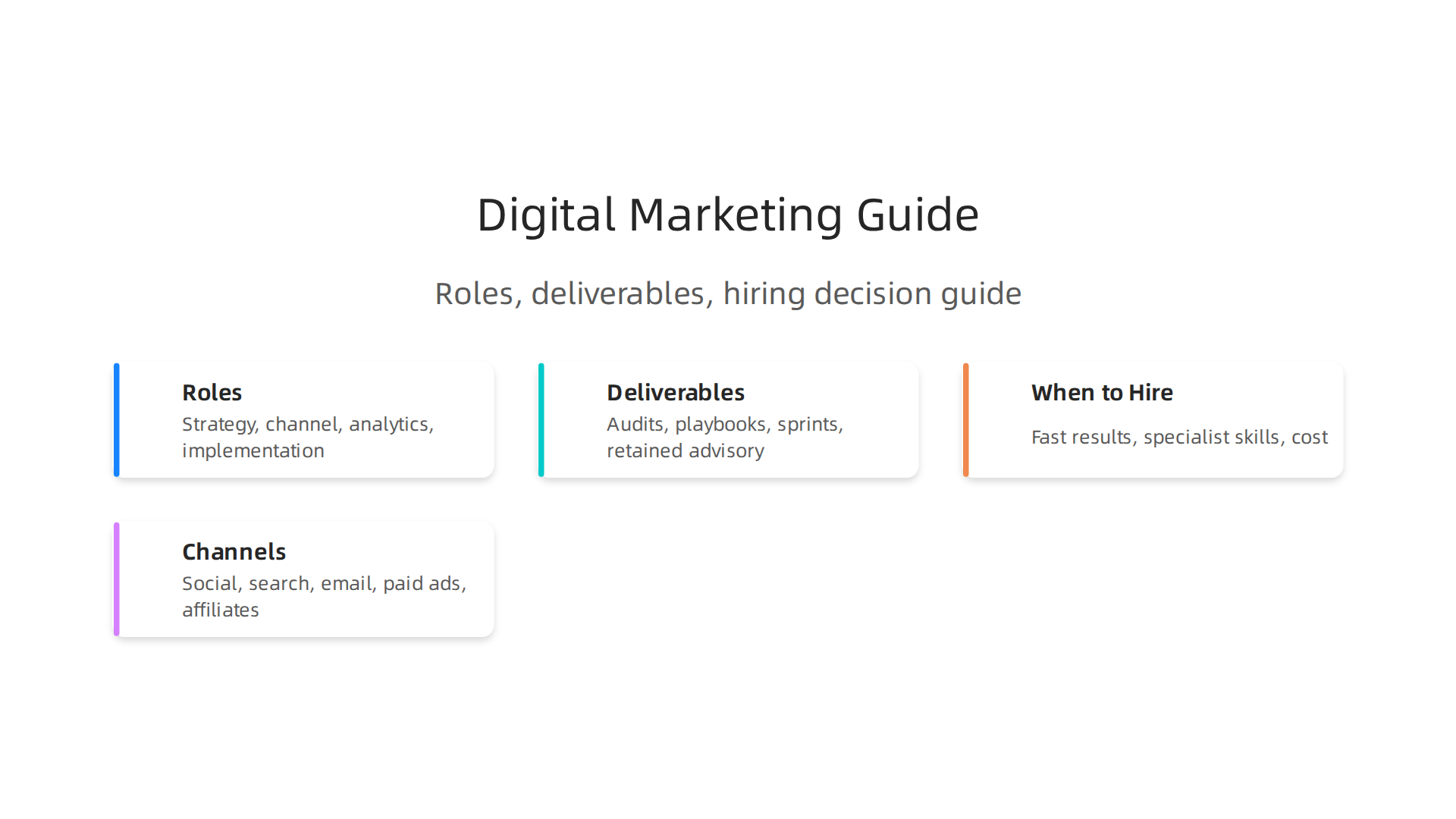
- Strategy Lead: This is like being the captain of a ship. They look at your whole business and help make a big plan for how to reach more people online. This plan makes sure all your marketing efforts, from ads to social media, work together smartly. They figure out the best ways for your business to grow and stand out in 2026 What a digital marketing consultant does.
- Channel Specialist: These consultants know a lot about specific online places. For example, some are experts in how to get more sales through social media, like with great Instagram marketing services. Others might be wizards at making sure your website shows up high in search results, or they could be masters of digital affiliate marketing to help you earn money through partnerships. They understand all the different digital marketing platforms in 2026 and how to use them best.
- Analytics and Measurement Expert: It’s super important to know if your marketing is actually working. A consultant helps you check numbers and see what’s going well and what needs to change. They look at things like how many people visit your website, how many click your ads, and where your customers are coming from. This helps you spend your money wisely.
- Implementation Partner: Sometimes, it’s not enough just to have a plan. You need help putting it into action. A consultant can work with your team to make sure the new plans for your digital marketing funnel get set up correctly and start running smoothly.
What They Actually Deliver (And How They Work)
A digital marketing consultant doesn’t just talk; they give you real tools and action plans.
- Audits: They start by looking closely at your current online marketing. This is like a health check-up for your digital presence. They tell you what’s strong and what needs fixing.
- Playbooks or Strategies: These are like instruction manuals tailored just for your business. They lay out step-by-step plans for how to do your marketing, what to post, when to post it, and how to measure success.
- Short-term Sprints: For quick wins or urgent needs, consultants can run short, focused projects. This might be launching a new ad campaign or fixing a specific problem fast.
- Retained Advisory: For ongoing support, you can have a consultant work with you regularly. They stay involved, keep an eye on your marketing, and give you advice as new trends pop up, helping your business adapt and grow over time.
A digital marketing consultant can do a lot for your business. But how do you know when it’s time to hire one versus building your own team of marketing experts inside your company? It’s a big question for many business owners in 2026, and the right answer can help your business grow without wasting money or time.

Let’s look at a simple way to decide:
When to Hire a Consultant vs. Build In-House
Thinking about whether to bring in a digital marketing consultant or grow your own team often comes down to a few key things:
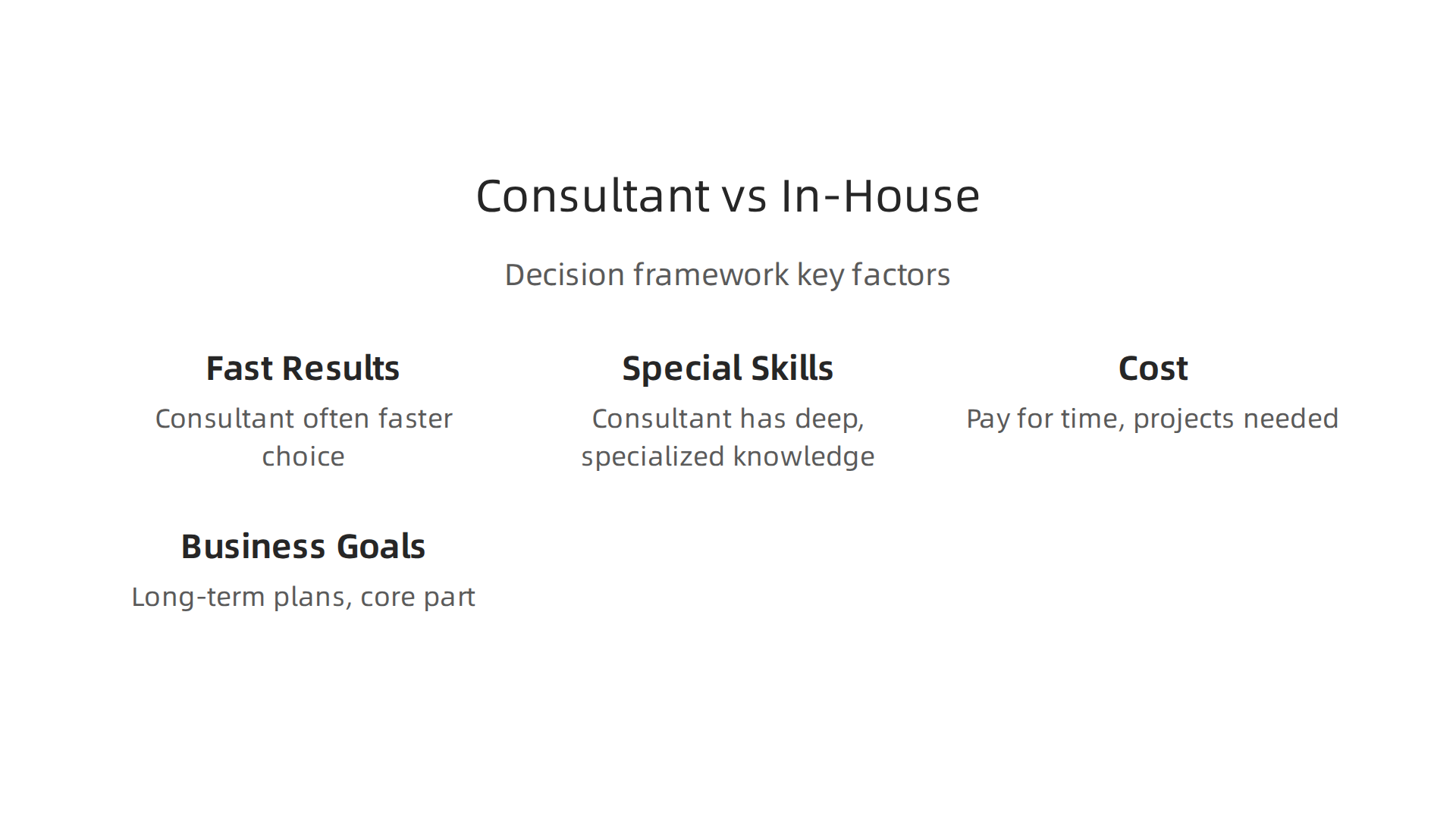
- How Fast Do You Need Results? If you need to make changes or see results quickly, a consultant is often the faster choice. They come with ready-to-go knowledge and can start working right away. Building an in-house team means hiring, training, and waiting for them to get up to speed.
- Do You Need Special Skills? Sometimes, your business needs very specific skills, like advanced techniques for creative advertising jobs in 2026 or the latest in digital affiliate marketing. A digital marketing consultant often has deep, specialized knowledge in these areas. It might be hard or take a long time to find someone with these exact skills to hire full-time.
- What About the Cost? Hiring a consultant can seem expensive at first, but you only pay for the time and projects you need. When you hire an employee, you pay a salary, benefits, and training costs. Looking at 2026 data, digital marketing salaries can vary a lot by role and experience, so comparing those ongoing costs against a consultant’s project rate is important Digital Marketing Salaries 2026 | 50+ Stats by Role & Experience ….
- What are Your Business Goals? Think about your long-term plans. Is this marketing work something you’ll need every day, forever, as a core part of your business? Or is it for a special project, like setting up a new digital marketing funnel, that has a clear start and end? For ongoing, everyday tasks, building an in-house team makes more sense. For specific, short-term needs or to kickstart a new area, a consultant is a great fit.
Thinking About Hybrid Teams and Special Projects
Many businesses find a mix works best. This is called a "hybrid model." You might have a small in-house team for your daily marketing tasks. Then, you hire a digital marketing consultant for special projects, like launching a new product, or to bring in expert advice on new trends like using AI in marketing. Consultants can even help train your current team, making them smarter and more capable over time. This way, the consultant helps you achieve quick results while also making your internal team stronger for the future.
In 2026, many businesses are finding that AI is changing how they work. Consultants are often at the forefront of these changes, helping companies use new AI tools to get better results. Actually, AI is helping consultants improve their strategies, not replace human judgment AI in Consulting: Augmenting Strategy, Not Replacing Humans. If you want to stay on top of how AI is shaping the industry, you might find it helpful to explore more.
Get clear daily AI updates from The AI Newsletter Worth Reading.
In the last section, we talked about how a digital marketing consultant can help your business use new tools like AI to get better results. But how do they actually make growth happen? It’s not just guesswork. Digital marketing consultants use smart plans and ways of working that help businesses grow bigger and stronger. They often follow clear steps and use certain tools to get the best outcomes.
How Consultants Drive Growth: Frameworks, Channels, and Playbooks
A good digital marketing consultant brings a roadmap for growth. They don’t just tell you what to do, they show you how to do it in a way that can be repeated and measured. Here are some of the main ideas they use:
- How to Get New Customers (Acquisition Funnel): Think of this as a journey. A consultant helps you find ways to get people interested in your business, then guides them step-by-step to become customers. This often involves making people aware of your brand, getting them to visit your website, and then encouraging them to buy something.
- Keeping Customers Happy (Activation and Retention Loops): Getting new customers is great, but keeping them is even better. Consultants help create plans that make sure customers have a good first experience (activation) and then keep coming back (retention). This might involve special offers, helpful emails, or easy ways for them to connect with you.
- Trying New Things (Experimentation Cadence): The online world changes fast. A digital marketing consultant helps your business test new ideas all the time. This means trying different ads, messages, or ways of reaching people. They check what works best and then do more of that. This constant testing helps you learn and grow quickly.
Picking the Right Places to Talk to Customers
A big part of a consultant’s job is knowing where to find your best customers. They look at your business and who you want to reach, then choose the best channels or "places" online to focus your efforts.
These could include:
- Social Media: This is where many people spend their time. For example, some consultants are experts in instagram marketing services, helping businesses connect with customers through posts and ads on platforms like Instagram.
- Search Engines: Like Google. Consultants help make sure your business shows up when people search for things you offer.
- Email Marketing: Sending emails to people who are interested in your business can be very effective. In fact, email marketing has shown a very high return on investment (ROI) at 420%, meaning for every dollar spent, businesses can get much more back Email marketing delivered the highest median ROI.
- Paid Ads: Running ads on different websites or apps can quickly reach many people.
- Digital Affiliate Marketing: Working with others who promote your products for a share of the sales.
The channels a digital marketing consultant picks depend on many things, like how old your business is, what your products are, and where your ideal customers hang out online. They use their knowledge of these digital marketing platforms to build a smart plan that gets your message to the right people, at the right time.
After understanding how a digital marketing consultant helps businesses grow, the next big question for many is often, "How much does it cost?" Knowing how consultants charge and how to plan your money for their services is very important. It helps you make smart choices and ensures you get good value for your investment.
Pricing models, scopes, and how to budget for consultant engagements
Digital marketing consultants offer their services in different ways. This means there are a few common ways they set their prices. Understanding these helps you pick the best fit for your business.
- Project-Based Pricing: This is when you pay a set amount for a specific job. For example, if you need help setting up a new digital affiliate marketing campaign or updating your website’s search engine optimization. Once the project is done, the payment is complete. This works well for clear, one-time tasks.
- Retainer-Based Pricing: With this model, you pay a regular fee, usually monthly, for ongoing help. This is like having a consultant on your team for a set number of hours or tasks each month. It’s great for businesses that need continuous support, like running social media ads or managing content over time.
- Outcome-Based Pricing: This model ties the consultant’s pay to the results they achieve. For example, they might get a bonus if they help you get a certain number of new customers or reach a sales goal. This can be very appealing because you only pay more when the consultant truly delivers big wins. However, it can sometimes be harder to measure what "outcome" means exactly.
- Blended Models: Many consultants use a mix of these. They might have a monthly retainer but also offer bonuses for hitting big goals. This gives businesses both steady support and a reason for the consultant to aim for excellent results.
How to Plan Your Money for a Consultant
When thinking about hiring a digital marketing consultant, it’s smart to plan your budget. Here are some tips:
- Match Spending to What You Want to Achieve: Think about what you want the consultant to do. Is it a quick win, like a new ad campaign, or a long-term goal, like building a stronger brand presence? The scope of work, meaning what tasks are included, should align with your budget. For example, good brand strategy services can have a big, lasting impact, which often means a larger investment.
- Look at What Others Pay: It helps to know what other businesses spend. In 2026, digital marketing salaries and consultant rates can vary a lot based on skills, experience, and location. Knowing the general costs helps you set a realistic budget for your digital marketing consultant. For example, a 2026 report on Digital Marketing Salaries 2026 can give you an idea of what experts in this field earn.
- Think About the Future: Consider how long it might take to see results. Some marketing efforts, like running paid ads, can show results quickly. Others, like building brand awareness or improving search engine rankings, take more time. Your budget should match these timeframes. Don’t expect huge long-term changes from a small, short-term project budget.
The world of digital marketing is always changing, especially with new tools like AI. Staying on top of these changes helps you make better decisions about hiring consultants and budgeting for their help. To get clear daily AI updates that can help you with your business strategies, be sure to subscribe to The AI Newsletter Worth Reading.
Finding a good digital marketing consultant is more than just about how much they charge. It’s about finding the right person who truly fits your business needs and can help you reach your goals. This means carefully checking potential candidates to make sure they are a good match.
Evaluating candidates: vetting processes, RFPs, and interview questions that reveal fit
To pick the best digital marketing consultant, you need a clear way to check their skills and experience. Here’s how you can do it, from asking for proposals to asking smart questions in interviews.
Your Vetting Checklist
When you’re looking at different digital marketing consultants, keep these key things in mind:
- References: Always ask for names of past clients. Talk to these clients to hear about their experiences. Did the consultant do what they promised? Were they easy to work with?
- Past Outcomes and Results: A good consultant should be able to show you real results from their past work. Look for numbers and clear examples of how they helped other businesses grow. What was their role in boosting sales, increasing website traffic, or improving a digital marketing funnel? The value of digital marketing capabilities to firm profitability is often seen in these kinds of outcomes.
- Technical Skills: Make sure they know the latest tools and trends for 2026. This includes understanding things like SEO, content marketing, social media strategies, and even how AI impacts marketing. If you need help with SEO services for businesses, check their track record there.
- Cultural Fit: Do they understand your company’s values and how you like to work? A good fit means better teamwork and smoother projects. Some might even recommend specific Top 45+ Digital Marketing Experts I Recommend in 2026 lists, which can be a good starting point.
Writing a Request for Proposal (RFP)
An RFP is a document where you ask consultants to explain how they would meet your project needs. It helps you compare different candidates fairly. Here are some things to include:
- Your Goals: Clearly state what you want to achieve, like increasing brand awareness or getting more sales through digital affiliate marketing.
- Scope of Work: Describe the specific tasks you need help with. For example, will they manage your Instagram marketing services or revamp your email campaigns?
- Expected Deliverables: What exactly will the consultant give you at the end of the project? This could be a report, a new ad campaign, or a fully set up marketing system.
- Timeline and Budget: Provide an idea of when you want the work done and how much money you have set aside.
- How They Measure Success: Ask them to explain how they would track progress and show you the results.
Smart Interview Questions
When you talk to potential digital marketing consultants, ask questions that help you see how they think and work:
- "How do you stay current with the fast-changing digital marketing trends in 2026?"
- "Can you tell me about a time you faced a big challenge in a marketing project and how you solved it?"
- "How would you approach improving our online presence or drawing more customers to our business?"
- "What specific tools and strategies do you use for building a successful digital marketing funnel?"
- "How often and in what ways would you communicate progress and results to us?"
By using a strong vetting process, clear RFPs, and thoughtful interview questions, you can choose a digital marketing consultant who truly understands your business and can help you grow.
After choosing your digital marketing consultant, the next big step is to make sure their work truly helps your business grow. This means carefully looking at the results they get.

You need to know how to pick the right things to measure, how often to check them, and what good results look like.
Measuring Impact: KPIs, Reporting Cadence, and Benchmark Selection
To really understand if your digital marketing consultant is doing a good job, you need a clear way to see their progress. This involves setting up Key Performance Indicators (KPIs), deciding how often you’ll get updates, and knowing what numbers to compare your results against.
Choosing the Right KPIs
KPIs are like scorecards that show if you’re hitting your business goals. It’s easy to get caught up in "vanity metrics" like how many "likes" a post gets. While these can be nice, they don’t always mean more money for your business. Instead, focus on KPIs that really matter for your bottom line, such as:
- Sales numbers: How many products or services were sold because of the marketing efforts?
- New customer leads: How many potential customers did the marketing bring in?
- Website traffic that converts: Not just how many people visited your website, but how many of them actually signed up for something or bought something.
- Cost per lead/sale: How much money did it cost to get each new customer or sale?
- Customer lifetime value: How much money does a customer typically spend with your business over time?
A recent survey in 2026 showed that almost two-thirds of businesses now measure marketing success by looking at their sales pipeline, which means tracking potential sales from start to finish. This shows a clear shift towards measuring what really matters for growth, rather than just surface-level numbers The Future of Performance Marketing Measurement Report.
Reporting Cadence and Dashboards
Once you have your KPIs, you need a plan for how your digital marketing consultant will share updates. This is called the reporting cadence.
- How often? Weekly check-ins are good for quick updates, while monthly reports give a broader view of progress and changes. Quarterly reviews help you see long-term trends and plan for the future.
- What kind of reports? Good consultants often use dashboards. These are like easy-to-read summaries that show all your important KPIs in one place. They should be simple to understand, even if you’re not a marketing expert.
- What to look for: The reports should not just show numbers, but also explain what those numbers mean. Your consultant should tell you what worked, what didn’t, and what they plan to do next. This helps you track your overall marketing mix strategy in 2026 and make sure it’s on track.
Interpreting Benchmarks for Improvement
Benchmarks are like comparison points. They help you understand if your results are good, bad, or average compared to other businesses or to your own past performance.
- Industry benchmarks: These let you see how your business is doing compared to similar businesses in your field. Your consultant should be able to provide these.
- Historical benchmarks: Comparing current results to your own past results shows if you are improving over time. Are you getting more leads this month than last month?
- Competitor benchmarks: If possible, knowing what your rivals are achieving can help you set more realistic and ambitious goals.
By looking at these benchmarks, you and your digital marketing consultant can spot areas where you’re doing well and areas that need more attention. This constant checking and adjusting is key to making sure your marketing efforts keep getting better and better. Also, remember that new technologies like AI are always changing how we measure and interpret data, making it even more important to stay informed.
Get clear daily AI updates from The AI Newsletter Worth Reading.
Summary
This article explains why hiring a digital marketing consultant is often the fastest path to growth in 2026, especially as AI, new platforms, and shifting audience habits accelerate change. It outlines the core roles consultants play — from strategy lead and channel specialist to analytics expert and implementation partner — and the concrete deliverables they provide, like audits, playbooks, sprints, and retained advisory. The piece shows when to choose a consultant versus building an in-house team, how hybrid models can combine speed with long-term capability-building, and which marketing channels and frameworks consultants typically use to acquire and retain customers. It also reviews common pricing models (project, retainer, outcome, blends), gives budgeting guidance, and offers a practical vetting process including RFP items, interview questions, and reference checks. Finally, it covers how to measure consultant impact using business-focused KPIs, reporting cadence, dashboards, and benchmarks so readers can hire smarter and track real growth.