
Build Your Influencer Marketing Hub for Top Affiliate Results 2026
Why an Influencer Marketing Hub Plus Affiliate Strategy Matters in 2026
The world of creating content and sharing stories is always changing, especially in 2026. For people who run media businesses or create content, it can feel like a big puzzle.

They are trying to reach people on many different places online, like social media, blogs, and video sites. This makes it hard to keep track of everything and know what is working best. It also makes it tough to earn money in a steady way.
This problem is called "fragmentation." It means that instead of having one clear path, everything is spread out across many platforms. Because of this, many find it difficult to measure how well their efforts are doing. Are people really seeing their content? Are they buying things? These "measurement gaps" mean businesses might not know if their money and time are well spent. Also, figuring out how to make money, or "monetization," can be very confusing with so many options and not enough clear answers. This means lost chances and less reliable income for publishers and creators.
This is why having an influencer marketing hub with a smart affiliate strategy is so important now. An influencer marketing hub is like a central place where you can manage all your efforts with people who influence others. It helps you find the right influencers, work with them, and see how well your campaigns are doing, all from one spot. Businesses use an influencer marketing hub to keep everything organized and to measure their success.
By bringing together your influencer work and your affiliate strategy, you can create a clear path to reliable income. Affiliate marketing is when you earn a commission by promoting other people’s products or services. It can be a great way to make money without having to create your own products. Learning about top affiliate marketing platforms in 2026 can help you get started.
This article will show you a clear plan for building your very own influencer marketing hub. We will look at how to mix in smart affiliate strategies. This way, you can create a strong and steady way to make money for your content or business, moving past the confusion of today’s digital world.
Staying updated with the latest trends, especially in AI and technology, is crucial for anyone in media. Get clear daily AI updates from The Deep View Newsletter.
What is an Influencer Marketing Hub (definition and core components)
An influencer marketing hub is like a central control center for all your work with people who influence others online. Instead of trying to keep track of many different influencers, campaigns, and results in separate places, a hub brings everything together. It’s a special system or platform that helps you find, work with, and measure how well your influencer campaigns are doing, all from one spot. This helps businesses manage their efforts much more easily and helps them see real success, as noted by experts who help you build your influencer marketing hub.
Think of it as having one main office for all your influencer marketing instead of many small, separate desks. This helps you work better and get more done.
Here are the main parts that make up a good influencer marketing hub:
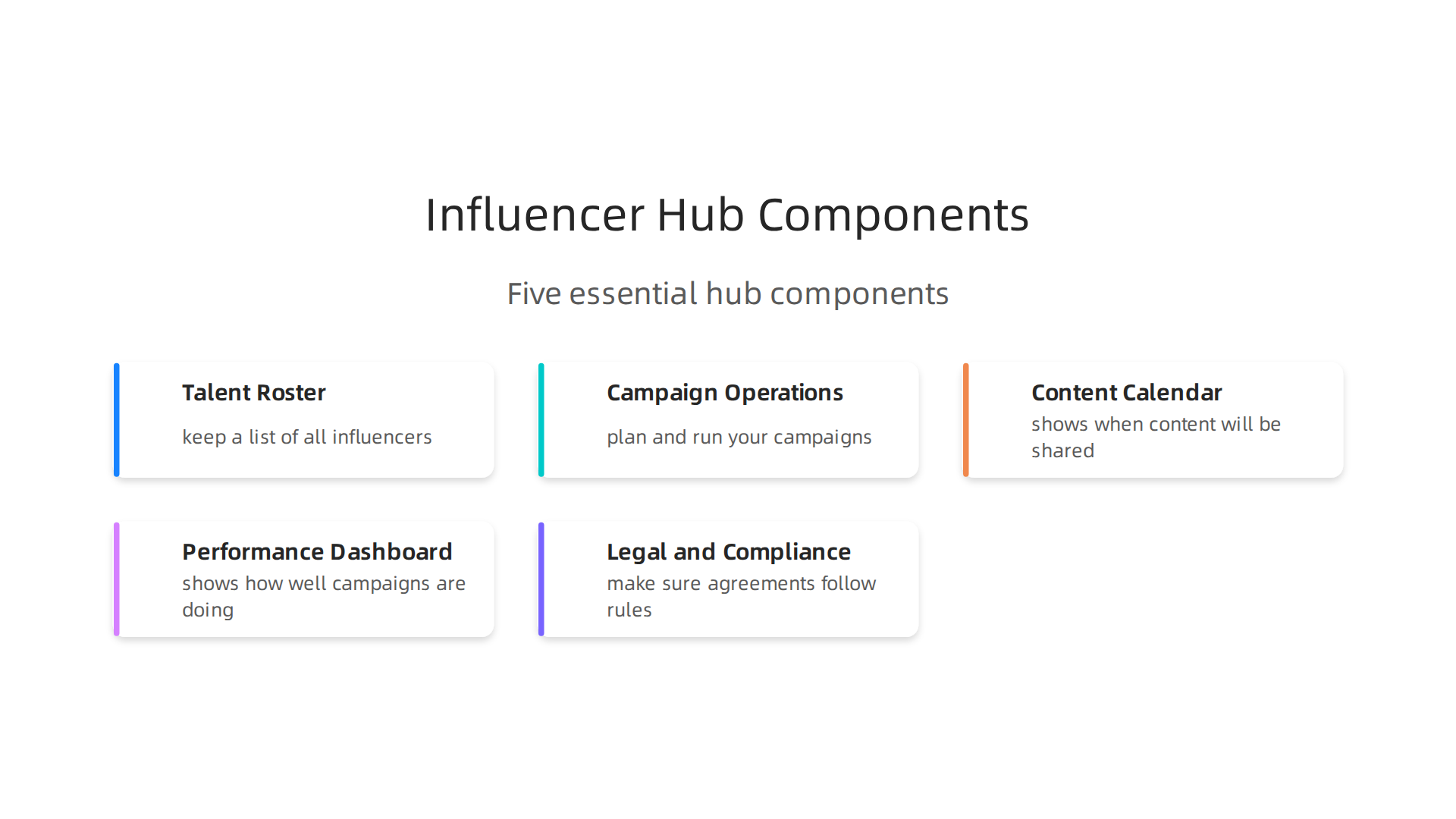
- Talent Roster: This is where you keep a list of all the influencers you work with or want to work with. It helps you find the right people who fit your brand and audience. Finding the right influencers is a key part of influencer marketing. You might want to learn more about preparing for collaborations by checking out some best media kit examples for influencers and creators.
- Campaign Operations: This part helps you plan and run your campaigns. It includes setting up what needs to be done, who does it, and when.
- Content Calendar: Just like a regular calendar, this shows when content will be created and shared by your influencers. It keeps everyone on the same page.
- Performance Dashboard: This is a very important part. It shows you how well your campaigns are doing. You can see things like how many people saw the content, how many clicked on links, and how many bought something. This helps you track creator performance and measure and scale your influencer strategy. Understanding analytic marketing is vital here.
- Legal and Compliance: This makes sure all your agreements with influencers are clear and follow the rules. It handles things like contracts and proper disclosures.
These parts together create a full system. An influencer marketing strategy framework shows how these pieces fit to define goals, find influencers, build campaigns, and measure results.
Using an influencer marketing hub is much better than doing things without a clear plan. When you run ad-hoc (one-off, unplanned) campaigns, it’s hard to learn from them or do them again successfully. A hub lets you repeat what works best, grow your efforts over time, and make your income more stable. It helps you manage relationships and strategies for long-term success, especially when thinking about combining with affiliate marketing websites for ongoing income.
How affiliate strategies fit inside the hub (models & payout structures)
An influencer marketing hub doesn’t just help with regular influencer deals. It also makes it easy to add affiliate marketing websites to your plan. Think of affiliate marketing as another way for influencers to earn money, not just from a one-time payment, but by helping you sell products or get new customers. It’s a smart way to make sure everyone wins.

Many brands use an influencer marketing hub to handle these kinds of partnerships. This helps them track everything in one place.
Here are some common ways influencers get paid through affiliate programs:
- Cost Per Sale (CPS): This is very simple. The influencer gets a cut, or a percentage, of every sale they help make. If someone clicks their special link and buys something, the influencer gets paid. This is a popular model because it directly rewards influencers for driving sales. An influencer affiliate program often uses this method.
- Cost Per Action (CPA): With CPA, the influencer gets paid when someone takes a specific action, not just buying. This could be signing up for a newsletter, filling out a form, or starting a free trial. It’s about getting new leads or engaged users.
- Hybrid Revenue Share: Sometimes, a mix works best. An influencer might get a small upfront payment for their content, plus a percentage of sales or actions they bring in. This offers a bit of security with the chance to earn more if their content performs really well.
These payment models are chosen based on what the brand wants to achieve. For example, if the goal is to sell a lot of products, CPS works great. If the goal is to build an email list, CPA for sign-ups is better.
Tracking and Measuring Success
A good influencer marketing hub is key for making affiliate strategies work well. It connects how an influencer shares content to how many sales or actions happen because of it. The hub uses special links or codes that are unique to each influencer. When a customer uses that link or code, the hub tracks it. This helps you see which influencers are doing the best job.
Platforms designed for influencer affiliates offer detailed tracking, helping brands know exactly how much money each influencer generates. They also make paying influencers easier and prevent bad tracking, which is important. To understand more about these systems, it can be helpful to look at some top influencer affiliate platforms available in 2026. This focus on clear results is a big part of what makes affiliate marketing for beginners so appealing.
If you’re in the media industry, staying on top of all these changes, including how AI impacts marketing, is super important.
Get clear daily AI updates from The AI Newsletter Worth Reading.
Measuring how well your affiliate strategies work is super important. It’s like having a scoreboard that tells you if you’re winning or losing. A strong influencer marketing hub helps you build a reliable performance dashboard so you can see clear results.
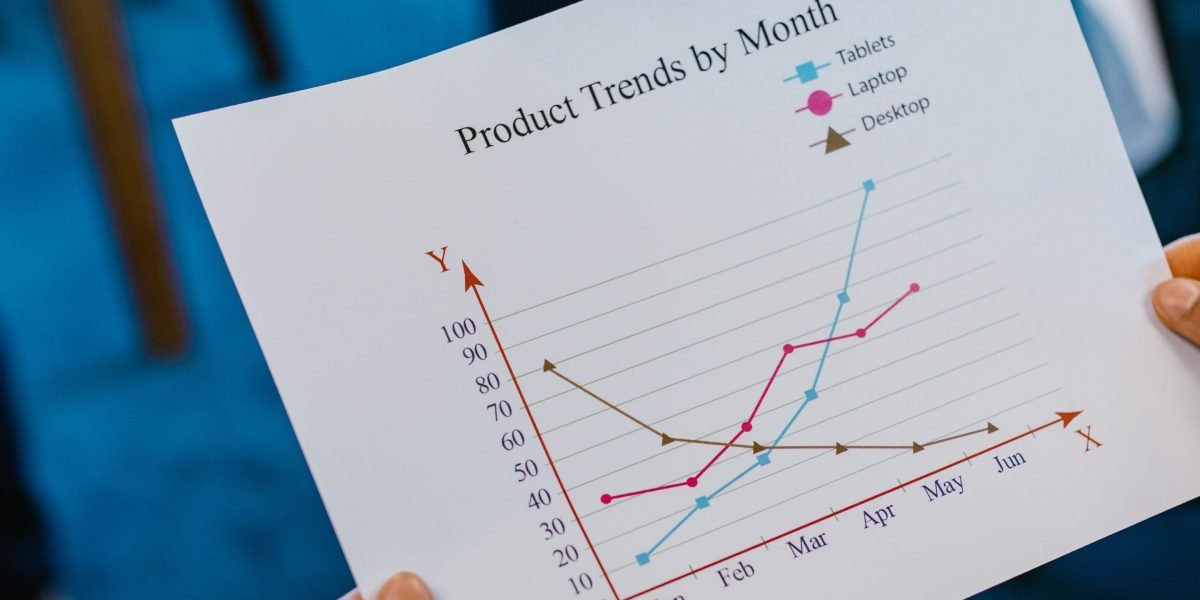
To truly understand what’s working, you need to track important numbers, called Key Performance Indicators (KPIs). These numbers help you see the real impact of your influencers.
Here are some essential KPIs for your hub-driven affiliate programs:
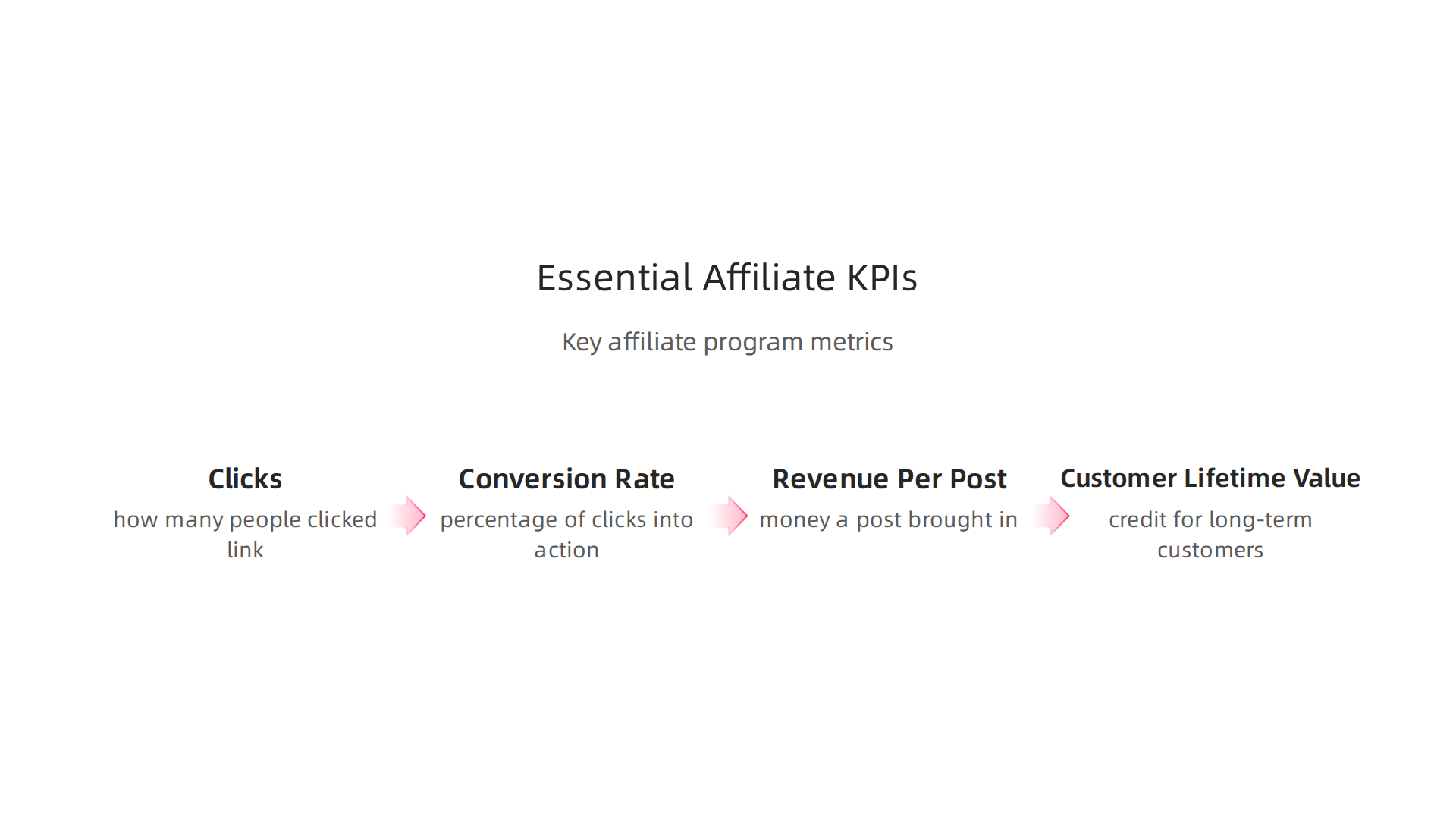
- Clicks: This shows how many people clicked on an influencer’s special link. It tells you how good their content is at getting attention.
- Conversion Rate: This is the percentage of clicks that turn into a sale or a desired action (like a sign-up). For example, affiliate links in product reviews can have a conversion rate of 2.3%, which is higher than in general content, while video content can boost conversion rates by 34% compared to text-only content. Looking at Affiliate Conversion Rate Benchmarks (2026) can show you what to aim for.
- Revenue Per Post/Campaign: How much money did a single post or an entire campaign bring in? This helps you see which content pays off the most. Creator affiliates can generate much more revenue per follower compared to traditional display affiliates, as shown by 2026 data.
- Customer Lifetime Value (CLTV) Attribution: This looks at how much money a customer brings to your business over their entire relationship with you, and how much credit each influencer should get for bringing in those long-term customers.
Understanding Attribution Models
Figuring out which influencer gets credit for a sale or action can be tricky, especially when a customer sees content from many different influencers before buying. This is where attribution models come in. They are like rules for sharing the credit.
Some common ways to share credit include:
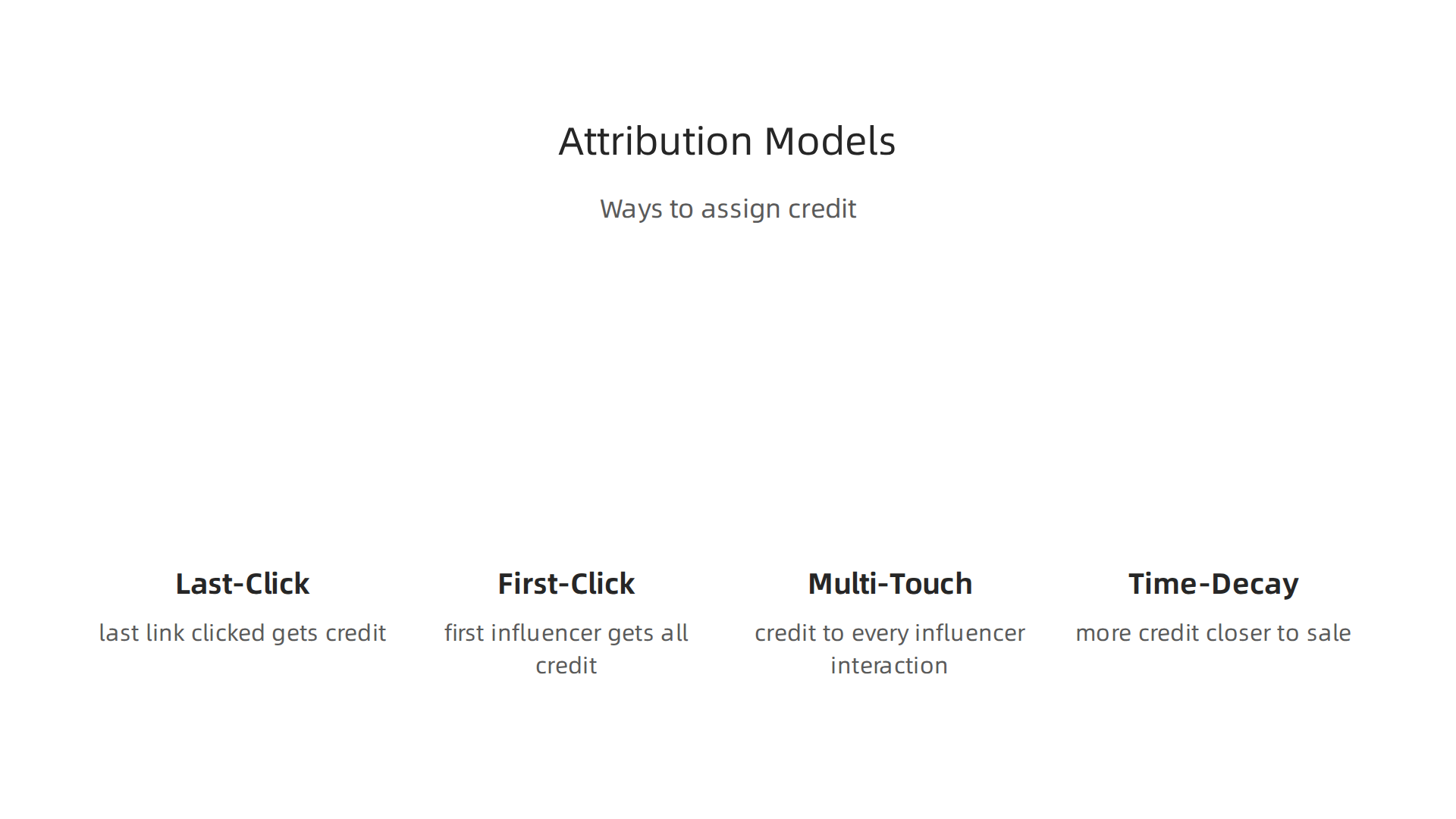
- Last-Click: The influencer whose link was clicked right before the sale gets all the credit. This is simple, but might not be fair to other influencers who helped earlier.
- First-Click: The first influencer who introduced the customer to your brand gets all the credit. This is good for seeing who starts the customer journey.
- Multi-Touch: This model gives some credit to every influencer a customer interacted with along the way. This is a more complete picture of how influencers work together. Many businesses in 2026 are moving towards multi-touch attribution because it gives partial value to each interaction. AI-driven models can even spread credit dynamically across all interactions based on patterns found in data.
- Time-Decay: This model gives more credit to the interactions that happened closer to the final sale. So, the last few influencers get more credit than the first ones.
Choosing the right model depends on what you want to achieve with your influencer marketing. A good influencer marketing hub can help you manage these different models. To learn more, check out an Influencer marketing attribution explained for 2026 guide.
Key Integration Points for Tracking
To make sure your influencer marketing hub can track everything well, it needs to connect with other tools you use.
- Analytics Platforms: Connecting your hub to tools like Google Analytics helps you see the bigger picture of website traffic and user behavior.
- Affiliate Networks: If you use separate affiliate marketing websites or networks, your hub needs to pull data from them to get accurate payout information.
- UTM Strategies: These are special codes added to links that tell you exactly where website visitors came from (e.g., which influencer, which campaign). Using UTM parameters is a best practice for tracking.
- Server-Side Tracking: This is a more advanced way of tracking that happens on your website’s server, making it more reliable than client-side tracking, which can be blocked by ad blockers. Using first-party data and server-side tagging can help improve tracking accuracy in 2026.
By setting up these connections, your influencer marketing hub becomes a powerful tool for building a clear dashboard. This dashboard helps you make smart decisions to improve your campaigns and get the best results. For businesses that want to dive deeper into using data for better campaigns, exploring analytic marketing can be a great next step.
After you understand what your data tells you about successful campaigns, the next big step is finding the right people to make those campaigns happen. This means bringing in talented creators and building strong relationships with them. An effective influencer marketing hub is key here, helping you find and manage influencers from tiny "micro" ones to big "macro" stars.
Finding the Right Influencers
Scouting for creators is like looking for a good team. You want people who truly connect with your brand and audience. Here’s how an influencer marketing hub helps:
- Discover: The hub can help you find creators across different social media sites and even other affiliate marketing websites. It can show you influencers who talk about topics related to your business.
- Vetting Audiences: It’s super important that an influencer’s followers match the kind of customers you want. A good hub helps you look at their audience information. You want to see if their followers are real, engaged, and interested in what you offer. You can also ask creators for their best media kit examples to learn more about them.
- Negotiating Deals: Once you find a good match, you need to agree on how you’ll work together. The goal is to build long-term affiliate partnerships.

This means being clear about what you expect and what the influencer will get in return. It also involves understanding how to master platform-aware influencer strategies.
Managing Your Creator Partnerships
Once you have creators on board, managing them well is vital for a smooth process. Your influencer marketing hub becomes your central point for all these tasks.
- Easy Onboarding: The hub should make it simple for new creators to join your program. This means easy sign-up steps and clear guides on how to start.
- Clear Content Briefs: You need to tell creators exactly what kind of content you want. This includes what to say, what products to show, and any special hashtags. A good hub lets you send clear instructions that creators can easily follow.
- Timely Payments: Making sure creators get paid on time is critical for keeping them happy and working with you long-term. Your hub should manage payment schedules and make sure money goes out as agreed. For those new to affiliate marketing for beginners, timely payments are a big motivator.
- Staying Legal: This is very important. All your partnerships must follow the rules, especially those from the Federal Trade Commission (FTC). Influencers must always clearly tell their audience if they are being paid or sponsored. These are called FTC disclosures.
The Importance of Creator Contracts
Creator contracts are like rulebooks for your partnership. They lay out all the important details to protect both you and the influencer. Actually, brand partnership contracts for creators are legally binding agreements that define expectations and pay. These agreements are vital to define deliverables, deadlines, and how creators will be paid, as well as who owns the content created, according to insights on inside creator-brand contracts.
A good contract should always cover:
- What to Deliver: What content does the creator need to make? How many posts, videos, or stories?
- When to Deliver: Clear deadlines for content creation and posting.
- How Much and When to Pay: The exact payment amount and when the creator will receive it. It also outlines payment schedules and the scope of work needed, as highlighted in a guide to creator contracts and payment agreements.
- Content Ownership: Who owns the content after it’s made? Can you use it for other marketing?
- Disclosures: Making sure the contract states that the influencer must clearly disclose their partnership, as required by the FTC. Influencer partnership contracts should detail these requirements.
By carefully managing these points, your influencer marketing hub helps you build a strong and compliant team of creators. Staying informed about the latest trends in technology and media is also key for smart decisions in this fast-changing world.
For more profound, daily insights into AI and technology relevant to the media sector, make sure to read The AI Newsletter Worth Reading.
After getting your team of creators ready, the next big step is figuring out what kind of content they should make. Not all content is the same. Some types work better at getting people to click and buy, especially when talking about affiliate products. Your influencer marketing hub can help you track what works best.
Picking Content That Gets Results
When it comes to promoting products through influencers, certain content types stand out. They make people more likely to take action, like making a purchase.
- Short Videos and Stories: These are very popular today. Think Instagram stories or short TikToks. They are great for showing a product quickly and often have direct links. People can tap right away to learn more or buy. This type of content, especially with product link stickers, can have high tap-through and purchase rates, sometimes converting 3-7% of viewers into buyers on platforms like Instagram in 2026, according to an Affiliate Marketing on Instagram (2026 Guide).
- Product Reviews: When someone tells you they tried a product and really liked it, you’re more likely to trust it. Reviews often lead to sales because they help people make a final decision. Product reviews convert at about 3-7%, showing that buyers are almost ready to purchase, as highlighted in Affiliate Conversion Rate Benchmarks (2026).
- Comparison Posts and "Best Of" Lists: These are super helpful when people are trying to choose between similar products. An influencer might say, "Here are the top 5 hair dryers" or "This blender vs. that one." These kinds of posts can convert at 4-8% for comparison content and 2-5% for "best of" lists, meaning many people who view them end up buying something. Affiliate links placed in "best of" and review articles convert much better than generic content links, according to Affiliate Marketing Statistics 2026.
- Long-Form Content: Sometimes, you need more than a quick video or review. Longer blog posts, detailed guides, or in-depth articles can explain complex products or services. This kind of content can bring in a lot of visitors from search engines and shows that you know your stuff. It also helps build trust. Actually, long-form content over 2,000 words can get 50% more organic traffic and a 40% higher conversion rate than shorter content, making it very good for affiliate marketing strategies, as seen in 100+ Affiliate Content Statistics: Market Share, Traffic & More.
- Newsletters: While not always created by individual influencers directly for every campaign, a good marketing newsletter is a great way for brands to share curated content, including influencer collaborations, directly with interested audiences. This ensures continued engagement with your affiliate marketing for beginners audience.
Testing and Making Your Content Better
To really succeed, you can’t just guess what will work. You need to test different ideas and see what your audience likes best. This is called A/B testing.
- A/B Testing: Imagine you have two different ways to tell people about a product. You show half your audience version "A" and the other half version "B." Then, you check which one gets more clicks or sales. You can test different headlines, pictures, video styles, or even what words the influencer uses.
- Creative Optimization Cycles: This means you’re always trying to make your content better. After you test something, you look at the results. Did it work well? Why or why not? Then, you use what you learned to create the next piece of content. This way, your campaigns get stronger over time. Your influencer marketing hub can help you keep track of all these tests and show you the numbers so you can make smart choices. It’s about always learning and improving based on real data.
To keep learning and improving based on real data, you need the right tools. Running a successful influencer marketing program with affiliate links means having a good "tech stack." This refers to all the different software and platforms that work together to help you manage everything.
Essential Tech for Your Program
To really make your influencer and affiliate marketing websites shine, you’ll want a few key parts:
- Influencer CRM: This is like a special address book for your creators. It helps you find new influencers, keep track of your talks with them, and store all their important info. Think of it as a central place to manage relationships, often called a creator management platform or Influencer CRM.
- Campaign Management Tools: These tools help you plan and run your campaigns. They make it easier to set up tasks, approve content, and make sure everything stays on schedule. A strong influencer marketing hub will offer these features.
- Affiliate Network Connectors: These are links to platforms that handle the sales tracking and payments for your affiliate products. They help connect your influencer content directly to where sales happen and record every purchase.
- Analytics and Reporting Systems: You need to know how well your campaigns are doing. These tools show you important numbers like clicks, sales, and how much money you’re making. For deeper insights, you might even look into analytic marketing tools.
- Payment Systems: Once sales come in, you need to pay your influencers and affiliates fairly and on time. These systems automate that process, making sure everyone gets paid correctly.
Picking the Right Tools
Choosing the right technology for your program is a big decision. Here are important things to think about when you’re looking at different options:
- Data Ownership: Who owns the data about your campaigns and customers? Make sure you keep control of your important information.
- Reporting Details: Can the platform give you clear and detailed reports? You want to see exactly what’s working and what’s not.
- Easy to Connect: Does the tool work well with your other systems, like your email program or customer lists? Good ease of integration saves you time and effort.
- Fraud Detection: It’s important to protect your campaigns from fake clicks or sales. Look for platforms that have good ways to spot and stop fraud, which is a key feature in top influencer affiliate platforms.
As you navigate the world of digital marketing platforms in 2026, staying informed about the latest tech trends and how AI is changing media is crucial.
For clear, daily updates on how AI and technology impact the media world, you might find this helpful:
The AI Newsletter Worth Reading
After picking the best tools for your campaigns, you must also think about how to run your program the right way. This means making sure you follow all the rules and keep an eye out for tricky things like fraud. It’s how you grow your influencer marketing hub in a strong, lasting way.
Staying within the Rules
When working with influencers and running affiliate marketing campaigns, there are important rules to follow.
- Tell Everyone: First, influencers must always tell their audience when they are paid to promote something. This is usually done with a clear tag like #ad or #sponsored. The rules from groups like the FTC (Federal Trade Commission) say that these disclosures need to be easy for people to see. Having clear rules for your influencers in their contracts helps make sure they do this every time, which is a key part of good influencer partnership contracts.
- Privacy: Another big rule is about protecting people’s information. Laws like GDPR and CCPA help make sure that customer data is kept safe. Your tech tools should help you follow these rules, especially when you are collecting information from people who click on affiliate links or interact with influencer content.
- Clear Contracts: Always have written agreements with your influencers. These creator-brand contracts spell out what the influencer needs to do, how they get paid, and who owns the content they make. This keeps everyone on the same page and prevents problems later on.
Stopping Fraud and Fake Activity
Sadly, not everyone plays fair. You need ways to spot fake things in your influencer and affiliate marketing for beginners programs.
- Fake Followers and Engagement: Some influencers might buy fake followers or likes to seem more popular. Your influencer marketing hub should have tools that can check an influencer’s audience for realness. Look for sudden jumps in followers or engagement that don’t seem natural.
- Affiliate Fraud: This happens when someone tries to get paid for sales or clicks that aren’t real. For example, they might use bots to click on links many times. To fight this, use tracking tools that can spot strange patterns or repeated clicks from the same source. Platforms with strong fraud detection are your friends here.
- Smart Tracking: Use special tracking codes and systems to see exactly where your sales and clicks come from. This helps you understand which influencers and affiliates are bringing in real results. Combining different tracking methods, like unique links and promo codes, can help you get accurate data and prevent fraud. Good best practices for influencer attribution are important for this.
By focusing on clear rules and strong fraud checks, you can grow your campaigns safely and fairly. This helps build trust with your audience and your partners, which is super important for long-term success. If you’re looking to boost your strategies, consider exploring best affiliate marketing programs for media companies in 2026.
Summary
This article explains why combining an influencer marketing hub with a smart affiliate strategy is one of the best ways for media companies and creators to create reliable revenue in 2026. It defines what an influencer marketing hub is and breaks down its core components—talent roster, campaign ops, content calendar, performance dashboard, and legal controls—then shows how affiliate models (CPS, CPA, hybrid) fit into that system. You’ll learn how to track results with unique links, UTMs and server-side tracking, choose attribution models, and measure KPIs like clicks, conversion rate, revenue per post, and CLTV. The guide covers practical steps for finding and vetting creators, writing clear contracts, choosing content formats that convert, and building the right tech stack. It also highlights compliance (FTC, privacy laws) and fraud detection so you can scale safely. After reading, you’ll have a clear, repeatable plan to centralize influencer programs and turn creator partnerships into measurable, sustainable affiliate income.