
Evaluating Industry Publications: Uncover Credible Sources in 2026
Why evaluating industry publications and ad resources matters now
The world of media and advertising changes super fast. It is 2026, and new tools, platforms, and ways to reach people pop up all the time. For people who make big decisions in media and advertising, it can feel like trying to drink from a firehose. There’s so much information coming at you, and it’s hard to know what’s real, what’s useful, and what’s just noise.
Think about it like this: if you’re looking for job postings, you might scan a want ad digest. But even with something as simple as ads, you need to know if the source is trustworthy. Today, this need for trusted sources goes far beyond simple ads. With Artificial Intelligence (AI) helping to create content and target ads, it’s more important than ever to have reliable guides. Decision-makers need special filters to sort through everything and find the true signals.

Not all industry publications or ad products are made equally. Some might be really good, like reading a respected source such as the journal of marketing or a careful journal of the academy of marketing science. These types of sources are known for being very careful with their facts. Others might not be as strict. For example, some content might be invitation media where companies pay to have their news shared, which means it might not be fully objective.
This is why evaluating things like credibility, the quality of data, and any hidden commercial reasons is so important. If you don’t check these things, you could make expensive mistakes. Picking the wrong publication to get your news, or using an ad resource that isn’t honest, can waste a lot of money and time.
To make sure you’re getting good information, it helps to ask some key questions. Is the information clearly sourced? Do they fix mistakes when they happen? Are they open about how they make money? These are important things to consider when you want to identify credible creators and reliable information in this busy digital age, as explained by one helpful resource on identifying credible creators. Taking the time to properly how to vet a media agency can save your business a lot of trouble. It helps you avoid costly errors and make smart choices that truly help your business grow.
Staying informed in this fast-moving landscape means knowing where to look for trustworthy insights.
Get clear daily AI updates and profound insights into AI and technology relevant to the media sector by subscribing to The AI Newsletter Worth Reading.
To really tell the difference between good and not-so-good information, you need to know what to look for. It’s like checking the label on a food product. You want to know what’s inside and where it came from. For industry publications and ad resources, we look at two main things: their editorial signals and their commercial signals. These tell us how honest and reliable they truly are.
Editorial Signals: The Trust Checklist
Editorial signals show how a publication gathers and shares its news. They are all about trust and good practices.
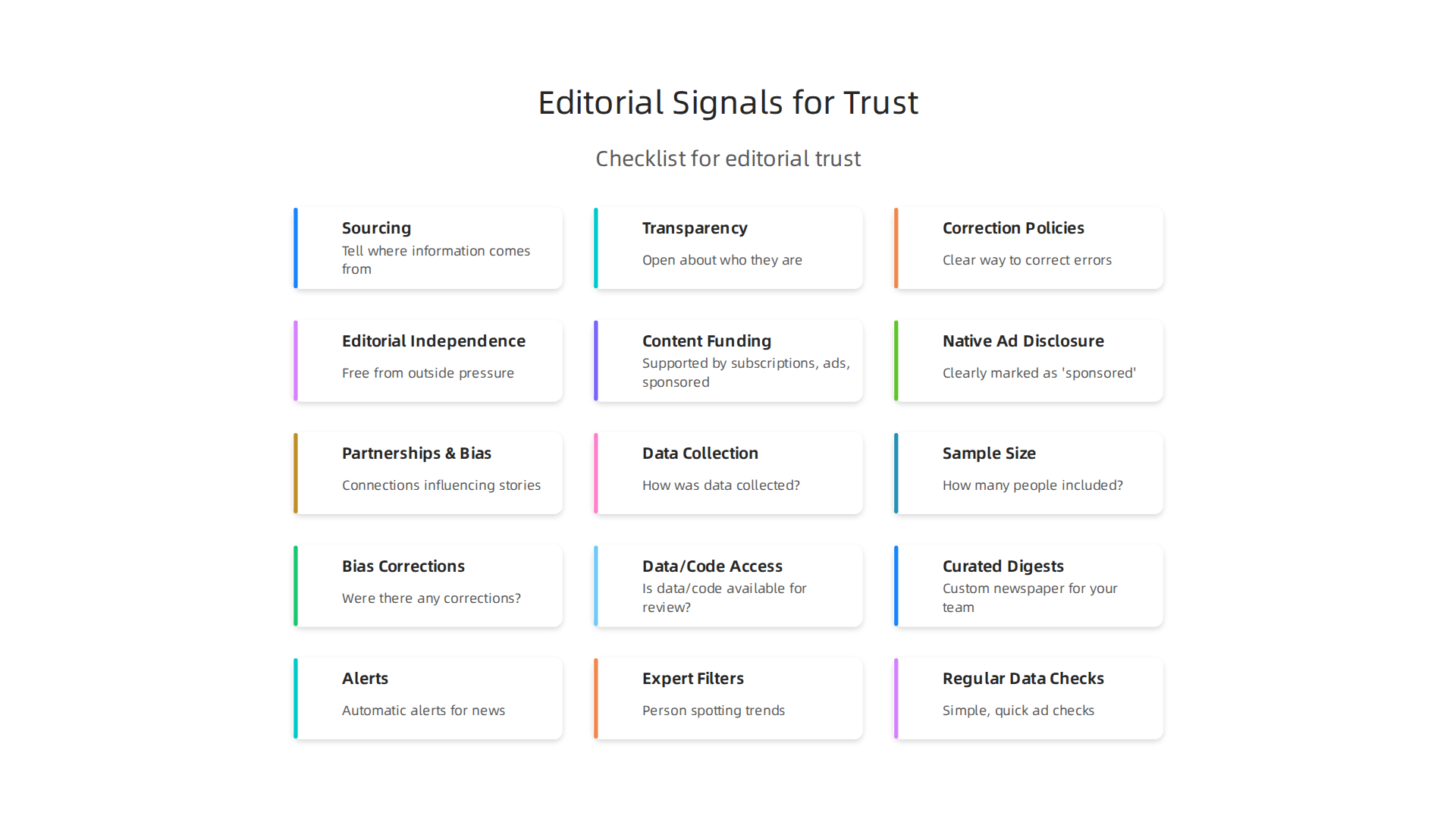
- Sourcing: A good publication will always tell you where its information comes from. They should use many different trusted sources to check facts, not just one. This is like when you read a reliable newsroom verification checklist. They verify claims, especially with all the AI-generated content floating around in 2026.
- Transparency: Honest publications are open about who they are, how they work, and what their goals are. They make their editorial rules easy to find. Being transparent helps build trust with their readers. Experts agree that showing your reporting and sources helps publishers build trust and credibility through transparency, as outlined in one helpful guide on building credibility through transparency.
- Correction Policies: Everyone makes mistakes. What matters is how you fix them. A trusted source will have a clear way to correct errors quickly and publicly. This shows they care about being right. For instance, strong standards for AI in journalism explain the importance of having a public corrections protocol.
- Editorial Independence: This means the people who write the news are free to do their job without outside pressure. Advertisers or business partners should not tell them what to write or how to write it. This is super important. If a publication lacks this, it might be more like a fancy want ad digest than a true news source. You can always check a simple checklist for evaluating sources to help you decide.
Commercial Signals: Following the Money
Commercial signals tell you how a publication or ad resource makes its money. This can sometimes affect what they share.
- How Content is Funded: Is the publication supported by subscriptions, ads, or sponsored content? Knowing this helps you understand if there might be any reason for them to lean one way or another. For example, if a company relies heavily on a single big advertiser, their reporting on that company might not be fully objective. Understanding different digital marketing platforms in 2026 also means understanding their funding models.
- Native Advertising Disclosure: Native advertising means ads that look like regular articles or posts. It’s crucial that these are clearly marked as "sponsored" or "advertisement." If they are not, it can trick readers into thinking it’s unbiased information. Learn more about native advertising 2026 and how it’s changing.
- Partnerships and Bias: Some publications have special partnerships or run "invitation media" where companies pay to have their content featured. While not always bad, it’s important to know about these connections. They can sometimes influence the stories that get told or how they are presented. Checking for these signals can help you make sense of the vast amount of information you encounter daily.
Moving from understanding general signals, let’s talk about how you can dig deeper into a source. It’s about looking at the people and the structure behind the information. This helps you really tell if what you’re reading is trustworthy.
How to Vet Authors and Editorial Leaders
When you read something, ask yourself: Who wrote this? Knowing the author and the people guiding the content is a big step in checking if a source is good.

- Author’s Background: Is the writer an expert in what they’re talking about? Do they have a degree or experience in that field? For example, articles in a serious publication like the journal of marketing or the journal of the academy of marketing science will clearly show the authors’ credentials. If an article doesn’t say who wrote it, or if the author seems to have no real knowledge, that’s a red flag.
- Conflicts of Interest: Sometimes, writers or their bosses have something to gain from you believing certain information. This is called a "conflict of interest." Good publications will tell you about these connections openly. If they don’t, you should wonder why. Asking simple questions can help you figure out the credibility of a news source, as explained in one helpful guide with 9 questions to help you evaluate.
- Editorial Standards: The people in charge of a publication, called editors, set the rules for what gets published. Look for their standards. Do they have clear rules about being fair and accurate? A good sign is an ethics checklist for creator journalists that shows their commitment to truth.
Checking Fact-Checking and Correction History
Even the best sources can make mistakes. What sets good ones apart is how they handle errors.
- Clear Fact-Checking: Does the publication talk about its fact-checking process? This means they have steps to check if facts are true before they print them. With a lot of content being made by AI in 2026, it’s more important than ever for publications to be clear about how they check their facts. A newsroom verification checklist can offer a practical guide for accuracy, especially with AI in journalism.
- Corrections Log: Trusted sources will have a history of correcting their mistakes. They’ll often have a page on their website where they list errors and how they fixed them. This shows they care about being right. Being transparent about editorial choices and showing how they verify information helps with media accountability and builds trust. You can also find a useful Checklist for Evaluating Sources to help you keep track of these points.
Publication Format and Institutional Backing
The kind of place that shares information matters, too. Think about who owns the publication and what kind of format it uses.
- Type of Publication: Is it a newspaper, a research paper, a blog, or something else? Different types of media have different levels of strictness. For example, a scientific journal will have stricter rules than a personal blog. You would look for different things in a trusted news site versus a simple want ad digest.
- Who Owns It? Is the publication part of a larger company or organization? Sometimes, the owner might have their own goals that could influence the content. An independent news source might be different from one owned by a big corporation. These factors play a role in enhancing content reliability.
- "Invitation Media" and Bias: Be careful with what’s sometimes called "invitation media." This is content that’s put out because someone paid to be included. It’s often disguised to look like regular articles. Always check if content is sponsored or paid for. This ties back to commercial signals we talked about earlier.
Knowing how to look into these details helps you become a smarter reader in a world full of information. Want to learn more about selecting trustworthy partners in the media space? Discover how to vet a media agency.
To stay on top of the rapidly changing media landscape, especially with new AI trends, you need reliable insights.
Get clear daily AI updates from The AI Newsletter Worth Reading.
When you are thinking about working with a media partner or placing an advertisement, knowing who their audience is can be just as important as knowing how they create their content. It’s about figuring out if the people reading or watching a publication are the right people for your message. This is often called "audience fit."
What is Audience Fit?
Audience fit means making sure a publication’s readers or viewers match your ideal customer or the people you want to reach with your ads.

Think about who you want to talk to. Are they young? Older? Do they live in a certain place? What are their interests?
- Demographics: This is about basic facts like age, gender, where people live, and how much money they make. If you are selling toys for kids, you want to reach parents. If you are selling retirement plans, you want to reach older adults. Good publications can tell you a lot about the people who follow them. They will share data on their audience’s age, where they are, and what they like. This helps you know if your message will land with the right group.
- Interests and Behaviors: Beyond basic facts, what does the audience care about? What do they do online? Do they read articles about new technology, or do they prefer recipes and home tips? Matching your message to these interests makes your ads much more effective. Understanding these details helps you apply analytic marketing to drive smarter campaigns.
Claimed Reach Versus Verified Reach
Here’s a big secret: not all numbers are equal.
- Claimed Reach: This is what a publication says about how many people it reaches. They might say, "We have 1 million readers!" But how do they know? Is that number real? Sometimes, these numbers can be bigger than the truth or include people who aren’t really paying attention.
- Verified Reach: This is when an independent group checks the numbers to make sure they are correct. These groups use special rules and tools to measure how many unique people actually see the content and how often. This gives you a much clearer and more trustworthy picture. For example, the Media Rating Council (MRC) sets Minimum Standards for Media Rating Research to ensure quality and accuracy. These standards help make sure that audience measurements are fair and consistent.
The Role of Independent Measurement
In 2026, it’s more important than ever to look for third-party verification. This means that an outside company, not the publication itself, checks the audience numbers. Why? Because it adds a layer of trust.
- Transparency and Consistency: Independent groups like the Interactive Advertising Bureau (IAB) work with the Media Rating Council (MRC) to create rules for how to measure audiences. For instance, they have released IAB/MRC retail media measurement standards to bring more clarity to advertising measurements. These standards help everyone agree on how to count things like views and clicks, making it easier to compare different media options.
- Cross-Platform Measurement: People today get their information from many places: phones, computers, smart TVs. It’s hard to count one person across all these different screens. Independent groups are working on ways to measure audiences across all these platforms. This "cross-platform measurement" helps you see the true reach of a campaign, no matter where someone sees it, as outlined in one comprehensive cross platform measurement guide.
- Better Decisions: When you have verified data, you can make smarter decisions about where to spend your money. You can find the best tools to understand who is seeing your ads with a guide to the Best Audience Analysis Tools 2026. This helps ensure your advertising budget reaches the right people and gives you the best return. Media professionals, especially those in roles like a paid media buyer career path, rely on these accurate metrics to succeed.
By carefully checking the audience fit and looking for verified reach, you can make sure your messages are heard by the people who matter most to your business.
You’ve learned that looking for verified audience numbers is key. But how do these numbers get verified? It’s not just about a stamp of approval. It’s about how the data was gathered in the first place. You need to look into "data quality." This means asking important questions about the methods, how open they are, and if others can get the same results. In 2026, understanding these points helps you truly trust the insights you get.
Asking the Right Questions About Data
When a media partner shares audience data, don’t just accept it at face value. Think like a detective and ask:
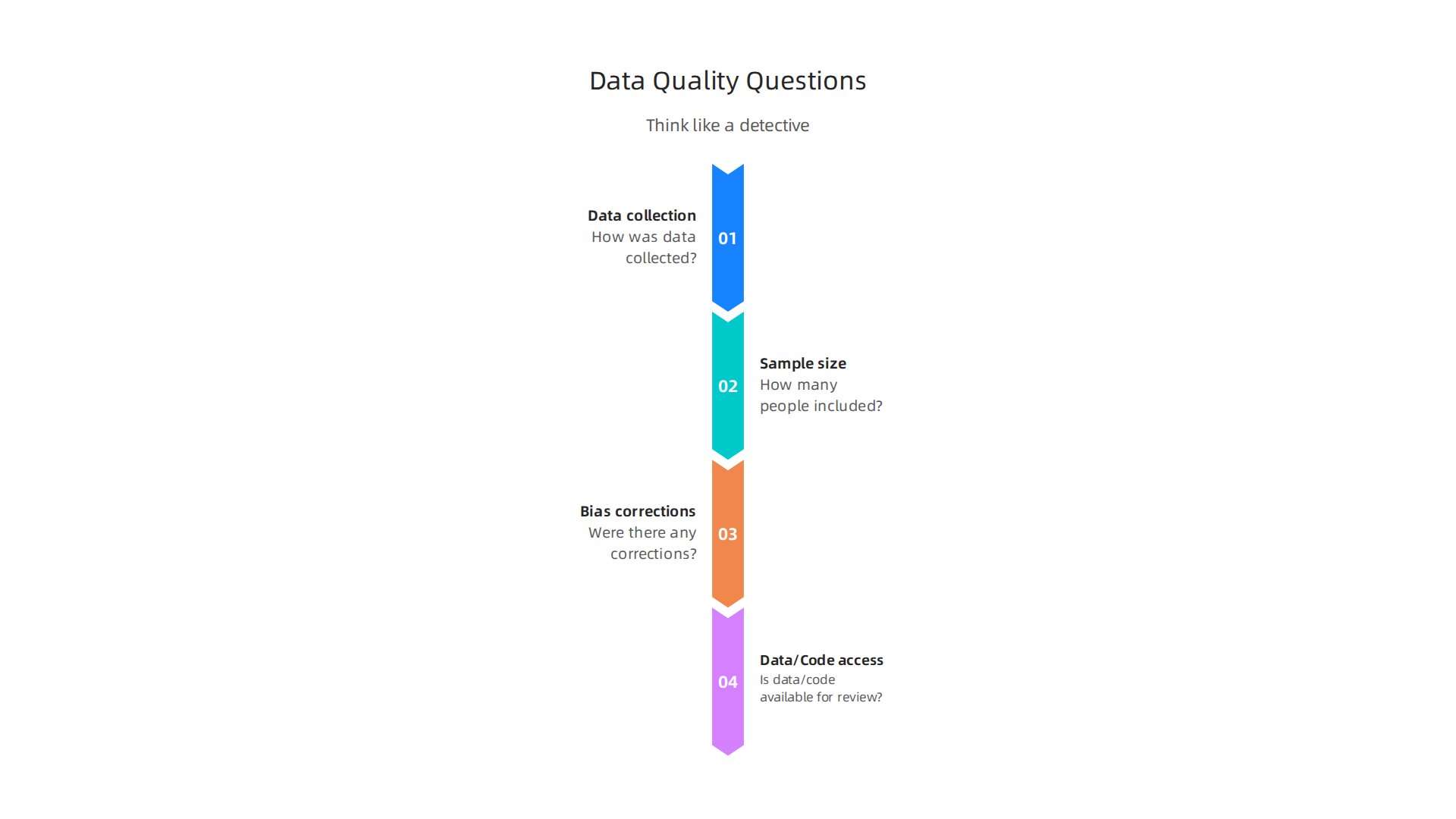
- How was the data collected? Was it from surveys, website tracking, or something else? Each method has its own strengths and weaknesses. For example, if you’re reviewing a potential
want ad digestor a general publication, you’d want to know how they count unique readers or viewers. - What was the sample size? This means, how many people were included in the study? If you only ask a few people, the results might not truly represent a large audience. A good sample size helps make sure the findings are fair for everyone.
- Were there any bias corrections? Sometimes, the way data is collected can accidentally favor one group over another. Good data providers try to correct for these "biases" to make the information more accurate. For instance, the Media Rating Council (MRC) provides MRC Outcomes and Data Quality Standards that outline how measurement organizations should clearly share their methods for recording activities.
- Is the data or code available for review? Truly trustworthy data often comes with a willingness to show how the numbers were crunched. If a company shares its methods and even its raw data or computer code, it shows they are confident in their findings. This level of openness is something researchers might find in a marketing major 2026 study, showing a strong commitment to scientific rigor.
Why Transparency and Reproducibility Matter
Imagine a chef who tells you their cake is the best, but won’t share the recipe. Would you trust them to make the same great cake every time? It’s similar with audience data.
- Trusting Trend Claims: When a media outlet claims a big trend in audience behavior, you want to know how they figured that out. If their methods are clear and open, you can better judge if their claims are real or just guesswork. The European Media Freedom Act (EMFA), for instance, pushes for transparency and consistent high-quality standards in all measurement systems to ensure media providers can access reliable data, as noted in a joint media industry position paper Towards a tangible and effective European Media Freedom Act. This helps build overall trust in media trends.
- Reliable Ad Benchmarks: When you see "average click-through rates" or "typical costs for ads" (often called ad benchmarks), these numbers help you plan your own campaigns. But if the methods used to get these benchmarks are shaky, then your planning will be shaky too. This is especially true for modern advertising, including things like earned media and strategy, where how engagement is measured can vary widely.
- Reproducibility: This is a fancy word that means if someone else used the same methods with the same data, they should get the same results. It’s a key part of good science and good data. If data is "reproducible," it means it’s solid and not just a one-time fluke. The IAB and MRC work together to release guidelines, like the IAB/MRC Retail Media Measurement Guidelines, which provide clear definitions and methods to ensure consistency and transparency for the industry in 2026. This is super important for anyone buying ad space.
By asking about data quality and looking for transparency and reproducibility, you are not just being picky. You are making sure your advertising money is spent wisely, based on facts you can trust. This level of detail is something you might typically expect from a serious publication like a marketing mix strategy, but it should be standard practice for all media partners in 2026.
To keep up with the fast-changing world of media and marketing, especially with new technologies like AI, staying informed is critical.
Get clear daily AI updates from The AI Newsletter Worth Reading.
When you know how to check data quality, you can then look at the actual advertising products. This means figuring out if an ad space or service is worth its price. You need to understand how different ad types are sold, how much they cost, and if the numbers they show you are real. This is about being smart with your money in 2026, making sure every ad dollar works hard.

How to Compare Ad Formats and Prices
Advertisers have many choices these days, from simple picture ads to videos and more. Each type has its own way of being priced. A common way to price ads is called CPM, which stands for "Cost Per Mille." "Mille" is a fancy word for a thousand. So, CPM is the cost for one thousand people to see your ad.
Different ad formats have different CPMs. For example, in 2026, simply showing an ad (display ad) on a website usually costs less than showing a video ad. Programmatic display ads might cost around $4.20 per thousand views, but programmatic video ads are much higher, like $24 for connected TV (CTV) ads, according to some reports Programmatic Ads Statistics 2026: Spend, CPMs and CTV Growth. This is because video ads, especially on CTV, are often seen as more engaging.
When you’re looking at different options, like an ad in a traditional want ad digest or a new digital invitation media platform, always ask these questions:
- What kind of ad is it? Is it a banner, a video, an audio ad, or something else? Each format connects with people differently.
- What is the CPM? How much does it cost to reach 1,000 people with this specific ad type? In 2026, open programmatic display ads might range from $5 to $12 CPM, while direct-sold premium ads can be $25 to $45 CPM CTV CPM Benchmarks 2026: What Streaming Publishers Should ….
- Are the performance numbers clear? Do they show how many people clicked (Click-Through Rate or CTR) or completed watching the ad? For example, the average CTR for programmatic display is around 0.08% in 2026, while programmatic video CTR can be much higher at 1.84% Programmatic Advertising Statistics 2026 | Market Size, CPM ….
It’s helpful to look at general benchmarks for performance, which you can find in industry studies. These give you a good idea of what to expect from various ad channels. For more detailed insights into different ways to advertise, check out our guide on how to build your winning media mix.
Checking Ad Quality and Stopping Fraud
Beyond price, you need to make sure your ads are actually being seen by real people, not bots. This is called "viewability" and "fraud control."
- Viewability: This means if an ad actually appeared on a screen where a person could see it. Just because an ad "loaded" doesn’t mean it was seen. For example, if it’s at the very bottom of a long webpage that no one scrolls to, it’s not viewable. You want high viewability rates. Private marketplace (PMP) deals often have much better viewability rates, around 92%, compared to open exchange ads at 71% Programmatic Advertising Statistics 2026: 140+ Data. This difference can make a higher CPM for a PMP worth it.
- Fraud Controls: Ad fraud is when fake views or clicks are generated, often by bots. This wastes your money. Ask media partners about their systems to prevent fraud. Again, private marketplace deals typically have lower fraud rates, about 1.2% versus 8.7% on the open exchange.
- Audience Targeting: Does the media partner truly reach the audience they say they do? You want to know that your ads are shown to the right people. This means asking about their targeting methods and how they check if those methods actually work.
Knowing these things helps you compare different advertising products wisely. It also helps you understand why some ad spaces, like those found in a respected journal of marketing or journal of the academy of marketing science, might cost more but offer much better quality and less fraud. Making smart choices about your ad spending starts with a deep dive into these important details.
To keep learning about the latest in media and marketing, especially with how AI is changing things, consider staying informed daily.
Get clear daily AI updates from The AI Newsletter Worth Reading.
Practical Workflows: How to Monitor, Curate, and Act on Signals
To really make smart choices with your advertising money, you need a good plan for watching what’s happening. It’s not enough to just look at numbers once in a while. You need a system that helps your team stay updated and act fast. This means setting up ways to get information, check it, and then use it to make better decisions.
Setting Up Your Team’s Information Hub
Think about making your own special news feeds. Instead of just a simple want ad digest, you can create something much more useful. Your team can set up:
- Curated Digests: This is like a custom newspaper for your team. You pick the most important sources, like industry blogs, trusted news sites, and even official documents from a
journal of marketingor ajournal of the academy of marketing science. Someone on your team can put together a summary each week of the most important things. This helps everyone quickly get the big picture. - Alerts for Important News: You can set up automatic alerts for certain words or phrases. For example, if a new competitor launches an
invitation mediaplatform, you’d want to know right away. These alerts can come to your email or a team chat. - Expert Filters: Sometimes, there’s just too much information. Having a person who is really good at spotting trends can help. They act like a filter, picking out only the signals that truly matter and explaining what they mean.
- Small, Regular Data Checks: You don’t need to do huge reports every day. Simple, quick checks on how your ads are doing can tell you a lot. Look at key numbers like how many people are seeing your ads and if they are clicking. This helps you catch small problems before they become big ones.
Using AI Tools and Newsletters to Stay Smart
In 2026, AI tools are a huge help for watching the media world. These tools can scan millions of articles, social media posts, and even videos much faster than any human. They help you find important "signals" that might show new trends or problems.
For example, AI media monitoring software can track mentions of your brand or keywords across many different places, like print, online news, and social media. These tools can even tell you if people are talking positively or negatively about something AI Media Monitoring in 2026: Print, Digital & Broadcast. Tools like Meltwater and Brandwatch offer broad media coverage and AI power to help you understand what’s happening 20 best media monitoring tools for 2026.
However, you can’t just let AI do all the work. It’s easy to get too much information if you rely only on automated tools. That’s why human smarts are still key. You need people to look at what the AI finds and decide what’s truly important. Think of AI as a super-fast helper, not a replacement for your brain.
To keep up with how AI is changing everything in the media world without getting overwhelmed, many professionals find special newsletters helpful. They give you the important updates in an easy-to-read way.
Get clear daily AI updates from The AI Newsletter Worth Reading.
Understanding how to choose the right tools and strategies for your team can make a big difference. For more insights on how to get the most from your data and campaigns, explore our guide on analytic marketing drive smarter campaigns and boost ROI in 2026.
Summary
This article explains why careful evaluation of industry publications and ad resources is essential in 2026, when AI, sponsored content and new measurement methods make signals noisy. It shows how to read editorial signals (sourcing, transparency, corrections, independence) and commercial signals (funding, native ads, partnerships) so you can spot bias and avoid costly mistakes. You’ll learn practical ways to vet authors and editors, check fact‑checking and correction history, and judge publication format and ownership. The guide also covers audience fit, the difference between claimed and verified reach, and what to ask about data collection, sample size and reproducibility. Finally, it explains how to compare ad formats and prices, check viewability and fraud, and build simple team workflows with AI tools to monitor, curate and act on trustworthy signals.