
Growth Marketing Initiatives That Work in 2026
Introduction
The media industry is going through its biggest shift in decades. Actually, decades might be generous. In 2026, the pace of change is unlike anything most professionals have seen before. AI tools are rewriting how content gets made. Audiences are consuming media in completely new ways. And the old playbook for running a marketing campaign is collecting dust.
Here is the challenge. With so many digital marketing channels competing for attention, how do you pick the ones that actually deliver? How do you separate real growth opportunities from shiny distractions?
This article answers those questions. It lays out a practical, data-backed framework for identifying growth marketing initiatives that produce sustainable results. Not theory. Not fluff. Real campaigns that build long-term competitive advantage. We will walk through each stage of the process: how to pick the right channels, how to allocate your budget, and how to measure what matters. You will walk away knowing exactly which bets to place and how to track them.
The transformation happening right now is massive.

According to the latest analysis of Media Industry Trends 2026, AI has moved from an internal experiment to a top priority for CEOs and boards. In fact, according to the marketing industry trends for 2026 report, 75% of marketers believe AI-enabled tools will positively impact their reach and efficiency. Smart teams are already using AI to rethink everything from audience targeting to content creation. From programmatic buying to content personalization, the tools available today would have seemed impossible just five years ago. But many still struggle with the same thing: too many options, too little clarity.
This guide breaks down the most effective growth marketing initiatives across online advertising programs and other key channels. You will learn how to design campaigns that cut through the noise and drive measurable outcomes. Along the way, you will see real data from the leading reports of 2026, including insights from top industry analysts. For a focused look at how AI is changing campaign execution, our performance marketing in 2026 guide covers the tactical side in more detail.
If you want to go deeper on how AI is reshaping media and marketing, The AI Newsletter Worth Reading delivers clear daily updates straight to your inbox.

Let’s get started.
Defining Growth-Focused Marketing in the Media Landscape
To start, we need to be clear on what growth marketing actually means in 2026. It is not the same as running a standard marketing campaign that only focuses on getting new users. Real growth marketing initiatives look at the whole customer lifecycle. That means acquisition, yes. But it also means optimization, retention, and monetization. Every part of the funnel gets attention.
The biggest shift media companies are making right now is moving away from vanity metrics. Page views and raw download numbers only tell part of the story. Smart teams focus on actionable growth indicators instead. Think customer lifetime value (LTV). Think cohort retention rates. These numbers tell you if your audience is sticking around and actually generating revenue over time. The data backs this up. In the 2026 State of Marketing Report, HubSpot confirms that the best performing teams track these deeper metrics.

It stops being about looking good in a monthly report and starts being about engineering real, sustainable growth.
To track and improve these numbers, you need the right growth marketing stack. This stack has three main layers.
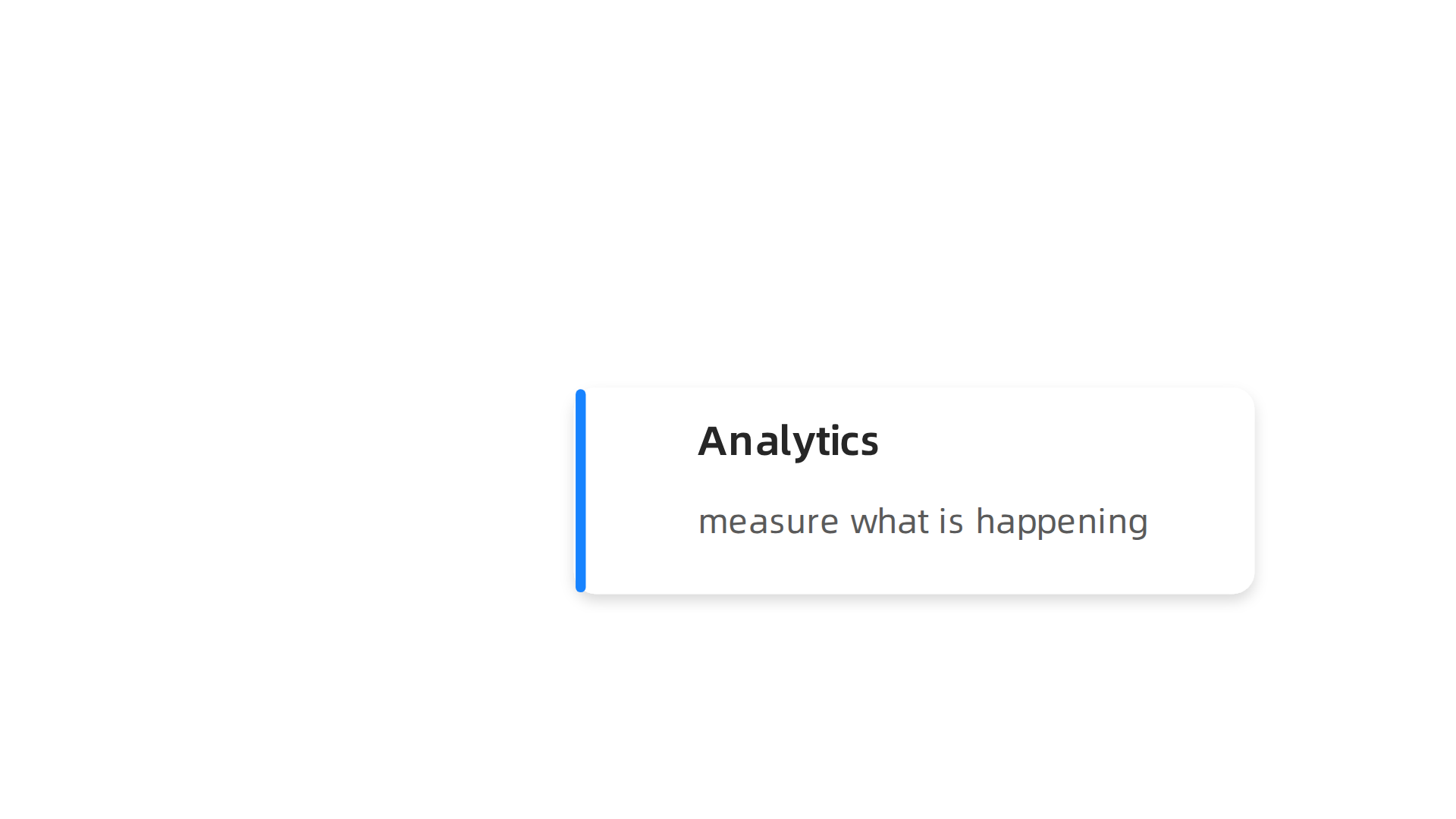
First is analytics to measure what is happening. Second is experimentation to test new ideas. Without constant testing, you are just guessing which marketing campaign will land. Third is personalization tools that deliver the right message to the right person at the right time. Without all three working together, your digital marketing channels will never reach full efficiency. For a deeper look at how to structure this, check out our 2026 playbook for growth marketing strategy. It walks through the exact frameworks used by high growth media companies.
When you combine the right metrics with the right tools, you stop guessing and start growing. Your online advertising programs become more efficient. Your content gets better over time. And your audience keeps coming back. That is the real goal of any growth focused marketing effort in today’s media landscape.
The Shift from Vanity Metrics to Sustainable Growth
Here is the problem with chasing total page views. One viral video or trending article can spike your numbers fast. But what happens next? If those visitors bounce in under five seconds and never return, you built nothing lasting. That is why smart media teams are finally stepping away from these shallow numbers in 2026.
The better place to focus is engaged time. How many minutes do people actually spend reading or watching your content? That number tells you if your stories truly connect. Next comes conversion rate. Are visitors taking the action you want, whether that is subscribing, sharing, or clicking deeper into your site? And do not overlook repeat visit frequency. A reader who comes back every week is worth far more than someone who stops by once and disappears forever.
The most advanced teams use cohort based analysis to go even deeper. Instead of lumping all your traffic together, you group users by the week or month they first discovered you. Then you track each group over time. This method shows you exactly which marketing campaign produced loyal, returning audience members and which one just brought in drive by traffic. According to the 2026 Digital Advertising Trends Report, marketers who refine their measurement approach this way see stronger and more predictable results.
That is the real shift. Sustainable growth marketing initiatives prioritize customer lifetime value over short term spikes. When you know which audience segments actually stick around and generate revenue, you invest your online advertising programs more wisely. Your digital marketing channels get optimized for the visitors who matter most, not just the ones who click once and vanish. For teams looking to sharpen their approach even further, our guide to performance marketing in 2026 breaks down the exact tactics that turn casual viewers into long term subscribers.
The media landscape is evolving fast. Staying ahead means tracking the right numbers and staying informed about the tools that make it possible. That is why we recommend The AI Newsletter Worth Reading. It delivers clear daily updates on the technology reshaping how media companies measure, target, and grow their audiences in 2026.
The Role of AI and Automation in Modern Growth Campaigns
So how do you actually build those sustainable growth marketing initiatives we just talked about? The short answer is that you let AI and automation handle the heavy lifting. By 2026, this is no longer a nice to have. It is the standard way smart teams operate.
Think about what AI does best. It can look at thousands of data points from your digital marketing channels in seconds. Then it serves each visitor a completely different experience. That means hyper-personalized content recommendations, dynamic pricing that adjusts in real time, and product suggestions that actually match what someone wants. The result is higher engagement and more revenue from every single person who visits your site. According to the experts analyzing AI reshaping marketing in 2026, over 80% of marketers are already using generative AI tools and seeing clear returns.
Now look at the busywork that used to eat up your team’s time. A/B testing every headline, image, and call to action. Analyzing which version of a marketing campaign performed better. Tweaking bids on your online advertising programs. All of that can run on autopilot today. When you automate these tasks, your human team gets to focus on the creative strategy that actually moves the needle.

They can dream up bigger ideas instead of refreshing spreadsheets.
But here is the catch. Using AI ethically is not optional anymore. Your audience can tell when personalization feels creepy or when automation replaces genuine connection. You need transparency about how you use data and a clear plan to comply with privacy regulations. Trust is fragile, and one bad move can undo years of relationship building.
For teams looking to build a full AI powered approach, our guide to growth marketing strategy adaptation to AI lays out the exact steps to get started.
AI-Driven Personalization at Scale
The real magic of AI shows up when you start personalizing at scale. Think about the last time Netflix recommended a show that felt like it was made for you. Or when Amazon suggested a product you actually needed. That is machine learning at work, and it is driving some of the most effective growth marketing initiatives in 2026.
Here is what the numbers say. Personalization engines that use machine learning can push click-through rates up by 30 to 50 percent for media content. That is not a small bump. That is the difference between a campaign that barely breaks even and one that drives real revenue. When your technology stack learns what each visitor cares about and serves them content that matches, engagement goes through the roof.
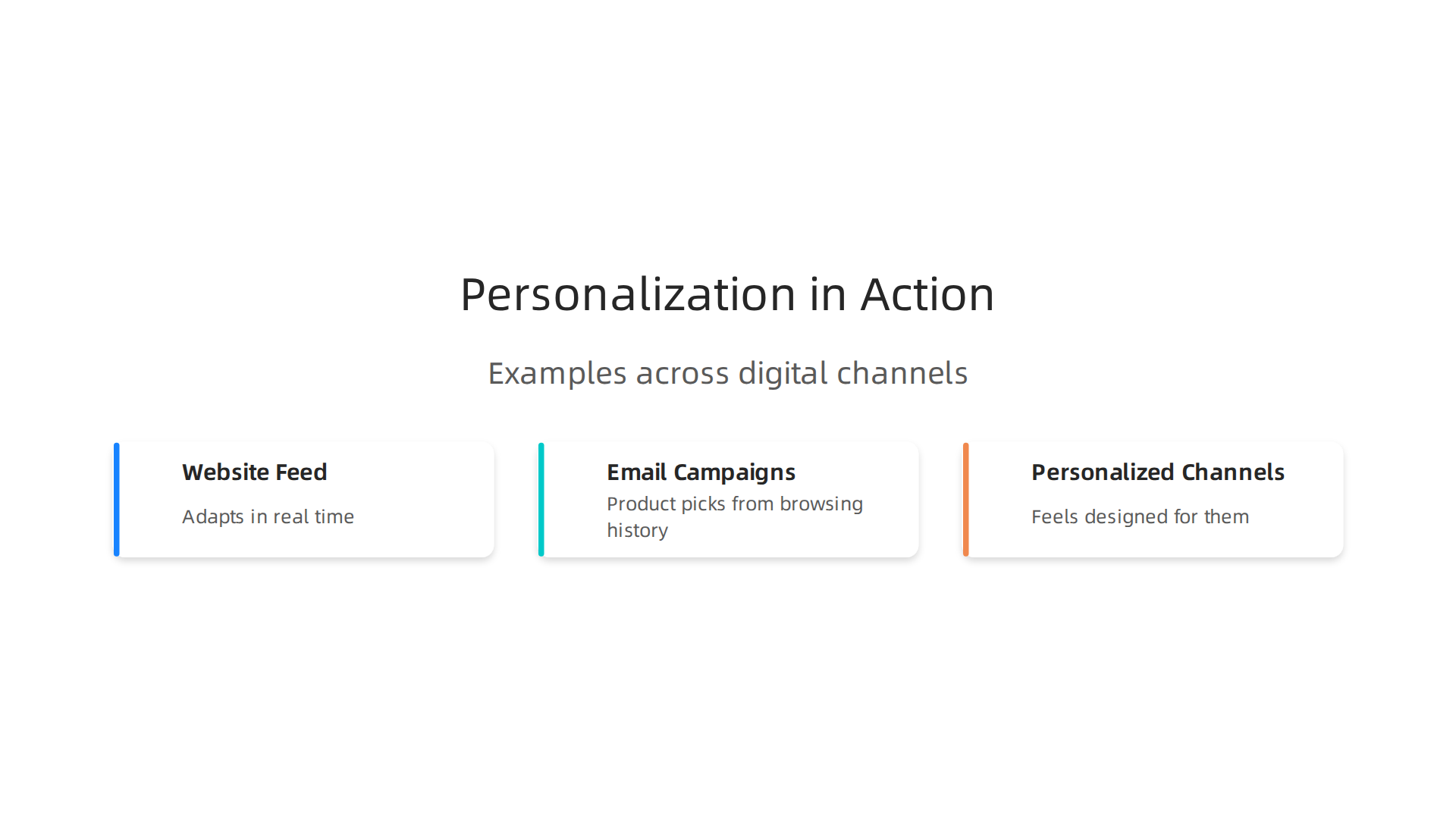
So how does this work day to day? Your website feed adapts in real time based on what someone clicks. Their email inbox gets campaigns with product picks tailored to their browsing history. Every single digital marketing channel they touch feels like it was designed just for them.
For concrete examples of how teams are pulling this off, check out these practical examples of AI marketing automation that show real results from 2026.
But here is the honest truth. Scaling this kind of personalization is hard. You need solid data infrastructure to collect and process behavioral signals. You also need clear privacy governance that tells your audience exactly what data you are using and why. Without trust, personalization feels creepy instead of helpful.
If you want to stay on top of how AI is changing everything in media and marketing, get clear daily AI updates from The Deep View Newsletter to keep your strategy sharp. Also, our piece on native advertising with AI personalization explains how programmatic systems are redefining how ads connect with audiences at scale.
Building a Data-Driven Audience Acquisition Engine
Here is a reality check for 2026. The old way of finding new audiences through third-party cookies is fading fast. If your growth marketing initiatives still depend on tracking people across the web, you are already falling behind.
The smartest teams have switched to first-party data instead. That means data you collect directly from your audience through email signups, on-site behavior, purchase history, and loyalty programs. It is more reliable, more privacy-friendly, and it keeps working even as the industry moves toward a cookieless future.
So how do you turn first-party data into actual growth?
Start with predictive analytics. Your data can tell you which audience segments are most likely to become loyal subscribers. Instead of spraying your entire marketing campaign across every digital marketing channel, you focus your budget on the people who matter most. This one shift can cut customer acquisition costs by up to 50 percent according to research from the First-Party Data in Retail Media guide.
Here is a quick breakdown of the channels that belong in your acquisition engine:
- Content marketing builds trust and brings in organic traffic over time.
- SEO makes sure people can actually find your content when they search.
- Paid media gives you quick, scalable reach to new lookalike audiences.
- Referral programs turn your happiest users into your best salespeople.
When these four pieces work together, they create a system that keeps bringing in high-quality subscribers without relying on cookie-based targeting. For a deeper look at how teams are structuring these online advertising programs, check out this guide to performance marketing tactics in 2026.
The key is making every channel feed back into your first-party data collection. Each new subscriber gives you more signals. More signals mean better predictions. Better predictions mean smarter ad spend and stronger results.
First-Party Data Strategies Post-Cookie
So once your growth marketing initiatives have a steady flow of first-party data, the next big question is how to use it effectively after cookies disappear. Media companies in 2026 are betting on a few proven strategies.
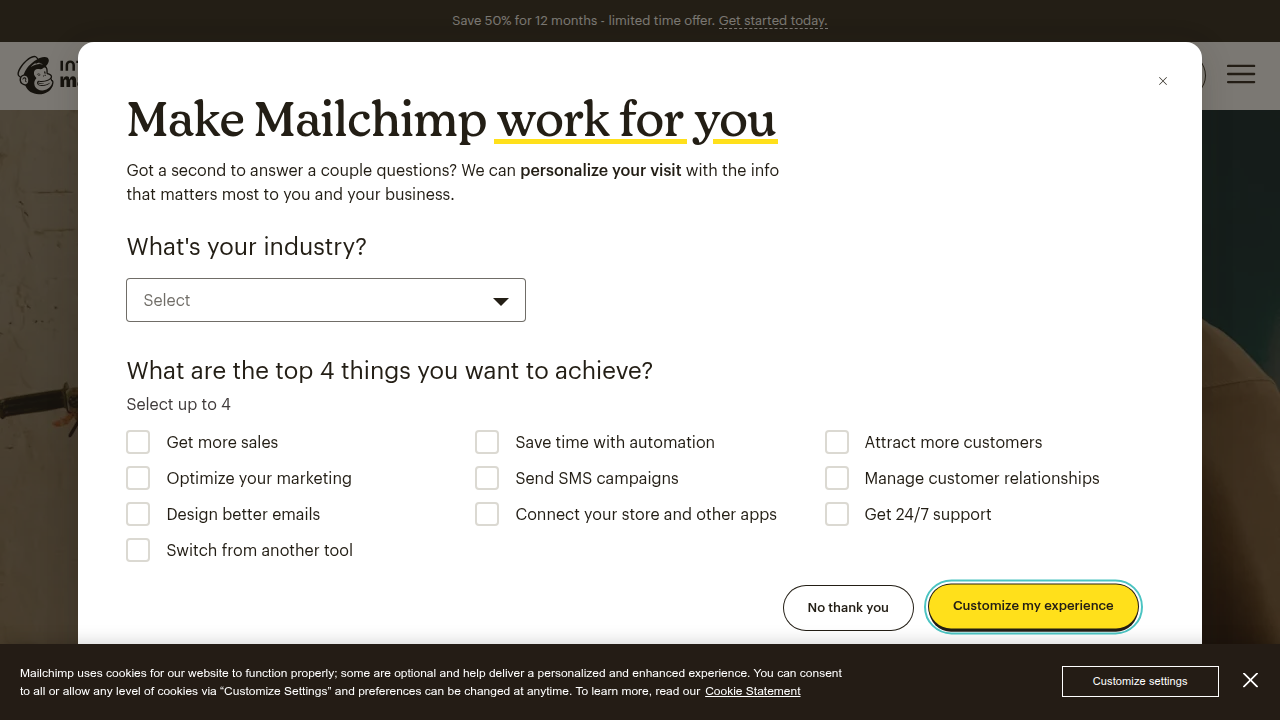
One of the biggest shifts is the registration wall. Instead of letting anyone browse premium content for free, smart publishers ask for an email address or a quick signup. This consent-based data collection is the foundation of every modern marketing campaign. When you offer real value in return, like an exclusive article or a personalized content feed, people are happy to share their information. As explained in this guide on data privacy marketing in a cookieless world, systematic and consensual data collection through email signups and loyalty programs keeps your digital marketing channels running strong.
Contextual targeting is another winner. Instead of tracking individual users across the web, you place your ads based on the content someone is reading right now. It is privacy-safe and surprisingly effective. When you combine contextual signals with your own first-party data, you get sharper audience targeting without relying on third-party brokers.
The secret sauce is transparency. People will hand over their data when they trust you. That means being clear about what you collect and why. Offer a clear value exchange, like premium content for a profile. This approach reduces your reliance on expensive third-party data and builds a loyal audience that actually wants to hear from you.
For a deeper look at how to structure your own online advertising programs around first-party and contextual data, check out this overview of digital marketing platforms in 2026.
As you build these strategies, staying current on industry shifts makes a big difference. You can get clear daily AI updates from The Deep View Newsletter to keep your growth marketing initiatives ahead of the curve.
Monetization Models That Fuel Growth
Once your growth marketing initiatives start pulling in reliable first-party data, the next logical step is making sure you actually make money from it. And here is the truth for 2026: the old playbook of relying only on display ads is dead.
The media companies winning right now are stacking multiple revenue streams on top of each other. They are not betting on a single income source. Instead, they build hybrid models that combine subscriptions, advertising, and premium memberships all at once. This approach offers real stability because when one channel slows down, another picks up the slack.
According to the 2026 media operator’s playbook, the streaming market is saturated and subscription growth is slowing down. That is why smart publishers are moving toward hybrid business models that mix ad-supported content with paid tiers. A reader who will not pay full price might accept a slightly cheaper ad-supported membership instead. That is revenue you would have lost entirely under a one-size-fits-all paywall.
But the most interesting shift in 2026 is the rise of new income streams that have nothing to do with ads. Media companies are now making serious money from events, data licensing, and commerce integration. Imagine your publication hosting a paid virtual summit or licensing anonymized audience insights to research firms. These are not side hustles anymore. They are becoming significant growth drivers.
And then there is affiliate marketing.
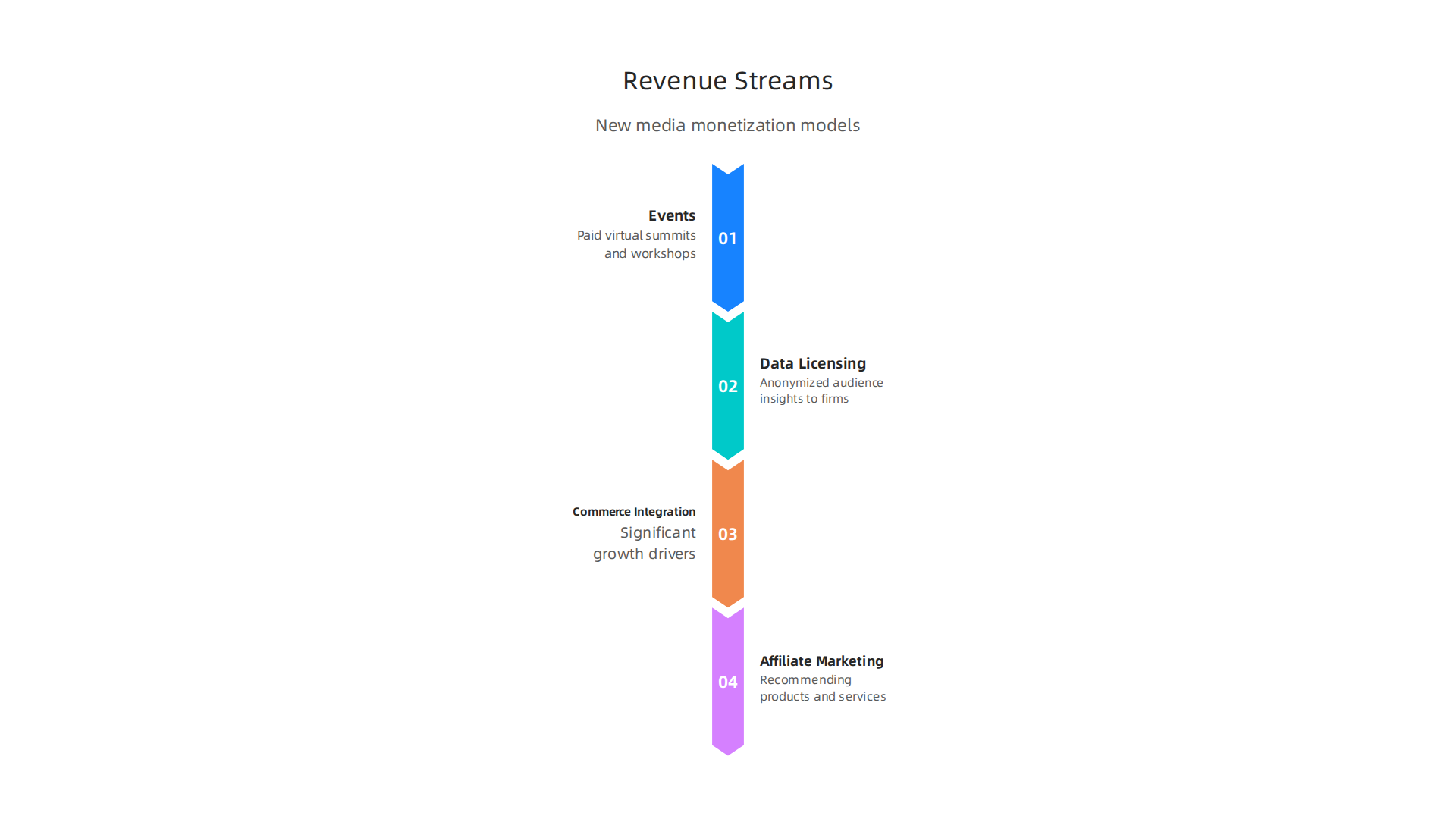
When your audience trusts you, recommending products or services through careful reviews and comparisons feels helpful, not pushy. As described in this overview of media monetization strategies, trust-first affiliate marketing where clicks feel like help rather than hustle is a proven way to diversify without damaging your brand.
One critical rule ties all of this together: balance your user experience with your monetization goals. If you load your site with ads, your subscribers will leave. If your premium membership offers no real value, nobody will renew. The goal is to find the sweet spot where your audience feels valued and you still hit your revenue targets.
For a deeper look at how to structure a complete growth engine around these principles, check out this playbook for growth marketing strategy in 2026. It walks through exactly how to pair your monetization models with data from your first-party strategies.
Hybrid Models and New Revenue Streams
Beyond the basic hybrid framework, three specific revenue streams are reshaping media business models in 2026.
First, smart publishers bundle ad-free subscriptions with exclusive content and community access. A monthly fee buys zero ads plus entry to a private group, early releases, or member-only interviews. This builds a deeper relationship than any paywall ever could.

Second, events and courses deliver high-margin revenue. Virtual summits, in-person workshops, and paid courses cost little to produce once you have an engaged audience. And they build real connections. The PwC analysis on transforming media monetization explains that events are now a critical part of the revenue mix for forward-looking publishers.
Third, data licensing and brand partnerships open entirely new income lines. Anonymized audience insights are valuable to research firms. Sponsored reports and co-branded content create recurring partnerships that do not depend on ad sales alone.
Each of these streams should connect intentionally to your growth marketing initiatives. Treat them as core pillars, not side experiments.
To keep up with these fast-moving trends, media professionals need reliable daily intelligence. The AI Newsletter Worth Reading delivers clear daily updates on AI and media innovation. It is a practical way to keep your strategies sharp without the information overload.
For companies ready to expand their reach, exploring effective experiential marketing strategies can help you connect with audiences in new ways and unlock these revenue streams faster.
Measuring What Matters: KPIs for Growth Initiatives
All those revenue streams only work if you can prove they are growing the right way. So how do you know if your growth marketing initiatives are actually paying off?
Stop chasing vanity metrics like page views or social likes. The real numbers are customer acquisition cost (CAC), customer lifetime value (LTV), churn rate, and activation rate. Together, these four give you a clear picture of health. A great overview of 2026 marketing KPIs from Attention shows how to calculate CAC and ROMI the right way.
But here is the key: you cannot just look at monthly averages. You need cohort analysis. Group customers by when they first signed up and track their behavior over time. This reveals which marketing campaign really drives long-term value and which one only looks good in month one.
Attribution also gets tricky. In 2026, a single customer might touch six different digital marketing channels before converting. Old last-click models miss most of the story. You need a multi-touch attribution model that spreads credit across the whole journey. This helps you stop over-investing in top-of-funnel online advertising programs that never convert.
To learn more about setting up a reliable measurement system, check out this detailed growth marketing strategy playbook. It walks through practical steps for aligning KPIs with real business outcomes.
Getting these numbers right is the only way to scale your revenue streams without wasting budget. Measure less, but measure what truly matters.
Cohort Analysis and LTV
Here is where the real insight lives. Monthly averages hide too much. Cohort analysis changes that by grouping users based on how they found you, when they signed up, or which campaign brought them in. This simple shift lets you see which marketing campaign actually creates lasting customers and which one only looks good on day one. The most useful marketing KPIs that connect directly to revenue and growth, and cohort analysis is a perfect example of that principle in action.
When you pair cohort tracking with LTV modeling, things get powerful. LTV helps you predict how much revenue a group of customers will bring over months or years. That prediction lets you spend smarter on your best growth marketing initiatives. Instead of guessing where to put budget, you know which digital marketing channels earn their keep over the long haul.
Media companies get the most out of this when they add experimentation. Run a test on one cohort, keep another as a control, and watch what happens. The difference shows you the real impact of your online advertising programs without the noise. For a deeper look at how structured testing fits into a broader strategy, check out these advanced AI tactics for performance marketing.
And if you want to stay current on how AI reshapes the tools behind these metrics, you can get clear daily AI updates from The Deep View Newsletter. It keeps you informed without the hype, so you can focus on what actually moves your numbers.
Conclusion: Turning Insights into Action
So where does all this data leave you? The goal is not to track more numbers. The goal is to make smarter decisions that drive real growth.
The most successful growth marketing initiatives in 2026 share three things, according to the latest guidance on Web & Marketing KPIs That Drive Growth in 2026. They are data-driven, meaning every marketing campaign starts with real numbers instead of gut feelings. They are AI-augmented, using smart tools to automate analysis and find patterns humans miss. And they are customer-centric, always asking what the audience actually needs.
But here is where many media companies trip up. They collect great data but keep it locked inside separate teams. Marketing has one set of numbers. Product has another. Data science lives in a different world. That kills your growth. You need to break down those silos. When marketing, product, and data teams share the same goals and the same metrics, your digital marketing channels start working together instead of against each other.
Continuous experimentation is the final piece. Small, rapid tests often produce the highest compound gains over time. Run a test on one online advertising program, learn from it, adjust, and run another. That cycle beats big slow bets every time.
To see how the most successful teams structure their testing and growth efforts, check out this guide on the 2026 playbook for growth marketing strategy.
And remember: the right metric to watch is the one that ties back to customer behavior and revenue. Stop chasing vanity numbers. Focus on what actually moves your business forward. That is the only way to turn insights into lasting action.
Summary
This article provides a practical, data‑driven framework for growth marketing in 2026, focused on building sustainable audience and revenue engines rather than chasing short‑term vanity metrics. It explains how modern growth work spans the full customer lifecycle—acquisition, optimization, retention, and monetization—and why teams must prioritize metrics like LTV, churn, and cohort retention. You will learn how AI and automation can analyze behavior, personalize experiences at scale, and free teams to focus on creative strategy while remaining mindful of privacy and transparency. The guide outlines how to replace third‑party tracking with first‑party data strategies, combine content, SEO, paid media and referrals, and structure hybrid monetization models that include subscriptions, events, commerce, and affiliate revenue. It also covers the measurement stack—analytics, experimentation, and personalization tools—and best practices for cohort analysis, multi‑touch attribution, and continuous testing. After reading, you’ll know which channels to prioritize, how to allocate budget to high‑value audiences, and which KPIs to use to prove and scale growth initiatives.