
How to Vet a Media Agency Lessons from Lamar Advertising and Top Certifications
Introduction
Navigating the world of media agencies can feel overwhelming. You have big names like Lamar Advertising dominating out-of-home (OOH) billboards and transit ads. And then there are countless digital shops offering paid search, social media management, and more. How do you know which partner actually fits your goals?

The landscape is vast. Specialized players like Lamar Advertising lead the charge in physical advertising space. At the same time, agencies like a digital reach agency focus purely on online performance. And many professionals chase certifications to prove their expertise. You might even see people looking for HubSpot inbound marketing certification answers to validate their skills. But without a clear framework, comparing these options is nearly impossible.
That is why we created this guide. We want to give you an actionable roadmap for vetting agencies, whether you are looking at a giant like Lamar Advertising or a smaller boutique partner. You will learn what questions to ask, what metrics matter, and how to leverage certification resources to stay competitive in 2026.
According to experts, the key to success is starting with clear business objectives and demanding full transparency in reporting (How to Choose a Media Buying Agency).
You also need a solid campaign plan that aligns your strategy with the right media partners (how to pick the right marketing campaign for real ROI).
And as you refine your approach, staying on top of rapid industry changes is essential. Get clear daily AI updates from The Deep View Newsletter.
Understanding Lamar Advertising: A Case Study in Out-of-Home Specialization
When people talk about out-of-home advertising, Lamar Advertising is usually one of the first names that comes up. And for good reason. Founded in 1902, the company has grown into one of the largest outdoor advertising providers in the world. With over 360,000 displays across the United States and Canada, Lamar offers a reach that few competitors can match. Its portfolio includes billboards, transit ads, airport displays, and interstate logo signs.

The company operates the largest network of digital billboards in the United States with more than 5,000 screens (Lamar Advertising Company background).
But why use Lamar as a case study for vetting agencies? Because it shows you exactly what specialization looks like at scale.
Real scale matters
Lamar has more than 3,300 employees and over 200 locations. That breadth gives advertisers coverage in nearly every major market. And it is not just about having many displays. It is about having the right ones in the right places. Local sales teams know traffic patterns, commuter routes, and neighborhood demographics inside out. The company has been operating for more than a century and has deep relationships with property owners and municipalities. That kind of infrastructure is hard to replicate (About Lamar Advertising).
Technology that adapts in real time
This is where Lamar really stands apart. Its digital billboards can switch content based on weather, time of day, or live sports scores. Ads can update in minutes with no production costs. That was impossible with traditional print billboards. While a digital reach agency focuses purely on online channels, Lamar shows how powerful physical advertising can be when it is backed by smart technology. And the numbers back it up. The OOH industry hit a record first quarter in 2026 with $2.12 billion in revenue. Digital out-of-home grew 12.9% year over year (OOH revenue first quarter 2026 high). Lamar has been a major driver of that growth.
Local knowledge at national scale
Here is the trick that makes Lamar a great example. Despite its massive size, it stays grounded in local markets. With hundreds of local offices, each team knows the best locations, the audience habits, and the community needs in its area. National scale combined with local smarts is rare. It is also exactly what you should look for when evaluating any media partner.
The takeaway for your agency search
When you study a company like Lamar Advertising, a clear pattern emerges. The strongest specialized agencies share three things:
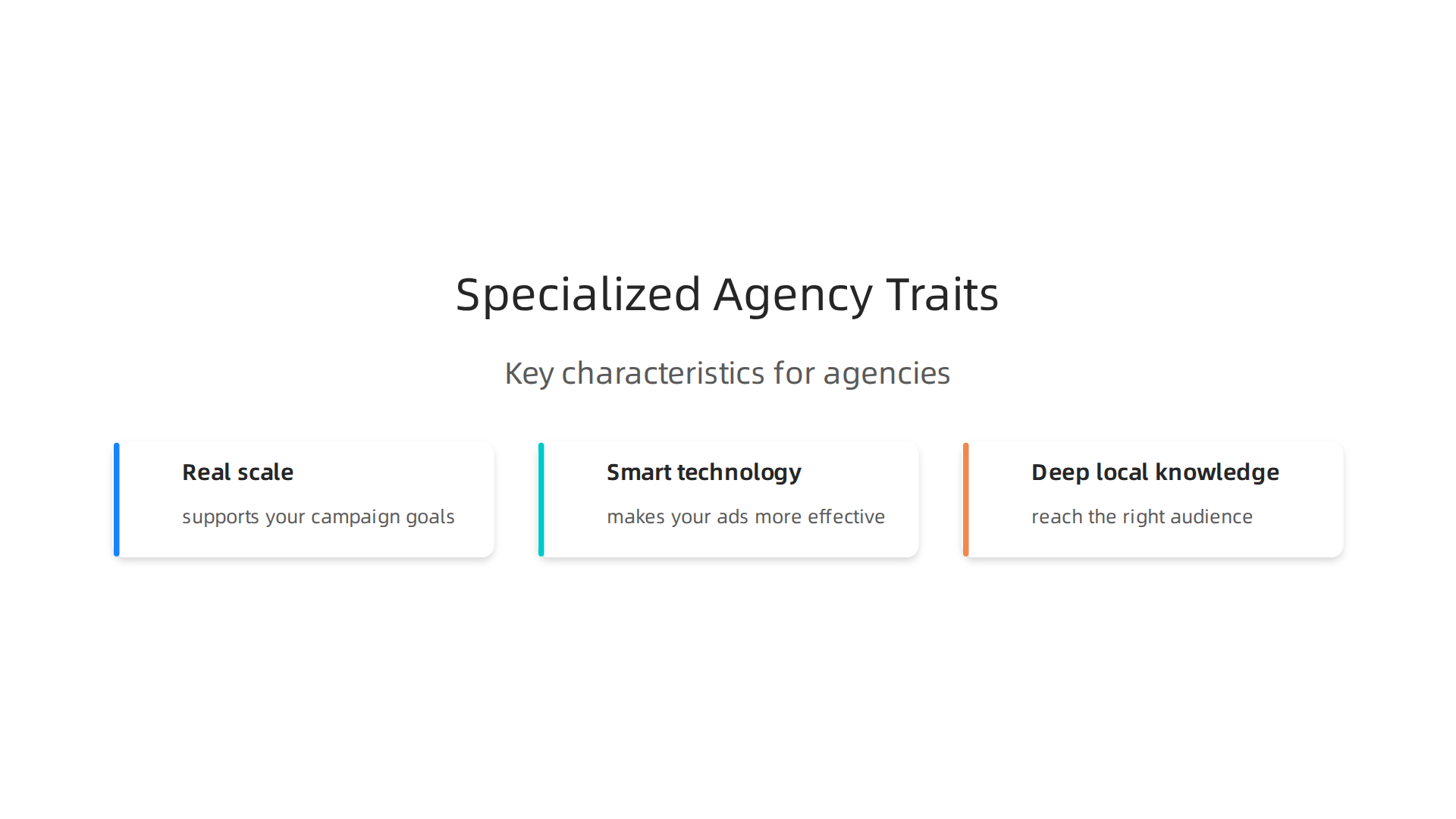
- Real scale that supports your campaign goals
- Smart technology that makes your ads more effective
- Deep local knowledge that helps you reach the right audience
Whether you eventually work with a giant like Lamar or a smaller boutique partner, look for those same traits. That is what separates a good agency from a great one.
If you want to explore how other major media companies are adapting to the 2026 landscape, check out our guide on navigating the 2026 media network terrain with Townsquare Media.
The Importance of Agency Certifications in Media Buying
You have seen how a company like Lamar Advertising proves that specialization matters. But scale and technology alone are not enough. The people running your campaigns need real credentials. Agency certifications act like a shortcut for trust.

They tell you that the team buying your ads actually knows what they are doing.
What certifications should you look for?
The advertising world has several respected certification programs.
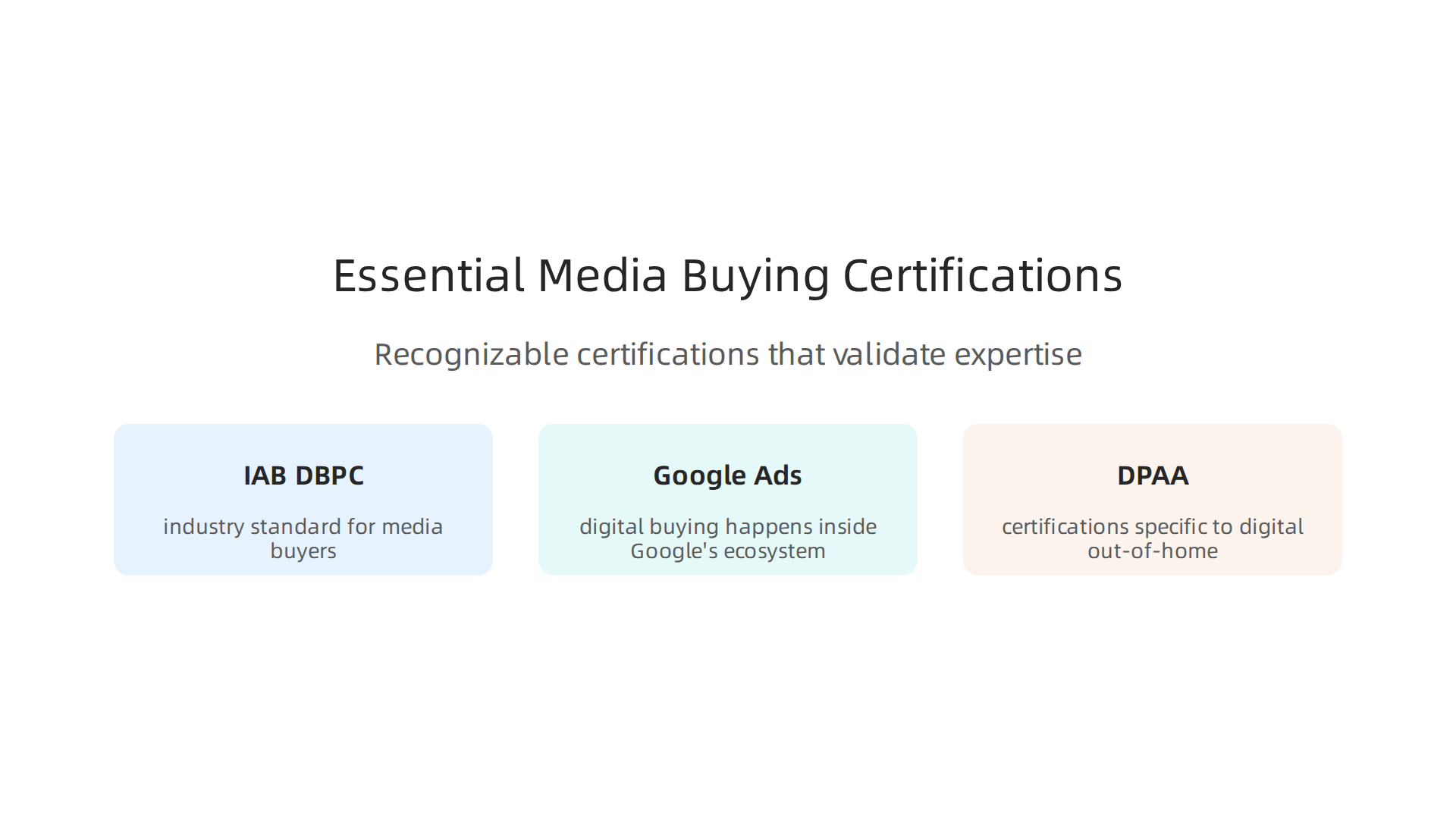
The most well-known comes from the Interactive Advertising Bureau (IAB). The IAB Digital Media Buying and Planning Certification (DBPC) is the industry standard for media buyers and planners (IAB Digital Media Buying & Planning Certification).
To earn it, professionals must pass a difficult exam that covers campaign strategy, execution, management, and ethics.
Google also offers certifications through its Ads platforms. These matter because so much digital buying happens inside Google’s ecosystem. And the DPAA gives certifications specific to digital out-of-home buying. When an agency touts a "digital reach agency" label, you should ask: do they have the credentials to back that up?
Why certifications build real trust
Here is the thing. In programmatic and data-driven buying, mistakes cost money. A poorly placed bid or a wrong audience segment can burn through your budget fast. Certified professionals have proven they understand the technical side. They know how to evaluate proposals, negotiate terms, and check for execution feasibility (IAB Digital Media Buying & Planning Study Guide). That matters whether you are buying a Lamar billboard or a targeted video ad.
Certifications also create accountability. If an agency’s team holds IAB certifications, they must renew them with continuing education. That keeps them current. And in 2026, the media landscape changes fast. You want partners who stay sharp.
How certifications help you choose the right partner
When you vet agencies, make certifications a checklist item. Ask how many team members hold current credentials. Ask which programs they prioritize. A team heavy on IAB and DPAA certifications likely understands the full media mix, from digital to out-of-home. That kind of cross-channel knowledge is exactly what you need for a modern campaign.
If you are also exploring broader partnership options, check out our guide to top branding agencies in 2026 for more tips on evaluating potential partners.
Keep learning as the industry evolves
Certifications are just one piece of the puzzle. You also need to stay on top of rapid changes like AI in advertising. That is why many media professionals subscribe to a daily source of clear updates. For quick, practical AI insights, check out The AI Newsletter Worth Reading. It cuts through the noise so you can make smarter decisions for your brand.
Evaluating Agency Credentials: Beyond the Name
A big name like Lamar Advertising can make you feel confident right away. The company operates over 360,000 displays across the United States and Canada and has been in business since 1902 (About Lamar Advertising). That is impressive. But name recognition alone does not mean the agency is the perfect match for your campaign. You have to look deeper.
What should you actually evaluate?
Start with the agency’s core capabilities. Do they have the technology stack needed to run your campaigns?
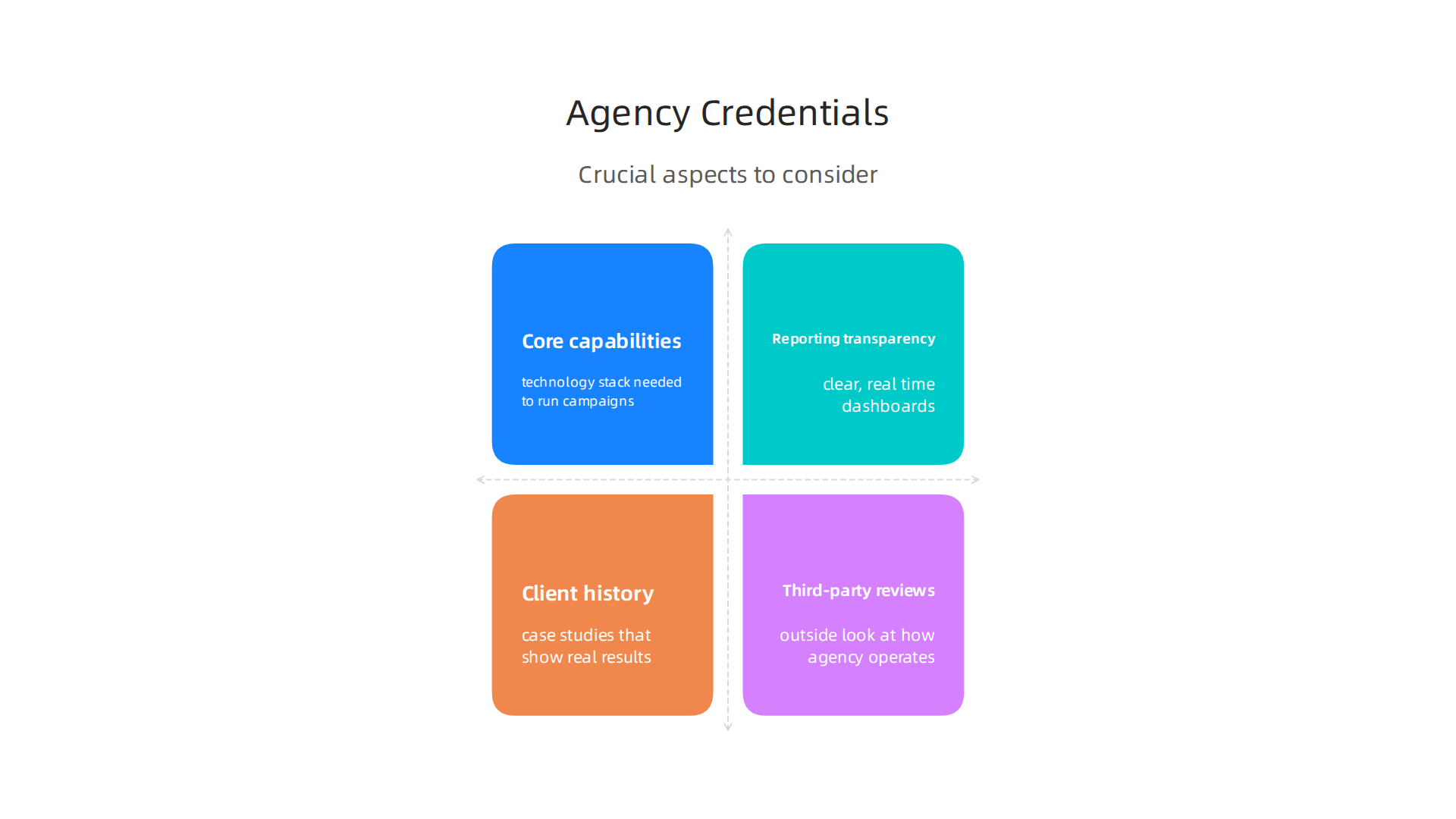
Do they handle data analytics in house or outsource it? Can they offer creative flexibility when your audience changes? Ask about their reporting transparency. You want clear, real time dashboards that show exactly where every dollar goes. A reputable partner should be able to show you how they use first party data and CRM integrations to improve targeting without sacrificing privacy (How to Choose a Media Buying Agency).
Another key area is client history. Ask for case studies that show real results, not just platform screenshots.
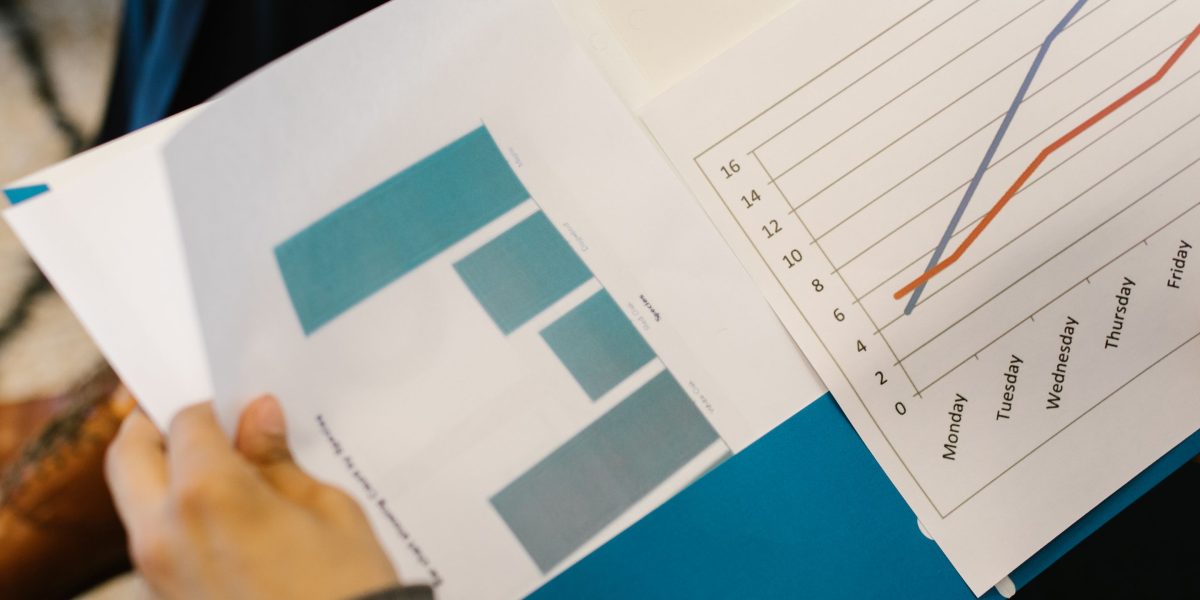
Look for proof of incremental ROI such as geo tests or holdout experiments. A strong agency will share both wins and lessons learned. That honesty tells you they care about outcomes, not just your budget.
Why third-party reviews matter
Agencies always put their best work on their website. That is why third-party reviews and objective case studies are so valuable. They give you an outside look at how the agency really operates. Check independent review sites, industry directories, and even social media mentions. Look for patterns. If many clients praise the same thing, like fast response times or creative flexibility, that is a good sign. If you see repeated complaints about hidden fees or slow reporting, take those seriously.
When you meet with potential partners, ask specific questions. How do they handle a campaign that is not performing? What tools do they use for attribution? Do they have experience in your industry? The answers will reveal whether they are a true expert or just a big name.
For a deeper look at how modern agencies build successful client relationships, check out our guide on brand strategy services and media success. It covers how the right partnership can drive long term growth.
The takeaway
Do not let a famous brand name like Lamar Advertising make the decision for you. Dig into the details. Evaluate the technology, the reporting, and the real world results. Third-party proof and transparent case studies will tell you far more than a logo ever could.
Leveraging Certification Resources for Career Growth
Certifications are not just for agencies. They help you as an individual grow your career too. Whether you work for a big company like Lamar Advertising or a smaller digital reach agency, earning a recognized credential shows you know your stuff. It can lead to better job offers, higher pay, and more respect from clients.
Two of the most respected certifications in media are:
-
IAB Digital Media Sales Certification – This one is for people who sell digital ad space. It proves you understand the full selling cycle, from pitching to closing. It is run by the Interactive Advertising Bureau and is recognized across the industry (Digital Media Buying & Planning certification from IAB).
-
DPAA OOH Certification – This one focuses on out-of-home advertising. If you work with billboards, transit ads, or digital place-based screens, this credential sets you apart. Lamar Advertising is one of the biggest players in OOH, so this certification is highly relevant if you want to succeed in that space.
Both certifications require a time commitment and a fee. The IAB exam costs around $400 for members and $500 for non-members. You typically need 25 to 40 hours of study (Media Buyer Certifications timeline). The DPAA exam has its own costs and prep materials. The payoff is worth it. Certified professionals often earn more and get hired faster.
How to choose the right certification for you
Start by thinking about your role. If you work in ad sales, go with the IAB Digital Media Sales Certification. If you focus on outdoor advertising, the DPAA OOH Certification is a better fit. If you handle inbound marketing, a HubSpot Inbound Marketing Certification can also boost your resume.
Look at the cost and time required. Some certifications need continuing education to stay active. The IAB requires you to renew every two years with ongoing education. That keeps your knowledge fresh.
Certifications also help you when moving between companies. If you leave a digital reach agency to join a brand like Lamar Advertising, your certification travels with you. It proves you can deliver results from day one.
For a broader view of what skills matter most in media today, check out our guide on marketing manager roles and trends in 2026. It covers the key competencies employers look for.
The bottom line
Investing in a certification is investing in yourself. It gives you a leg up in a competitive field. And when you combine that credential with experience at a top agency like Lamar Advertising, you become a powerful candidate for any role.
Stay ahead of the curve by keeping up with industry changes. For daily insights on how AI is reshaping media, consider subscribing to The AI Newsletter Worth Reading. It delivers clear, actionable updates that help you grow your career.
Building a Shortlist: How to Vet Agencies Like Lamar
When you are ready to pick an advertising partner, having a clear process matters. Whether you are considering Lamar Advertising or a smaller digital reach agency, you want to be sure they can deliver real results. Here is how to build a shortlist and vet agencies the right way.
Step one: Create a structured RFP and scoring system
Do not just ask for general capabilities. Focus on your unique needs. If out-of-home advertising is a priority, ask about OOH specialization, digital out-of-home (DOOH) experience, and how they integrate technology like programmatic buying. The OOH industry is growing fast. According to recent data, OOH advertising revenue reached a record $9.46 billion in 2025, showing strong demand for the medium. Make sure any agency you consider can keep up with that momentum.
Build a scoring system that weights factors important to you. Consider things like OOH experience, tech stack, client retention, and geographic reach. Lamar Advertising is a major player in OOH. But a digital reach agency might offer stronger programmatic targeting or data analytics. Score each candidate against your priorities.
Step two: Conduct reference calls and request real data
Do not settle for glossy case studies. Ask for performance data that matches your vertical. If you are a retailer, ask how they drove foot traffic. If you are a tech brand, ask about brand awareness lift. Good agencies will share meaningful numbers. They should be able to show you campaign results that prove their impact.
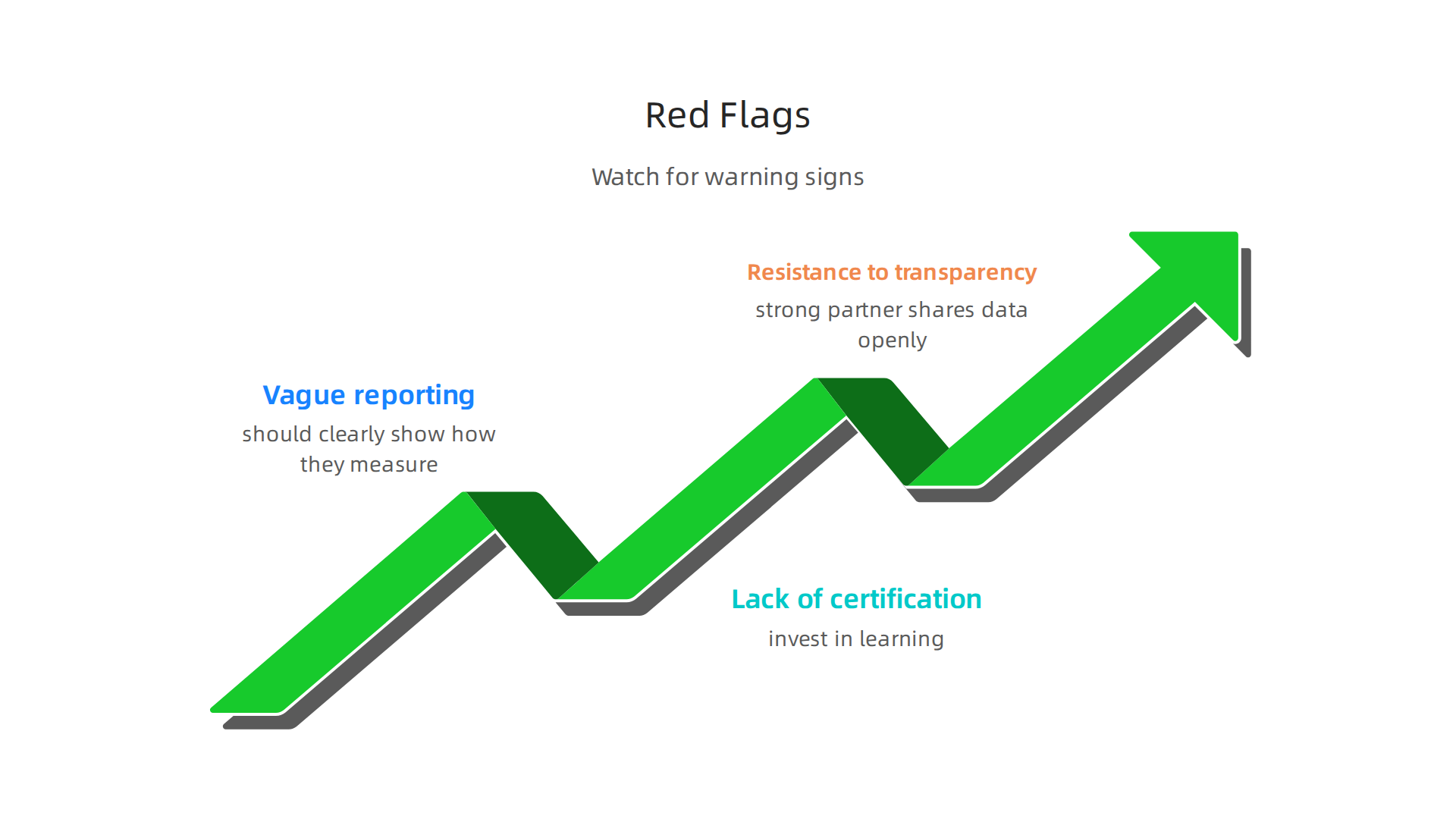
**Step three: Watch for red flags
**
Be careful if an agency gives you vague reporting. They should clearly show how they measure success. Another warning sign is a lack of certification. Professionals with credentials like the IAB or DPAA certifications show they invest in learning. Also, look out for resistance to transparency. A strong partner shares data openly. If they push back on sharing performance details, consider that a serious problem.
Vetting takes time, but it saves you from costly mistakes. For more on choosing the right partner, check out our article on top branding agencies in 2026. It covers how media companies evaluate agencies and what makes a partner stand out.
By following these steps, you can build a shortlist of agencies like Lamar Advertising that truly fit your needs.
The Future of Out-of-Home Advertising and Agency Partnerships
The out-of-home advertising world is changing fast. And that changes what you should look for in a partner like Lamar Advertising.
Digital out-of-home (DOOH) is driving most of the growth. In Q1 2026 alone, the U.S. OOH industry generated an all-time high of $2.12 billion in revenue, marking 20 straight quarters of growth. Digital formats increased 12.9% year-over-year and now make up 36% of total OOH revenue. You can check the full Q1 2026 OAAA revenue report for the details.
Programmatic buying is a big reason for that surge. The U.S. programmatic DOOH market is valued at roughly $2.2 billion, and spending is expected to hit $1.23 billion by 2026. Programmatic lets you buy ad space automatically, adjust bids in real time, and target specific audiences by location, time of day, or even weather conditions. This is a huge shift from the old days of renting a billboard for a fixed month.
AI is making things even more interesting. In Q1 2026, technology advertisers boosted their OOH spending by 139% year-over-year. Three AI brands — Genspark, OpenAI, and Lambda — were among the fastest-growing new OOH advertisers. These companies use AI to personalize ad content and optimize when and where ads show. The middle of your campaign, not just the planning phase, can now be adjusted on the fly.
What does this mean for you as you vet agencies? Look for partners that invest in these technologies. A traditional player like Lamar Advertising has massive reach and physical inventory. But a digital reach agency might offer stronger programmatic tools, data analytics, and real-time optimization. You need both scale and smarts.
The global DOOH market is projected to grow at a compound annual rate of 10.7% through 2030, reaching $39.12 billion according to DOOH market research from Grand View Research. Agencies that embrace programmatic and AI will lead this next wave. Those that don’t will fall behind.
Staying current on these technology shifts is essential. For daily insights on how AI is reshaping advertising and media, check out The AI Newsletter Worth Reading. It delivers clear updates straight to your inbox.
When you evaluate a potential partner, ask about their programmatic capabilities. Ask how they use AI. Ask how they measure real-time performance. The future of OOH is data-driven and automated. Make sure your agency is ready for it.
Summary
This guide explains how to vet media agencies—whether a giant out-of-home player like Lamar Advertising or a smaller digital reach agency—so you pick partners who deliver real results. It uses Lamar as a case study to show why scale, smart technology, and local market knowledge matter, and it breaks down the certifications and credentials you should check on teams. The article shows what to evaluate beyond brand recognition: tech stacks, reporting transparency, client case studies, and third‑party reviews. It gives a step‑by‑step shortlist and RFP scoring approach, highlights common red flags, and explains how certifications (IAB, DPAA, Google) both protect your investment and accelerate individual careers. Finally, it outlines the near‑term future of OOH—programmatic DOOH and AI—and what to ask agencies to ensure they can operate in that evolving landscape.