
Digital Marketing Platforms in 2026 How to Navigate the New Media Landscape
Navigating the New Media Landscape
The media industry is moving faster than ever. In 2026, new platforms, artificial intelligence, and shifting consumer behaviors are reshaping how audiences find and engage with content. Research from Deloitte’s 2026 Digital Media Trends report shows that companies need fresh strategies to capture and keep attention in this fragmented world.
For media executives, the stakes are high. Choosing the right digital marketing platforms is one of the most critical decisions you will make this year.

With so many online marketing platforms, advertising services, and marketing strategy company options available, it is easy to feel overwhelmed. You need a clear path forward, not more noise.
That is exactly what this guide offers. We provide a structured overview of the digital marketing platforms ecosystem in 2026. You will discover the biggest trends shaping the space, the types of advertising services that actually deliver, and actionable strategies you can put to work today.
We also explore how online marketing platforms are integrating AI to drive better results. To see how these pieces fit into your broader business approach, check out our deep dive on building a marketing mix strategy in 2026.
And if you want to stay informed on how AI is transforming media every single day, the Deep View Newsletter delivers clear, practical updates straight to your inbox. It is the AI newsletter worth reading.
Let’s dive into the new media landscape and find the tools that will help you win in 2026.
The State of Digital Marketing Platforms in 2026
The numbers paint a clear picture: digital marketing platforms are no longer a nice to have. They are the engine room of modern media. The global digital marketing software market is projected to surge from around $252 billion in 2025 to over $536 billion by 2035, according to a recent industry study. At the same time, spending on digital advertising and marketing is expected to hit $786 billion in 2026, as reported by WordStream. That is a massive wave of investment.
So what does this mean for you? It means the tools you choose today must do more than one thing. Gone are the days of using separate systems for email, social, ads, and analytics.
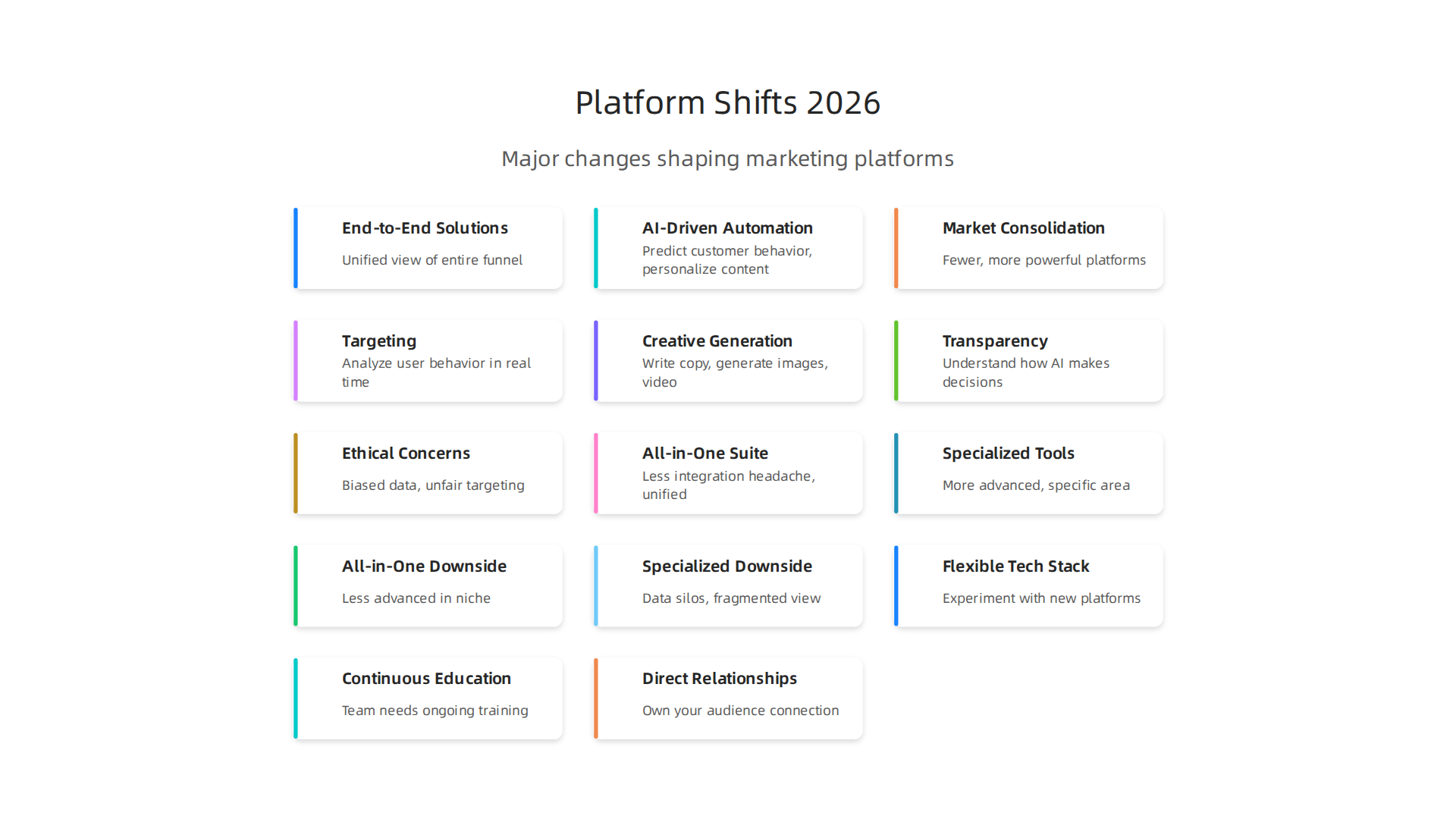
The leading online marketing platforms now offer end to end solutions. They handle everything from planning and audience targeting to execution and attribution. You get a unified view of your entire funnel.
Another big shift is AI driven automation. Platforms are embedding machine learning into their core. This helps you predict customer behavior, personalize content at scale, and optimize bids without manual tweaking. If you want to see how this changes the way you run campaigns, our guide on native advertising in 2026 explains how AI is reshaping ad formats and targeting.
Market consolidation is also accelerating. Major players keep buying smaller niche companies to fill gaps in their offerings. This means fewer but more powerful platforms. As a media professional, you need to pick a marketing strategy company or platform that fits your specific goals and audience. The right choice can save you time and money while boosting performance.
In short, the digital marketing platforms landscape in 2026 is bigger, smarter, and more integrated than ever. Understanding these trends is the first step to building a strategy that works.
AI’s Transformational Role in Advertising
AI is no longer just a buzzword in advertising. It is actively changing how you target audiences, create ads, and measure performance. In fact, for every dollar invested in AI advertising technology, companies get back an average of $8.44 in incremental revenue, according to the Salesforce State of Marketing report. That is a huge return.
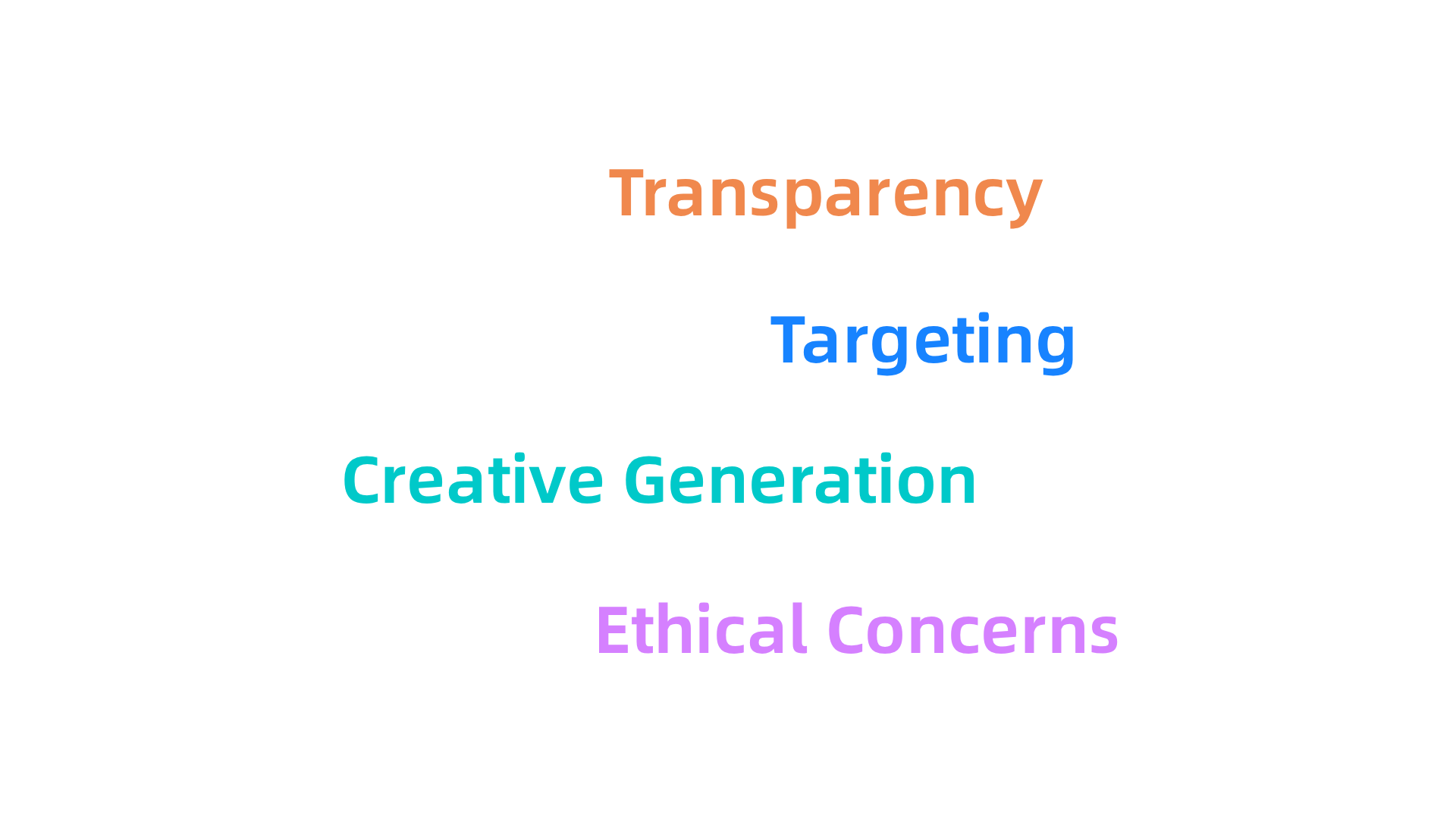
So how does AI actually reshape advertising? Start with targeting. Programmatic advertising now relies heavily on machine learning to analyze user behavior in real time.
These systems decide who sees your ad, when, and at what bid price. They learn from every impression and click, getting smarter over time. This means your ad budget goes further because you are not wasting money on people who will never convert.
Creative generation is another big shift. AI tools can now write ad copy, generate images, and even produce video ads in minutes. You can test dozens of variations without hiring a full creative team. The result? More personalized ads that match what each user cares about.
But here is the thing: despite all this power, many advertisers are not seeing results yet. A 2026 eMarketer study found that 61% of advertisers have not seen meaningful gains from AI, and only 30% trust it. That gap between adoption and success is real. Part of the problem is transparency. Black box algorithms can feel risky. You need to understand how AI makes decisions, especially when spending serious money.
Ethical concerns also matter. Biased data can lead to unfair targeting. You must keep a human in the loop to check outputs and make sure your brand stays authentic.
To truly benefit from AI in advertising, you need ongoing education and a smart strategy. One way to stay ahead is to follow trusted sources that break down AI developments daily. The Deep View Newsletter delivers clear, practical updates on AI and tech for media professionals. It helps you cut through the noise and actually use AI to grow your business.
Want to see how AI is reshaping specific ad formats? Check out our guide on native advertising in 2026 for a deeper look.
Navigating the Platform Ecosystem: All-in-One vs. Specialized Tools
So you have seen how AI can transform your advertising. Now comes the hard part. Which tools should you actually use? The digital marketing platform market is massive and growing fast. The global marketing automation software market alone is projected to surge from $7.23 billion in 2025 toward $20.12 billion by 2026. That is a lot of options.
You basically have two paths. The first is an all-in-one suite from giants like Adobe or Salesforce.
ng suite.](https://mediaindustrynewstoday.com/wp-content/uploads/2026/06/weblish-inline-31183.png)
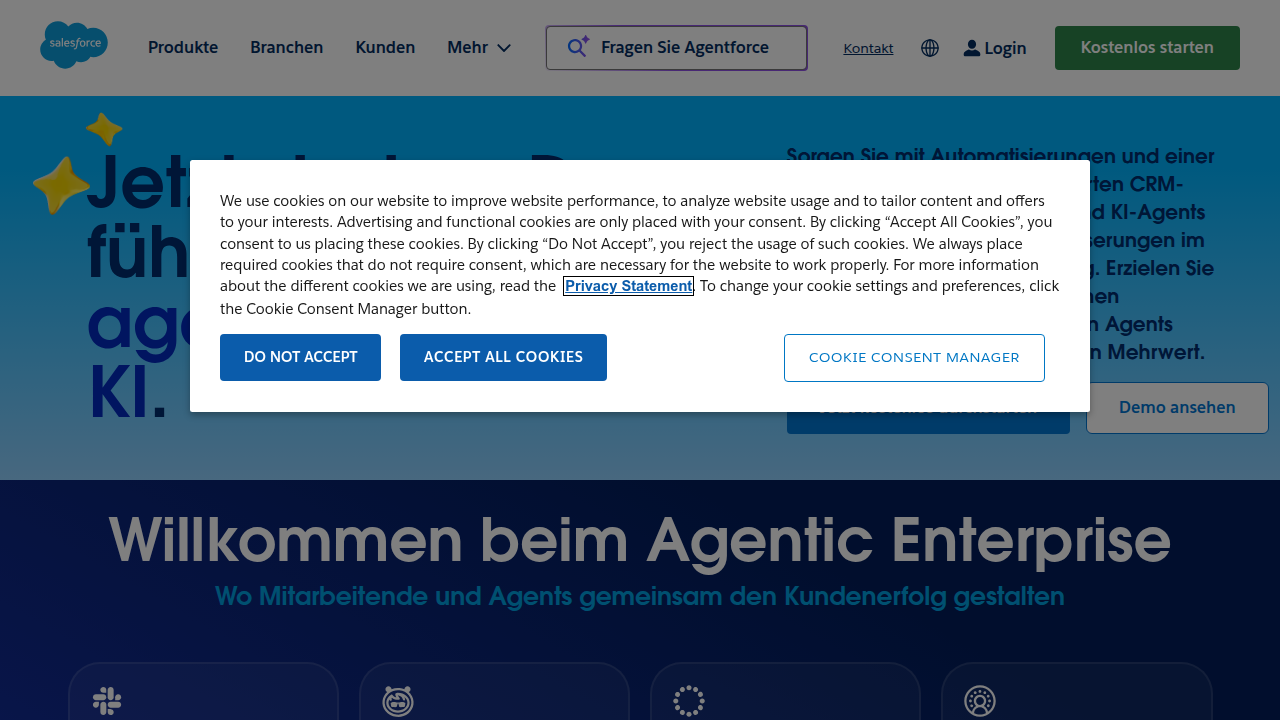
These platforms give you everything under one roof. Email, social, ads, analytics, you name it. The big advantage? Less integration headache. Everything talks to everything else. Your marketing strategy company can manage the whole funnel from one dashboard.
The second path is specialized tools. These are best-of-breed platforms that do one thing incredibly well. You might use one tool for email, another for social listening, and a third for programmatic ads. The upside is power. Each tool tends to be more advanced in its specific area. The downside is real though. Data silos can kill your momentum. When your platforms do not share data smoothly, you lose the full picture of your customer journey. That is a major pain point for many media professionals in 2026.
Here is where the market is heading. Newer online marketing platforms are popping up with niche capabilities. Think platforms built specifically for connected TV advertising, audio ads on Spotify and podcasts, or retail media networks inside Amazon and Walmart. These specialized advertising services let you reach audiences in new ways that older suites cannot match.
So which is right for you? It depends on your size, budget, and goals. Small teams often benefit from an all-in-one solution to keep things simple. Larger organizations with dedicated specialists may prefer best-of-breed tools that give them an edge in specific channels.
To make smart choices in this crowded space, you need to stay updated on what is actually working. The Deep View Newsletter delivers clear daily insights on AI and media tech so you can pick the right platforms with confidence. It helps you cut through the noise and build a stack that actually drives results.
Overcoming Data Overload: Analytics and Attribution Challenges
You picked your digital marketing platforms. But now you face a new headache: data overload. Your online marketing platforms scatter data everywhere.

One tool holds your advertising services data. Another keeps email performance. A third stores customer relationship data. This fragmentation makes it nearly impossible to see the full picture.
Think about it this way. Your platforms generate tons of data every day. But if that data does not talk to each other, you end up with conflicting reports. One platform says your campaign is a hit. Another says it flopped. Which do you believe? That confusion is exactly why so many advertisers struggle to trust their AI tools. According to a 2026 eMarketer report, 61% of advertisers who use AI have not seen meaningful results yet. Only 30% trust AI completely. The problem is not bad technology. The problem is disconnected data that gives you conflicting signals.
That is where AI-powered attribution models come in. They replace the old last-click model that gave all credit to the final touchpoint. Multi-touch attribution spreads credit across every interaction. Algorithmic models go deeper. They analyze millions of data points to find patterns humans would never spot. The results speak for themselves. Every $1 invested in AI advertising technology returns an average of $8.44 in incremental revenue. And top AI adopters expect revenue growth 60% higher than their peers by 2027.
But privacy regulations and cookie deprecation add another layer. Third-party cookies are mostly gone in 2026. You cannot track users the same way anymore. This pushes you toward first-party data strategies. Collecting data through email signups, loyalty programs, and on-site behavior becomes your new foundation. Your marketing strategy company needs to adapt fast.
The landscape shifts every month. Staying on top of attribution changes and AI tools is hard work. That is why The Deep View Newsletter delivers clear daily insights on AI and media tech. It helps you cut through the noise and build attribution systems that actually drive results.
Audience Engagement and Content Strategy in a Fragmented World
Good attribution data tells you where your audience came from. But here is the real challenge in 2026. It does not tell you how to keep them engaged once they arrive. Your audience’s attention is spread across more channels than ever before. Social feeds. Search results. Streaming platforms. Connected TV. Audio apps like Spotify and Apple Podcasts. The consumer journey is no longer a straight line. According to the 2026 State of Social Media Trends Report from Power Digital, the journey is now platform-stacked. People bounce between TikTok, Instagram, YouTube, and podcasts in a single purchase decision.
So how do you build a content strategy that actually holds attention in this chaos? You need personalization at scale. That means investing in a Customer Data Platform (CDP) that pulls first-party data from every touchpoint. Then you pair it with AI-driven content recommendations. The AI learns what each person cares about. It serves them the right blog post, video, or ad at the exact moment they are ready to engage. This is where your digital marketing platforms start working together as one system instead of a pile of disconnected tools.
But personalization alone is not enough. The brands winning in 2026 are building real communities. They are investing in loyalty programs, exclusive content, and year-round social engagement.

As Deloitte’s 2026 Digital Media Trends report points out, owners of strong fandoms can host year-round social content to boost retention and monetize fan engagement. The data backs this up. Research from SocialFactor found that 76% of brands say sponsored content with creators outperforms traditional advertising. Audiences trust people, not banner ads.
Here is the bottom line. Your online marketing platforms deliver data. Your advertising services deliver reach. But your content strategy delivers relationships. Without a plan to engage people across every channel they use, you will lose them to a competitor who does it better. That is why staying current on these trends matters so much. The landscape shifts fast. The Deep View Newsletter helps you keep pace with daily insights on AI and media strategy, so your content never falls behind.
Monetization Models: Beyond Traditional Advertising
Here is the hard truth for 2026. Relying only on ad revenue is risky. Ad budgets shift fast. Consumer behavior changes overnight. So smart media companies are diversifying fast. They are building revenue streams that do not depend on a single ad buyer. And the numbers prove this works. By 2026, creators alone will earn $20.6 billion through diverse monetization methods, up 16.2% from 2025, according to Socialync.
So what does this look like in practice? First, subscriptions are booming. People will pay for exclusive content, ad-free experiences, and community access. Second, audience data has become a valuable asset. Media companies monetize first-party insights ethically by selling anonymized data to advertisers and brands. Third, premium content like members-only videos, newsletters, and live events creates recurring income.
But programmatic advertising is not dead. It is evolving. Connected TV (CTV) and in-stream video ads now dominate the programmatic landscape. Adtelligent reports that video ad formats continue to grow, and direct deals with premium publishers are making a comeback. The key is mixing open exchange programmatic with guaranteed private marketplace deals for higher CPMs.
Here is where AI really changes the game. AI-powered yield optimization tools now automatically adjust pricing, inventory allocation, and ad placement in real time. As SAP’s 2026 media playbook explains, modern operators use machine learning to predict which inventory will sell at the highest price and reserve it accordingly. No more leaving money on the table.
The smartest media companies treat monetization as a portfolio. Subscriptions, data licensing, programmatic ads, and affiliate revenue all work together. If one stream drops, others carry the load. To execute this well, you need the right tools. A solid set of digital marketing platforms helps you manage these revenue streams without chaos.
Bottom line: stop betting everything on a single ad network. Start building multiple income sources today. Stay ahead of these shifts with daily strategy insights from The Deep View Newsletter. It breaks down the monetization moves that matter.
Regulatory and Privacy Landscape
Here is the reality check for 2026. You cannot build a smart monetization strategy without understanding privacy regulations. They are not optional anymore.

They shape everything from how you collect data to how you target ads.
Let me break down what is happening.
First, the regulatory map keeps growing. GDPR and CCPA were just the start. Now states like Virginia, Colorado, and New York have their own privacy laws on the books. By 2026, the patchwork of state-level regulations is getting complex fast. A comprehensive 2026 guide to state privacy laws from Cape.io shows that digital advertisers must navigate different rules for data collection, consent, and opt-out rights in nearly every major market. Some states now even ban targeted advertising to minors outright, as Kilpatrick notes in their 2026 privacy outlook.
Second, the third-party cookie is finally dying. Google has moved forward with deprecation, and the entire industry is scrambling. This change is accelerating the shift to first-party data and consent-based solutions. According to eMarketer’s 2026 digital privacy trends report, privacy pressures are reshaping how marketers think about targeting altogether. AI, regulations, and consumer concerns are forcing a complete rethink.
So what do you need to survive? Compliance technology. Consent management platforms (CMPs) and privacy-safe identifiers are no longer nice to have. They are essential tools. The Termly data privacy regulations guide for 2026 outlines how businesses must implement proper notice, choice, and data management systems to stay compliant.
Here is the thing. These changes are not just about avoiding fines. They are an opportunity. Media companies that invest in first-party data strategies and transparent data practices will build deeper trust with their audiences. And trust drives engagement, loyalty, and ultimately revenue.
The best digital marketing platforms now bake privacy compliance directly into their advertising services. If you are working with a marketing strategy company, make sure they understand the regulatory landscape. Your targeting capabilities depend on it.
To stay ahead of these privacy shifts and understand how they affect your media strategy, get daily insights from The Deep View Newsletter. It covers the regulatory moves that matter for media professionals.
Future-Proofing Your Media Strategy
So how do you build a strategy that actually lasts in this shifting landscape? The answer is not picking one perfect platform and sticking with it forever.
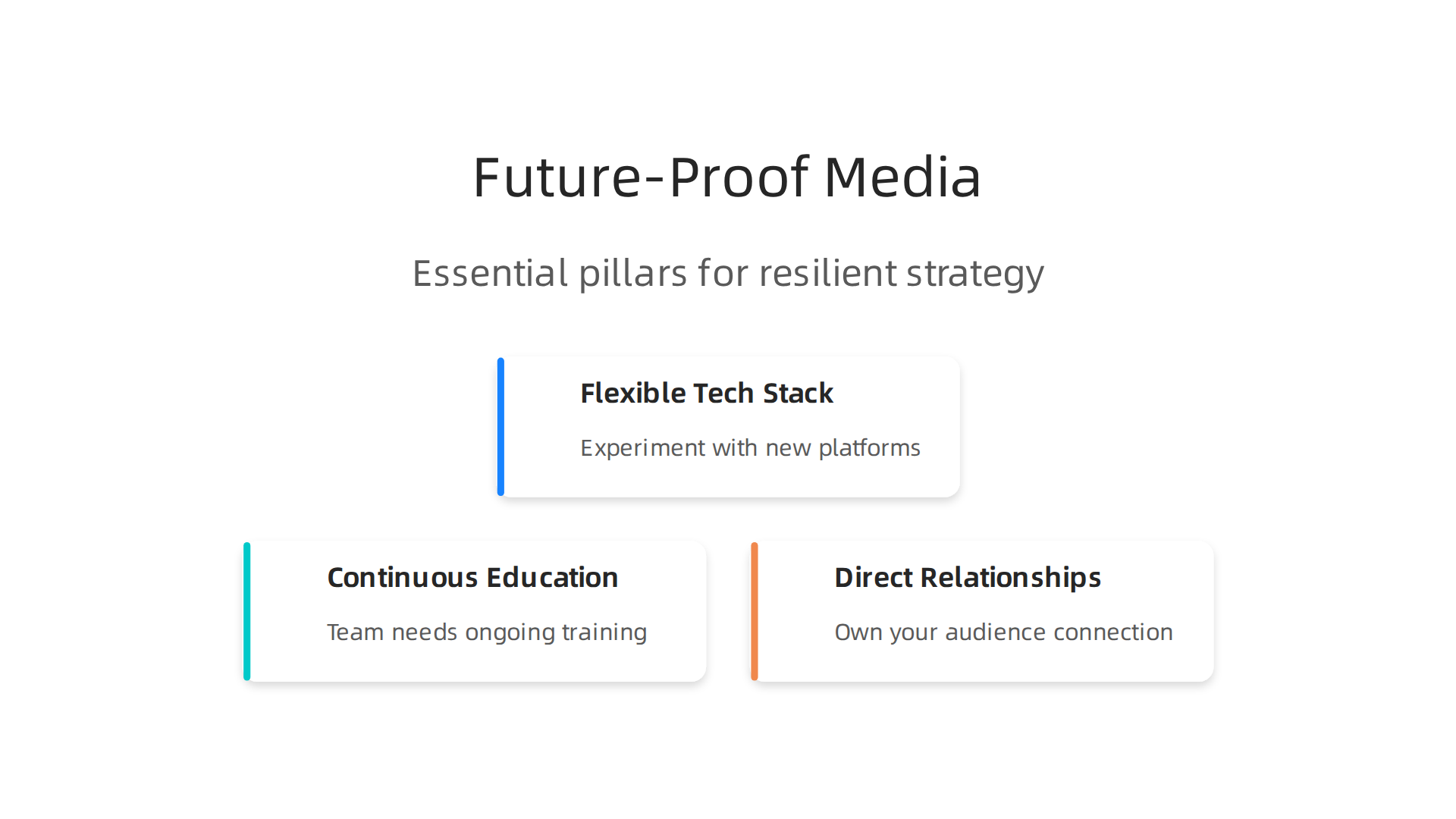
It is about staying flexible, keeping your team sharp, and owning your audience.
Here is what matters most in 2026.
Stay flexible with your tech stack. The best digital marketing platforms change fast. What worked last year might not work tomorrow. You need to experiment with new online marketing platforms and drop tools that no longer deliver. According to SAP’s 2026 media operator’s playbook, the key to scaling revenue is connecting the right technology with the right workflows. That means regularly auditing your advertising services and replacing anything that slows you down.
Invest in continuous education. AI and data analytics are not one-time lessons. They evolve every quarter. Your team needs ongoing training to keep pace. The Avenga guide to media monetization in 2026 shows how traditional media companies are retraining staff to adapt to new revenue models. Whether you work with a marketing strategy company or handle things in-house, make learning a constant priority. Understanding how AI personalization is reshaping native advertising is one example of the knowledge your team needs today.
Build direct relationships with your audience. This is the big one. When you own the relationship, you reduce your dependency on intermediaries. Socialync’s 2026 monetization report notes that creators are projected to earn $20.6 billion this year, up 16.2% from 2025. Much of that growth comes from platforms that let creators connect directly through subscriptions and exclusive content. The same logic applies to media companies. The stronger your direct connection, the less you rely on third-party gatekeepers.
A marketing mix strategy focused on audience ownership will outperform one that depends on rented channels every time. Combine that with a flexible tech stack and a learning culture, and you position yourself to weather any industry shift.
To stay current on the media strategy trends and technology changes that matter, get daily insights from The Deep View Newsletter. It covers the AI and tech developments media professionals need to know.
Summary
This guide explains how the digital marketing platform landscape changed in 2026 and what media professionals must do to win. It covers major trends—AI-driven automation, platform consolidation, the rise of specialized channels like CTV and audio, and the shift from third-party cookies to first-party data—and shows how those forces affect targeting, creative, attribution, monetization, and privacy. You’ll learn the tradeoffs between all‑in‑one suites and best‑of‑breed tools, how to reduce data fragmentation with CDPs and algorithmic attribution, and practical ways to diversify revenue beyond ads. The article stresses the need for human oversight of AI, compliance with evolving privacy laws, and continuous team training. After reading, you’ll be able to evaluate platform choices, design a privacy-first data strategy, improve measurement, and build a more resilient monetization mix for 2026 and beyond.