
Top Affiliate Marketing Platforms in 2026 Compared for Media Companies and Creators
Introduction: The Affiliate Marketing Revolution in 2026
The affiliate marketing industry is going through a massive shift in 2026. Global spending on affiliate marketing hit $19.4 billion this year, up from $17.1 billion in 2025. That is a big jump, and it shows no signs of slowing down. The numbers come from the latest Affiliate Marketing Statistics 2026 report, which tracks over 130 data points across the industry.
What is driving this growth? Two things stand out: the creator economy and artificial intelligence. Content creators now earn 47% more from affiliate revenue compared to last year. AI tools are helping publishers and marketers find better products to promote, personalize their recommendations, and track performance in real time. The result is a channel that works for everyone who uses it.
For media professionals, this is a huge opportunity.

You already have traffic coming to your site. An affiliate marketing platform helps you turn that traffic into steady income without building your own products. The right platform does the heavy lifting: finding offers, managing links, tracking sales, and making sure you get paid on time.
But not all platforms are the same. Some focus on small bloggers. Others are built for enterprise teams that need a full marketing cloud with automation features. Some work best with social media management tools like Buffer, while others integrate directly with major advertising networks. Choosing the wrong one can cost you time and money.
That is why we put this guide together. We will compare the top affiliate marketing platforms available in 2026. You will learn which ones work best for media companies, publishers, and content creators. We will also share actionable insights to help you start earning more from your traffic right away.
The affiliate marketing space is moving fast. To stay on top of the latest trends in AI, media, and digital marketing solutions, we recommend The AI Newsletter Worth Reading. It delivers clear daily updates straight to your inbox.
Now let us dive into the top affiliate marketing platforms and find the one that fits your needs.
What Is an Affiliate Marketing Platform and Why It Matters in 2026
An affiliate marketing platform is software that connects publishers, creators, and merchants in one automated system. Instead of managing partnerships through spreadsheets and manual emails, you get a central dashboard that handles tracking, payouts, and campaign management for you.
Here is how it works. When someone clicks your affiliate link and makes a purchase, the platform records the sale, calculates your commission, and processes the payment.
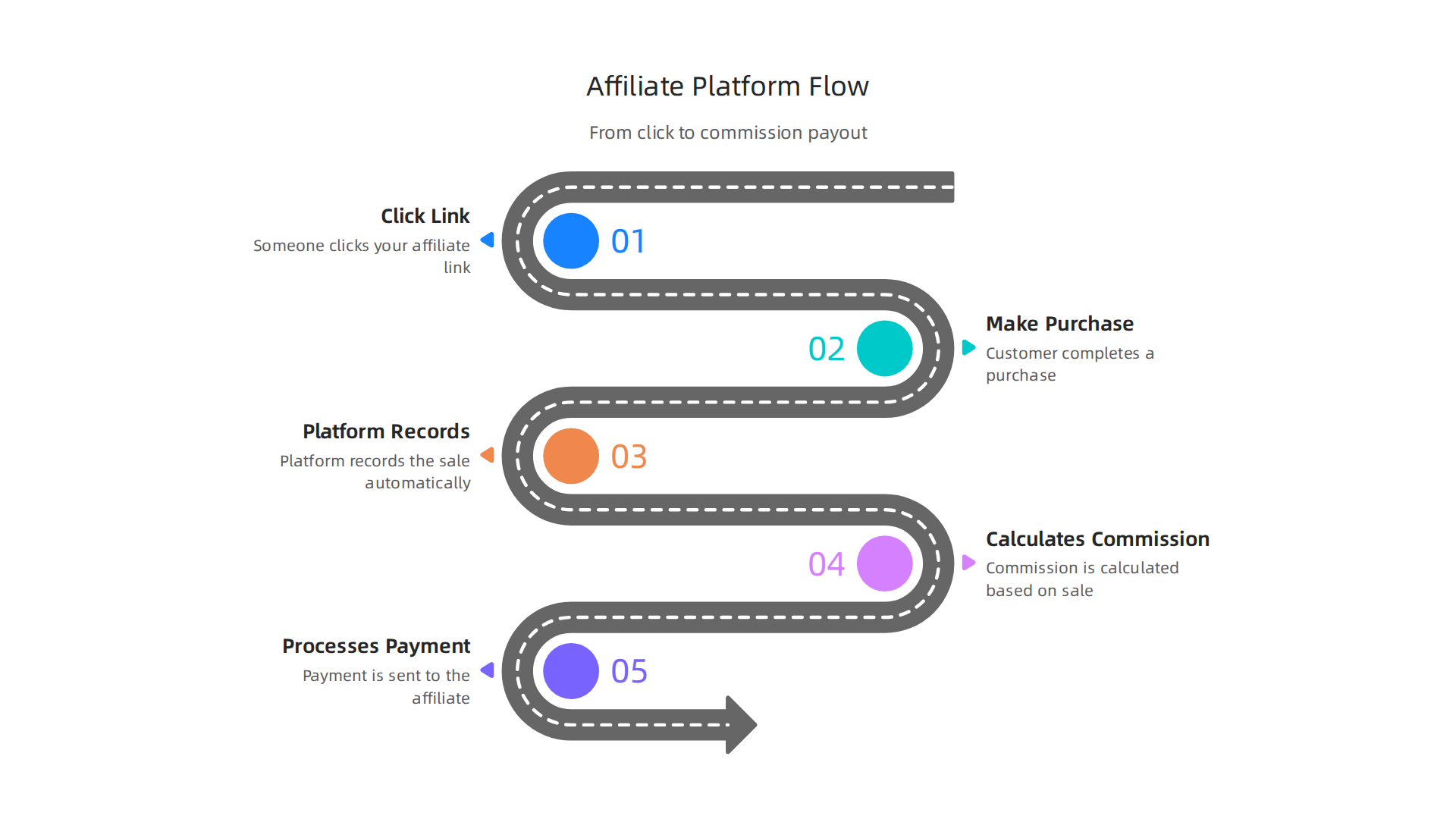
You do not have to chase anyone for your money. The platform does that automatically.
For media professionals, this matters more than ever in 2026. You already produce content that attracts readers and viewers. An affiliate marketing platform turns that traffic into a reliable income stream without relying on ads that annoy your audience. There is no ad fatigue when you recommend products your readers actually want.
The numbers back this up. Research shows that over 90% of ecommerce businesses are expected to use affiliate marketing by 2026, and 84% of publishers already use affiliate programs to monetize their content. With global affiliate spending projected to hit $20 billion this year, the opportunity is massive.
What makes 2026 different is AI. Modern affiliate marketing platforms now use artificial intelligence to optimize your campaigns in real time. They analyze which products convert best for your specific audience and adjust recommendations automatically. They also detect fraudulent clicks and fake traffic before they cost you commissions.
This is a big deal for media companies that want to scale. Instead of manually testing dozens of offers, the platform learns what works and doubles down on it. You save time, reduce risk, and earn more from every visitor.
If you want to see how these tools fit into the bigger picture of modern advertising, check out our guide on the top digital marketing platforms in 2026. It covers how media companies use technology to drive real growth across multiple channels.
The right affiliate marketing platform does more than just link products. It becomes your automated revenue engine. In the next section, we will compare the top platforms so you can pick the one that fits your team and your goals.
Key Features to Look for in an Affiliate Marketing Platform
Now that you know what an affiliate marketing platform is and why it matters in 2026, let’s talk about what features actually matter when you pick one. Not all platforms are built the same. Some are great for small creators. Others are built for media teams managing hundreds of partnerships.
Here are the key features you need to look for.
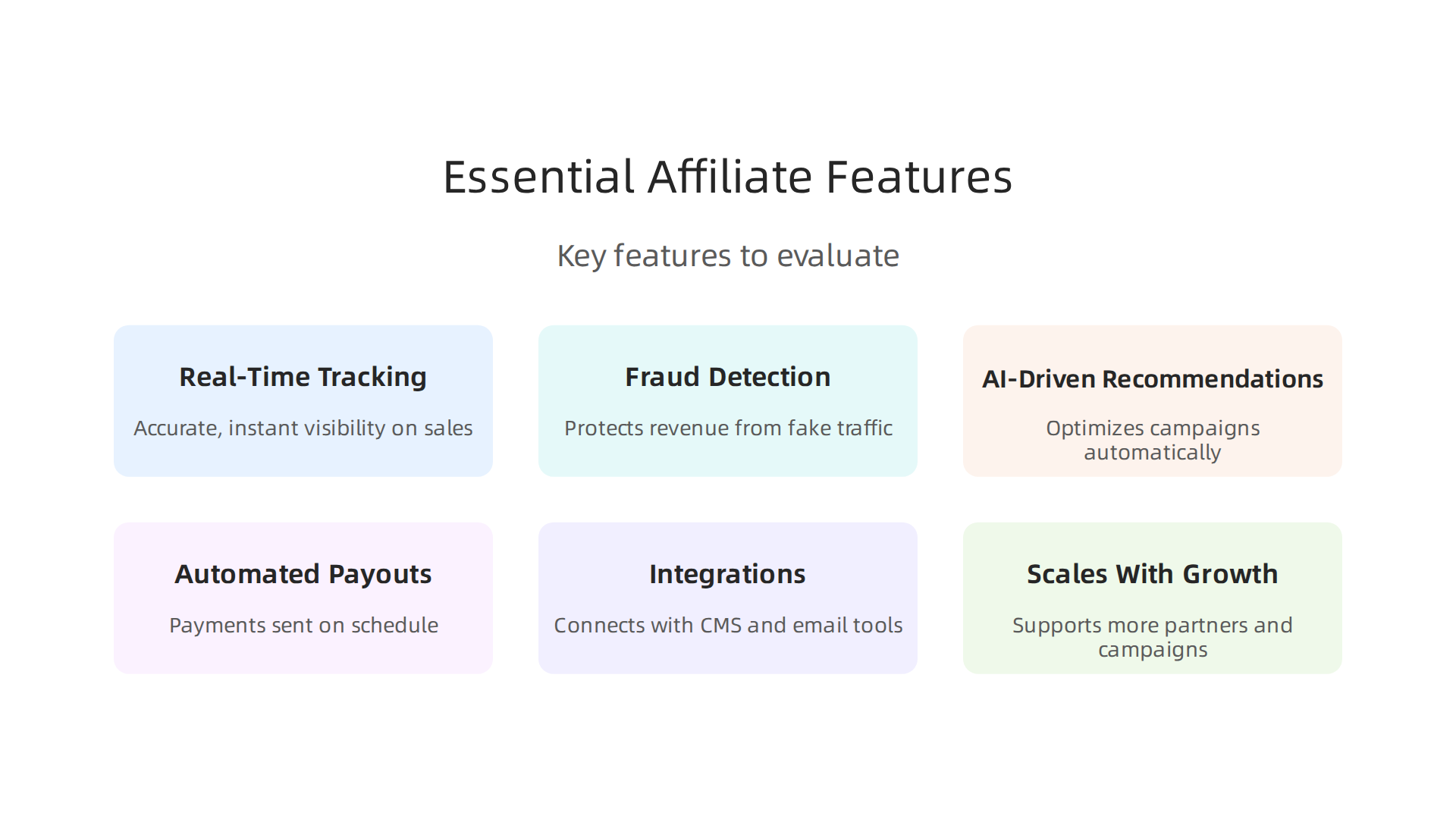
Real-Time Tracking That You Can Trust
Every sale depends on accurate tracking. If your platform misses a conversion, you lose money. The best platforms use real-time tracking so you see every click, lead, and sale the moment it happens. No delays. No guesswork.
Look for platforms that give you a clear dashboard where you can filter by campaign, partner, product, or date range. You want to know exactly which piece of content drove which sale. That is the only way to optimize what works and drop what does not.
Fraud Detection That Protects Your Revenue
Fake clicks and bot traffic are real problems in affiliate marketing. Some bad actors try to steal commissions by generating fake traffic. A good platform catches this automatically.
Many top-rated platforms now include built-in fraud detection. For example, one leading tracking tool includes an anti-fraud kit for affiliate tracking that identifies suspicious patterns before payouts go out. This saves you from paying for traffic that never had a real chance to convert.
AI-Driven Recommendations and Automated Payouts
This is where 2026 platforms truly stand out. AI analyzes your audience data and automatically suggests which products or offers will perform best. Instead of testing dozens of options manually, the platform learns and adjusts for you.
Modern platforms also handle payouts automatically. Set your commission rules once, and the system sends payments on schedule. No manual spreadsheets, no chasing partners, no late payments.
One industry analysis of the best affiliate marketing platforms in 2026 highlights AI-driven automation as a key differentiator for enterprise brands. The platforms that invest in smart automation save teams hours of manual work every week.
Integrations With Your CMS and Email Tools
Your affiliate platform should not live in a silo. It needs to connect with the tools your team already uses. Look for integrations with your content management system, email marketing software, and analytics dashboards.
When your affiliate data flows into your existing workflows, you can see the full picture of what content drives revenue. This also makes it easier to promote relevant offers inside your email newsletters and blog posts.
For media teams building a full strategy, understanding how different channels work together is essential. Our guide on best affiliate marketing programs for media companies in 2026 walks through how top publishers pick programs that fit their content style and audience.
A Platform That Scales With Your Growth
Start with a platform that fits your current size but can grow as you add more partners and campaigns. Look for flexible commission structures, multi-tier options, and support for different partner types including influencers, creators, and brand ambassadors.
Some platforms even let you manage both customer referral programs and affiliate programs from one dashboard. One of the most highly rated solutions in 2026 is known for handling both types of partnerships with fraud detection and granular revenue analytics built into one interface.
The right platform grows with you. Avoid tools that cap your number of partners or force you to upgrade every few months just to keep running.
Bonus: Stay Ahead With Daily AI Insights
AI is changing affiliate marketing faster than ever. New tools and strategies emerge weekly. To keep your edge, you need to stay informed.
That is exactly why we recommend subscribing to trusted industry resources. Get clear daily AI updates from The Deep View Newsletter. It delivers the latest AI trends, tools, and strategies straight to your inbox so you never miss what matters for your affiliate revenue.
Top Affiliate Marketing Platforms Compared
Now you know what features matter. The next step is choosing the actual platform. The problem is that every platform says it is the best. So how do you really compare them?
The truth is, the right pick depends on your size, your niche, and your goals. Some platforms are built for enterprise media teams. Others work better for solo creators just getting started. Here is a direct comparison of the top choices in 2026.

The Platforms Side by Side
| Platform | Best For | Standout Feature |
|---|---|---|
| Impact | Enterprise brands and media teams | Manages affiliates, influencers, and B2B partners in one system |
| ShareASale | Small to mid-size publishers | Easy setup with a large, established advertiser network |
| CJ Affiliate | Ecommerce and retail brands | Massive pool of premium advertisers |
| ReferralCandy | Shopify brands wanting referral and affiliate in one | Dual functionality with built-in fraud detection |
| Optimise Media | AI-forward teams looking for automation | AI-driven workflows that reduce manual partner management |
What Each Platform Does Best
Impact is the top recommendation for enterprise teams. It does not just handle affiliates. It manages influencers, creators, and brand-to-brand partnerships all from one dashboard. That makes it ideal for media companies juggling many partner types. One industry breakdown of the best affiliate marketing platforms in 2026 highlights Impact for its all-in-one partnership management and flexible pricing.
ShareASale stays popular because it keeps things simple. You get access to thousands of advertisers without a complicated setup. If you are a small publisher or a blogger just starting out, this is a reliable entry point.
CJ Affiliate offers one of the largest advertiser networks available. Many big retail and ecommerce brands run their affiliate programs through CJ. If you work in ecommerce, this platform gives you instant access to household-name advertisers.
ReferralCandy is unique because it combines customer referral programs and affiliate programs in one interface. That means you do not need two separate tools. It also includes fraud detection that flags suspicious activity before payouts happen. A thorough review of the best affiliate program software in 2026 ranks it as the top pick for Shopify brands thanks to its dual functionality and transparent starting price of 39 dollars per month.
Optimise Media focuses on AI-driven automation. It handles partner recruitment, onboarding, and reporting through smart workflows that learn as you go. If you want a platform that does the heavy lifting for you, this one is worth testing.
How to Make Your Final Decision
Think about where you are today and where you want to be next year. A small team just building its first program will do great with ShareASale. An enterprise media company managing hundreds of partners needs the full suite that Impact offers. A Shopify brand that wants one tool for both referrals and affiliates should start with ReferralCandy.
For media teams especially, the choice goes beyond just features. You need a platform that fits your content strategy and audience. Our guide on the best affiliate marketing programs for media companies in 2026 walks through how top publishers pick programs that match their content style.
Stay Ahead of What Changes
Affiliate marketing in 2026 moves fast. New AI tools appear every week. Platforms update their features constantly. The best way to protect your revenue is to stay informed.
That is why we recommend subscribing to a daily source that tracks these shifts. Get clear daily AI updates from The Deep View Newsletter. It delivers the latest AI trends, tools, and strategies straight to your inbox so you never miss what matters for your affiliate revenue.
How AI Is Transforming Affiliate Monetization
Here is a number that might surprise you. 78% of affiliate marketers now use AI content tools. But the bigger shift is what they use those tools for. The data comes from a deep look at the 10 affiliate trends reshaping affiliate marketing in 2026. And it shows that AI is no longer just a helper. It is changing the entire monetization model.
Personalized Recommendations That Actually Convert
AI tools now study real user behavior to match each visitor with the right product.

Instead of showing the same affiliate link to everyone, your site can serve personalized offers in real time. This means higher click-through rates and better commissions without more traffic. It is like having a salesperson who knows exactly what every visitor wants.
Smarter Spending Through Predictive Analytics
One of the biggest problems in affiliate marketing is wasted ad spend. You run a campaign for weeks only to see poor returns. Predictive analytics solve this by showing you which campaigns will perform before you invest. Many enterprise marketing cloud platforms now embed these AI capabilities directly into their dashboards. The best digital marketing solutions include AI that flags underperforming partnerships early. You stop the losers fast and pour budget into what works. Some platforms report 3 to 5 times higher ROI when using AI-driven targeting compared to traditional broad-based methods.
AI Content Generation at Scale
You can now produce optimized affiliate content faster than ever. AI handles keyword research, creates content briefs, writes headlines, and even generates full drafts. The trick is using AI as an agent that does the tedious work while you focus on strategy. Whether you run one site or a whole network, this lets you scale affiliate content without hiring more writers.
When you pair these AI capabilities with a solid affiliate marketing platform, the results compound quickly. For media teams looking to navigate this new landscape, our guide on digital marketing platforms in 2026 shows how AI fits into the bigger media monetization picture.
Staying Ahead of the Curve
AI changes fast. What works today might be outdated next month. The best thing you can do is stay informed about every new capability. That is why we recommend The AI Newsletter Worth Reading. It gives you clear daily AI updates so you never miss the tools that drive affiliate revenue.
Integrating Affiliate Marketing with Your Content Strategy
Here is something that trips up a lot of publishers. They build great content and then jam affiliate links in without any thought about how it all fits together. The result is a poor user experience and low conversions.
The real money comes when your affiliate links feel like a natural part of the reading experience, not an interruption.
Why Seamless Integration Matters
When you connect your affiliate strategy directly to your content workflow, everything improves.

Readers trust your recommendations more because they appear in context. They land on your page looking for information, and your affiliate offer feels like the logical next step instead of a random ad.
A good affiliate marketing platform makes this easy. It gives you tools to place contextual links exactly where readers are most engaged. Some platforms even tie into your marketing cloud to automate which offers show up based on what a person has already read on your site.
Best Practices That Work Right Now
The smartest publishers in 2026 follow a few simple rules.
Contextual links come first. Never drop a generic banner ad in the middle of a thoughtful article. Instead, link a keyword or phrase directly to the product you are recommending. The link adds value instead of taking it away.
Native ads work better than display ads. Native advertising matches the look and feel of your content. Readers barely notice it is an ad, so they click more often. For a deeper look at how this is evolving, check out our guide on native advertising in 2026.
Content upgrades capture leads first. Give away a free checklist or template related to your topic. Collect the email address. Then recommend an affiliate product inside the follow-up sequence. This two-step method converts much higher than a direct link on the page.
How Platforms Make Integration Faster
The best digital marketing solutions in 2026 offer APIs and plugins that connect your affiliate marketing platform directly to your content management system. You can set up automatic link insertion based on keywords, A/B test different offers, and track which placements earn the most without ever leaving your writing workflow.
The complete guide to best affiliate marketing tools for 2026 breaks down which platforms offer the deepest integration features for publishers who want to scale.
You do not need to overhaul your entire content strategy. Just start making every affiliate link feel like it belongs there. Your readers will thank you. And your commissions will reflect it.
Measuring Success: Analytics and Attribution
You can integrate your affiliate links perfectly. But if you do not track what is working, you are flying blind. Accurate attribution tells you exactly which links drive real sales and which ones waste space.
Why Attribution Matters in 2026
The old way of last-click attribution is fading fast. In 2026, publishers use multi-touch models that give credit to every affiliate touchpoint along the buyer journey. A reader might click your link, leave, come back through email, and buy a week later. Without proper attribution, you never see the full picture.
The Key Metrics in Affiliate Marketing: Benchmarks 2026 report breaks down eight core KPIs that benchmark program health across different verticals. Each metric measures a different piece of the puzzle.
The Core Metrics You Must Track
Here are the numbers that matter most in 2026.
Cost per acquisition (CPA) shows how much you pay to earn each customer. Lower is better, but you also need to look at earnings per click (EPC) . EPC tells you how much revenue each click generates. A high EPC means your audience is the right fit for the offer.
Click-through rate (CTR) measures how often people click your links. Average CTR in affiliate marketing sits between 0.5% and 1%, with anything above 1% being excellent. You can read more in this guide on 20 Affiliate Marketing Metrics Worth Tracking in 2026 for a complete list.
Customer lifetime value (LTV) connects short-term earnings to long-term revenue. If a customer buys once through your link and never returns, that is one thing. If they subscribe for two years, the LTV completely changes your strategy.
Moving to Multi-Touch Attribution
Single-touch models miss too much context. Multi-touch attribution spreads credit across every affiliate interaction. This is becoming standard for media companies in 2026 because it gives a fair view of which partners provide real value.
If you are looking to build a stronger program, check out the best affiliate marketing programs for media companies in 2026 to see which partners deliver the best tracking and commission structures.
Stay Ahead of the Curve
The tools and metrics keep evolving. AI is changing how attribution works, and new privacy rules make data collection trickier every year. If you want to stay updated on the latest trends in AI and marketing technology, get clear daily AI updates from The Deep View Newsletter. It helps you spot shifts before they impact your revenue.
Common Pitfalls and How to Avoid Them
Even with solid metrics in place, many publishers fall into common traps that hurt their income and reputation. Here are three pitfalls to watch for in 2026 and how to avoid them.
Relying Too Heavily on One Affiliate Marketing Platform
Putting all your links through a single affiliate marketing platform is risky. If that platform goes down, changes its payout rules, or gets acquired, your entire revenue stream can vanish overnight. The solution is simple: diversify. Use at least two or three different networks or platforms so you have backup options. Pair this with a broader mix of digital marketing platforms to diversify your strategy and protect your income from unexpected disruptions.
Ignoring Fraud Detection
Fraud is a top headache for affiliate marketers. Over 60% of professionals cite fraud as one of the biggest challenges with the channel, according to affiliate marketing fraud and challenges in 2026. Cookie stuffing, self-referrals, and fake clicks waste your budget and destroy trust with merchants. Set up fraud detection tools early. Watch for abnormal click patterns and low conversion rates. A clean program keeps partners happy and protects your reputation.
Forgetting Compliance Rules
Disclosure rules from the FTC and GDPR are not optional. If you do not clearly tell readers that your links earn you a commission, you risk fines and lost trust. Use simple language like "This post contains affiliate links" at the top of your content. Check that your privacy policy covers affiliate tracking. Compliance is not just about avoiding penalties; it builds honesty with your audience, which leads to more clicks over time.
Avoid these three traps, and your affiliate program will run smoother, earn more, and stay out of trouble.
Future Trends in Affiliate Marketing for 2026 and Beyond
The affiliate marketing world does not stay still. Several big shifts are coming that will change how you pick and use an affiliate marketing platform. Here are three trends you need to watch.
Voice Search and Visual Commerce
More shoppers use voice commands to find products. By 2026, voice-activated searches are becoming a real channel for affiliate sales. At the same time, visual commerce on platforms like TikTok and Instagram lets users buy directly from images and videos. Affiliates who optimize for voice search and create visual content will capture new audiences before the competition catches up. According to Affiliate Marketing Trends 2026: 10 Predictions & Confidence Levels, generative engine optimization (GEO) is becoming its own budget line. This means you need to rethink how your content gets discovered in AI-powered search results.
Cookie-less Tracking and Privacy Regulations
Third-party cookies are finally going away for good. By 2027, over 70% of affiliate platforms will stop using cookie-based tracking. This shift forces publishers to rely on first-party data and newer attribution methods. Enterprise marketing clouds are adapting by building in cookie-free tracking features. Privacy laws are also getting stricter around the world. The best digital marketing solutions now include tracking methods that work without cookies, like server-side tracking, unique promo codes, and direct integrations. Affiliates who prepare now will keep earning reliable commissions even as the old systems fade away.
AI Agents Automating Partnership Discovery
Artificial intelligence is moving past content creation. In 2026, AI agents are starting to handle the time-consuming parts of affiliate marketing. They can scan thousands of potential partners, suggest the best matches based on your audience and niche, and even negotiate basic terms. This frees you up to focus on strategy and relationship building instead of manual outreach. To keep up with AI changes that affect your affiliate work, get clear daily updates from The AI Newsletter Worth Reading.
These three trends will define how the entire industry operates. The sooner you adapt your approach, the better positioned you will be for long-term growth.

For a list of trusted options that support these shifts, check out the best affiliate marketing programs for media companies.
Summary
This guide explains why affiliate marketing platforms are essential for media companies and creators in 2026, when industry spending and AI-driven tools are reshaping monetization. It describes what an affiliate platform does, the critical features to prioritize—real-time tracking, fraud detection, AI recommendations, integrations, and scalability—and compares leading platforms like Impact, ShareASale, CJ Affiliate, ReferralCandy, and Optimise Media. The article shows how AI personalizes offers, improves predictive analytics, and scales content production while also covering how to integrate affiliate links naturally into editorial workflows. You will learn which KPIs to track (CPA, EPC, CTR, LTV), how to adopt multi-touch attribution, common pitfalls to avoid, and the future trends—voice search, cookie-less tracking, and AI agents—that will affect platform choice and long-term revenue.