
Best Media Kit Examples 2026 for Influencers and Creators
Picture this. You are a content creator and a big brand finally slides into your DMs. They love your vibe. They want to work with you. Then comes the question: "Can you send over your media kit?"
What happens next can make or break that deal.

A media kit is your professional resume as a creator. It shows brands who you are, who you reach, and why they should pay you. In 2026, a static PDF just does not cut it anymore. Brands want data. They want proof. They want to see exactly how you fit into their next campaign.
The numbers back this up. According to Influee’s 2026 influencer marketing statistics, brands earn an average of $5.78 back for every $1 they spend on influencer campaigns. That is a massive return. But to get a piece of that budget, you need to look professional from the very first message.
Here is the thing. AI tools have made it easier than ever to build a stunning media kit. But they have also raised the bar. Every creator can now make something beautiful. So how do you stand out? You need the right strategy and strong examples to follow.
That is exactly what this guide is for. We put together a list of the best media kit examples for 2026. These are not just pretty designs. They are real-world templates that are winning brand deals right now. Whether you are a nano-influencer or a seasoned pro, you will find something here that works.
Understanding the broader marketing picture helps too. If you want to build a full strategy around your brand, reading up on performance marketing in 2026 can give you a real edge.
Plus, the tools and trends are changing fast. AI is reshaping how we create and pitch content every single day. To stay ahead of these changes, we recommend The AI Newsletter Worth Reading. It delivers clear daily AI updates straight to your inbox so you never fall behind.
Let us dive into the best media kit examples of the year.
1. Why Media Kits Matter More Than Ever in 2026
Think of a media kit as your handshake with a brand. It is the first real impression you make. In 2026, that handshake needs to be firm, data-backed, and personalized.
Here is the thing. Brands are flooded with pitches every single day. They do not have time to dig through your Instagram feed to figure out your audience demographics. They want that information handed to them fast and clean. That is exactly what a great media kit does. It builds trust instantly by showing brands exactly what they are getting.
The numbers tell you why this matters. Brands are putting serious money into influencer marketing. According to 2026 Influencer Marketing Statistics, brands earn an average return well over $5 for every $1 they spend on creator campaigns. With that much cash on the line, brands need to compare influencers quickly and confidently. A well-structured media kit makes that comparison easy.
But here is the catch. AI tools have changed the game for everyone. You can now create a polished media kit in minutes. That means looking good is the baseline now, not the advantage.
The real differentiator is personalization. Instead of sending the same static PDF to every brand, AI lets you customize your kit for each pitch. You can swap out sections, update your latest metrics, and highlight content that matters most to that specific partner. That kind of attention to detail boosts your response rate dramatically.
If you are building your broader marketing strategy, understanding how digital marketing platforms in 2026 work can help you position your media kit for even stronger results.
So media kits are not optional anymore. They are your ticket to serious brand partnerships. And in 2026, the best ones combine clean design, real data, and smart personalization at scale.
2. The Anatomy of a High-Converting Media Kit
So what goes into a media kit that actually gets brands to say yes? Looking at the best media kit examples from 2026, the winning formula boils down to five core pieces.
Start with a short bio. Two or three sentences max. Tell brands who you are and what your page stands for. No life story needed here.
Next, show your audience demographics. Brands need age ranges, locations, interests, and gender splits. This data proves your followers match their target customer.
Then bring the real engagement metrics. Skip total follower count. Brands already know that. Show them engagement rate, average views, saves, and shares. These numbers prove your audience actually pays attention.
After that, highlight three to five past collaborations. Pick ones that match the brand you are pitching. A swimwear brand does not want to see your food partnerships.
Finally, add testimonials. A short quote from a past brand partner saying you delivered results builds more trust than anything else you can include.
Visual hierarchy matters just as much. Use clean spacing, two fonts max, and stick to your brand colors. Brands scan a media kit in seconds. Make your best numbers impossible to miss.
If you want to keep your content consistent across all platforms, a good set of social media management tools can save you hours every week.
And one more thing. Keep the whole thing to two pages. Anything longer and brands stop reading before they reach your contact info.
Want to stay updated on how AI is reshaping creator-brand partnerships? The AI Newsletter Worth Reading delivers daily insights to help you stay ahead of the curve.
3. Instagram Aesthetic Example: A Travel Creator’s Media Kit
Now let’s see what this looks like in practice.
Picture a travel creator with 45K followers who regularly works with hotels, luggage brands, and travel gear companies. Their media kit shows exactly how to prove value without being flashy.
The design is clean and consistent. Every slide uses the same warm filter and two fonts. The first page opens with three high-quality destination photos. Right below, a one-line bio reads "Showing you where to go next."
Then come the Instagram-specific metrics. Forget raw follower count. This creator leads with reel views averaging 35K per post, story engagement at 12%, and a save rate of 8% on photo posts. These numbers beat the Instagram engagement rate by industry benchmarks for travel creators in 2026.
Next is the audience persona breakdown. Seventy percent of followers are women aged 25 to 40 who travel at least twice a year and book boutique stays. For a hotel brand, that data is gold.
Below that, three past collaborations each include a short result. "Helped a resort brand generate 1,200 link clicks in 48 hours." Simple. Specific. Trustworthy.
If you want to track results across all your channels more effectively, the performance marketing 2026 guide covers the tools and metrics that matter most.
The takeaway? Great media kit examples like this one prove that real metrics and clean visuals matter more than big follower numbers. Brands want data that matches their customer. Give them exactly that.
4. YouTube Data-Heavy Example: @[Placeholder Tech Reviewer]
Now let’s look at a YouTube creator’s media kit. The numbers look different here.
Imagine a tech reviewer with 200K subscribers who posts weekly gear reviews and comparison videos. Their media kit leads with watch time data, not subscriber count.
The first page shows a 12-month audience retention graph. Brands can see exactly where viewers drop off in a 15-minute video. The reviewer also includes average view duration (8 minutes) and a subscriber growth chart showing steady month-over-month gains. These are the metrics that matter on YouTube.
Below that, a breakdown of top-performing video categories. Review videos average 45K views. Tutorials average 28K but have higher click-through rates on affiliate links. Unboxing videos drive the most shares.
The media kit also embeds links to five past sponsored videos. Each example includes the engagement data: average percentage viewed, likes, comments, and how many viewers visited the sponsor’s site.
For reference, a good influencer engagement rate in 2026 on YouTube sits between 0.5% and 5% depending on the channel size. Watch time percentage beats likes every time.
If you want to track these kinds of metrics and build a better media strategy, using social media management tools in 2026 can help you see what’s working and what isn’t.
The key takeaway for media kit examples on YouTube? Brands want proof that viewers actually watch your content. Give them retention graphs, sponsored video results, and clear audience growth. That data closes deals.
If you want to stay ahead of what brands look for in 2026, The AI Newsletter Worth Reading delivers daily updates on how AI is reshaping content creation and audience measurement.
5. TikTok Viral Reach Example: @[Placeholder Dance Creator]
TikTok tells a very different story. The metrics move faster and hit harder.
Imagine a dance creator with 500K followers who posts three times a day. Their media kit does not lead with subscriber growth. It leads with viral hashtag performance. One dance trend reaches 8 million views under #DanceChallenge. Average views per video sit at 350K. Follower growth rate runs at 12% month over month.
The real star here is a metric called viral velocity. It shows how quickly a post gains its first 100K views. For this creator, most videos hit that mark in under 90 minutes. Brands love this data because it proves fast audience reach.
The media kit also includes short video loops embedded as GIFs. Each loop shows a top-performing dance with the engagement stats overlaid. Comments, shares, and watch time flash right on the screen.
TikTok creators see higher engagement ceilings than any other platform. Small creators often hit rates above 7%, according to TikTok vs. Instagram engagement rates in 2026. That makes dance creators a powerful choice for brands chasing quick viral growth.
If you are a creator looking to monetize this reach, comparing affiliate marketing platforms for creators can help you turn views into income.
The lesson for media kit examples on TikTok? Prove velocity, show hashtag reach, and make your numbers impossible to ignore.
6. LinkedIn Thought Leadership Example: @[Placeholder B2B Consultant]
LinkedIn tells a different story than TikTok. Here, speed does not matter. Authority does.
Imagine a B2B consultant with 80K followers who posts long-form articles twice a week. Their media kit does not lead with viral views. It leads with content engagement and audience quality.
The first page shows average article views per post at 15,000. LinkedIn engagement for thought leaders averages around 2% to 3.4% depending on the industry, according to LinkedIn engagement rate benchmarks. This consultant beats that with a 4.2% rate.
Next comes the demographics section. The kit lists the top job titles of followers: VP of Marketing, Head of Strategy, CEO. Top industries include tech, consulting, and finance. This data proves that the audience is made of decision-makers, not just casual scrollers.
The consultant also includes three client testimonials. Each one comes with a name, company, and a short quote. One says "This consultant’s thought leadership directly led to a partnership with a Fortune 500 firm."
Below that, links to five published articles on LinkedIn. The design stays clean and text-forward. The color palette uses navy blue and white. No busy graphics, no flashy numbers. Just proof of influence.
For professionals who want to learn how to build this kind of authority, check out the best social media management tools for 2026 to manage your LinkedIn presence.
And if you want daily AI and media updates to strengthen your own thought leadership, sign up for The AI Newsletter Worth Reading.
7. Newsletter and Substack Example: @[Placeholder Writer]
One of the best media kit examples for newsletters comes from a Substack writer with 20,000 subscribers who sends a weekly deep-dive on media trends. Their media kit is a simple one-pager. It leads with an open rate of 45% and a click-through rate of 6%. According to the how to monetize your newsletter guide, successful newsletters in 2026 earn CPMs between $30 and $150 per 1,000 opens. This writer sits right in the middle of that range.
Next comes the audience breakdown. The kit lists top subscriber job titles: Editor, Publisher, Marketing Director. Top industries are media, tech, and advertising. This data proves that every subscriber is a potential decision-maker.
The writer also includes three samples of past sponsored emails. Each one shows the exact subject line, a snippet of the body, and the performance. One sponsor email hit a 7% click-through rate and drove 200 signups for a marketing tool.
Below that, a short client testimonial. The design stays minimal: one page, clean sections, no clutter. Just proof of influence.
For creators who want to build a similar email audience, working with a digital marketing strategy consultant can help scale growth without losing personal connection.
8. How to Measure Your Media Kit’s Success: Key Metrics
Creating a great media kit is step one. Knowing if it actually works is step two.
Start with three basic numbers. Your download rate. The time people spend on your kit page. And the number of follow-up inquiries you get after they view it.
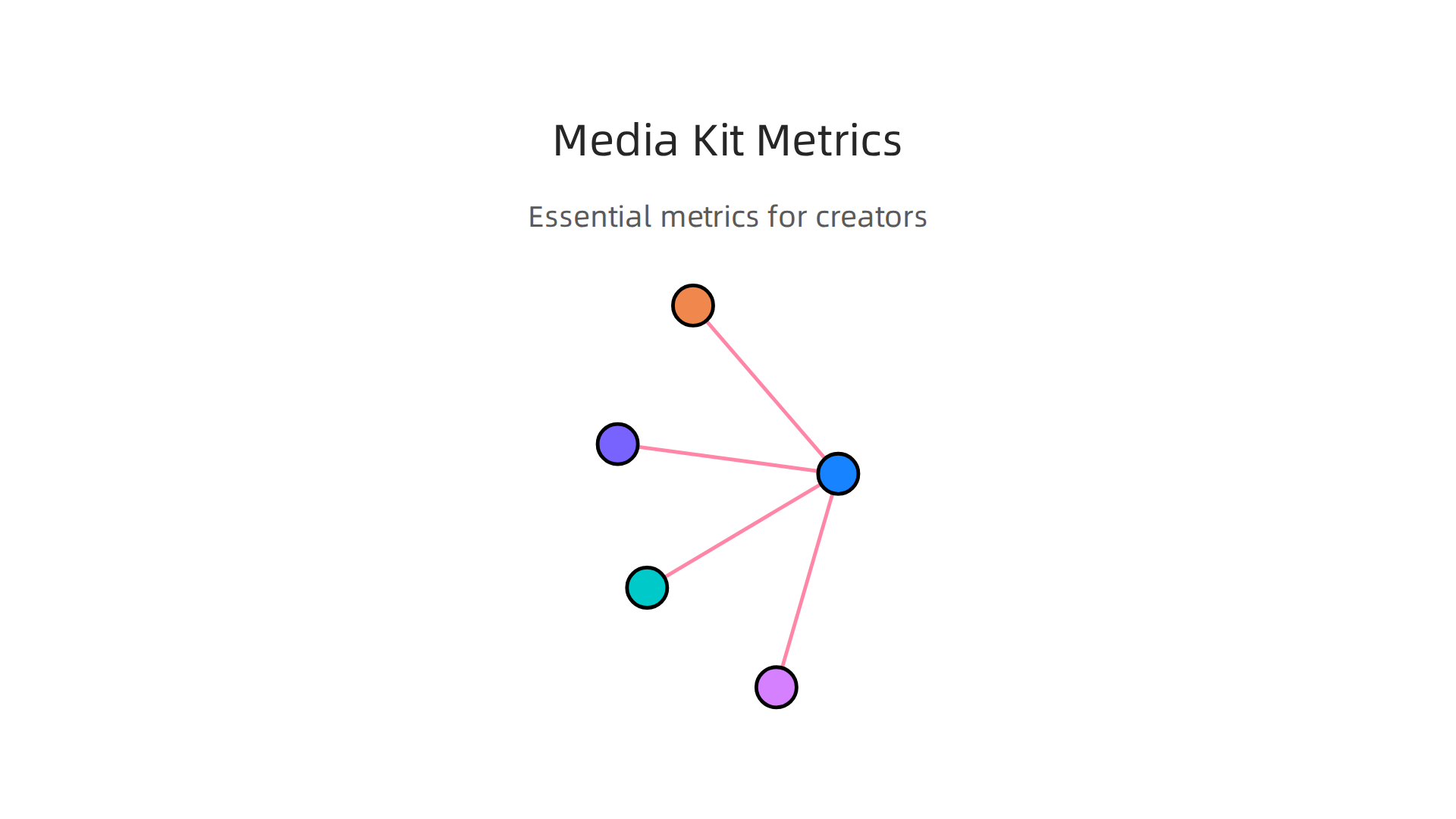
These three tell you if your message is clear.
Next, A/B test different versions. Small changes can make a big difference. Try one version with big reach numbers. Try another with strong engagement stats. See which one gets more brand responses. The goal is to learn what works for your specific audience.
Also, use unique tracking links. Give each brand a custom QR code or link to your kit. This tells you exactly who is looking and what they care about. Many top brands combine this with a strong paid media buyer approach to track their own ROI carefully. According to the Influencer Marketing Statistics 2026 report, engaged creators see much higher conversion rates.
Measuring your kit turns guesswork into proof. And staying informed helps you keep an edge.
Get clear daily AI and media updates with The AI Newsletter Worth Reading.
9. AI Tools Transforming Media Kit Creation in 2026
Creating a media kit used to take hours of design work and copywriting. Not anymore. In 2026, AI tools handle most of the heavy lifting so you can focus on pitching brands.

These platforms generate personalized media kits from your data in minutes. You connect your social profiles or paste your bio. The AI pulls your best stats, audience insights, and past work into a polished, sponsor-ready layout. Tools like the AI media kit maker from Storydoc even let you start with a simple prompt and get back a complete interactive kit with your branding already applied.
But AI does more than just design. It also helps you predict which metrics brands will value most. Instead of guessing whether to highlight engagement rate or follower count, the tool surfaces the numbers that matter for your niche. This saves you time and makes your pitch stronger.
As you build smarter workflows, it helps to stay on top of other AI-driven tools. Check out our guide on social media management tools 2026 to see how AI is changing the way creators manage their entire presence.
Want to keep learning about how AI is reshaping media? Get clear daily AI and media updates with The AI Newsletter Worth Reading.
10. Common Media Kit Mistakes and How to Avoid Them
Even the best AI tools can’t fix a media kit that makes basic errors. Here are the most common mistakes creators make and how to fix them.
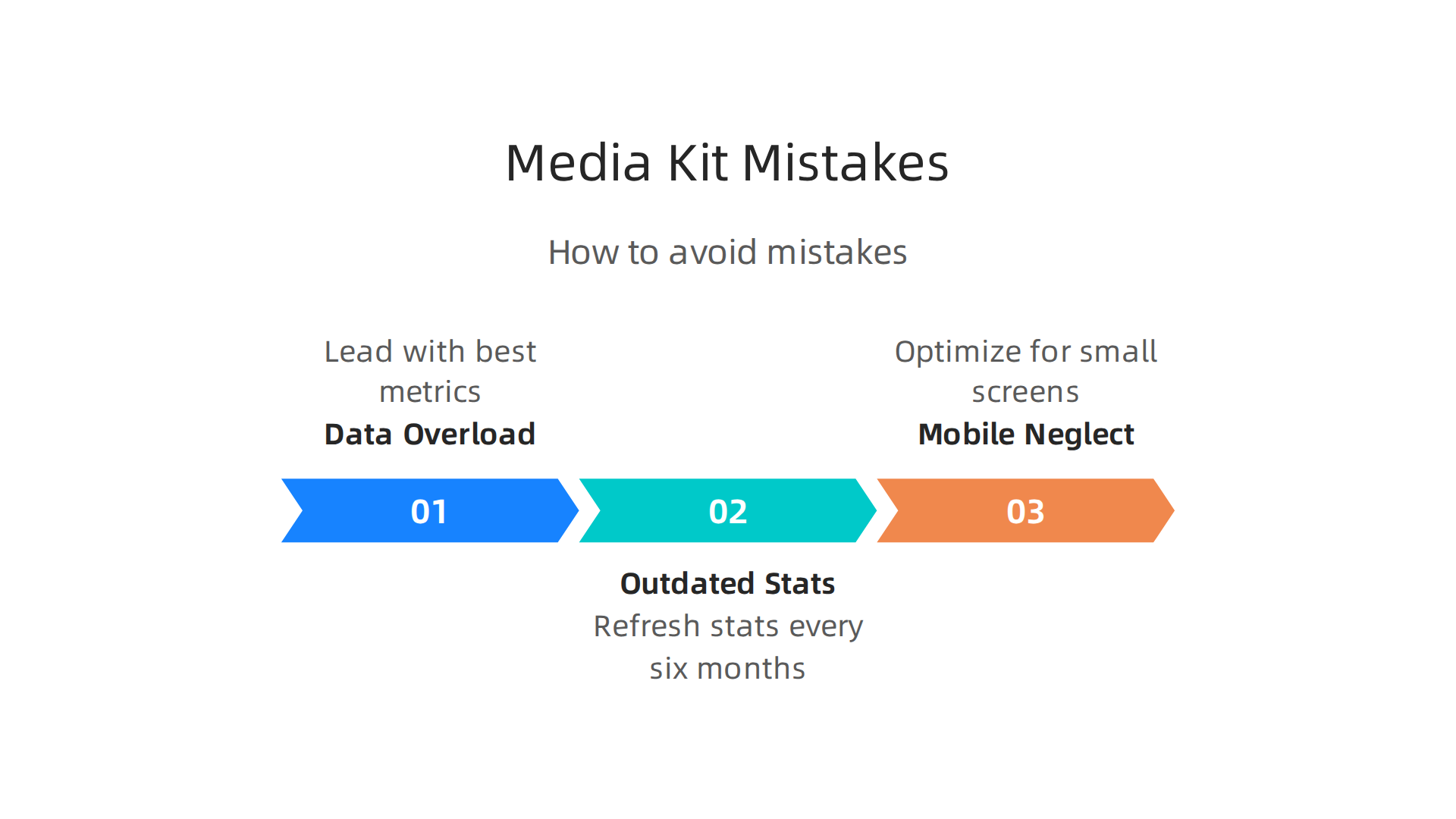
Overloading with data without context. Brands don’t need a wall of numbers. They need a story. Lead with your best metrics and explain what they mean. According to the Influencer Media Kit guide from vidIQ, leading with follower count alone is a mistake. Instead, show engagement and audience demographics that prove your influence.
Not updating regularly. An outdated media kit signals you are not active. Refresh your stats and case studies every six months. The same vidIQ guide warns that old numbers make you look out of touch.
Neglecting mobile optimization. Many brands review media kits on their phones. If your kit is hard to read on a small screen, they will move on quickly. Keep layouts simple, use large text, and test it on your own device before sending.
Avoid these pitfalls and your media kit will stand out. To further strengthen your pitch, explore our guide on affordable digital marketing for media businesses in 2026 for strategies that attract the right brand partners.
11. The Future of Media Kits: AI, AR, and Personalization
Media kits are changing fast. What works today might feel old next year. The best media kit examples from 2025 already look dated to some brands. Here is what is coming next.
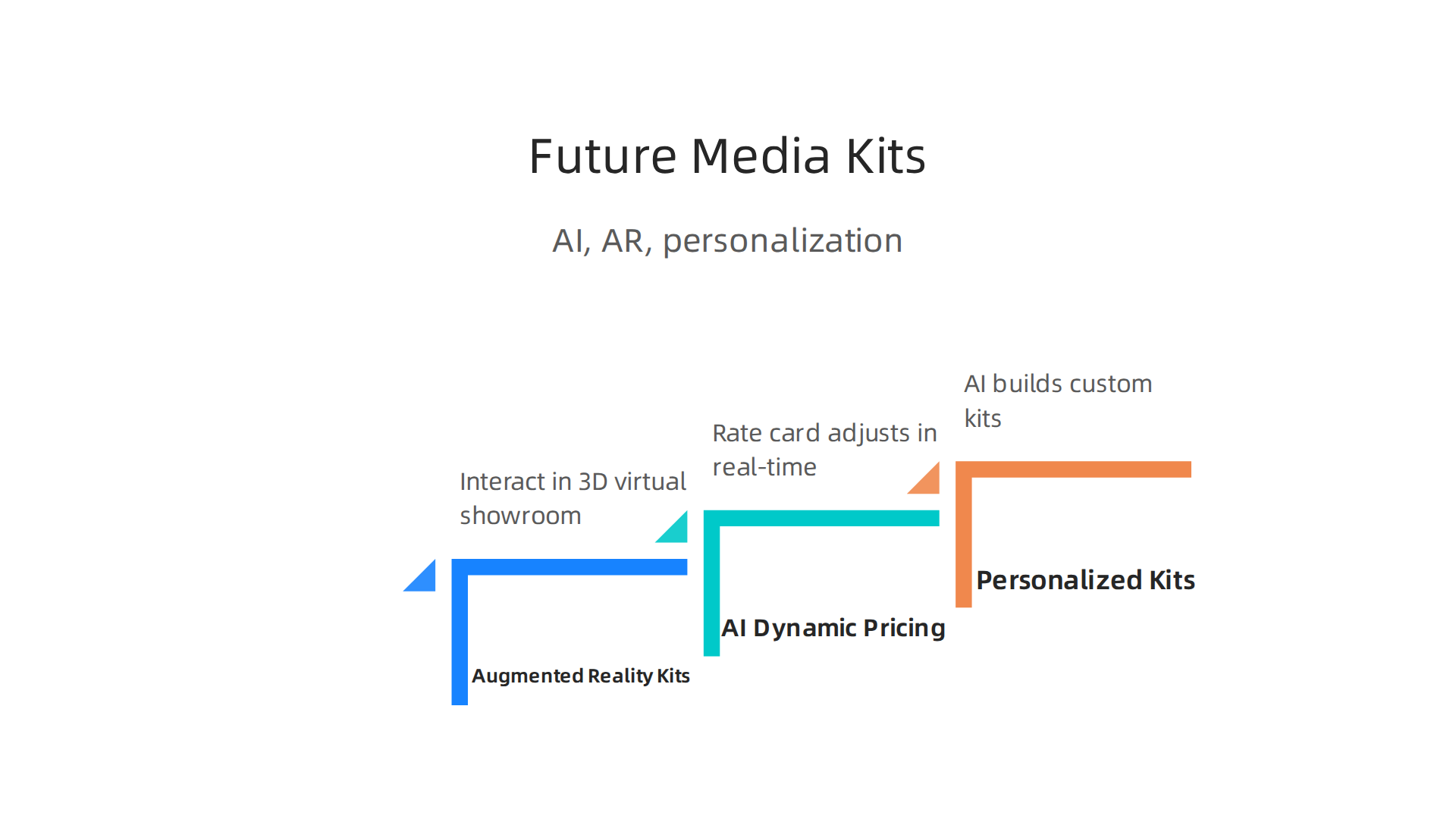
Augmented reality (AR) media kits. Instead of sending a flat PDF, you let brands interact with your portfolio in 3D. They could walk through your best campaign visuals or inspect your content library like a virtual showroom. AR tools are dropping in price every quarter.
AI-driven dynamic pricing. Your rate card could adjust in real time based on demand. A brand reaching you during a busy season pays a premium. One booking a slow month gets a deal. According to the Free Media Kit Creator Guide for 2026, AI-powered generators already handle layout, messaging, and audience insights automatically.
Personalized kits on the fly. A brand fills out a short form. Your AI builds a custom media kit with relevant case studies, audience stats, and rates tailored to that specific inquiry. No two kits would look the same.
The old static PDF is fading. To stay ahead, start exploring these tools now. For a deeper look at how artificial intelligence is reshaping media strategy, read our guide on digital marketing strategy consultants navigating AI.
And if you want clear daily updates on AI and tech, The AI Newsletter Worth Reading delivers fresh insights straight to your inbox every morning.
12. Design Principles That Convert: A Visual Guide
All the futuristic tools in the world won’t help if your media kit looks messy. Great design does one thing above all else: it makes information easy to find.
Brands reviewing your kit decide fast whether to keep reading or move on.
Start with a clean, modular layout. Give each section room to breathe. White space is your friend here. When you cram too much onto one page, brands have to hunt for the numbers they care about. According to the media kit mistakes to avoid in 2026 guide, keeping enough whitespace makes your kit readable at a glance. That is the whole goal.
Stick to your brand colors and fonts. Use two fonts maximum. Pick your main brand palette and do not stray from it. A media kit that looks like a rainbow tells brands you do not know your own identity.
End with a clear call to action. Do not let brands wonder what happens next. Tell them exactly what to do: book a call, reply with a brief, or visit your portfolio. That small push turns interest into action.
For more on building marketing assets that actually perform, check out our guide on performance marketing in 2026.
Summary
This article explains why modern media kits are essential for creators who want brand deals in 2026 and shows how to make kits that win. It covers the core anatomy of a high-converting kit—short bio, audience demographics, engagement metrics, case studies, and testimonials—and gives platform-specific examples for Instagram, YouTube, TikTok, LinkedIn and newsletters so you know which numbers matter where. You’ll learn practical design rules (two fonts, clear hierarchy, mobile-first) and measurable success metrics (download rate, time on page, follow-up inquiries), plus how to A/B test versions. The guide also surveys AI tools that automate kit creation and personalization, warns about common pitfalls like outdated stats or mobile-unfriendly layouts, and previews future trends such as AR and dynamic pricing. After reading, you’ll be able to build a concise, data-led media kit, tailor it for different brands and platforms, and track which versions actually close deals.