
Master Rhetoric in Advertising: Build Trust, Evoke Emotion, Use Logic
Why rhetoric still matters in modern advertising
In 2026, the world of advertising changes very quickly. New platforms pop up all the time, and AI helps create content at a blazing speed. It might feel like the old ways of doing things don’t matter as much. But actually, understanding how to truly persuade people is more important now than ever before. If you can’t get your message across clearly and make it stick, even the fastest AI won’t help you much.

Think about it: what makes certain ads really work? Why do some ads make you feel something strong, while others just fade away? The answer often goes back to very old ideas about how to convince people. These ideas are called rhetoric, and they were first talked about by smart thinkers like Aristotle a long, long time ago. He taught us about three main ways to persuade:
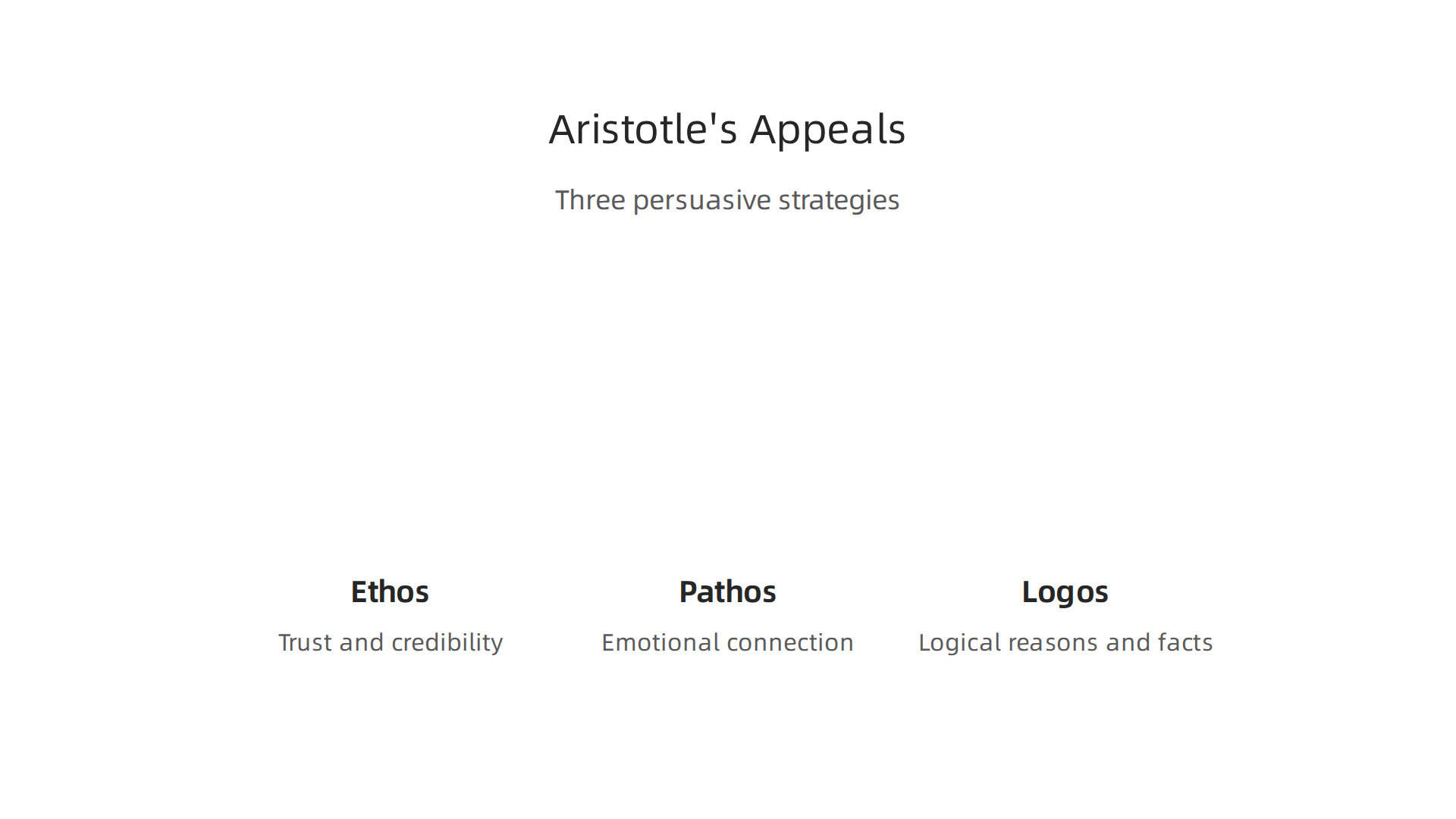
- Ethos: This is about showing you are trustworthy and know what you’re talking about.
- Pathos: This is about touching people’s feelings.
- Logos: This is about using facts and good reasons to make your point.
Even today, the most famous ads use these ideas. Whether you’re making an ad for TV, social media, or a new app, these basic rules of persuasion still guide how to make good advertising. Research even shows that emotional appeals in marketing can be very effective in influencing what people do and how they feel about a brand Emotional appeals in marketing: a systematic literature review and ….
This article will help you understand these powerful ideas. We will take these classical ways of thinking and show you how to use them in today’s fast-paced media world. You’ll learn practical tricks and see real persuasive advertising examples that can help any media or ad professional. If you want to know what makes a good advertisement thrive in 2026, you’re in the right place. We’ll explore how to craft messages that not only reach people but also move them to act.
For daily insights into how AI is changing the media and advertising world, consider getting The AI Newsletter Worth Reading.
Understanding the basic ideas of rhetoric helps us make advertising that truly connects with people. The three main ways to persuade, ethos, pathos, and logos, are like building blocks for any powerful ad, no matter if it’s an old print ad or a new video on social media. Many experts agree that these appeals are key persuasive strategies in advertising What’s The Rhetorical Appeals In Advertising?.
Ethos: Building Trust
Ethos is all about trust and showing that you know your stuff. In advertising, this means making your brand look honest, reliable, and expert. Think about ads that feature doctors for health products or engineers for cars. They are trying to show they have the right knowledge and experience. A brand builds ethos by:
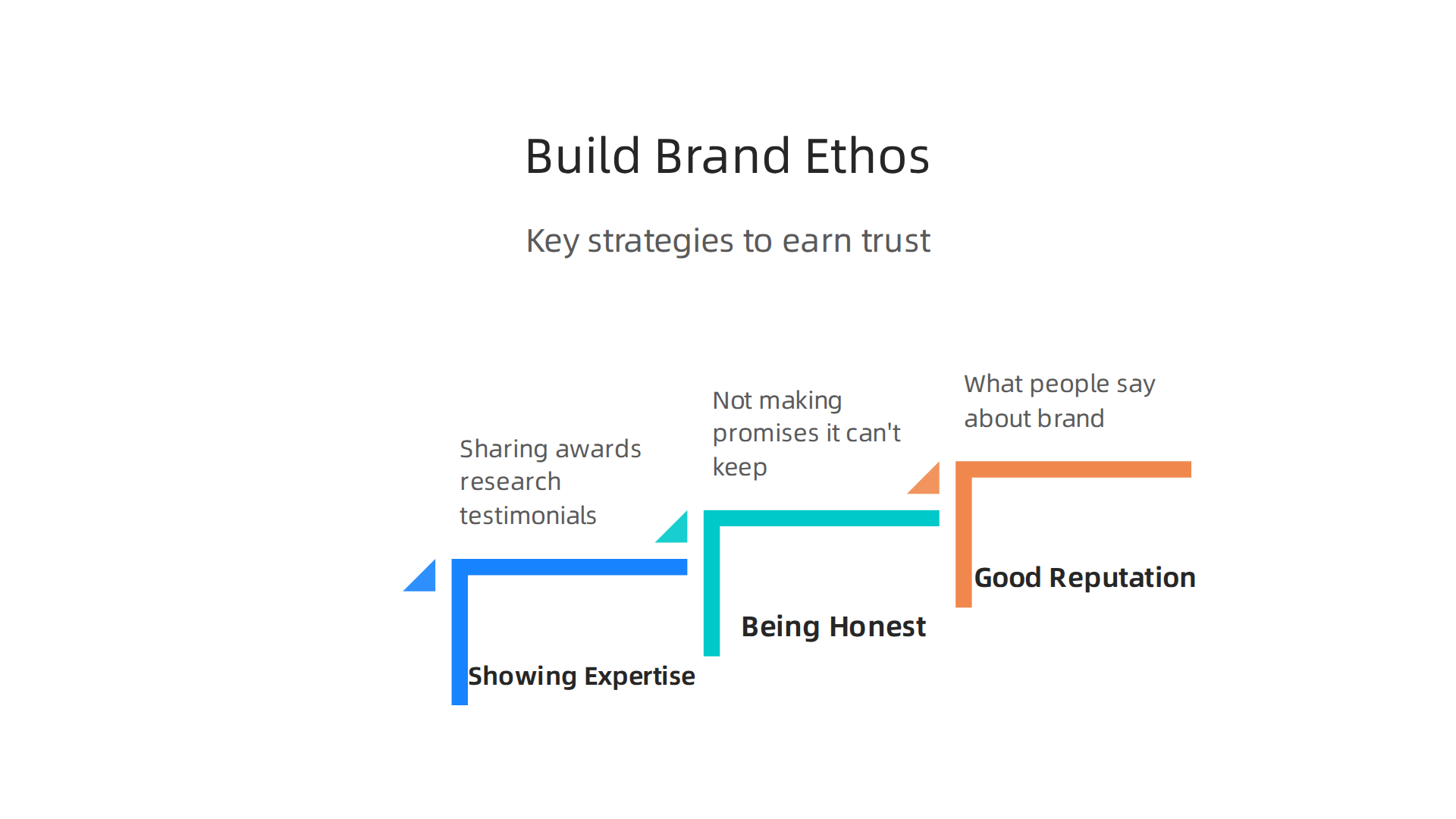
- Showing Expertise: Sharing awards, research, or testimonials from happy customers.
- Being Honest: Not making promises it can’t keep.
- Having a Good Reputation: What do people generally say about your brand?
When people trust a brand, they are more likely to listen to its message and believe what it says.

You can learn more about how to build trust in today’s world by reading about how to build a strong advertising ethos for trust in the AI era.
Pathos: Touching Feelings
Pathos is about feelings. It wants to make the audience feel something strong, like joy, sadness, anger, or excitement. When an ad uses pathos, it tries to connect with people on a deeper level. For example, many famous ads use cute animals or heartwarming family stories. These pathos advertisements examples make you feel happy or warm inside, and you then link those good feelings to the product. Research shows that emotional appeals are very effective in ads A comparative study on the effectiveness of emotional vs rational appeals in advertising. This helps the message stick in your mind. If you’re looking for great 10 pathos ads that prove emotional advertising wins with compelling examples, there’s a whole article dedicated to them.
Logos: Using Logic and Facts
Logos is about using facts, numbers, and clear reasons to convince people. It’s for ads that show you why a product is the best choice. This appeal is often used for things like technology or insurance, where people want to see hard evidence. Think of ads that list:
- Statistics: "9 out of 10 dentists recommend this toothpaste."
- Features: Showing how a new phone works faster or has a longer battery life.
- Benefits: Explaining how a service saves you money or time.
When an ad uses logos, it helps people make a smart choice based on solid information.
Matching Appeals to Your Audience
The best persuasive advertising examples know that not every appeal works for every person. This is why audience segmentation is so important. You need to know who you are talking to.
- Younger audiences might respond well to emotional stories and strong feelings (pathos).
- Older audiences might prefer a mix of trust (ethos) and clear facts (logos).
- Business people often want facts and logic (logos) to show how a product will help their company.
The situation or context also changes which appeal works best. An ad for a charity might use a lot of pathos to inspire giving. An ad for a new work software would lean heavily on logos to explain its benefits. By understanding your audience and the message you want to send, you can choose the right mix of ethos, pathos, and logos to make your ads truly effective.
Emotional Appeals: Pathos in High-Performing Ads
Let’s look more closely at pathos, the art of touching feelings in advertising. While facts are good, emotions often make us remember things and want to act.

Emotional appeals are a big part of what makes persuasive advertising examples work so well. They help ads stand out and connect with people in a way that just facts can’t. In fact, many studies highlight how important emotional appeals are in marketing today Emotional appeals in marketing: a systematic literature review and ….
Advertisers use different types of feelings to get their message across. Think about these main emotional strategies:
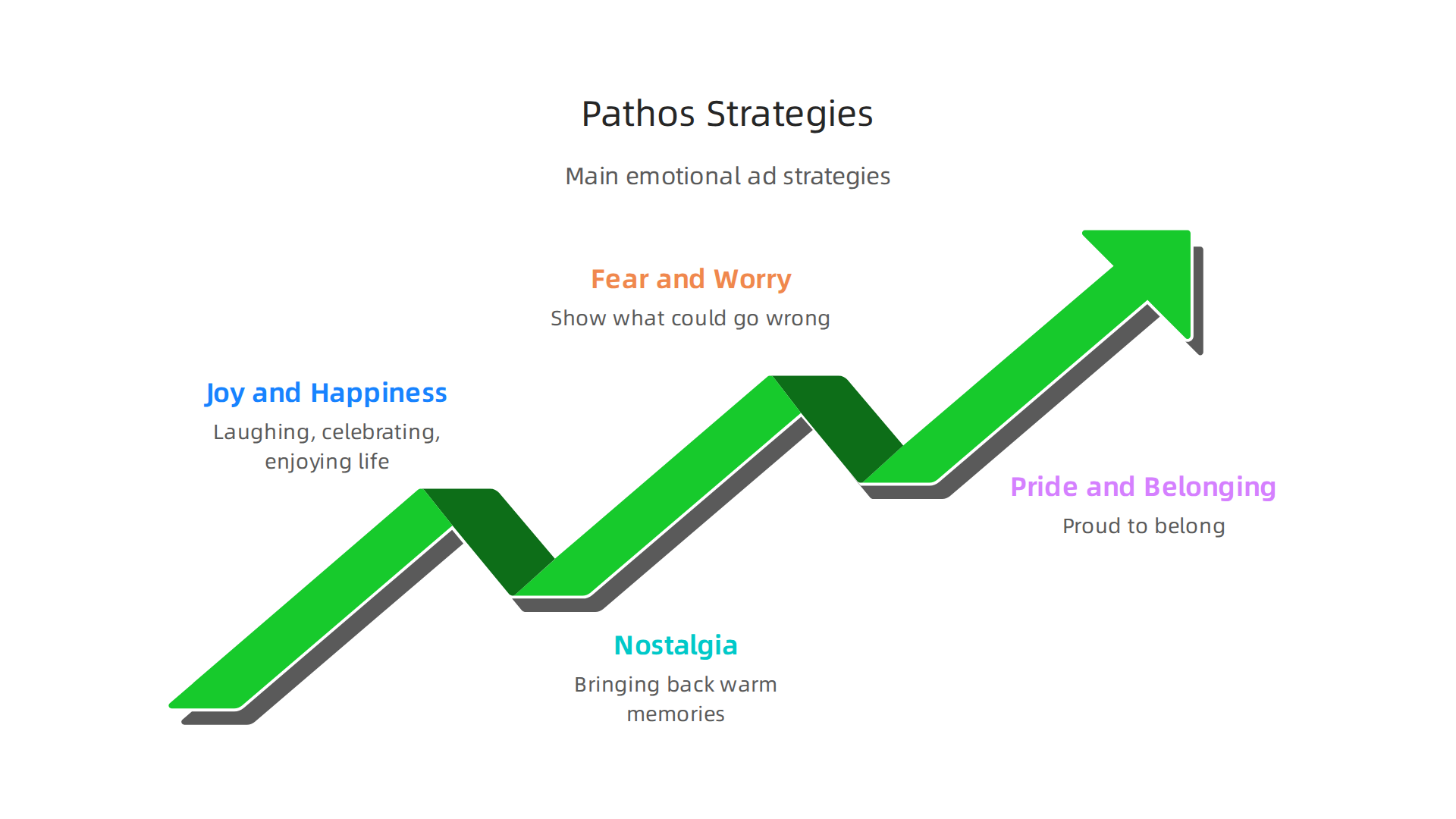
- Joy and Happiness: Ads often show people laughing, celebrating, or enjoying life. These feel-good moments make us link that happiness to the product. For example, a soft drink ad might show friends having a fun picnic, all smiling and drinking the soda. This makes you feel happy and want that drink too.
- Nostalgia: This is about bringing back warm memories from the past. Old songs, classic toys, or family traditions in an ad can make people feel comforted and loved. Many famous ads for food or cars use nostalgia to connect with older memories and feelings of simpler times.
- Fear and Worry: Sometimes, ads show what could go wrong if you don’t use a product. An insurance ad might show a family facing trouble without protection. This isn’t about scaring people too much, but about making them think about safety and how the product can help them avoid problems.
- Pride and Belonging: Ads can make you feel proud to be part of a group, like being a good parent, a successful worker, or a caring community member. They might show people achieving goals or supporting good causes. Ads that make you feel like you belong or are doing something good for the world are powerful, often sparking positive emotions and shaping brand attitudes exploring the mediating mechanisms of positive emotion and. Research even suggests emotions like pride can lead to certain buying choices Message framing and self-conscious emotions help to understand pro-environment consumer purchase intention.
The magic of pathos advertisements examples often comes from pairing creative ideas with smart planning. It’s not just about making a sad or happy ad. It’s about knowing who you’re talking to and when to talk to them. For instance, an ad showing parents protecting their children from germs might target new moms and dads, playing on their natural worries. An ad for a car company showing beautiful landscapes and freedom might be aimed at people who love adventure.
Good advertising also uses sequencing. This means showing different ads to the same person over time. Maybe the first ad sparks curiosity with a touch of nostalgia. The next ad might then show the joy of using the product, building on that good feeling. This careful planning helps move people from just seeing an ad to wanting to buy something. To create really impactful ads, it’s key to understand how to build high-quality ad creative build high impact campaigns in 2026 that speak to emotions.
Modern tools, especially with AI, are helping advertisers understand even better what makes people feel certain emotions. This helps them create even more targeted and effective campaigns.
If you want to stay up-to-date on how AI is changing advertising and many other industries, check out The AI Newsletter Worth Reading.
Authority & Credibility: Ethos Strategies for Brands
After an ad touches your feelings, the next big step is to make you believe what it says. This is where ethos comes in. Ethos is all about trust and showing that a brand, product, or service is credible and reliable. It’s about convincing people that you’re an expert or someone they can count on. Good ethos helps brands create persuasive advertising examples that stick with people long after they’ve seen the ad. If an ad lacks ethos, it might just feel like bad marketing.
Quick Ways to Build Trust in Ads
In today’s fast-paced world, especially with short ads, brands need to build trust quickly. Here are some ways they do it:
- Endorsements: When a well-known person, like a celebrity or an expert, recommends a product, it adds a lot of weight. People tend to trust what these figures say. Think of famous ads where athletes promote sports gear or doctors suggest a certain health product. Their backing tells us the product is good.
- Proof Points: These are facts or numbers that show why a product is great. For example, an ad might say "9 out of 10 dentists recommend this toothpaste" or "Our product won the ‘Best Innovation Award’ in 2026." Such clear evidence helps build trust because it’s based on real results. The way a message is presented can really affect how people see a product and how likely they are to buy it Framing effects on attention to advertisements and purchase ….
- Brand Signals: These are clues that show a brand is trustworthy and high-quality. This could be a long history of making good products, a strong company mission, or even the look and feel of their ads. Companies that show they care about their customers and stand for something often earn more trust. David Ogilvy, a famous advertising legend, knew how important it was to build a strong brand image, making sure ads built up the brand’s reputation and not just sold a product. You can learn more about how to build trust effectively in our modern age by exploring how to build a strong advertising ethos for trust in the AI era.
Expertise vs. Social Proof
When it comes to building trust, advertisers often choose between showing:
- Claimed Expertise: This means highlighting that the brand or its creators are experts in their field. For instance, a tech company might show off its engineers and their advanced degrees. This works well for complex products where deep knowledge matters a lot.
- Social Proof: This relies on showing that many other people already love and use the product. Think of ads that feature customer testimonials, user reviews, or a large number of followers on social media. This type of proof is especially strong for everyday items or services where peer recommendations hold sway.
The best choice often depends on where the ad is shown. On a professional platform like LinkedIn, highlighting expertise might be better. But on a fun, short-video app like TikTok, showing many happy users (social proof) could be much more effective. Different ways of framing a message, whether positive or negative, can also lead to different attitudes towards an ad Ad framing effects for consumption products: An affect priming process. Brands use these different types of persuasive advertising examples to connect with people and build a solid foundation of trust.
Next, let’s talk about using facts and clear thinking to make ads strong. This is called logos. Logos is when an ad makes sense and uses reasons, facts, and evidence to convince you. It’s about building a solid argument that’s hard to argue with.
How to Make a Strong, Logical Argument
For persuasive advertising examples to truly work, they need a clear message that leads to a solid conclusion. Think of it like building a case:
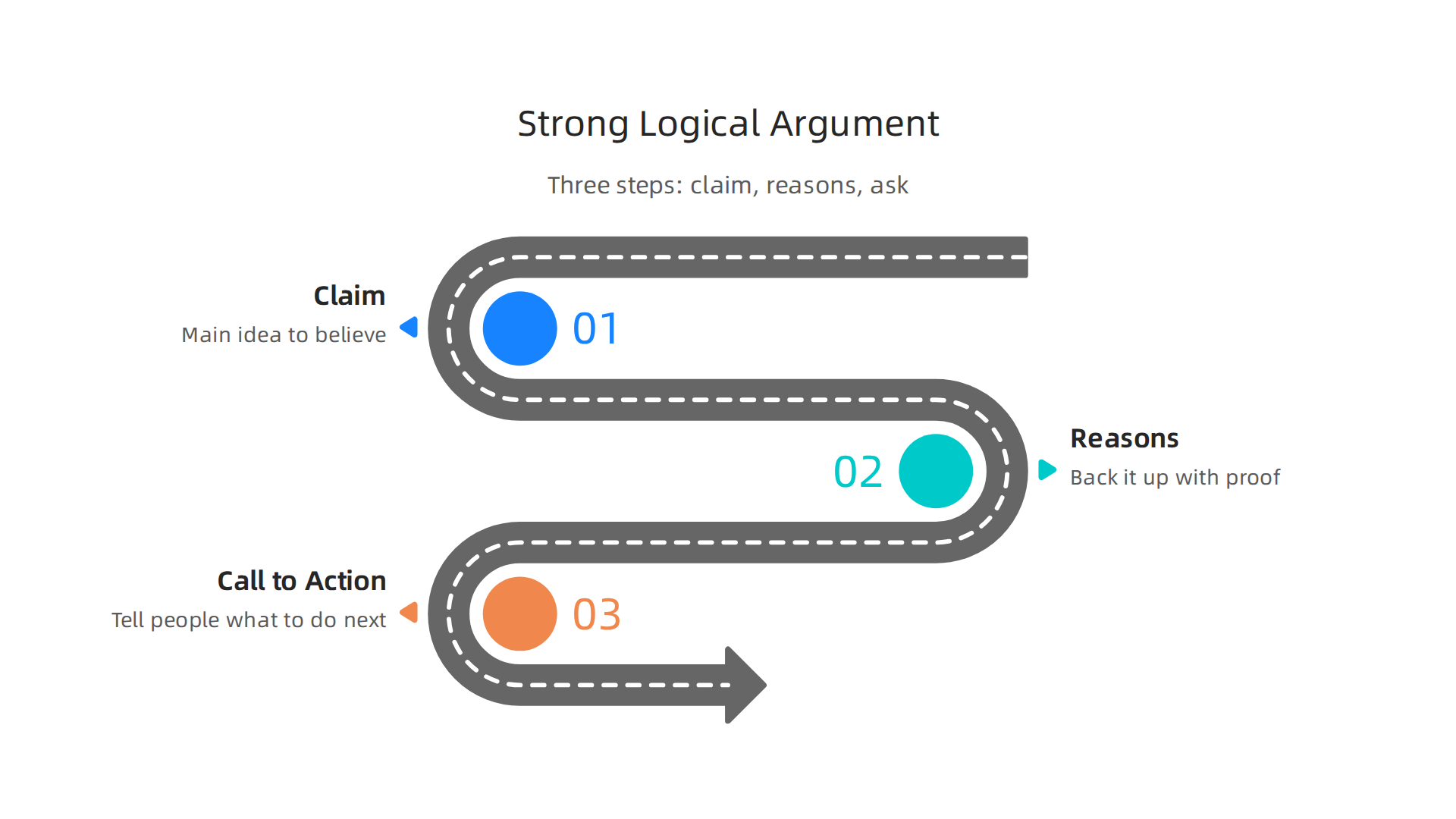
- Start with a Claim: This is your main idea or what you want people to believe about your product. For example, "Our new phone takes the best pictures."
- Give Reasons and Evidence: Why should people believe your claim? You need to back it up. For the phone example, you might show pictures taken with the phone, share customer reviews, or state that "9 out of 10 professional photographers prefer our camera." Ads often use numbers or studies to show their point is true, helping to shape how people pay attention to them and if they want to buy Framing effects on attention to advertisements and purchase ….
- Finish with a Clear Ask: After showing your proof, tell people what to do next. "Buy our new phone today!" This creates a clear path from understanding to action.
Ads need to present their message in a way that feels natural and easy to follow. A strong argument flow helps people understand the benefits and why they should choose a certain product or service. This is key for creating effective winning creative ads digital campaign strategies in 2026.
Smart Ways to "Frame" Your Message
The way you present information can change everything. This is called "framing." It means choosing certain words or ideas to highlight, which then affects how people see your product or service. The ideas behind framing show that the exact words and context of a message can significantly sway a person’s perception and choices Persuasion in Messages.
Here are some common framing types:
- Gain Framing vs. Loss Framing:
- Gain Framing shows what a customer will get or gain by using the product. For example, "Use our special cream to get soft, smooth skin." This approach can lead to a more positive feeling towards the ad, especially for appeals based on logic Gain vs. Loss Framing in Rational and Emotional Appeals.
- Loss Framing shows what a customer will lose or miss out on if they don’t use the product. For example, "Don’t use our special cream and risk having dry, rough skin." While loss framing can grab more attention, studies show it might sometimes make people less likely to buy, depending on the product. However, how you frame a message, like making it about future gains, can influence people’s choices, especially for eco-friendly products The influence of message framing and time metaphors in green advertising on consumer effects.
- Comparative Framing: This is when an ad compares a product to something else. It might compare it to a competitor’s product, or simply to not having the product at all. For example, "Our new vacuum cleans 50% better than the leading brand." Or, "Imagine life without endless chores. Our service gives you back your time." The way these comparisons are made can greatly change how strong the message feels to the viewer Power and Message Framing: the Case of Comparative Advertising.
Choosing the right way to frame your message is a big part of creating successful persuasive advertising examples. It makes the logic stronger and helps people see the value clearly.
Staying updated on all the ways AI and technology are changing media and advertising is crucial for crafting these smart, logical campaigns in 2026.
The AI Newsletter Worth Reading
Get clear daily AI updates from The Deep View Newsletter.
Choosing the right way to frame your message is a big part of creating successful persuasive advertising examples. It makes the logic stronger and helps people see the value clearly. Staying updated on all the ways AI and technology are changing media and advertising is crucial for crafting these smart, logical campaigns in 2026.
Tactics & Formats: Persuasive Advertising Examples by Channel
Now, let’s look at how to use these ideas in different kinds of ads you see every day. The best way to persuade someone changes based on where they see your ad.
Social Short-Video Ads
Think of apps like TikTok, Instagram Reels, or YouTube Shorts. These are all about quick, engaging videos. To make a short-video ad persuasive, you need to grab attention right away.
- How to Persuade:
- Hook Them Fast: You have about 1 to 3 seconds to get someone to stop scrolling. Start with a problem, a surprising fact, or something funny.
- Show, Don’t Just Tell: Use visuals to explain your product’s benefits. For example, if your product fixes a messy problem, show the mess and then show it clean.
- Be Clear and Simple: Stick to one main idea. Short videos often work best when they are under 15 seconds, but can go up to 60 seconds depending on the platform and content 10 Short-Form Video Content Strategies That Work in 2026.
- Add Text: Many people watch videos with the sound off. Use clear text on screen and captions to get your message across.
- Call to Action: End with a very clear instruction, like "Tap here to learn more" or "Shop now."
These short clips are great for showing pathos advertisements examples, using quick emotions, or logos by solving a problem right before their eyes.
Display and Banner Ads
These are the ads you see on websites, often at the top, bottom, or sides of the page. They are usually static pictures or short animations.
- How to Persuade:
- Simple Message: You only have a few words. Make your main point super clear.
- Strong Visuals: Use a striking picture that catches the eye and relates to your product.
- Direct Call to Action: A button that says "Learn More" or "Get 20% Off" helps people know what to do.
- Match the Place: Good banner ads don’t disrupt the website too much. Bad marketing can happen if an ad is too loud or annoying.
- Short and Sweet: Display ads should be very short, often under 6 seconds if they have motion Creative Guidelines and Best Practices.
Display ads use logos by presenting a clear benefit quickly, like "Save Money Today!"
Native Articles
Native articles are ads that look like regular articles or stories on a website or in a news feed. They blend in with the other content, making them feel more natural.
- How to Persuade:
- Provide Value: Instead of just selling, offer helpful information or tell a story. For example, an article about "5 Ways to Boost Your Energy" might naturally suggest a health drink.
- Build Trust (Ethos): Because they look like regular content, these ads can build trust more easily. People are more likely to listen to advice if it doesn’t feel like an obvious sales pitch.
- In-Depth Information (Logos): You have more space to explain why your product is good, using facts and details.
- Subtle Call to Action: The call to action might be a link at the end of the article or within the text that feels like a suggestion rather than a demand.
Native advertising is changing in 2026 with AI and personalization, making these ads even more relevant to readers. You can learn more about this by checking out the article on native advertising 2026 how ai personalization and programmatic are redefining ads.
Audio Ads
These are ads you hear on podcasts, streaming music, or online radio. Since there are no pictures, the sound and words are everything.
- How to Persuade:
- Clear Voice: Make sure the message is spoken clearly and easy to understand.
- Emotional Appeal (Pathos): Use music, sound effects, and a friendly voice to create a feeling. A warm voice can make you feel more connected to the product.
- Memorable Message: Since people can’t see anything, the words need to stick. Keep it simple and repeat key points.
- Short and Focused: Audio ads should be brief, ideally 15 to 30 seconds long, to keep listeners engaged Creative Guidelines and Best Practices.
Audio ads often excel as pathos advertisements examples, using sound to evoke feelings and connect with listeners on a deeper level.
By understanding these different channels and how to tailor your persuasive advertising examples for each, you can make sure your message reaches people in the most effective way possible in 2026.
Now that we’ve looked at different kinds of ads and how to make them persuasive, it’s time to talk about how we know if they actually worked. It’s not enough for people to just see your ad; you want them to be convinced by it.
Measuring Persuasion: Metrics, Testing & Ethical Considerations
When you put out persuasive advertising examples, you’re hoping to change how people think or what they do. But how can you really tell if an ad has persuaded someone? It’s more than just counting clicks or views.
How to Measure True Persuasion
Measuring persuasion means looking deeper than simple engagement. Engagement is when someone sees or interacts with your ad. Persuasion is when their mind actually changes or they decide to take an action because of your ad.
- Beyond Simple Views or Clicks: A lot of people might see an ad, but that doesn’t mean they were persuaded. We need to measure things like:
- Attention: Did the ad really grab their focus?
- Belief Change: Did their opinion about your product get better? Did they start to believe what you said about it?
- Intent: Are they now more likely to buy your product or use your service?
- Designing Smart Tests: To truly know if your persuasive advertising examples are working, you need to set up tests.
- A/B Testing: This is like trying out two slightly different ads to see which one works better. You show "Ad A" to one group and "Ad B" to another, and then you check which ad made more people change their minds or take the desired action. This helps you understand what truly drives people to make a decision, rather than just showing them something.
- Surveys and Questions: You can ask people directly about their beliefs or intentions after they see an ad. Researchers use careful tests to gather empirical evidence about persuasion.
- Looking at Actions: The best measure of persuasion is when someone actually buys your product, signs up for your service, or does whatever your ad asked them to do. Using analytic marketing drive smarter campaigns can help you track these real-world results.
These tests help you know if your ad created real change, not just quick interest.
Ethical Boundaries in Persuasive Advertising
With great power to persuade comes great responsibility. Persuasive advertising examples must always stay within ethical lines. This means being honest and respectful, not tricky or manipulative.
- Be Honest and Truthful: Good marketing means being open. Ads should be legal, decent, honest, and truthful. This helps build a strong advertising ethos with your audience.
- Transparency: Always be clear about what you’re selling. Don’t hide important details or make false claims. Ethical advertising, especially in 2026, focuses on truthfulness and substantiating claims with evidence, avoiding anything that would lead a consumer to make a different decision if they had all the facts Ethical Advertising: 10 Principles for 2026.
- Avoid Manipulation: The goal is to influence, not to trick people. Using emotions to scare or mislead someone, known as bad marketing, crosses a line. For example, some pathos advertisements examples might try to make you feel bad to sell you something you don’t really need. Ethical persuasion guides against manipulative tactics Ethical Persuasion in Marketing.
- Regulatory Risks: There are rules and laws in place to protect consumers. Advertising standards organizations, like the ASA, provide Advertising Guidance to ensure fairness. If an ad breaks these rules, it can lead to big problems for the company, like fines or losing trust from customers.
- AI and Ethics: In 2026, AI tools are changing how ads are made and delivered. While AI can make ads super personalized and effective, it also brings new ethical challenges. We must make sure AI doesn’t create ads that are biased, unfair, or too intrusive. It’s important to prevent discriminatory or harmful content in AI-generated ads and test for unintended biases Generative AI Playbook for Advertising.
Always remember, good persuasive advertising examples build trust. They inform and motivate, rather than trick or scare. Staying ethical ensures your brand grows in a healthy way.
Want to understand more about how new tech like AI is shaping the media and advertising world? Get clear daily AI updates to stay ahead.
The AI Newsletter Worth Reading
Summary
This article explains why classical rhetoric—ethos, pathos, and logos—remains essential for effective advertising in 2026, even as AI and new platforms accelerate content creation. It defines each persuasive appeal and shows how brands use trust, emotion, and logic to make messages memorable and actionable across channels like short-video, display, native, and audio. The piece walks through practical tactics for matching appeals to audiences, sequencing emotional stories, and building quick credibility with endorsements or proof points. It also covers how to frame messages for better response, how to measure real persuasion beyond clicks using tests and conversion tracking, and why ethical boundaries matter when using advanced personalization tools. After reading, marketers will know which appeals to pick, how to adapt them by channel, how to test what truly changes minds, and how to keep campaigns honest while using AI to scale creative impact.