Inspiring Digital Marketing Campaign Examples Drive 2026 Success with AI & Classic Wisdom
In 2026, the world of marketing changes super fast. New tools like AI come out all the time, making it hard for business leaders and content creators to keep up. In fact, experts note how AI is shaping the future of marketing. Everyone needs quick, clear ideas to make smart choices. It’s like trying to hit a moving target, right? You want to know what works now and what will work next.
We often see a lot of talk about new technologies. But sometimes, the best way to move forward is to look back. Smart marketers know that lessons from the past, even from old advertising in the 1950 or famous cigarette ad campaigns, can still teach us a lot about people and what makes them buy.

Understanding human behavior never goes out of style, no matter how much technology changes. These historical insights, mixed with new ways of doing things, can create powerful connections, often called love advertising because they build strong bonds with customers.
This article is here to help you. We will share many inspiring digital marketing campaign examples that are working today. We will also show how classic marketing ideas can be used in your marketing website examples and other online efforts. Understanding what makes a good advertisement thrive helps you build strong campaigns. Think of this as your special guide. It brings together tested ideas and new strategies, all backed by real information, so you can build campaigns that truly work in 2026 and beyond. You’ll learn how to combine fresh ideas with timeless wisdom for real success.
To stay even more ahead of the curve, especially with AI changing so much, you might want to get The AI Newsletter Worth Reading.
What makes an inspiring digital marketing campaign?
To build really great campaigns that people remember, we need to understand what makes them special. It’s not just about using the newest AI tools. It’s about combining fresh ideas with those timeless truths of human connection we just talked about. So, what makes a digital marketing campaign examples truly inspiring in 2026?
It comes down to three main parts: being creative, having a smart plan, and knowing how to measure your success.
Creative Spark: Making People Feel Something
An inspiring campaign often starts with a great idea that touches people. It’s like telling a good story.
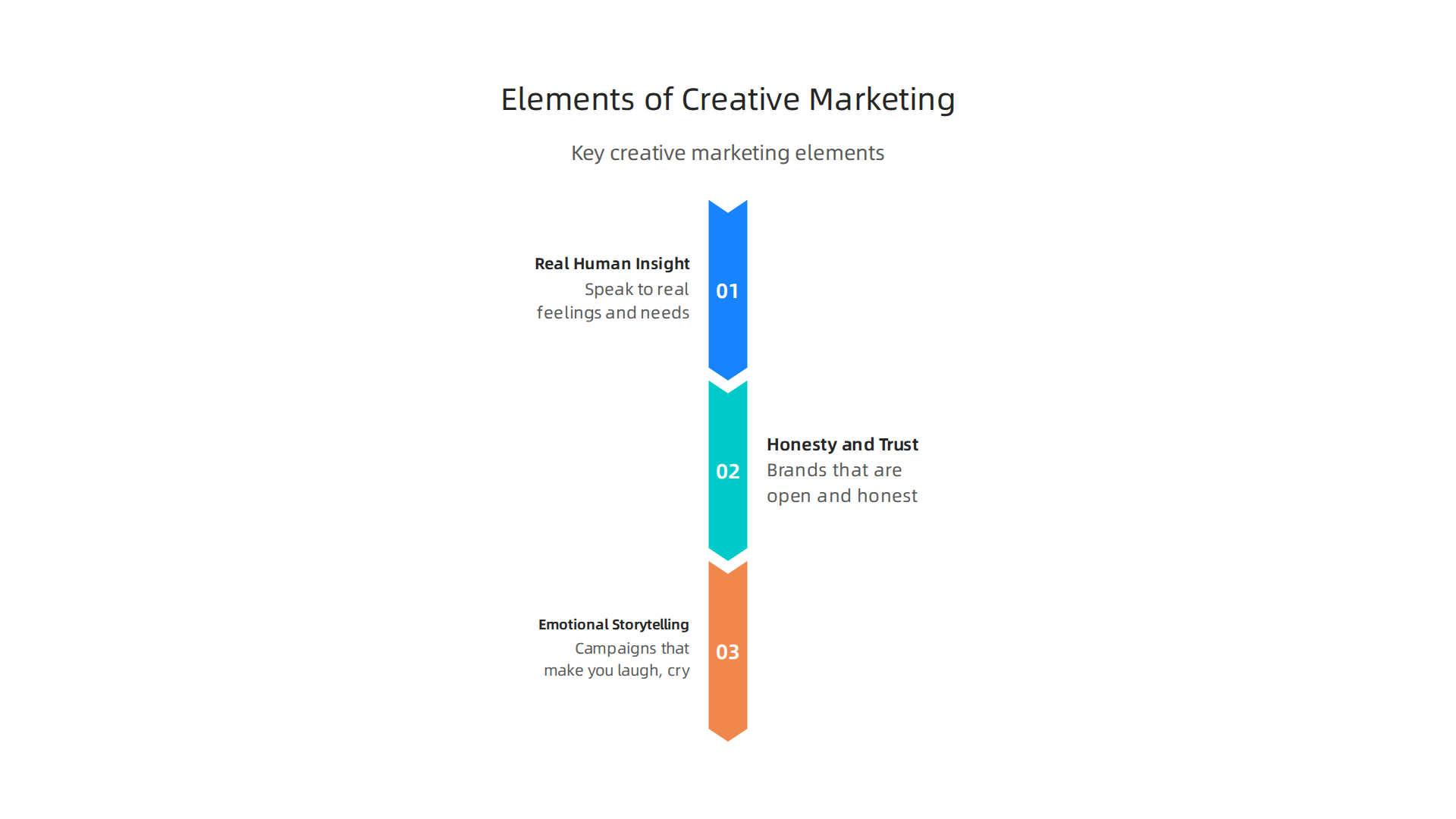
- Real Human Insight: The best campaigns understand what people truly care about or what problems they face. They speak to real feelings and needs. For instance, top campaigns in 2026 are often built on a deep understanding of people, aiming to connect with them on an emotional level and often leading with feeling The Best Marketing Campaigns of 2026 (So Far). This helps create what we call "love advertising," where customers feel a strong bond with the brand.
- Honesty and Trust: In 2026, people want to trust brands. Campaigns that are open and honest about their values or products often do very well. Reports show that the best brand campaigns in the first half of 2026 truly sold honesty, and consumers responded by buying The best brand campaigns of H1 2026 sold honesty. This builds real connections.
- Emotional Storytelling: Think about campaigns that make you laugh, cry, or feel excited. These emotions make a campaign stick in your mind. Using emotions in ads, also known as pathos, can be very powerful. You can learn more about how powerful this can be by looking at some 10 pathos ads that prove emotional advertising wins.
Smart Plan: Knowing What to Do and How
A great idea needs a smart plan to reach the right people. This is the strategy part.
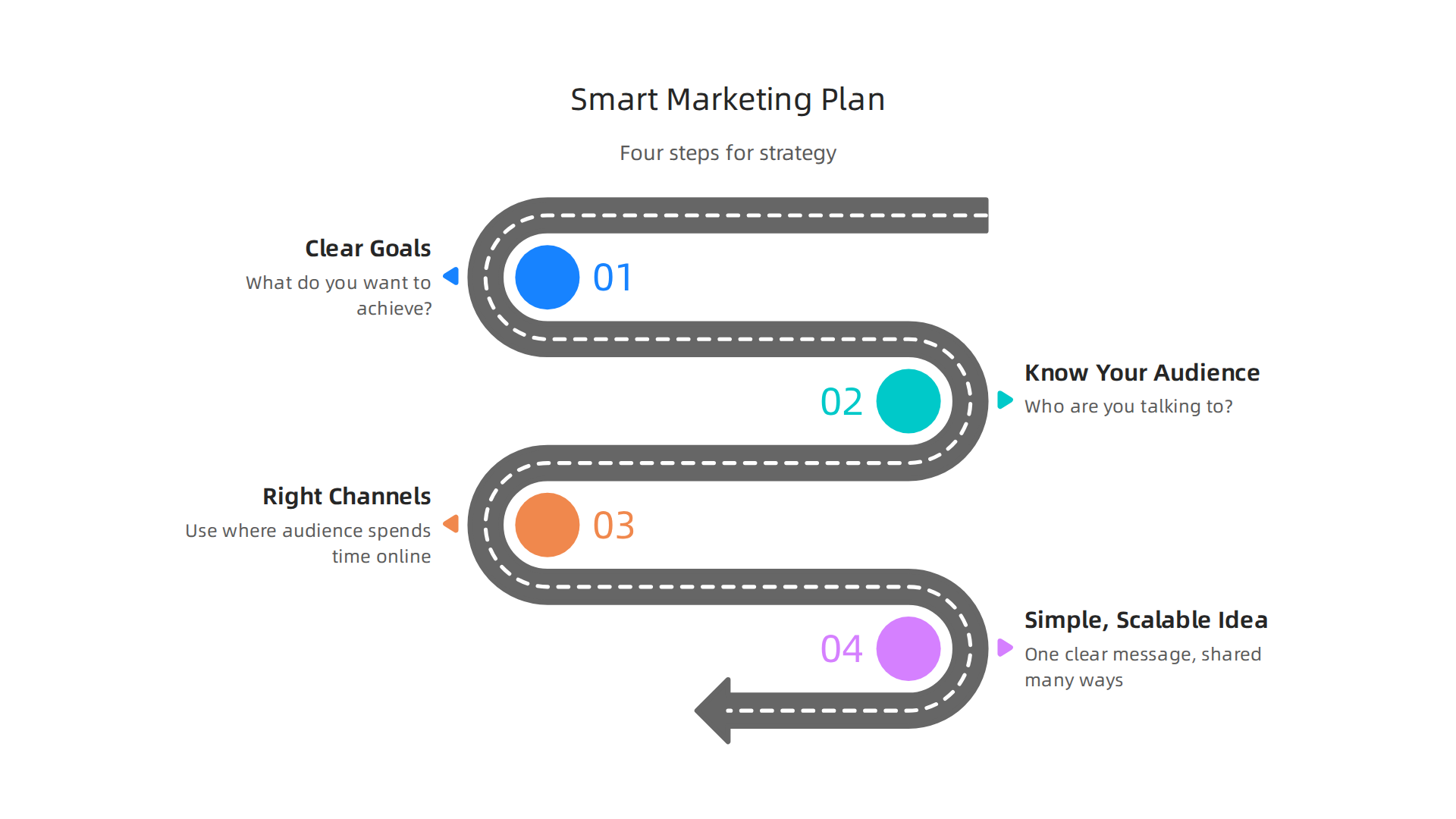
- Clear Goals: What do you want to achieve? Do you want more people to know about your brand, or do you want more sales? Having a clear goal helps guide everything you do.
- Know Your Audience: Who are you trying to talk to? What do they like, where do they spend their time online? Knowing this helps you pick the right places and ways to share your message.
- Right Channels: You might use social media, email, YouTube, or even specific blogs. The best campaigns use the channels where their audience is, making sure their message fits each platform. This also applies to how you set up your marketing website examples so it works best for your target customers.
- Simple, Scalable Idea: A strong campaign often has one clear message that can be shared in many ways, reaching a lot of people without losing its core meaning.
Clear Results: Measuring Success and Learning
Finally, inspiring campaigns always know if they’re working.
- Track Everything: Good marketers keep an eye on things like how many people saw their ad, how many clicked, and how many bought something. This helps them see what’s working and what’s not.
- Learn and Adapt: Marketing is not a one-time thing. The best campaigns watch their results, learn from them, and make changes to do even better next time.
How to Evaluate a Digital Marketing Campaign Example for Your Business
When you see a great campaign, how do you know if it’s right for you? Ask yourself these simple questions:
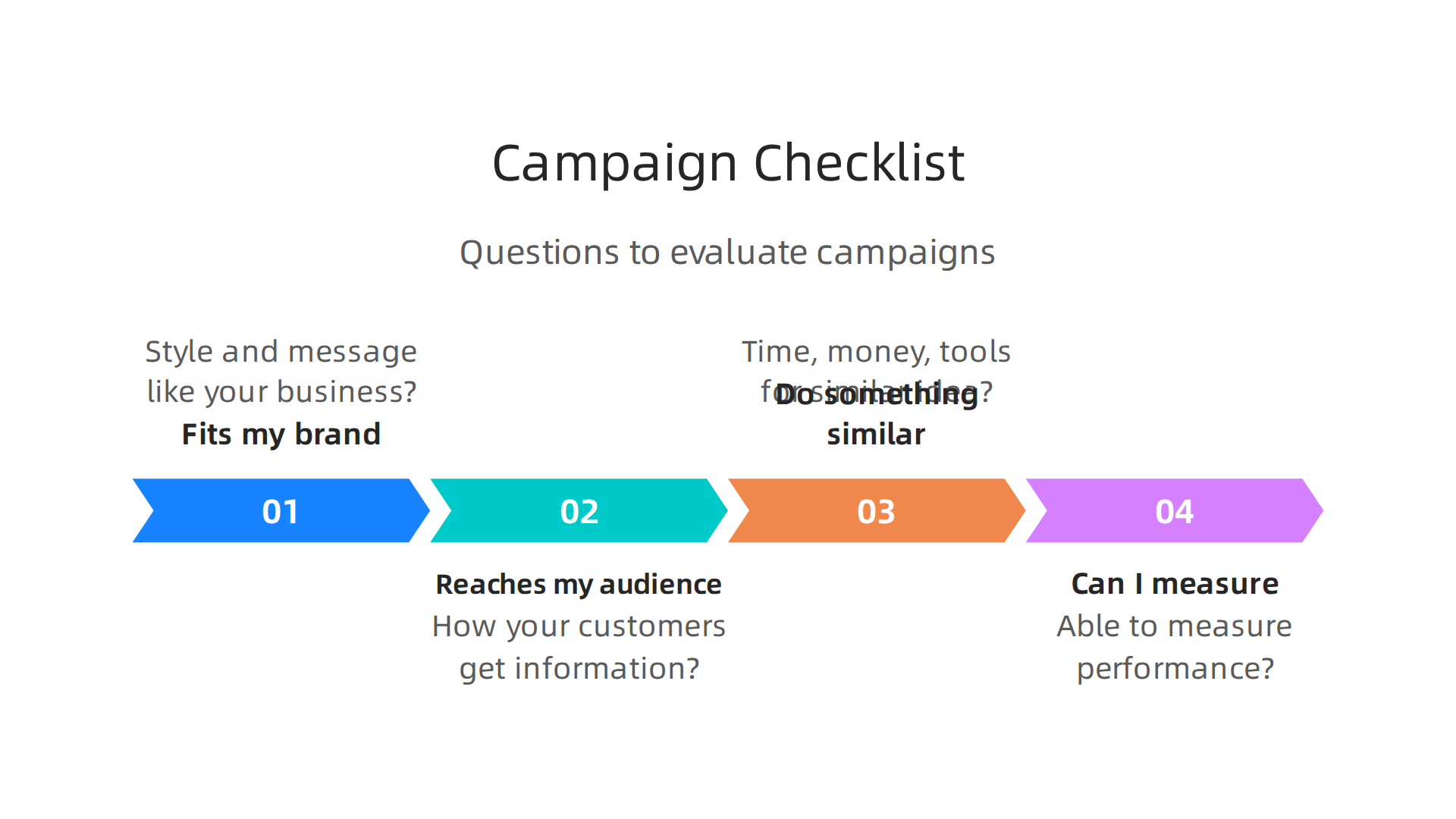
- Does it fit my brand? Does the style and message feel like something your business would say or do?
- Does it reach my audience? Is this how your customers like to get information?
- Can I do something similar? Do you have the time, money, and tools to try out a similar idea?
- Can I measure it? Will you be able to tell if the campaign is actually working?
By thinking about these points, you can decide if a cool digital marketing campaign examples you’ve seen is something you can use to inspire your own efforts. Picking the right approach is key to getting real value from your efforts. To dive deeper into choosing the best approach, consider reviewing a guide on campaign type strategy how to pick the right marketing campaign for real ROI.
When we look at truly inspiring campaigns, it’s not just about what’s new now. It’s also very helpful to look back at history. The way people connect with ideas has some timeless rules, even as technology changes. Thinking about old campaigns can teach us a lot about strategy and how to tell good stories.
Early Days: Connecting with Basic Needs and Hopes
If you think about advertising in the 1950, things were very different. Ads were often in newspapers, magazines, or on early TV. For example, a cigarette ad from back then might have focused on making smoking seem cool or relaxing. The lesson here is that advertisers always try to connect a product to what people want or how they want to feel. Even though what’s advertised changes, the human desire for connection stays the same.
Another great example is Coca-Cola. For many years, their marketing campaigns have focused on making people feel happy and connected.
They don’t just sell soda; they sell moments of joy and togetherness. This approach to emotional storytelling is why their campaigns are so memorable and why they have stayed a top brand for so long, showing a strategic study of their iconic campaigns A Strategic Study of Coca-Cola’s Iconic Marketing Campaigns. This shows us that feelings are powerful, no matter the time period.
Big Shifts: How Technology Changed the Game
Throughout history, big changes in technology have also changed how marketing works.
- From Print to Radio and TV: When radio and TV came along, advertisers could reach many more people, and use sounds and moving pictures to tell stories.

This was a huge jump from just words and still images.
- The Internet Arrives: Then came the internet. Suddenly, businesses could talk to people directly, get feedback, and reach customers all over the world. This new way of connecting meant that even small businesses could compete with bigger ones. It also opened the door for new kinds of campaigns, like the many digital marketing campaign examples we see today. Marketers also learned that creating good marketing website examples was super important for showing off their brand.
- Social Media and Beyond: In recent years, social media has become a huge part of how people share and discover things. This led to the rise of influencer marketing, where people trust recommendations from others they follow online. This shows how quickly advertising can change and adapt.
What We Can Learn from History
These historical turning points offer some key lessons for today’s marketers in 2026:
- Emotion Still Wins: Just like Coca-Cola campaigns or early ads, the ones that make people feel something are the ones that stick. To understand more about making impactful ads, you can read about what makes a good advertisement thrive.
- Adapt to New Tools: New tools, from TV to AI, always change how we reach people. Staying updated helps you find new and better ways to connect with your audience.
- Know Your Audience: What people cared about in the 1950s might be different from today, but the need to understand your customer never changes. This helps you build strong connections that last. This idea is key to modern marketing, which sees advertising as more than just selling, but as a way to build lasting customer relationships through advertising definition 2026 how lifecycle marketing transforms customer relationships.
- Keep It Simple and Clear: The best messages are often the simplest ones. This helps your message travel further, no matter the platform.
By looking at these timeless lessons, we can build stronger, more effective campaigns that speak to people today, just as they did in the past.
Creative Campaign Examples Across Platforms (Video, Social, Out-of-Home, Email)
Moving from history to today, let’s look at some really cool digital marketing campaign examples from 2026. These show us how brands use new tools to connect with people in fun ways. Many different kinds of campaigns are working well right now, from videos to social media posts and even big outdoor ads.
Social Media Success Stories
One type of campaign that’s super big is on social media. Many brands work with "influencers" who have lots of followers.
For example, a campaign might use a popular creator to show off a new product. This works because people trust the people they follow online. You can find many successful social media campaign examples to inspire you in 2026 that show this in action. For instance, campaigns using stars like Sydney Sweeney for American Eagle saw much higher engagement. To really make these work, it’s key to master platform aware influencer strategies. Studies show that influencer marketing is a highly effective strategy for getting people more interested in a brand and making them want to buy things.
Engaging Video Campaigns
Video campaigns are also super important. Think about ads you see on YouTube or TikTok. A great example of a digital marketing campaign in 2026 was Duolingo’s "Death of Duo" campaign.
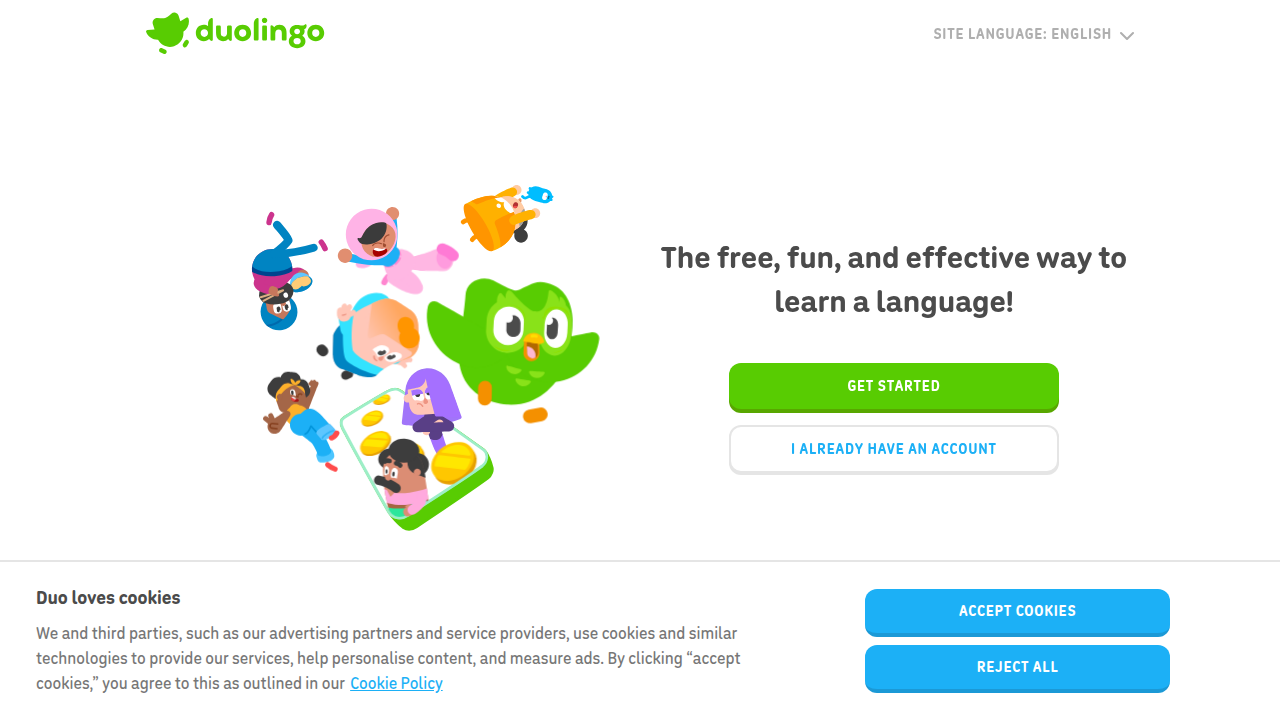
They used their green owl mascot in funny, sometimes silly, ways to get people talking and using their app. This kind of campaign works because it’s entertaining and fits how people use these video platforms. It also makes people love advertising that makes them laugh or feel something strong. To dive deeper into various platforms, understanding digital marketing platforms in 2026 is very helpful.
Effective Email Marketing
Email marketing, even though it’s older, is still very strong. Many businesses use it to send special offers or helpful information directly to people who want it. Nike’s personalized email campaigns are a good example. They send emails that feel like they’re just for you, based on what shoes or clothes you’ve looked at before. This makes customers feel special and more likely to buy. This shows that careful planning of your campaign type strategy can lead to great results across different advertising channels in 2026.
Out-of-Home Connections
Out-of-home (OOH) advertising is also getting creative. This means things like big billboards or ads on buses. But even these are often linked to digital campaigns. For example, some brands use QR codes on OOH ads that you can scan with your phone to go to their marketing website examples or a special social media page. This connects the real world to the online world. Rocket Mortgage, for instance, used emotional storytelling in some of their campaigns that blended different ad types to make a big impact.
Key Takeaways from Modern Campaigns
Looking at these different digital marketing campaign examples, we see a few key things:
- Be Creative and Funny: Campaigns that stand out often use humor or a fresh idea, like Duolingo.
- Know Your Audience: Just like Nike’s personalized emails, knowing what your customers want makes your message more effective.
- Use the Right Tools: Pick the best platforms for your message, whether it’s social media, video, or email. Tools to help manage this include many best social media management tools in 2026.
After looking at all those cool digital marketing campaign examples, you might be thinking, "How do we know if they actually worked?" That’s where data, measurement, and benchmarks come in. These are super important for knowing if your ads and content are doing a good job and making people want what you offer.
What Metrics to Watch
To see how well a digital marketing campaign is doing, we look at different numbers called "metrics."
Think of them like a report card for your advertising. Some important metrics for any digital marketing campaign include:
- Click-Through Rate (CTR): This tells you how many people saw your ad and then clicked on it. A higher CTR means your ad was interesting enough to make people want to learn more.
- Conversion Rate: This metric shows how many people did what you wanted them to do, like buying something, signing up for a newsletter, or filling out a form on your marketing website examples.
- Cost Per Click (CPC) / Cost Per Acquisition (CPA): These numbers tell you how much money you spend to get one click or one customer. Lower costs usually mean your campaign is running well and getting you a good deal.
- Return on Ad Spend (ROAS): This is about how much money you get back for every dollar you spend on ads. It’s a big one for knowing if your campaigns are making a profit.
You can find more than 100 important numbers to track in a detailed guide to Digital Marketing KPIs 2026. Keeping an eye on these helps you understand if people really love advertising you put out.
Understanding Benchmarks
So, you have your numbers, but what do they mean? Are they good or bad? That’s where "benchmarks" help. Benchmarks are like average scores for different types of campaigns or industries in 2026. They help you compare your results to what other similar businesses are seeing. This way, you can tell if your campaign is doing better, worse, or about the same as others.
For example, if the average CTR for ads on social media is 3%, and your campaign gets 5%, you know you’re doing really well! These industry averages and marketing benchmarks for 2026 help you move past guessing. Knowing these numbers is key for Analytic Marketing Drives Smarter Campaigns and boosting your success.
Sample Benchmark Structures
Benchmarks are often shown in tables, breaking down numbers by different factors. Here’s a look at some common ones for 2026:
| Metric | Overall Average 2026 | Good | Great |
|---|---|---|---|
| Mobile Traffic Share | 58.4% | ||
| Average Time on Page | 58 seconds | ||
| Website Bounce Rate | 64.5% | 40-55% (good) | 25-40% (great) |
| Landing Page Conv. Rate | <10% | 10-15% (good) | 15%+ (great) |
| AI-Generated Ad CTR | 12% higher than human |
Note: Data taken from various 2026 industry reports.
As you can see, benchmarks can tell you a lot. For instance, more people use their phones to look at websites today, with mobile traffic making up about 58.4% of all website visits, according to Digital Marketing Industry Marketing Benchmarks 2026. Also, if your website’s bounce rate (people leaving quickly) is lower than 64.5%, you’re doing better than average. Interestingly, ads made by AI are doing great, with some getting a 12% higher click-through rate than ads made by people.
Using benchmarks helps you understand how your digital marketing campaign examples stack up. If your numbers are low, you might need to change your approach. If they’re high, you know you’re doing something right! It’s all about making smart choices based on real numbers. To really dig into making your campaigns perform their best, exploring Performance Marketing 2026 can provide deeper insights.
Artificial intelligence, or AI, is changing how we do marketing in big ways. It helps businesses make their digital marketing campaign examples much smarter and more personal for each person. Instead of showing the same ad to everyone, AI can figure out what each person likes best and show them ads they’ll truly care about.
How AI Makes Campaigns Smarter
AI can do many things to boost a digital marketing campaign:
- Making Ads Personal: Imagine you visit a website for shoes. With AI, that website might later show you ads for the exact shoes you looked at, or similar ones it thinks you’ll love. This is called personalization, and it makes people feel like the advertising is just for them. It’s much more effective than the old days of a general cigarette ad shown to everyone.
- Finding the Right People: AI can look at lots of data to find the best groups of people to show ads to. It helps businesses target customers who are most likely to buy their products, making every dollar spent on ads work harder.
- Creating Better Ads: AI can even help make the ads themselves. It can test different headlines, pictures, and colors to see which ones get the most clicks and sales. This helps create really effective marketing website examples.
- Deciding Where to Show Ads: AI helps choose the best places online to show ads, whether that’s on social media, websites, or apps, to reach the most interested people.
These smart uses of AI mean that companies can make people truly love advertising because it feels helpful and relevant, not annoying. In fact, many digital marketing efforts rely on AI to analyze vast amounts of customer information and predict future trends, as shown in the comprehensive Digital Marketing Statistics (2026) The Complete Data Hub.
Risks and Important Rules for Using AI
While AI offers many benefits for digital marketing campaign examples, it’s also important to think about the downsides and how to use it safely.

- Privacy Concerns: When AI collects data to personalize ads, there’s a risk that it might collect too much personal information. Businesses need to be very careful to protect people’s privacy and follow all rules about data. People want their information to be safe.
- Fairness and Bias: AI learns from the data it’s given. If that data isn’t fair or includes old biases, the AI might accidentally create ads that are unfair or exclude certain groups of people. This is a big concern, and companies must work hard to make sure their AI is fair to everyone.
- Measuring What Matters: It can sometimes be tricky to tell exactly how much impact AI had on a campaign versus other things. Businesses need good ways to measure AI’s true effect so they can keep making smart choices.
To make sure AI is used well and ethically, many businesses choose to work with experts. If you’re looking to use AI in your own campaigns, it’s smart to choose the best AI marketing agency for your business to help navigate these new technologies.
The world of AI in marketing is always changing. Staying updated is key to using it effectively and responsibly.
For those eager to deepen their understanding of AI’s daily impact on the media industry and beyond, there’s a valuable resource available. The AI Newsletter Worth Reading offers clear, daily updates that can help you stay ahead of the curve.
Using AI well means you need a plan. Publishers, ad agencies, and creators can learn from good digital marketing campaign examples and use AI smartly. Here’s a simple playbook to help you test new ideas, make them your own, and grow them even if you don’t have a lot of money or people.
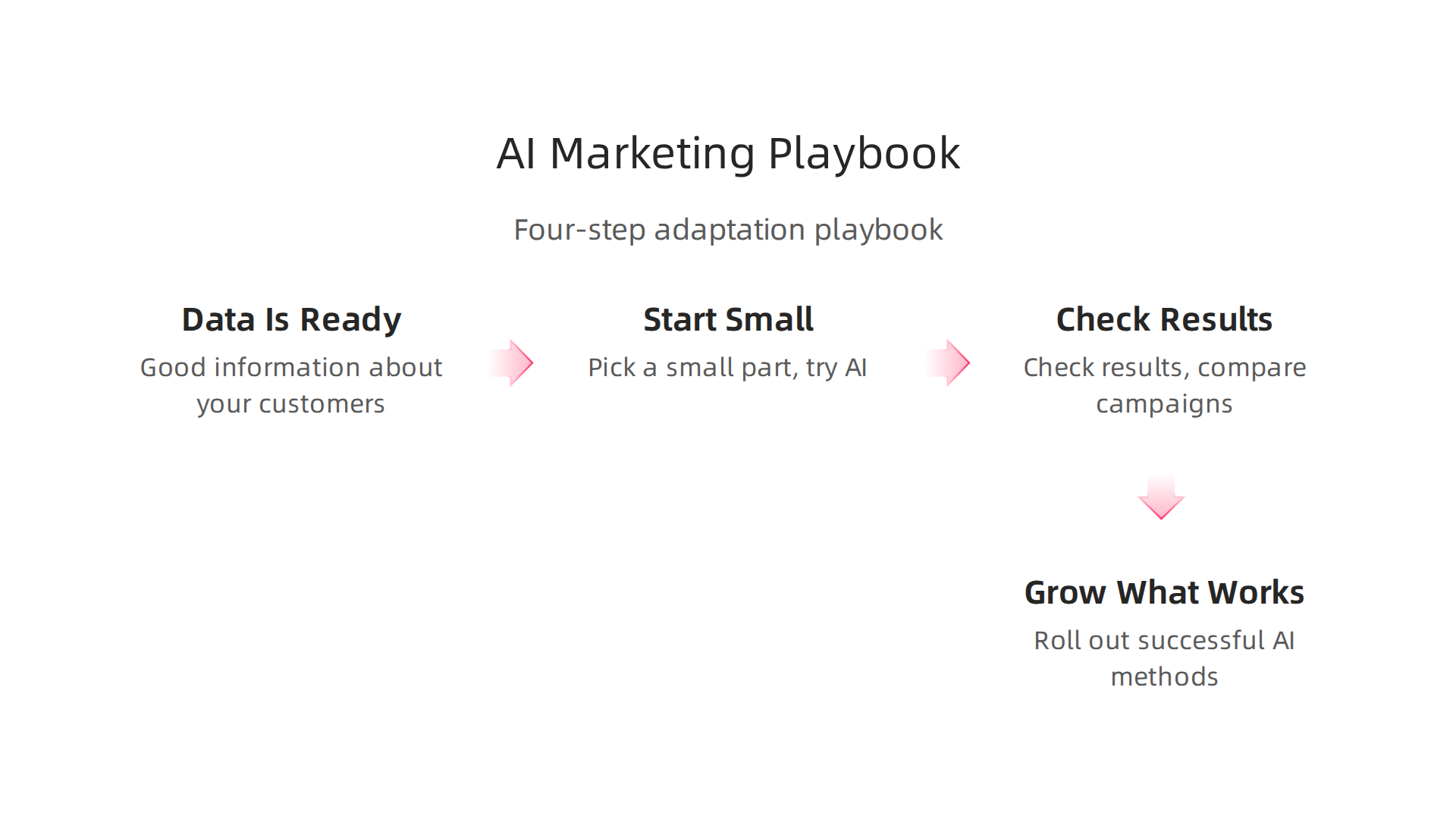
1. Make Sure Your Data Is Ready
First, you need good information about your customers. AI works best when it has clear, connected data. Think of it like a chef needing fresh ingredients. If your customer information is messy or spread out, the AI can’t do its best job. Many experts agree that getting your data in order is the first big step for AI-Driven Marketing Strategies to Implement in 2026. This means making sure you collect the right details and store them in a way that AI can easily use.
2. Start Small and Test Your Ideas
Don’t try to change everything at once. Pick a small part of your marketing to try out AI. Maybe it’s sending personalized emails to a small group or testing different ad pictures with AI help. This is called a "pilot test." It helps you learn what works without risking too much. Experts suggest choosing one or two important areas to start your AI projects for How AI-Driven Personalization is Reshaping Campaigns in 2026.
For your pilot test, you’ll need:
- A simple plan: What do you want to achieve? For example, "get more people to click on our newsletter."
- A way to brief your team: Tell everyone involved what the goal is and what their part is. Clear instructions help everyone understand the new digital marketing campaign examples.
- Clear steps: How will you run the test? What tools will you use?
3. See If It Worked (Measure Your Success)
After your small test, you need to check the results. Did more people click? Did you get more sign-ups? It’s helpful to compare your AI-powered campaign with a regular one. For example, some companies show personalized ads to one group and regular ads to another. Then, they look at things like how many people bought something from each group. This helps them understand what truly works, as noted in AI Personalization Marketing: Email and Ad Strategies for 2026. Having a measurement plan beforehand is key to knowing if your AI effort was a success.
4. Grow What Works
If your small test was a success, great! Now you can start to use those ideas in bigger ways. This means slowly rolling out the successful AI methods to more of your audience or across more of your marketing efforts. Remember, the goal is to make people love advertising because it’s helpful and personal.
Templates can make all these steps easier. You can create simple forms for briefing new AI tests, planning how they’ll run, and setting up how you’ll measure their success. This structured approach helps ensure your new digital marketing campaign examples powered by AI are effective and help you grow.
Summary
This article explains how to build inspiring digital marketing campaigns in 2026 by blending timeless human insights with modern tools like AI. It covers the three pillars of great campaigns—creative emotional ideas, a clear strategy that picks the right channels, and rigorous measurement—then shows real examples across social, video, email and out-of-home. You’ll learn why history still matters for messaging, which metrics and benchmarks to track, and how AI can improve personalization, targeting and creative testing while bringing privacy and bias risks that must be managed. The piece also offers a simple four-step playbook (prepare data, run small pilots, measure, scale) so teams and small businesses can test AI without overcommitting. After reading, you’ll be able to evaluate campaign examples for your brand, run controlled AI pilots, interpret performance against 2026 benchmarks, and choose partners or tools to grow what works.