
Marketing Specialist in 2026 Skills AI Tools and Career Paths
Why ‘marketing specialist’ matters now and what this guide promises
Think about how much marketing has changed lately. It feels like every day there are new apps, new ways to share things online, and even smart computer programs we call AI helping businesses. This fast pace can make it hard to know exactly what a "marketing specialist" does anymore.

Their job is not as simple as it used to be. The old job rules are changing quickly, and businesses are always looking for new ways to reach people. This means many roles in marketing are shifting.
Actually, the role of a marketing specialist is more important than ever in 2026. A marketing specialist is someone who helps a company tell its story and sell its products or services. They plan, create, and watch over marketing campaigns to make sure they work well. They might even specialize in channels like social media or email, as part of their larger marketing role. This means if you’re looking for creative advertising jobs in 2026 or trying to understand what a Marketing Specialist Job Description looks like, it can feel like a moving target.
That’s where this guide comes in. We want to help you understand exactly what a marketing specialist does in today’s world. We’ll give you clear definitions of different marketing roles and show you what skills you really need to succeed. If you’re hiring, we’ll point out what to look for. And if you’re planning your career, we’ll map out different paths you can take, maybe even helping you decide if a digital marketing masters is right for you. Our goal is to make sense of the new marketing landscape, especially with how much AI is changing things. Want to stay on top of all the latest AI trends impacting media and marketing? Get clear daily AI updates from The Deep View Newsletter.
What a Marketing Specialist Actually Does: Responsibilities and scope
Now that we know why the marketing specialist role is so important, let’s look closer at what these pros actually do every day. A marketing specialist is like a company’s storyteller and sales helper all rolled into one. They work to make sure people know about a company’s products or services and want to buy them.
Most marketing specialists share a few main tasks, no matter where they work:
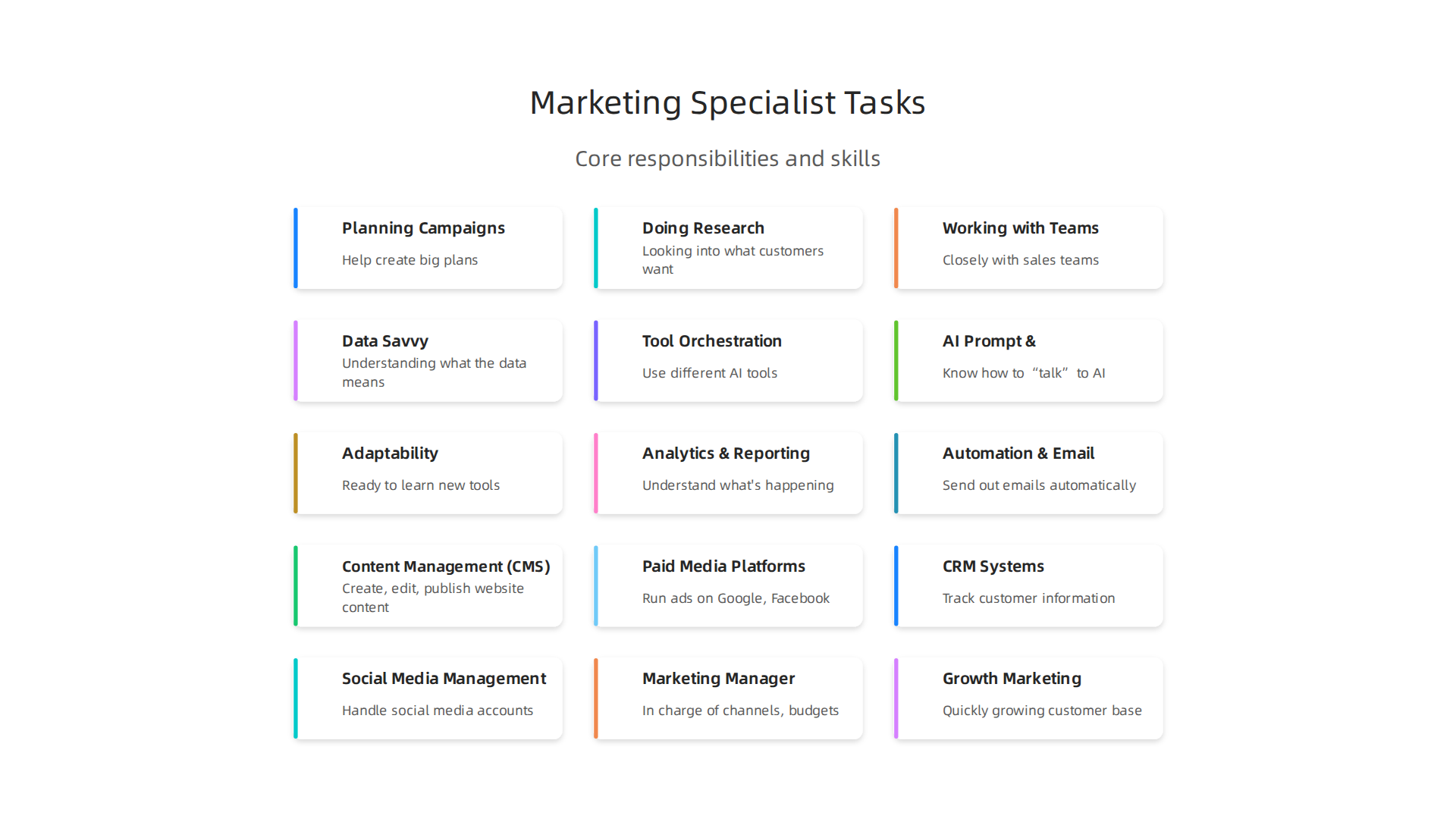
- Planning and Doing Campaigns: They help create big plans for how to tell customers about new products or services. Then, they put those plans into action. This might mean writing emails, making social media posts, or setting up online ads. They work on a marketing strategy that helps a company get seen and sell more things, often linking businesses with their customers through smart campaigns Marketing Specialist Career Path.
- Doing Research: A big part of the job is looking into what customers want and what other companies are doing. This helps them find new ideas and figure out what messages will work best. They gather facts to improve how the company markets itself Marketing Specialist Job Description Template & Duties.
- Checking How Things Are Going: After a campaign runs, a marketing specialist checks the numbers. Did more people click on the ad? Did sales go up? They use this information to see what worked well and what could be better next time. They are always trying to make campaigns perform better Marketing Specialist Job Description Template.
- Working with Teams: Marketing specialists don’t work alone. They often work closely with sales teams to make sure everyone is on the same page. They also talk with product teams to understand what they are selling and how to best show it off.
How Their Job Changes
The exact job of a marketing specialist can look very different from one company to another. It really depends on a few key things:
- Company Size: In a small company, a marketing specialist might do a little bit of everything. They might be in charge of all social media, email campaigns, and even some website updates. But in a big company, they might focus on just one thing, like only managing social media. Someone might have a social media advertising job description specifically.
- What the Company Sells: Marketing for a local coffee shop is different from marketing for a big tech company. The strategies change based on the product or service and who the customers are. For example, local businesses might focus on how local digital advertising agencies drive growth.
- Their Main Focus: Some marketing specialists focus on launching new products, which we call "product-focused" marketing. Others are all about getting more customers, known as "growth-focused" marketing. And some work to make sure the company’s brand looks good and trustworthy, which is "brand-focused." All these different focuses can lead to different growth marketing initiatives that work for a business.
So, while the main goal of a marketing specialist is always to connect a company with its customers, how they do it can change a lot. It’s a field that needs people who can learn and adapt, which is why jobs in this area can be great for those looking for creative marketing jobs in 2026.
The way a marketing specialist works is changing a lot, and fast, thanks to new technology like Artificial Intelligence, or AI. It’s like having a super-smart helper that takes care of many daily tasks. This means the job is evolving, becoming more about thinking smart and guiding tools, rather than doing every single thing by hand.
What AI and Automation Do Now
In 2026, AI is a big part of how marketing gets done. It can take over many jobs that used to take a lot of time. For example, AI can help with:
- Creating Content: AI can write basic social media posts, email newsletters, or even draft website content quickly. This helps marketing specialists get their messages out faster.
- Checking Data: AI tools can look at lots of numbers from campaigns and tell you what worked and what didn’t. This used to take hours, but AI can do it in minutes, giving quick insights into how well a campaign performed [How AI Is Rewriting The Rules Of Marketing]. In fact, nearly half of all digital marketing tasks, including how we look at data, are expected to be automated this year [AI & Marketing in 2026].
- Running Campaigns: Some AI helpers, called "AI agents," can even manage parts of a marketing campaign all by themselves, from planning to putting them into action [How AI is Shaping the Future of Digital Marketing …]. This includes sending emails, managing ads, and posting on social media, making the process much more efficient. By the end of 2026, experts think these AI agents will be part of many business tools [The Next Phase of AI Adoption in Marketing].
Companies are seeing big changes. Automation in marketing is expected to more than double in the next couple of years [AI-Powered Marketing Operations | The 2026 B2B Growth …], and many marketing leaders believe AI is one of the most important technologies for marketing ever [AI-Driven Marketing: What Needs to Change in 2026].
What Still Needs a Human Touch
Even with all this technology, the human marketing specialist is still super important.

AI is a tool, and like any tool, it needs someone smart to use it right. Here’s what humans still lead:
- Big Ideas and Strategy: AI can create content, but it can’t come up with truly new, breakthrough ideas that connect with people’s feelings. Human marketing specialists are needed to set the overall plan, decide on the brand’s story, and make sure everything feels authentic.
- Creativity and Emotion: Making ads that truly move people or campaigns that surprise and delight still requires human creativity. This is why many still find creative marketing jobs to be so rewarding.
- Ethics and Judgment: AI doesn’t understand right from wrong, or what might be unfair or inappropriate. A marketing specialist must review AI’s work to make sure it follows rules and fits the company’s values.
New Skills for Marketing Specialists
With AI taking over many tasks, the marketing specialist role is changing. Now, new skills are becoming very important:
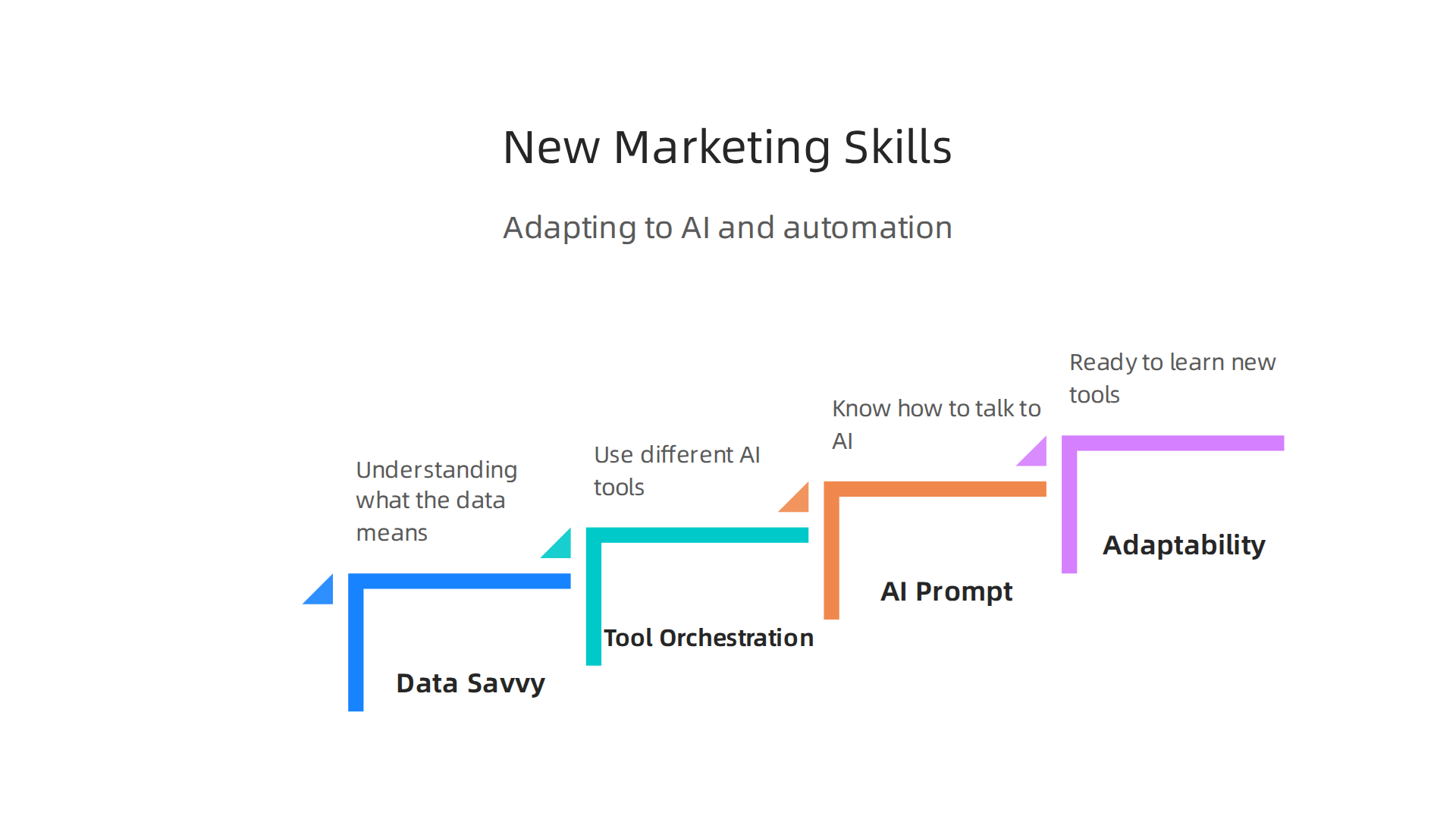
- Data Savvy: You don’t need to be a math genius, but understanding what the data means is key. This means knowing how to read the reports AI gives you and using that info to make smart choices. You need to understand analytic marketing drive smarter campaigns in this new world.
- Tool Orchestration: This just means knowing how to use different AI tools and making them work together smoothly. It’s like being the conductor of an orchestra, where each instrument (tool) plays its part to make beautiful music (a great campaign).
- AI Prompt and Validation Skills: This is a fancy way of saying you need to know how to "talk" to AI to get the best results. You also need to check the AI’s work to make sure it’s correct and effective. It’s about guiding the AI to do what you want and then making sure it did a good job.
- Adaptability: The world of marketing is always changing, especially with AI. A good marketing specialist must be ready to learn new tools and ways of working all the time. Learning about [performance marketing 2026] and advanced AI tactics is essential.
In short, the marketing specialist of 2026 isn’t just a doer, but a planner, a guide, and a critical thinker who uses powerful tools to make marketing even better.
Staying informed about these changes is crucial for anyone in the media and marketing world.
Get clear daily AI updates from The Deep View Newsletter. The AI Newsletter Worth Reading
Now, let’s look at the day-to-day work of a marketing specialist in 2026. This role involves using many smart tools and following certain steps to make sure marketing efforts work well. A marketing specialist designs, carries out, and watches over marketing projects, which can include big ad campaigns and promotions. This professional often focuses on a certain area like email or social media [What is a marketing specialist? A comprehensive guide].
Day-to-day: Tools, workflows, and metrics a marketing specialist uses
The modern marketing specialist uses a range of digital tools every day. These tools help them get tasks done faster and more effectively, especially with AI built into many of them.
Common Tool Categories
In 2026, a marketing specialist’s "toolbox" is full of different software. Here are the main types:
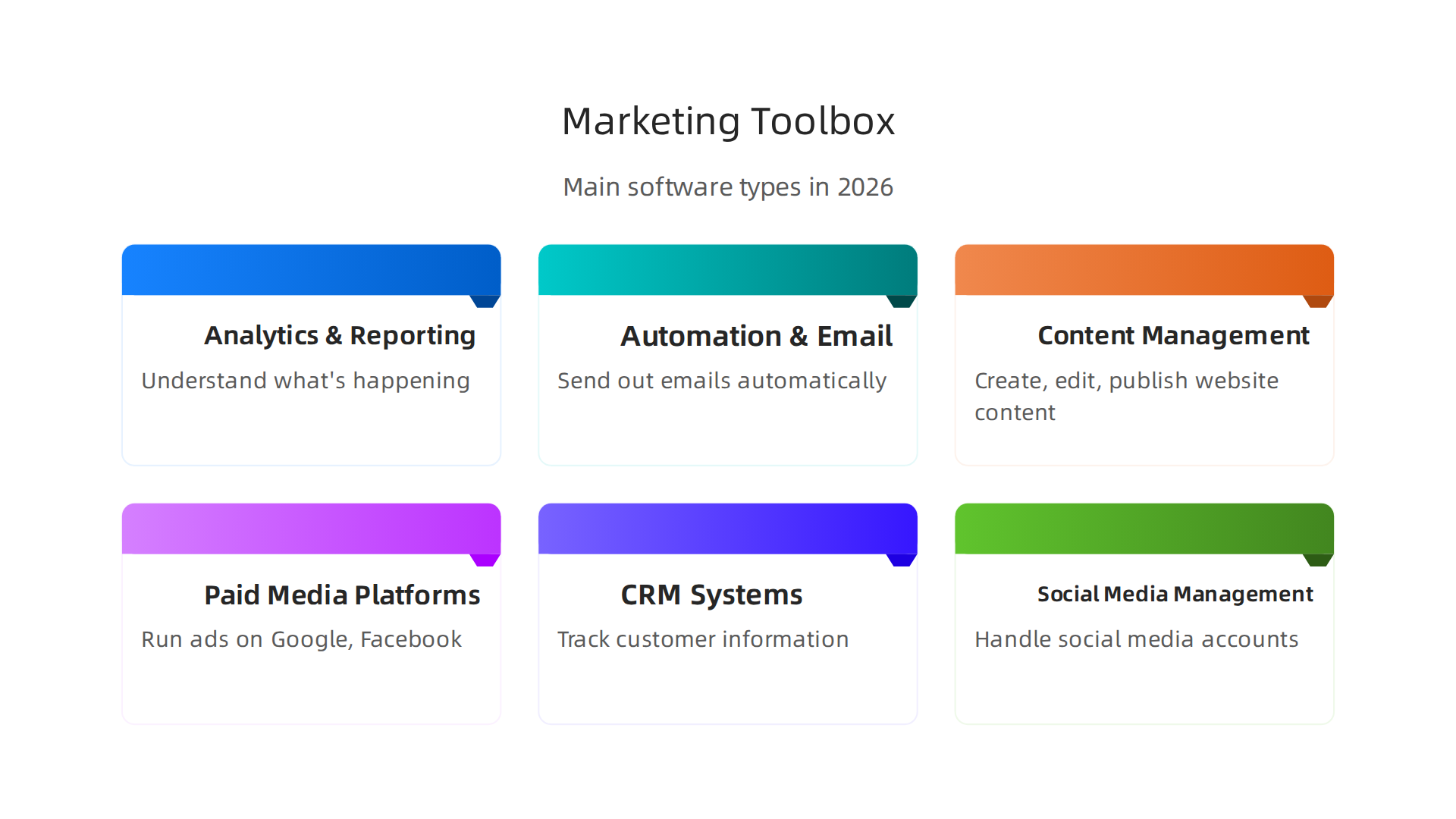
- Analytics and Reporting Tools: These tools help specialists understand what’s happening with their campaigns. They gather numbers about website visits, ad clicks, and customer actions. Tools like Google Analytics or specialized dashboards help them see which parts of a campaign are working and which are not. This is key for understanding how to make marketing smarter.
- Marketing Automation and Email Platforms: These tools send out emails, schedule social media posts, and manage other repeating tasks automatically. They can help personalize messages for different people. For example, a marketing specialist might set up an email series that goes out every time someone signs up for a newsletter.
- Content Management Systems (CMS): These are like digital offices for websites. They help specialists create, edit, and publish website content, blog posts, and landing pages without needing to be a computer coder.
- Paid Media Platforms: These are the systems where marketing specialists run ads on sites like Google, Facebook, or LinkedIn. They manage ad budgets, target specific groups of people, and track how well the ads perform.
- Customer Relationship Management (CRM) Systems: These tools help keep track of customer information, like their past purchases and how they interact with the company. This helps the marketing specialist send more relevant messages.
- Social Media Management Tools: These tools help handle all the different social media accounts. A marketing specialist can use them to plan posts, share content, and talk with followers across many platforms from one place. You can learn more about how these tools work in our guide to social media management tools 2026.
Many of these tools work together in what’s called a "marketing tech stack," making it easier for a marketing specialist to do their job The New Digital Marketing Stack: Essential Tools Every ….
Typical Workflows
A marketing specialist’s day might include:
- Planning Campaigns: Thinking about who they want to reach and what message they want to send. AI helps here by suggesting what might work best.
- Creating and Scheduling Content: Using AI to help write drafts for social media, then adding a human touch to make them sound just right. After that, they schedule posts and emails to go out at the best times.
- Managing Ads: Setting up new ad campaigns on platforms like Facebook or Google, checking existing ads, and making changes to get better results. This can often involve a detailed social media advertising job description.
- Analyzing Data: Looking at the numbers from tools to see how well campaigns are doing. They figure out what to change or improve.
- A/B Testing: Trying out two slightly different versions of an email or ad to see which one performs better. This helps them learn what customers like most.
Primary KPIs and Reporting Impact
To know if their work is successful, marketing specialists track Key Performance Indicators (KPIs). These are important numbers that show progress toward goals.
Common KPIs include:
- Website Traffic: How many people visit the website.
- Conversion Rates: How many visitors complete a desired action, like buying something or filling out a form.
- Engagement Rates: How much people interact with social media posts, emails, or ads (likes, shares, comments, clicks).
- Lead Generation: How many potential customers they find.
- Return on Investment (ROI): How much money the company made back from its marketing spending.
Marketing specialists don’t just track these numbers; they also report them to their managers and company leaders. They explain what the numbers mean, what they learned, and what they plan to do next. This helps everyone understand the value of their marketing efforts and make smart choices for the future.
To truly shine as a marketing specialist, it’s not just about knowing which tools to use. It’s also about having the right mix of skills and always learning new things.

In 2026, companies want people who can do technical tasks well and also work well with others.
Important Skills for a Marketing Specialist
A marketing specialist needs different kinds of skills to succeed. We can split these into two main groups: technical skills and soft skills.
Technical Skills: Knowing Your Tools and Data
Technical skills are about how you use marketing tools and understand the numbers they give you. Think of these as the "hard skills" that help you get things done with technology.
- Analytics and Data Understanding: You need to know how to look at data from campaigns. This means understanding website traffic, how many people click on ads, and if they buy something. It’s about finding out what the numbers mean and using that to make better plans.
- Automation and Tagging: Learning how to set up marketing automation platforms is key. This helps send emails or social media posts automatically. You also need to know about "tagging," which helps track how users move around a website or app.
- AI Literacy: With so much AI in marketing now, it’s important to understand how AI tools work and how to use them smartly. This helps with everything from writing content to predicting what customers want. Experts say that in 2026, AI literacy is one of the top skills recruiters look for 12 Skills Recruiters Look For in 2026 (What Employers Value).
- Paid Media Management: If you want to handle ads on platforms like Google or social media, you need to understand how these systems work. This often includes knowing how to create a good social media advertising job description and fill it.
Soft Skills: Working with People and Ideas
Soft skills are about how you interact with people and solve problems. These are just as important as technical skills, especially for moving up in your career. Many employers look for people who can mix strong personal skills with technical know-how Top Workplace Skills Employers Will Demand in 2026.
- Communication: Being able to explain your ideas clearly, both when writing and speaking, is super important. You need to talk to your team, clients, and even customers.
- Problem-Solving: Things don’t always go as planned in marketing. You need to be able to find good solutions when problems come up.
- Adaptability: The world of marketing changes very fast. New tools and ideas come out all the time. A good marketing specialist can quickly learn new ways of doing things.
- Teamwork: You’ll often work with other people, like designers or sales teams. Being a good team player helps everyone reach their goals.
- Stakeholder Management: This means working well with people who have a say in your projects, like managers or clients. You need to understand their needs and keep them happy.
Certifications and Learning Paths
To stay ahead in 2026, a marketing specialist should always be learning. There are many ways to do this, from getting special certificates to continuing your education.
High-Value Certifications
Many companies offer free or paid certifications that show you know a lot about their tools. These can be very helpful for your resume.
- Google Certifications: These show you know how to use Google Ads or Google Analytics, which are widely used tools.
- Meta Blueprint: If you want to be a social media advertising expert, Meta’s (Facebook, Instagram) certifications are valuable.
- HubSpot Academy: HubSpot offers many free courses and certifications on things like inbound marketing, content marketing, and email marketing.
- Specific Platform Certifications: As new tools come out, look for training and certifications directly from the companies that make the software.
These certifications show potential employers that you are serious about your skills.
Micro-Credentials and Training
Micro-credentials are like small badges that show you’ve mastered a specific skill. You can earn them through online courses or special workshops. Think of them as small stepping stones to bigger career goals, especially for creative advertising jobs in 2026 skills ai and career paths for success.
- Online Courses: Websites like Coursera, Udemy, or LinkedIn Learning offer many courses on digital marketing topics.
- Webinars and Workshops: Many industry experts and companies offer free or paid online events where you can learn about new trends and tools.
For those looking for a deeper dive, some consider a digital marketing masters degree, but practical experience and certifications are often just as important, if not more so. The key is to keep learning and adapting to new technologies, especially AI.
Staying updated with AI and technology is crucial for any marketing specialist today. Get clear daily AI updates from The AI Newsletter Worth Reading.
Staying on top of new skills and technologies like AI is super important for a marketing specialist. But what happens next in your career? There are many exciting paths you can take to grow, whether you want to lead teams or become a super expert in one area.
Career trajectories: Senior roles, specialization, and lateral moves
After gaining some experience as a marketing specialist, you’ll find different doors opening up. These can lead to more senior roles, a focus on specific types of marketing, or even a move to a different kind of job within the marketing world.
Common Next Steps for a Marketing Specialist
Many marketing professionals follow a clear path to move up. Here are some common ways a marketing specialist can grow their career in 2026:
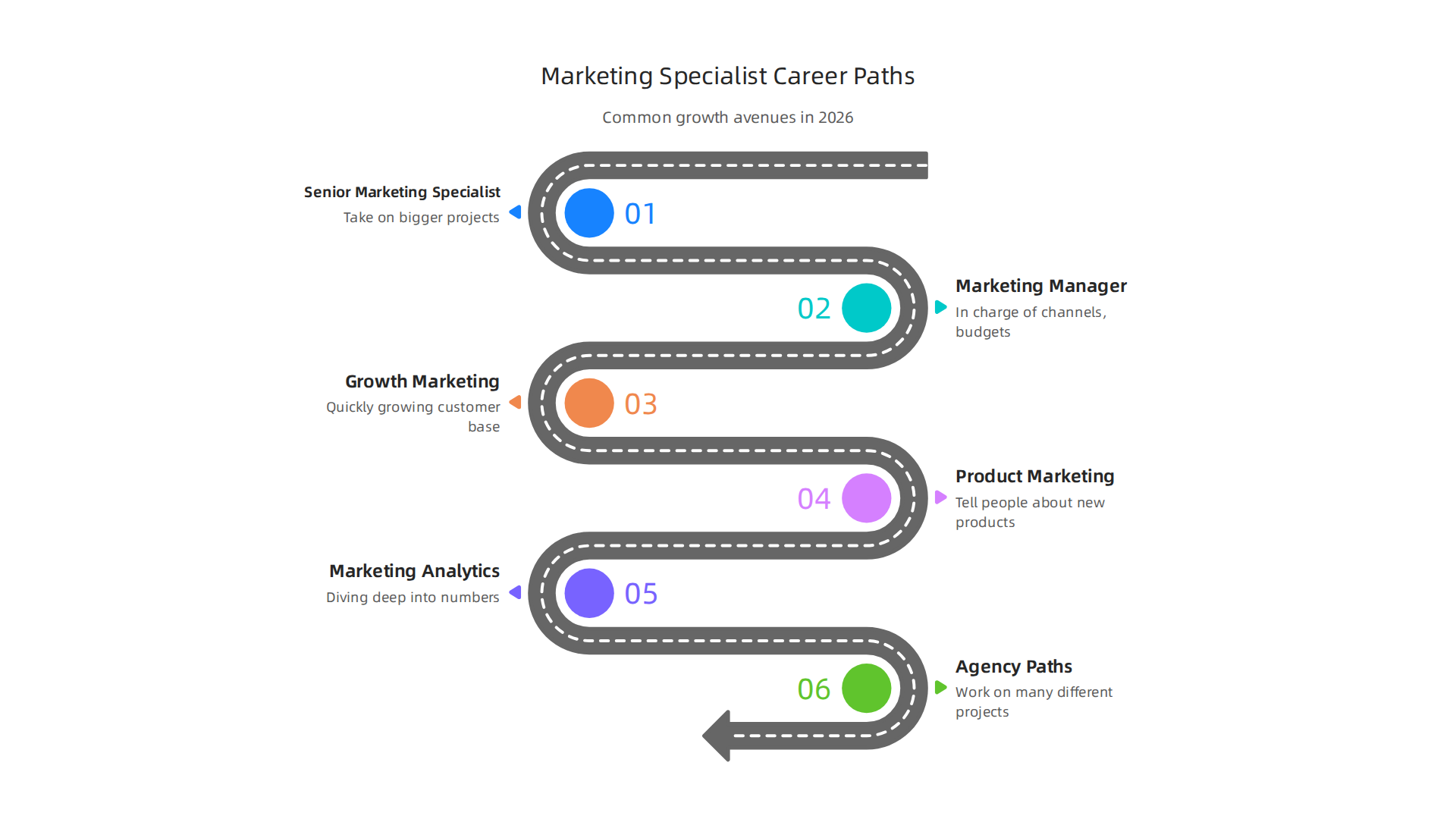
- Senior Marketing Specialist: This is often the first step. You’ll take on bigger projects, guide junior team members, and have more say in strategies. Senior marketing specialists generally earn more than entry-level roles, with some even reaching over $85,000 per year, especially with special skills in high-demand areas.
- Marketing Manager: After a few years, you might become a manager. Here, you’ll be in charge of entire marketing channels or programs, handle budgets, and lead a small team. This role often comes with a significant jump in pay, typically ranging from $86,000 to $155,000 a year according to 2026 data [Marketing Career Path Guide Roles, Progression, Skills, Salaries & More!]. To learn more about this role, check out our guide on Marketing Manager 2026 Roles, Skills, and Trends for Success.
- Growth Marketing Specialist: This path focuses on quickly growing a company’s customer base or revenue. It involves lots of testing and data analysis. If you love seeing fast results, this could be for you.
- Product Marketing: Here, you work closely with product teams to tell people about new products or features. You make sure customers understand what a product does and why they need it.
- Marketing Analytics: If you enjoy diving deep into numbers and finding out what they mean, a role in marketing analytics might be a great fit. These specialists help companies make smart choices based on data.
- Agency Paths: Many marketing specialists choose to work at marketing or advertising agencies. Agencies often offer a chance to work on many different projects and with various clients, giving you broad experience.
These roles often lead up a career ladder, from coordinator to manager to director and beyond Marketing Career Ladder (2026): 6 Levels Explained.
When to Specialize vs. When to Broaden Your Skills
As you advance, you’ll need to decide if you want to become very good at one thing (specialize) or be good at many things (broaden).
- Specializing: Choosing to become an expert in areas like SEO, paid ads, or content marketing can lead to higher salaries. For instance, an expert in technical SEO might earn more because their skills are very specific and in demand. In 2026, roles like paid media buyer are particularly valued for their specialized skills. You can explore the career path for a Paid Media Buyer 2026 Skills, Certification, and Career Path.
- Broadening: Having a wide range of skills, especially soft skills like communication and problem-solving, is key for moving into management roles. Employers in 2026 want people who can combine their technical knowledge with strong personal skills Most In-Demand Skills for 2026: What Employers Actually Want. This helps you lead teams and manage bigger projects that need many different skills.
Think about what you enjoy most. Do you love digging deep into one topic, or do you prefer to see the bigger picture and work on many different parts of marketing? Both paths can lead to a successful and rewarding career as a marketing specialist.
Okay, let’s talk about how companies hire for marketing roles and what they look for.
Hiring, compensation signals, and how companies structure the role
After thinking about the different paths a marketing specialist can take, it’s helpful to see things from the company’s side. What do businesses look for when they want to hire a marketing specialist? How do they set up these jobs, and what makes someone stand out?
What Companies Call a Marketing Specialist
The name "marketing specialist" is a good general term, but companies often use more specific job titles. You might see job postings for:
- Digital Marketing Specialist: This person focuses on online efforts like websites, emails, and online ads.
- Content Marketing Specialist: Their main job is creating useful and interesting content, like blog posts or videos.
- Social Media Specialist: These roles handle all things social media, from creating posts to running ads. If you are interested in making a good impression in this field, learning how to write a great social media advertising job description can be helpful.
- SEO Specialist: This expert helps websites show up higher in search results.
- Paid Media Specialist: They manage paid advertising campaigns on different platforms.
These specific titles help companies find people with the exact skills they need. Many of these roles are becoming more tied to technology. For example, by the end of 2026, companies expect to see AI agents in many business tools, changing how marketing teams run campaigns significantly AI-Driven Marketing Strategies to Implement in 2026. This means showing you understand how to work with new tech is key.
Where a Marketing Specialist Fits in a Company
A marketing specialist can work in a few different places:
- In-house teams: Many companies have their own marketing teams. Here, a marketing specialist usually reports to a marketing manager or director. They work closely with other company departments like sales or product development. These roles give you a deep understanding of one company’s brand and customers.
- Marketing agencies: These businesses provide marketing services to many different clients. Working at an agency means you get to work on a wider range of projects for various companies. It’s a great way to gain broad experience. If you are looking for creative advertising jobs in 2026, agencies often have many interesting opportunities. Also, with AI becoming a core part of marketing, many businesses are looking to choose the best AI marketing agency to help them automate tasks like content creation, paid advertising, and social media management, as AI can replace large parts of what human teams used to do How AI Is Replacing Marketing Teams in 2026.
What Hiring Managers Really Look For
When a hiring manager looks for a new marketing specialist, they don’t just check your resume. They want to see what you can actually do.
- Work samples and portfolios: Showing examples of your past work is very important. This could be case studies of campaigns you ran, articles you wrote, or designs you created. It proves you have the skills.
- Project audits: Sometimes, a company might ask you to look at a past project and suggest improvements. This helps them see how you think and solve problems.
- Understanding of AI and data: In 2026, AI is changing marketing fast. Hiring managers want to know you can use AI tools to make tasks quicker and better. For example, AI can help with content creation, understanding customer data, and running campaigns. Nearly all marketing activities can be improved by AI, boosting speed and performance dramatically AI & Marketing in 2026: How Artificial Intelligence Is ….
- Soft skills: Things like good communication, teamwork, and being able to solve problems are always highly valued.
Compensation Signals
How much a marketing specialist gets paid depends on a few things:
- Experience and skills: More experience and specialized skills, like expertise in AI-powered tools or advanced data analysis, usually mean higher pay.
- Location: Pay can be different based on where the company is located.
- Company size and type: Larger companies or those in high-growth industries might offer more.
- Your impact: Being able to show how your work directly helped the company grow or save money can lead to better compensation. This is where showing off strong projects and results really pays off.
If you are thinking about going back to school, a digital marketing masters could help you gain the deep knowledge and advanced skills that lead to higher earning potential and more senior roles.
Summary
This article explains what a marketing specialist does in 2026 and why the role is more important than ever as AI and new tools transform marketing work. It walks through everyday responsibilities—campaign planning, research, execution, and performance tracking—while showing how those tasks change by company size, product type, and focus area. The guide details how AI automates routine work (content, data analysis, campaign execution) and what still requires human judgment—strategy, creativity, and ethics. It outlines the modern toolbox (analytics, automation, CMS, CRM, paid platforms), the KPIs specialists track, and the mix of technical and soft skills you need to succeed. The article also covers certification options, learning paths, typical career trajectories, and hiring signals so readers can prepare stronger portfolios, choose training, and plan their next career move.