Advertising Definition 2026 How Lifecycle Marketing Transforms Customer Relationships
Introduction
The ground has shifted under our feet. What worked for advertising five years ago feels outdated today. In 2026, if you ask someone for an advertising definition, you might get a different answer depending on who you ask. But one thing is clear: the old playbook is broken.
To start fresh, we can look at the experts. The American Marketing Association defines advertising as the paid promotion of a company and its products. That is a solid base. But in practice, you cannot just run an ad and hope for the best. You need a plan that connects that ad to the rest of your business.

You need a strong marketing strategy template that guides your choices. And you need an omnichannel strategy so your message feels the same on every platform.
That is where a broader idea comes in. We are talking about lifecycle marketing. If you have ever asked yourself what is lifecycle marketing, the simple answer is this: it turns a single paid click into a long relationship, just like we saw with the recent Sydney Sweeney campaign.
This article will give you a modern advertising definition that makes sense for right now. Then, we will look at how lifecycle marketing helps you build real, sustainable growth. That is exactly what we will cover next.
What Is Advertising? A Modern Definition for 2026
You already know advertising is more than a billboard or a TV spot. But let’s be honest. The textbook definition you learned a few years ago probably doesn’t match what you do every day. In 2026, the question "what is advertising?" deserves an answer that reflects how fast things have changed.
The American Marketing Association defines advertising as the paid promotion of a company and its products or services through paid channels. That definition is still correct. But it leaves out a lot. Advertising used to mean a print ad, a 30-second commercial, or a radio jingle. You paid for a slot, and you hoped enough people saw it.
Today advertising comes in many more shapes. Programmatic ads buy and sell themselves in milliseconds. Native ads blend into the content you are already reading. AI-driven ads change their message depending on who is looking at them. An ad can be a sponsored post on Instagram, a video on YouTube, or a suggested product on a shopping site. It can even be an interactive experience inside a game. The core idea is the same. You pay to get your message in front of someone. But how you do it, and how smart that message can be, is completely different.
Let’s look at the key pieces that still hold true. Every ad has four parts. First, an intentional message you want to share. Second, a paid placement. That is what separates advertising from organic content. Third, an identified sponsor. People need to know who is behind the message. And fourth, a targeted audience. You are not shouting into the void. You are trying to reach specific people at the right time.
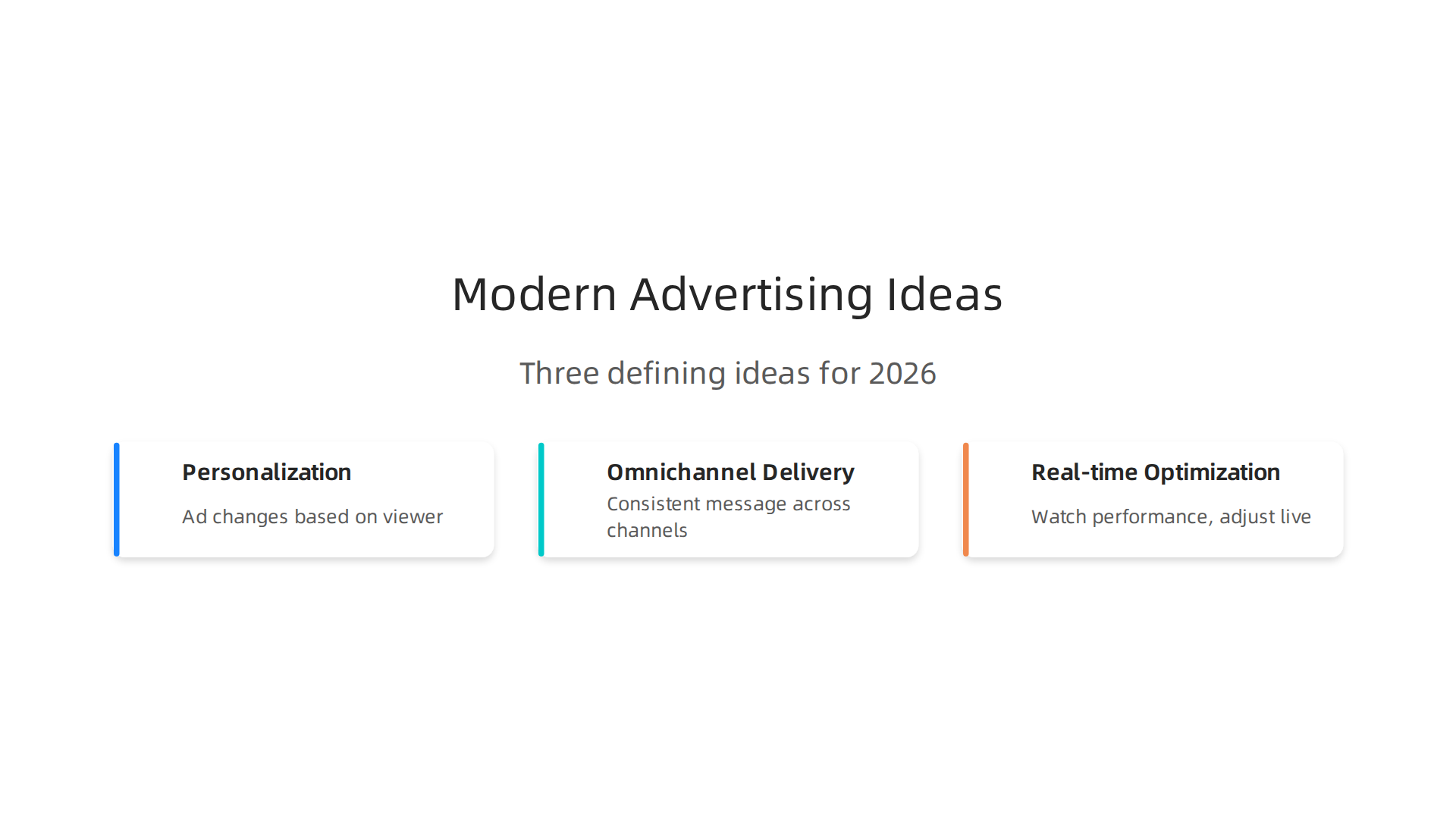
Now here is where the modern twist comes in. A good advertising definition for 2026 must also include three new ideas.
-
Personalization. An ad can change its headline, image, or offer based on who sees it. That makes it more relevant and less annoying.
-
Omnichannel delivery. Your ad might appear on a website, then later in an email, then again on a social feed. The message stays consistent across every channel. This is where your omnichannel strategy becomes critical. You need to coordinate ads across platforms so they feel like one conversation.
-
Real-time optimization. You do not have to wait weeks to see if an ad worked. You can watch performance live and adjust bids, creative, and targeting on the fly. That changes everything.
So here is a modern definition you can use: Advertising is the paid, targeted delivery of personalized messages across multiple channels, optimized in real time to achieve a specific business goal.
This definition works for 2026 because it focuses on how advertising actually behaves today. It is not just about buying space. It is about connecting with people where they are, with the right message, and improving that message as you learn what works.
If you want to see this definition in action, look at how brands use AI and data to tailor ads for different audiences. The same product can appear completely different to two people, and that is a good thing.
Now that you have a clear picture of advertising in 2026, we can talk about what happens after the click. That is where lifecycle marketing turns a single ad into a long relationship. Let us look at that next.
The Core Pillars of Advertising: Audience, Message, Media, Measurement
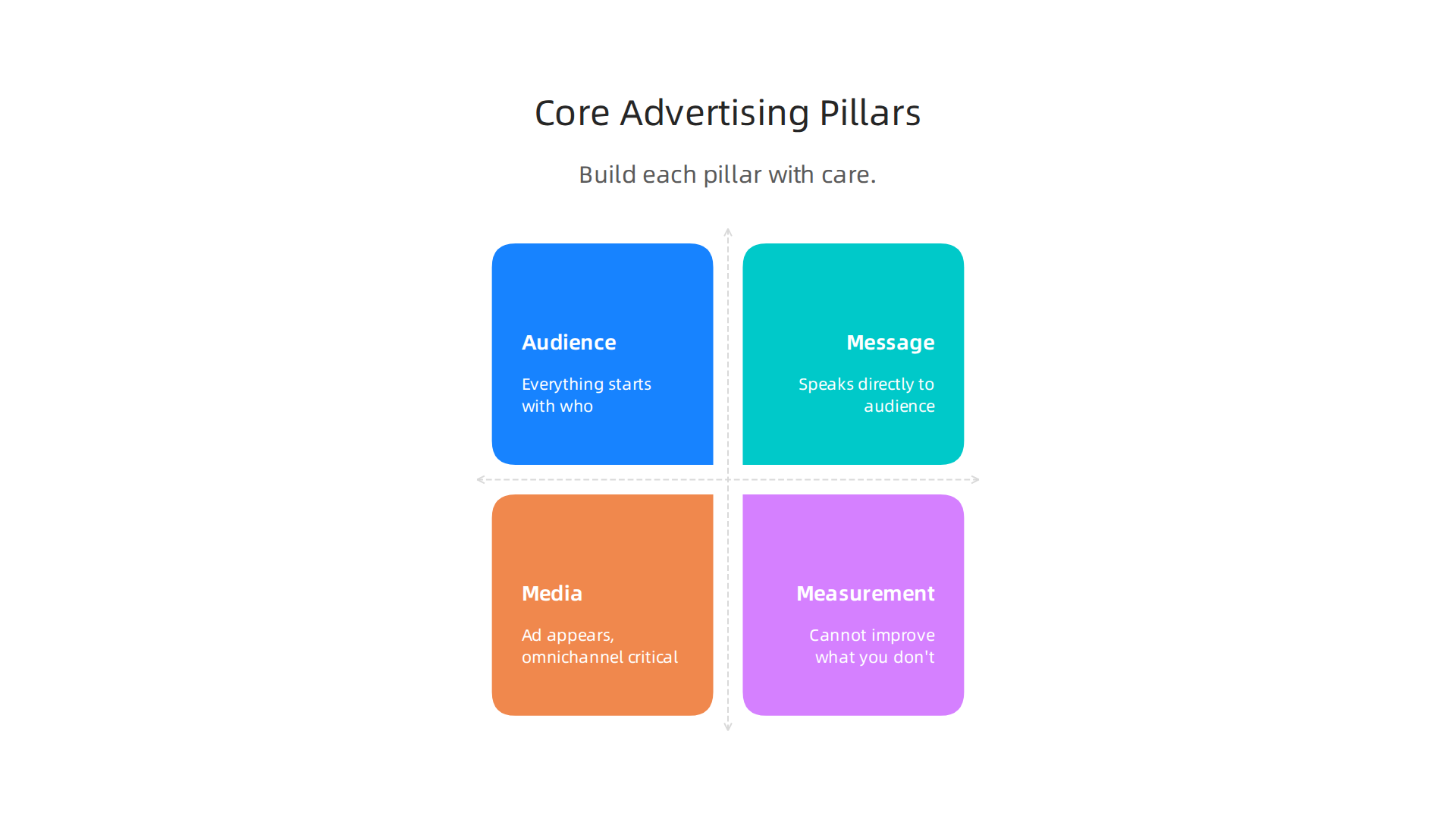
Here is the thing. You can have the most beautiful ad in the world. If it reaches the wrong person, it is wasted. That is why every effective campaign rests on four pillars. Ignore one, and your results suffer. Think of these pillars as your marketing strategy template. When you build each one with care, everything else gets easier.
Audience
Everything starts with who you want to reach. In 2026, audience targeting goes far beyond basic demographics. You can target by behavior, by what people are reading right now, or even by their exact location. Programmatic advertising makes this possible by buying ad space in real time. It shows your message only to people who match your ideal profile. That means less wasted spend and more relevant connections.
Think about it. A single ad can look completely different to a parent in Chicago versus a college student in Tokyo. That is the power of modern audience segmentation. For a deeper look at how targeting is evolving, check out this guide to Meta ads targeting in 2026.
Message
Once you know your audience, you need a message that speaks directly to them. Your creative must match your brand voice while adapting to each platform. What works on a social feed might feel wrong in a search result. The best advertisers follow best practices for programmatic advertising by testing different versions of their message and keeping only the winners.
Media
Media is where your ad appears. In 2026, an omnichannel strategy is critical. Your ad might show up on a website, then later on a connected TV, then again in a mobile app. The same message should follow the person everywhere they go. Programmatic advertising in 2026 is seeing big shifts in how channels work together. Connected TV growth alone is changing how brands plan their media buys. If you want to see how media networks are adapting right now, read about navigating the 2026 media network terrain.
Measurement
Here is where many people get stuck. You cannot improve what you do not measure. Every ad impression, click, and conversion tells a story. The brands that win are the ones that watch their data and adjust fast. If a creative is not working, change it. If a channel is underperforming, shift your budget. An expert guide to programmatic targeting explains why continuous measurement is the key to long-term success.
These four pillars are not separate steps. They work together. Your audience shapes your message. Your message matches your media. Your measurement tells you if you chose the right audience in the first place. For a real world example of how targeting the right audience pays off, check out how Sydney Sweeney advertising drove 47% higher engagement for American Eagle.
Now that you understand the pillars, you might wonder what happens after the click. How do you turn an ad viewer into a loyal customer? That is where the concept of lifecycle marketing comes in. It connects your ads to the full customer journey. And that is exactly what we will cover next.
Lifecycle Marketing Defined: From Awareness to Advocacy
So you have a solid ad strategy. You know your audience, your message, your media, and your measurement. But here is a big question. What happens after someone clicks your ad? Do they just disappear?
That is where lifecycle marketing comes in. And it changes how you think about the advertising definition itself.
Think of the old way as a funnel. You pour people in at the top. Some drip out the bottom as customers. Then you move on to find new people. It treats every sale like a one time thing.
Lifecycle marketing flips that idea. Instead of a funnel, think of a circle. Or better yet, a relationship. You do not want to date someone once. You want them to keep coming back. And maybe even tell their friends about you.
This is exactly what successful brands are doing in 2026. They map out every touchpoint a person has with their business. From the very first time they hear your name to the moment they become a loyal fan who buys again and again. Lifecycle marketing covers every stage of the customer journey. Awareness, consideration, purchase, retention, and expansion.
The Five Stages of the Lifecycle
Let me break it down simply.
| Stage | What Happens | Role of Advertising |
|---|---|---|
| Awareness | Someone learns you exist | Broad reach ads, social posts, search ads |
| Consideration | They check you out | Retargeting, comparison content, email nurture |
| Conversion | They make a purchase | Promo ads, cart abandonment emails |
| Retention | They come back | Loyalty programs, personalized offers |
| Advocacy | They tell others | Referral campaigns, user generated content |
At each stage, advertising plays a different role. In the awareness stage, you need wide net ads that introduce your brand. But by the time someone reaches retention, you want a completely different message. Something that says "we remember you and we value you."
This is not just theory. A lifecycle marketing strategy is a coordinated plan for engaging customers throughout their entire brand relationship. It aligns your messaging with where the person actually is in their journey.
Why Lifecycles Matter More in 2026
Here is the reality. Getting a new customer costs way more than keeping an existing one. And in 2026, with privacy changes and rising ad costs, that gap is getting bigger. Brands that focus only on the top of the funnel waste money.
By 2026, AI adoption in lifecycle marketing has hit 85%. That means smart automation is sending the right message at the right time without you lifting a finger. It is how you scale personalization.
For example, you can run a broad awareness campaign using display ads. Then when someone visits your site but does not buy, a retargeting ad shows them the exact product they looked at. After they buy, a follow up email thanks them and offers a discount on their next purchase. And if they share your brand on social media, you reward them with a special offer.
Each step feels natural. It does not feel like spam. It feels like a brand that actually pays attention.
Moving Beyond the Funnel Mentality
The old funnel treated customers like numbers. The lifecycle treats them like people. Your marketing strategy template should include plans for every stage, not just the first one.
If you want to see how different ad formats fit into each stage, look at the types of Google Ads campaigns. Each format serves a different purpose in the lifecycle.
When you understand what is lifecycle marketing, you stop chasing one time sales. You start building a community that grows on its own. And that is how you build a business that lasts.
Up next, we will look at how to map your own customer journey and find the gaps where your advertising is falling short.
How Advertising Drives Each Stage of the Lifecycle
Let me paint a picture for you. You run a pre roll ad on YouTube. Someone watches it for five seconds and keeps scrolling. That is the awareness stage working. They know you exist now. But what happens next depends entirely on your advertising strategy at every other stage.
Here is the thing. Most brands pour all their budget into that first impression. They forget that advertising does not stop after someone knows your name.

It actually changes shape as the relationship grows.
Top of Funnel: Casting a Wide Net
At the very beginning, your job is simple. Get seen. This is where reach focused campaigns shine. Think pre roll video ads, display banners on popular sites, and social media ads that stop the scroll.
The goal here is not a sale. It is a memory. You want people to recognize your brand later when they see it again. Lifecycle marketing covers this awareness stage as the first critical touchpoint. Without it, no one ever enters your world.
Brands that do this well use broad targeting and high frequency. They show up where their audience hangs out online. And they keep the message simple. A quick value statement. A relatable problem. A reason to pay attention.
Mid Funnel: Turning Interest into Intent
Now the game changes. Someone has seen your ad. Maybe they visited your website. They are curious but not ready to buy. This is the most delicate stage.
Your advertising here needs to nurture. Retargeting ads are perfect for this. When someone leaves your site without buying, a retargeting ad follows them with the exact product they looked at. It reminds them gently. It does not pressure them.
Search ads also shine here. When someone starts typing questions related to your product, you want to be the answer. A lifecycle marketing strategy aligns your messaging with where the person actually is in their journey. Mid funnel ads say "we understand your problem and we have a solution."
Different ad formats serve different purposes at this stage. If you want to see which Google campaign types work best for mid funnel targeting, check out this guide on the types of Google Ads campaigns. Each format has a specific job.
Bottom Funnel and Retention: Closing and Keeping
This is where the real magic happens. At the bottom of the funnel, your advertising shifts to conversion focused messages. Email capture offers, subscription discounts, and limited time promos all work here.
But remember. The lifecycle does not end at the sale. Retention advertising is equally important. You want to keep customers coming back. This means personalized offers based on past purchases. Loyalty program ads. Win back campaigns for people who have not bought in a while.
The five key stages of the customer journey range from initial awareness to loyal advocacy. And advertising plays a different role at each one. By 2026, smart brands are using automation to deliver these ads without manual effort. It is how you scale personalization across thousands of customers.
The brands that win in 2026 do not treat advertising as one thing. They treat it as a set of tools that change based on where the customer is. Top of funnel gets awareness. Mid funnel gets education. Bottom funnel gets conversion. And retention gets appreciation.
When you map your advertising to the lifecycle, every dollar works harder because it speaks to the right person at the right moment.
Top Advertising Channels for Lifecycle Marketing in 2026
Now that you understand how advertising changes at each stage, the next question is where to run those ads. The channels you pick matter just as much as the message.
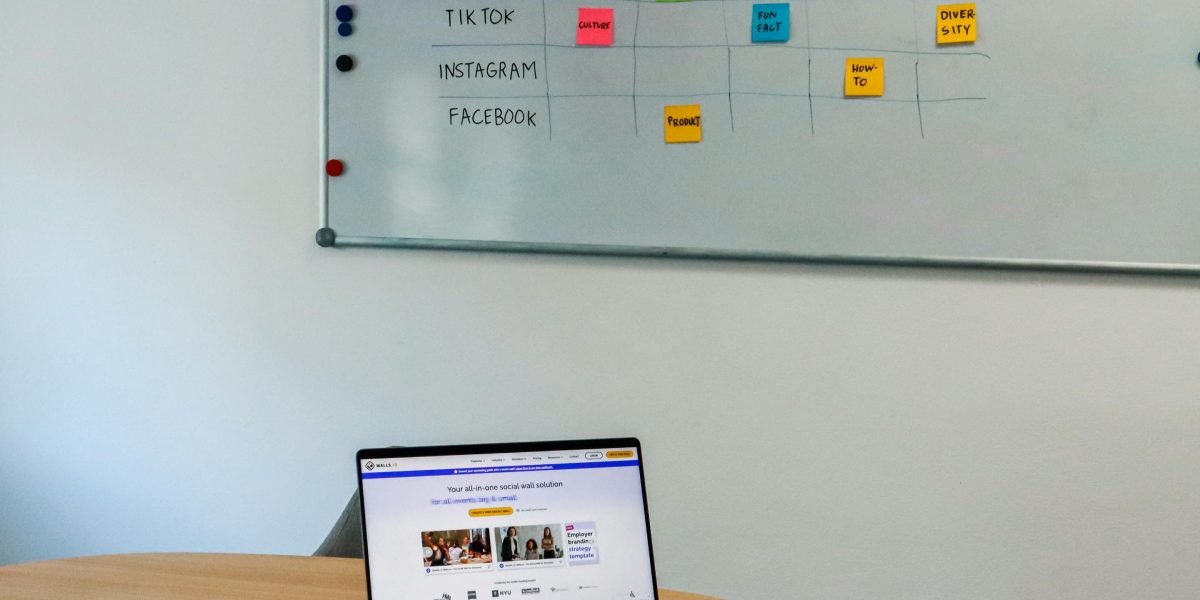
In 2026, the landscape is full of options, but not every channel works for every stage. Understanding what is lifecycle marketing helps you match each channel to the right moment in your customer’s journey. Here are the top channels you need to know.
Social Media: Your Awareness and Engagement Engine
Social media still dominates the top of the funnel. Platforms like TikTok, Instagram, and LinkedIn let you reach huge audiences with video, images, and text. TikTok is perfect for grabbing attention fast. Instagram works well for building brand image. LinkedIn is where you reach professionals in B2B spaces.
But social media is not just for awareness. With smart targeting, you can move people into the mid funnel too. For example, Meta ads now offer tighter audience controls based on behavior and interests. This makes it easier to show relevant content to people who already know your brand. A strong social strategy should be part of any marketing strategy template you build.
Search Ads: Catching People With Intent
When someone types a question into Google or Bing, they are already looking for something. Search ads capture that intent. These work best in the mid and bottom funnel stages. You can bid on keywords related to your solution and show up right when a potential customer is ready to learn more or buy.
If you want to understand the different ad formats Google offers, check out this guide on the types of Google Ads campaigns. Each format serves a different purpose in the lifecycle.
Programmatic Display and Connected TV: Precision at Scale
Programmatic advertising uses automated bidding to show display ads and video ads across thousands of websites and apps. In 2026, programmatic advertising in 2026 is growing fast, especially with Connected TV (CTV). CTV lets you run video ads on streaming platforms like Hulu and Roku. It combines the reach of TV with the targeting of digital.
Display ads are great for retargeting. When someone visits your site and leaves, a programmatic ad can follow them with a reminder. You can use different programmatic targeting options like audience targeting, contextual targeting, and behavioral targeting to reach the right people. These tools also help you build an omnichannel strategy by connecting your display ads with your social and search efforts.
Emerging Channels: Retail Media Networks and Influencer Partnerships
Two channels are rising fast in 2026. Retail media networks let you advertise on ecommerce platforms like Amazon, Walmart, and Instacart. These ads reach shoppers who are already in buying mode. They work well at the bottom of the funnel.
Influencer partnerships give you authentic reach. Instead of running your own ad, you pay a creator to talk about your product. This works at the top and mid funnel because it builds trust. When choosing influencers, look for those whose audience matches your target customer.
To see how brands are using influencer content to drive engagement, read this case study on Sydney Sweeney advertising drove 47% higher engagement for American Eagle.
Match the Channel to the Stage
The key to success is not using every channel. It is using the right channel at the right time. For awareness, focus on social media and CTV. For mid funnel, use search and retargeting display ads. For bottom funnel and retention, lean into retail media networks and loyal audience campaigns.
When you align your channel selection with the lifecycle, your advertising definition becomes clearer. It is not about shouting the loudest. It is about being in the right place when your customer needs you. If you want to dive deeper into how retail media networks are reshaping advertising, this article on navigating the 2026 media network terrain is a great next read.
Metrics That Matter: Measuring Advertising Across the Lifecycle
Picking the right channel is only half the battle. You also need to know if your ads are actually working. And here’s the thing: the same metric does not work for every stage. A top-funnel ad is not judged the same way as a bottom-funnel one. So what should you track?
Top Funnel: Focus on Reach and Awareness
At the top, your goal is to get in front of new eyes. You want people to know your brand exists. The key metrics here are impressions, reach, and cost per thousand (CPM). Impressions tell you how many times your ad was shown. Reach shows how many unique people saw it. CPM helps you understand how much you pay for every thousand impressions. These numbers tell you if your awareness efforts are efficient. If your CPM is high but reach is low, it is time to change your targeting or creative.
Mid Funnel: Watch Engagement and Interest
When someone has already seen your brand, you want them to take a small step. Maybe click an ad, visit a landing page, or fill out a form. At this stage, focus on click through rate (CTR), cost per click (CPC), and lead generation cost. CTR shows how compelling your ad is. CPC tells you how much each visit costs. If you are running a Google ad campaign, understanding these metrics helps you decide if your keywords and ad copy are working. You can learn more about different Google ad formats and how they affect performance by reading about the types of Google Ads campaigns.
Lead generation cost is especially important if your goal is to collect emails or demo requests. A lower cost per lead means your mid funnel is healthy.
Bottom Funnel and Lifetime: Measure Revenue and Retention
Now you need numbers that tie directly to business results. The big three are return on ad spend (ROAS), customer acquisition cost (CAC), and customer lifetime value (CLV). ROAS tells you how much revenue you earn for every dollar you spend on ads. CAC shows how much it costs to gain one paying customer. CLV estimates the total revenue you can expect from a customer over time.
According to lifecycle marketing experts, you should "measure success with metrics that reflect business impact, like customer lifetime value and retention rates" [source: monday.com blog on lifecycle marketing]
(https://monday.com/blog/monday-campaigns/lifecycle-marketing/). Small improvements in keeping customers can have a huge effect on your bottom line.
When you align your metrics with the right stage of the customer journey, your advertising definition becomes much clearer. You are not just running ads. You are building a system that works from first impression to repeat purchase. If you want to see how brands use targeted advertising to drive engagement, check out this case study on how Sydney Sweeney advertising drove 47% higher engagement for American Eagle. It is a great example of mid funnel success in action.
Track these metrics stage by stage. That is the best way to know if your lifecycle marketing efforts are paying off.
The Role of AI in Modern Advertising and Lifecycle Strategies
So we know what metrics to track at each stage. But how do you actually manage all those channels and campaigns without losing your mind? That is where AI comes in. In 2026, artificial intelligence is not a futuristic add on. It is the engine that makes lifecycle marketing work at scale.
AI powers programmatic bidding, which automatically buys ad space in real time. It also handles audience segmentation. Instead of guessing who might be interested, AI analyzes behavior, context, and intent to serve the right ad to the right person at the right moment. According to a Zeta Global report, personalization in 2026 is cross channel and driven by AI that calibrates to identity, context, and intent in real time. That means your top of funnel ad can reach a new user while your mid funnel ad retargets someone who already clicked.
Predictive analytics is another game changer. AI can look at past data and forecast which channels and bids will perform best at each lifecycle stage. This helps you optimize your advertising spend without wasting budget. A study from StackAdapt explains how AI in advertising improves targeting, personalizes content, and optimizes campaigns with precision. You can adjust your budget mid campaign based on what the model predicts, not just what happened last week.
Then there is generative AI. Tools like ChatGPT and Jasper can write ad copy, create images, and even produce video scripts in seconds. This speeds up creative production a lot. But it also raises new questions. How do you keep your brand voice authentic? What about regulations around AI generated content? The Jasper AI report notes that the experiment phase is over and the operational era has begun, meaning marketers need clear guidelines for using AI responsibly.
If you want to see how AI fits into a real world campaign, check out how Sydney Sweeney advertising drove 47% higher engagement for American Eagle. That example shows what happens when smart targeting meets creative personalization.
As you build your marketing strategy template, remember that AI is not replacing you. It is helping you do the work faster and smarter.

And when you pair AI with a strong omnichannel strategy, you create a system that learns and improves over time. That is the real power of modern advertising.
Common Pitfalls in Advertising and Lifecycle Marketing
Even with the best tools and a solid marketing strategy template, things can still go off track. In 2026, many brands keep falling into the same traps. Let me walk you through the three most common mistakes so you can avoid them.
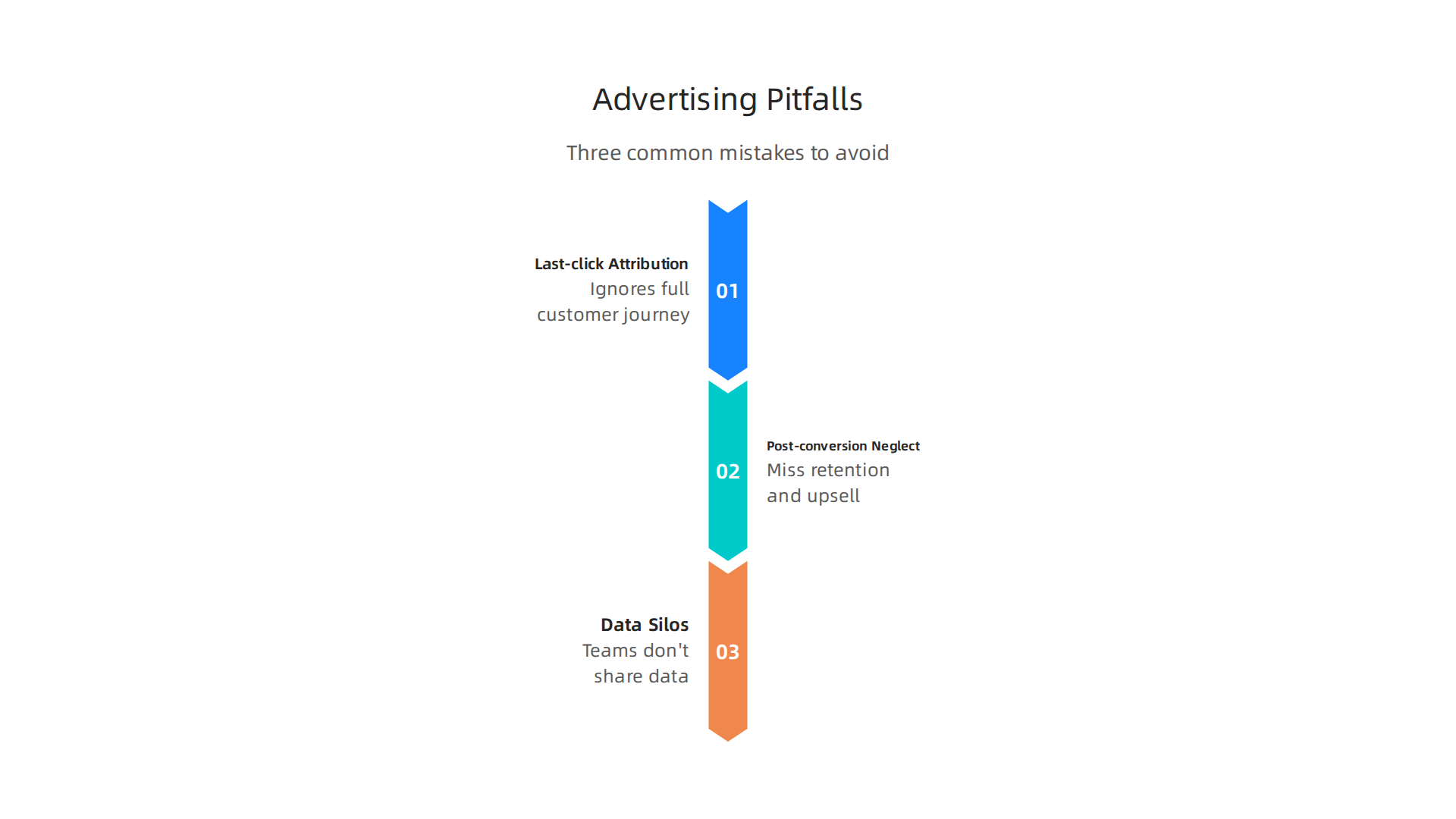
Pitfall one: over-reliance on last-click attribution.
This model gives all the credit to the final touchpoint before a purchase. But what about the ad that first introduced someone to your brand? Or the email that kept them warm? When you only optimize for the last click, you misallocate budget across lifecycle stages. According to Braze, lifecycle marketing means engaging customers based on where they are in their relationship with your brand. Last-click attribution ignores that entire journey. You end up starving your top-of-funnel ads and overfeeding your bottom-of-funnel ones. Instead, use multi-touch attribution models to see the full picture.
Pitfall two: ignoring post-conversion advertising.
Many brands stop advertising once someone makes a purchase. They assume the job is done. But that is exactly when retention and upsell opportunities begin. A report from monday.com explains that measuring success with metrics like customer lifetime value and retention rates matters more than just counting conversions. Small improvements in keeping customers directly impact your bottom line. If your advertising definition only covers acquisition, you will miss the chance to turn one-time buyers into loyal fans who buy again and again.
Pitfall three: data silos between advertising and CRM teams.
The advertising team tracks clicks and impressions. The CRM team tracks email opens and support tickets. These teams rarely share data. When they do not align, your omnichannel strategy falls apart. A report from Mavlers highlights that solving data integration challenges is essential for unified lifecycle marketing in 2026. Without shared data, you cannot deliver a consistent message across channels. The left hand does not know what the right hand is doing.
These pitfalls are common, but they are also avoidable. Start by rethinking your attribution model. Keep advertising active after conversion. And break down those data silos between teams. If you want to understand how different ad formats can support each stage of the lifecycle, read our guide on types of Google Ads campaigns. It will help you match the right format to the right goal.
When you avoid these mistakes, your lifecycle marketing becomes much stronger. And that means better results at every stage.
Summary
This article redefines advertising for 2026, framing it as paid, targeted, personalized messaging delivered across channels and optimized in real time. It breaks campaigns into four core pillars—audience, message, media, and measurement—and explains how each supports effective ads. The piece then shifts to lifecycle marketing, describing the five stages from awareness to advocacy and showing how ad formats and channels should change as customers progress. Practical channel guidance covers social, search, programmatic/CTV, retail media and influencers, while the metrics section maps KPIs to funnel stages (reach and CPM early, CTR/CPC mid-funnel, ROAS/CAC/CLV at the bottom). The article also examines AI’s role in targeting, bidding, creative and predictive analytics, and warns about common mistakes like last-click attribution, ignoring post-purchase advertising, and data silos. After reading, you’ll know how to align advertising with the full customer journey and measure ads for sustained growth.