Adweek Social Media Week 2026 Key Takeaways for Media and Marketing Professionals
Introduction
Social media in 2026 feels like a completely different world. Every day brings new AI tools, shifting platform algorithms, and a never-ending flood of content. For media and marketing professionals, staying ahead of these changes can feel overwhelming. Where do you even start?
The answer came together in New York from April 14 to 16, 2026, at the Metropolitan Pavilion. That is where Adweek Social Media Week brought together the brightest minds in media, marketing, and the creator economy.

Speakers like Malik Ducard from Pinterest, Whitney Magnuson from Zoom, and Rob Gaige from Reddit shared honest, real-world insights about what actually works right now. According to the event coverage, Social Media Week is Back in Force as the industry’s most honest conversation about marketing.
The 2026 edition zeroed in on four major forces reshaping everything: AI integration across platforms, rapid platform evolution, the exploding creator economy, and privacy-first measurement that respects user data.
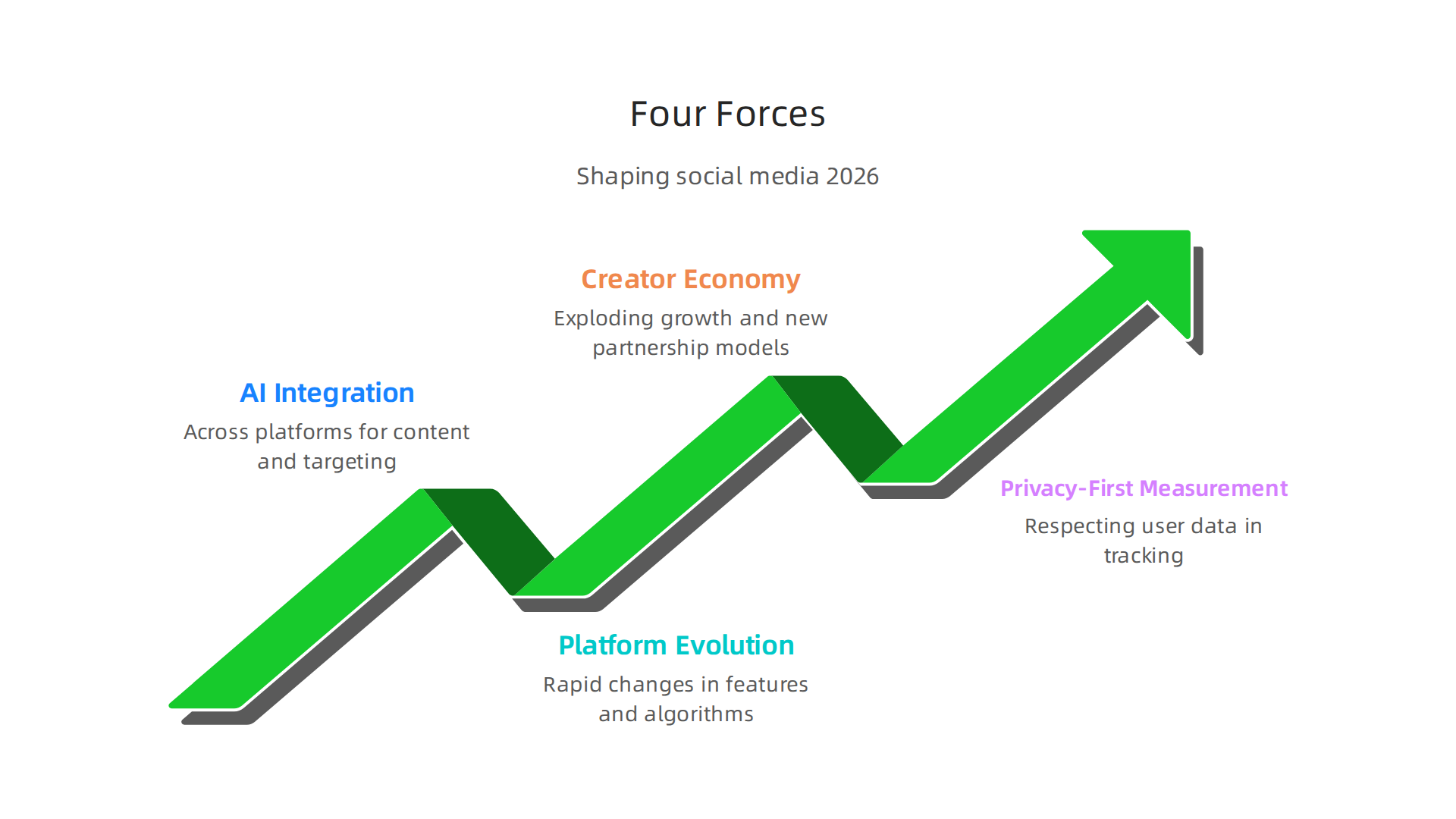
These topics are not just trends. They are the new reality that every brand and media company must navigate to survive.
This article distills the essential takeaways, data points, and expert perspectives from the event. Whether you run a media company, lead a marketing team, or create content yourself, you will find actionable insights to stay ahead. We are also sharing a free resource to help you keep learning: The AI Newsletter Worth Reading delivers clear daily updates on AI and technology so you never miss what matters.
Let us dive into the biggest lessons from Adweek Social Media Week 2026.
Event Highlights: The Sessions That Sparked Conversation
The buzz inside the Metropolitan Pavilion was real. Certain rooms filled up so fast that people lined the walls. Three types of sessions stood out above the rest, and they tell you exactly where the industry is headed right now.
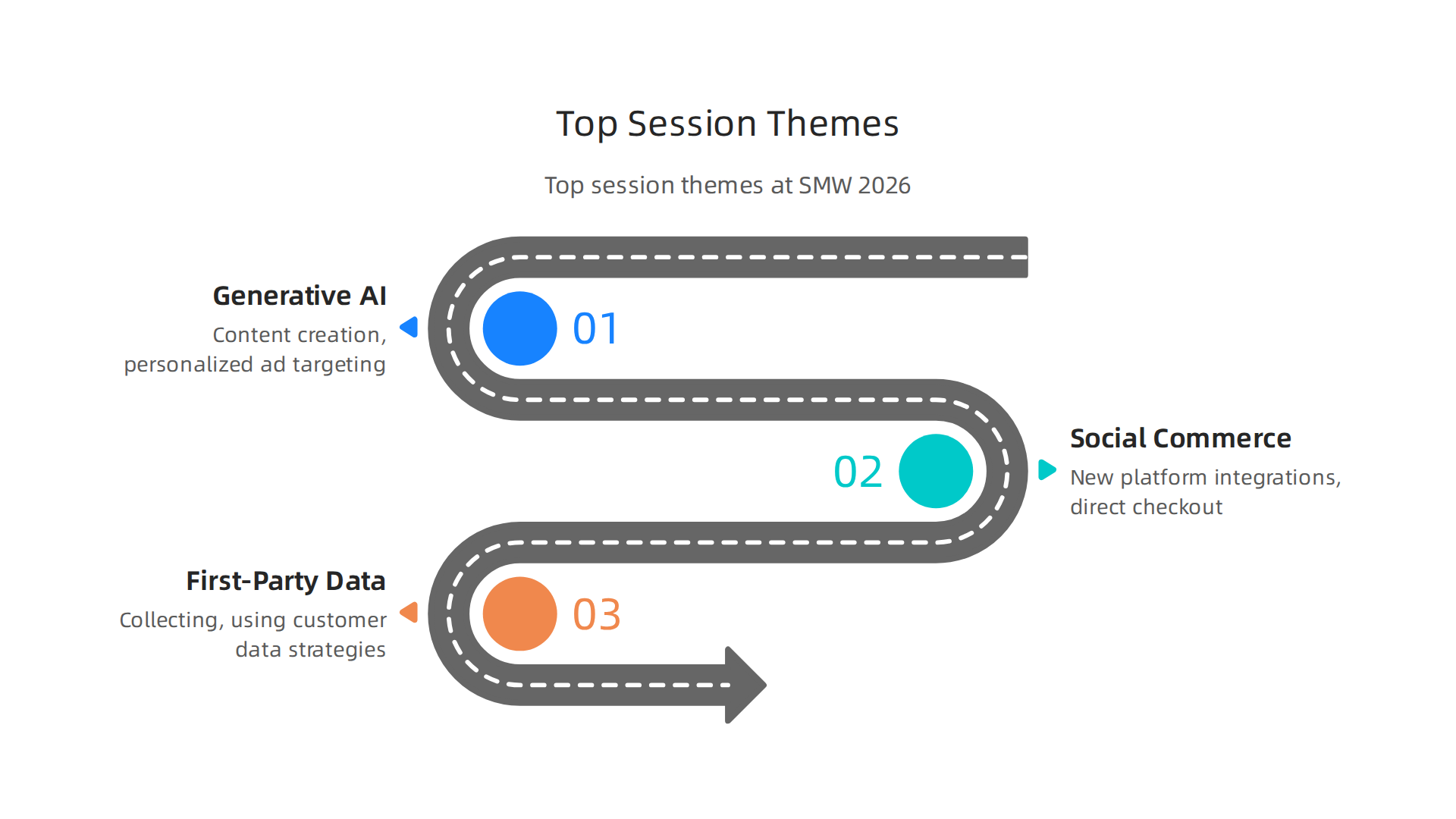
Generative AI stole the show. Sessions focused on using AI for content creation and personalized ad targeting drew the biggest crowds. Attendees wanted practical answers: How do you use AI without losing your brand voice? How do you target people without creeping them out? Speakers showed real examples of brands using AI to write ad copy, generate video scripts, and even build custom audience segments in minutes. These were not theory sessions. People left with workflows they could test the next day. If you missed the event, you can still browse the full seminar lineup and speaker list to see what was covered.
Social commerce took a big step forward. One keynote session revealed a new integration that connects social platforms directly with checkout. The room leaned in as the speaker explained how brands can now let users buy products without ever leaving the app. This is a game changer for anyone running ads or affiliate programs. If you want to understand how these platform shifts affect your bottom line, check out our breakdown of top affiliate marketing platforms in 2026 compared for media companies and creators.
First-party data workshops were packed. With third-party cookies fading fast, every brand needs a plan to collect and use their own customer data. These sessions were standing-room only. Experts walked through strategies for building email lists, creating loyalty programs, and using website behavior to serve better ads. The message was clear: if you don’t own your data, you don’t own your future.
These three themes tell you what matters in 2026. The industry is moving fast, and the professionals who adapt will be the ones who thrive.
The AI Revolution in Social Media Marketing: Tools, Risks, and Wins
The expo floor buzzed with more than just conversation. Everywhere you looked, vendors were showing off new generative AI tools that promised to change how marketers work. And they delivered on that promise.
New tools for content creation stole the spotlight. One demo showed a tool that writes ad copy and video scripts from a single prompt. Another let you create full campaigns in minutes instead of days. A third used AI to match brands with the right influencers automatically. These tools are not futuristic. They are live and ready to use right now. If you want a deeper look at which platforms handle this work best, check out our guide on the best social media management tools in 2026 for smarter workflows.
But not everything was hype. Several panels tackled the harder side of AI. The biggest worry? Brand safety and authenticity. When AI generates content, who is responsible if something goes wrong? How do you keep your brand voice real when a machine is writing your posts? These questions came up again and again. One speaker emphasized that AI should speed you up, not replace your judgment. The evolving role of AI in social media marketing is becoming clear: it is a tool, not a crutch.
Early adopters shared real numbers. Marketers who already use AI in their daily work reported a 30% drop in content production time. The best part? Engagement stayed the same. That means faster work without losing quality. According to one panel, the smartest teams now use AI to handle repetitive tasks like writing captions and scheduling posts. That frees humans up to focus on strategy and creativity.
The message from the event was clear. AI in 2026 is not optional. It is how you stay competitive. But you have to use it wisely. The brands that blend AI speed with human authenticity will be the ones that win.
If you want to stay ahead of this fast-changing field without getting overwhelmed, try The AI Newsletter Worth Reading. It delivers clear daily updates on what matters most in AI and media.
Platform Updates: What Meta, TikTok, LinkedIn, and Emerging Networks Announced
One of the most valuable parts of any industry event is hearing directly from the platforms themselves. At adweek social media week this year, the major networks brought real product news.

Here is what changed and why it matters for your marketing technology stack.
Meta doubled down on AI-powered ad targeting. The company unveiled expanded tools that let advertisers predict audience behavior before launching a campaign. The algorithm now analyzes micro-signals like scroll speed and pause time to serve the right ad at the right moment. Meta also announced a new short-video monetization program that pays creators directly for high-performing Reels. This shift matters because it rewards quality content over simple volume. If you are building your marketing technology stack, these updates mean your ad dollars can stretch further.
TikTok surprised the room with two big announcements. First, the platform introduced a longer-form content option. Videos can now run up to 10 minutes, moving TikTok closer to YouTube’s territory for educational and storytelling content. Second, TikTok improved its shopping integration for creators. Now you can tag products directly in longer videos and link out to checkout without leaving the app. These changes make TikTok a stronger channel for brands that want to blend entertainment with direct sales.
LinkedIn focused on B2B marketers. The professional network debuted AI-driven content recommendations that surface industry-specific posts based on your company’s niche and recent activity. This is a smart move. B2B marketers at the event said they spend too much time hunting for relevant conversations. Now LinkedIn does the hunting for you. For a deeper look at how this fits into a full marketing mix strategy, our guide on the marketing mix strategy in 2026 breaks down the 4 Ps in this new AI landscape.
Emerging networks also made noise. Several newer platforms focused on niche communities and AI-native experiences gained real traction. One panel highlighted a platform built entirely around AI-generated content, which sparked a heated debate about authenticity. The takeaway? The platforms discussed at adweek social media week are evolving fast. Keeping up requires staying curious about where audiences are moving next.
The Creator Economy Takes Center Stage: Data, Deals, and Diversity
The creator economy was one of the hottest topics at adweek social media week this year. And the numbers explain why. The global market is projected to reach $323.48 billion in 2026, according to Creator Economy Statistics 2026. Brands are pouring more money into creator partnerships than ever before. And the sessions at the event showed that this growth is changing how companies think about influence.
One big takeaway was the move away from one-off influencer campaigns. Brands now want long-term, equity-based partnerships.

Instead of paying a creator for a single post, companies are signing multi-year deals. They are giving creators a stake in the product or brand itself. This shift makes sense. It builds trust and loyalty on both sides. A Forbes article on the creator economy convergence explains how this trend is unifying social, brand, and talent strategies.
Diversity and inclusion also took center stage. Several brands shared specific inclusion benchmarks during the event. They talked about building creator rosters that reflect real audiences. That means working with creators from different backgrounds, regions, and experience levels. The goal is to make partnerships more authentic and more representative.
AI is reshaping this space too. Many creators now use AI tools to plan content and analyze what works. That speeds up the whole creative process. For marketers, this means your tech stack needs to keep up. If you are working with creators, understanding the best tools for tracking and managing partnerships is key. Our guide on top affiliate marketing platforms in 2026 compares options that help teams manage creator deals and revenue sharing.
To stay on top of the AI tools shaping this space, consider subscribing to The Deep View Newsletter. It delivers clear, daily AI updates that help you make smarter decisions with your marketing technology.
The creator economy is not a side trend. It is a core part of how advertising works now. And adweek social media week made that loud and clear.
Monetization Strategies: From Subscriptions to Social Commerce
That shift in how brands and creators work together leads to a big question. How do creators and publishers actually make money in 2026? At adweek social media week, sessions on monetization offered clear answers. The old model of relying on just one income stream is fading fast. The winners are building multiple revenue channels at once.
Subscriptions and Memberships
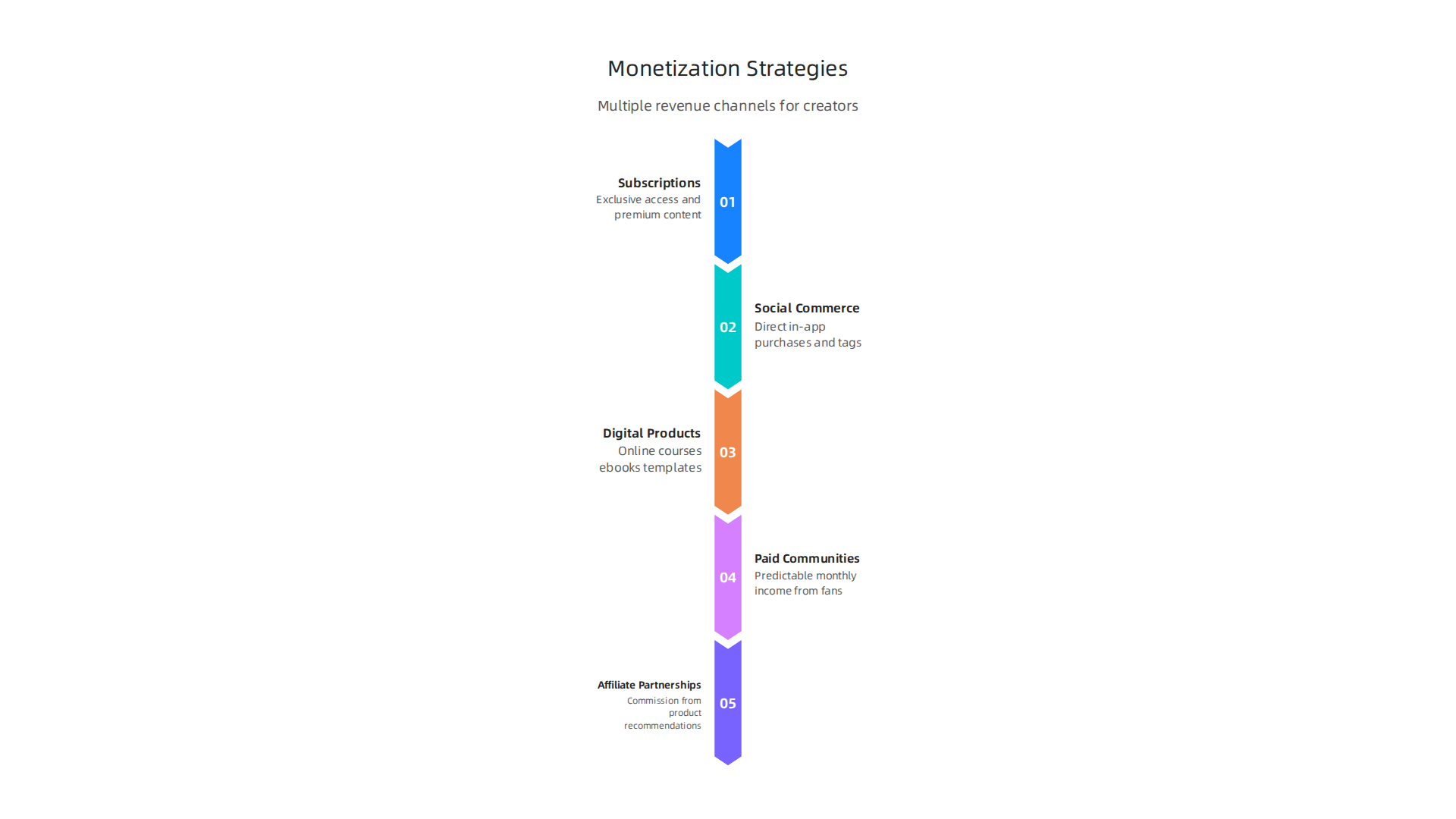
Subscriptions are having a real moment. Survey data shows that 88% of community builders now monetize with memberships, according to the latest Creator Economy Statistics for 2026. That stat is hard to ignore. Fans are willing to pay for exclusive access, behind-the-scenes content, and direct interaction with creators. Paid newsletters, private Slack groups, and premium content tiers are becoming standard tools for both individual creators and media publishers. The recurring revenue from subscriptions provides stability that one-off ad deals cannot match.
Social Commerce Keeps Growing
Social commerce was another major theme at the event. TikTok Shop and Instagram Checkout are not new, but their growth in 2026 is remarkable. TikTok Shop sales alone are expected to exceed $20 billion this year, according to the Creator Economy Market Size analysis. Brands shared case studies showing how they integrate shopping directly into organic content. The trick is making the buying experience feel natural to the platform, not like a commercial interruption. When done right, viewers move from watching to purchasing without leaving the app.
Balancing Ad Revenue with Diversified Models
Advertising still makes up the biggest slice of income for most creators and publishers. But experts at the event stressed that relying entirely on ads is a risky bet. Digital products like online courses, ebooks, and templates offer high profit margins. Paid communities provide predictable monthly income. And affiliate partnerships continue to grow as a revenue channel.
For media teams exploring how to expand their monetization options, understanding the landscape of partnership tools matters. Check out our guide to the best affiliate marketing programs for media companies in 2026 to see what fits your business model.
The message from adweek social media week was clear. Diversification is not optional anymore. It is the foundation of a sustainable business.
Data, Privacy, and Measurement: Navigating the New Rules of Engagement
Now for the part that every marketer at adweek social media week was talking about behind the scenes. Data, privacy, and measurement have changed completely in 2026, and the old ways of tracking campaign performance just do not work anymore.

First-Party Data Is No Longer Optional
Third-party cookies are fully gone now. If your team has not built a solid first-party data strategy, you are flying blind. The speakers at the event made this crystal clear. Collecting data directly from your audience through newsletter signups, account creation, and content preferences is now table stakes. Without it, you cannot target effectively or measure results with any confidence.
The good news is that readers and viewers are often willing to share their information when the value exchange is clear. Exclusive content, personalized recommendations, and ad-free experiences give people a real reason to opt in.
The 2026 Privacy Landscape
New regulations are reshaping how everyone handles data. In 2026, twenty states now have comprehensive privacy laws in effect, according to a detailed breakdown of the 20 State Privacy Laws in Effect in 2026. Indiana, Kentucky, and Rhode Island all launched new laws at the start of the year. States like Connecticut and California have tightened protections for minors and expanded the definition of sensitive data to include things like neural data. For any team creating content or running ads, understanding these rules is critical to staying compliant.
New Measurement Solutions
With Apple’s ATT updates already mature and these new state laws piling on, the old attribution models are broken. But vendors at adweek social media week showed real solutions. Privacy-preserving attribution tools like clean rooms and aggregation APIs are now mainstream. These allow brands and publishers to measure campaign performance without exposing individual user data. It is a smarter way to work, and it actually builds more trust with your audience.
For media teams looking to understand the full range of tools available for navigating this new landscape, our guide to the top digital marketing platforms in 2026 breaks down the options worth your time.
Staying on top of these rapid changes in data rules and measurement tech is not easy. That is exactly why getting clear, daily updates on the technology driving this shift can make a real difference in your strategy.
Future Outlook: What Media Leaders Need to Prepare For
Looking ahead to 2027, the conversations at adweek social media week painted a clear picture of what is coming next. The pace of change is not slowing down, and media leaders need to get ready for three big shifts.
AI Content Will Flood Social Platforms
Experts predict that by 2027, AI generated content will account for up to 30% of all social media posts. That is a huge shift. It means the feed will be filled with synthetic images, automated videos, and chatbot written captions. For brands and publishers, this creates a new challenge: how do you verify what is real? The demand for content verification tools is going to explode. Teams that invest in AI detection and authenticity markers now will have a big advantage. If your social media workflows are not ready for this flood, it is time to look at better tools. Our guide to the best social media management tools in 2026 can help you streamline operations before the wave hits.
Platforms Become Everything Stores
The lines between social platforms, commerce, and entertainment are blurring fast. Instagram is a storefront. TikTok is a search engine. Twitch is a concert venue. In 2027, this will be even more true. Media leaders need integrated strategies that treat each platform as a full funnel experience, not just a place to post links. The old silos between marketing, sales, and content teams are becoming useless. You need a unified approach that connects discovery, engagement, and purchase in one seamless flow.
Talent and Skills Are the Real Advantage
The third big takeaway from adweek social media week was about people. Every leader talked about the struggle to find talent who understand both AI and data analytics. As privacy regulations tighten and measurement gets more complex, teams need people who can navigate these new rules. Upskilling your current team is critical. Investing in training around data privacy, AI tools, and campaign analytics is not optional anymore. The 2026 privacy landscape already demands more expertise, and the next wave of state laws will only raise the bar. Staying informed on how these changes affect your daily work is just as important as the technology itself. Getting clear, daily updates on the technology driving this shift can make a real difference in your strategy. That is why many media professionals turn to The AI Newsletter Worth Reading for straightforward insights on AI and data trends that matter to their teams.
Community Building and Engagement: Lessons from the Event Floor
Beyond the big platform changes and talent challenges, another theme echoed across every session at adweek social media week: community driven marketing is no longer a nice to have. It is the core strategy that separates winning brands from the rest.
Speakers from several established media and lifestyle brands shared their membership community ROI numbers. The results were clear. Brands that invest in exclusive, owned communities see higher retention, more word of mouth referrals, and steadier revenue than those that chase viral moments on algorithmic feeds.
The shift is happening fast. Consumers now trust recommendations from creators and peers far more than traditional ads. According to a 2026 report, up to 92% of consumers trust word of mouth and user generated content over other forms of brand advertising. That statistic makes the case for putting community at the center of your marketing technology stack.
Niche platforms like Discord, Circle, and even dedicated Substack publications are becoming the new digital living rooms. Brands are using them to build direct relationships with their most loyal audiences, free from algorithm changes. Instead of spending all their energy on broadcast style posts, forward thinking media companies are hosting live audio rooms, running co creation campaigns, and asking their communities to help shape products and content.
Interactive formats are the high engagement tactics that work in 2026. Live audio rooms let your audience hear your voice and ask questions in real time. Co creation campaigns invite fans to submit ideas, vote on features, or even produce user generated content that you can share. These approaches turn passive followers into active participants.
For media leaders looking to build deeper audience connections, creating shared experiences is a powerful next step. Our guide to experiential marketing in 2026 shows how in person and virtual events can drive 85% higher purchase intent when combined with a community first mindset.
The takeaway from the event floor is simple. You do not need 100,000 followers anymore. You need 100 people who genuinely care about what you create. Focus on building that loyal core, and the rest will follow.
Summary
Adweek Social Media Week 2026 gathered marketing leaders, platform reps, and creators to map out how AI, platform evolution, the creator economy, and privacy reforms are reshaping social media. The article distills the event’s biggest sessions—practical AI tools and workflows, new social commerce and creator monetization models, platform product updates from Meta, TikTok and LinkedIn, and hands‑on first‑party data strategies for a cookie‑less world. You’ll read real adoption metrics (like faster content production with AI), examples of long‑term creator deals, and the measurement tools that work under new privacy rules. The piece explains why diversification of revenue and community‑first tactics are now essential, and it lays out what media teams must do next: adopt AI wisely, own customer data, and invest in upskilling. After reading, you’ll know which changes to prioritize and which resources and tools to explore to keep your marketing competitive through 2026 and beyond.