Creative Advertising Jobs in 2026 Skills AI and Career Paths for Success
Why creative advertising jobs are changing and what that means for your career
The world of advertising is always moving. But right now, in 2026, things are changing faster than ever before. If you work in creative advertising, or if you dream of having one of these jobs, you might feel like you need a map to keep up. New tools and ideas are shaking up old ways of doing things. This means that creative advertising jobs are shifting too.

You might be asking, "What does this mean for me?" Well, many creative and marketing leaders are seeing big changes in what skills they need their teams to have. For example, knowing about digital marketing is super important now. According to one report, most marketing and creative leaders are willing to pay more for people with special skills in areas like digital work 2026 Marketing and Creative Salary Trends: The Skills and Roles ….
This shows us that the jobs are still there, but the skills needed for them are different.
Things like Artificial Intelligence (AI) are also making a big splash. AI helps create new kinds of ads and personalizes messages for people. This means that if you’re looking for creative advertising jobs, you’ll need to understand how these new technologies work. For those leading teams, it means looking for talent with strong digital marketing skills and fresh ideas.
Jobs like digital designers and experts in how ads perform are really in demand this year Top Creative & Marketing Jobs in Demand 2026.
This whole article is here to help you understand these big changes. We will give you simple, clear advice. If you’re hiring for your team, we will talk about what kinds of people you should look for. If you want to learn new things to get a better job, we will show you what new skills are important. And if you are looking for creative advertising jobs right now, we will help you see where the best chances are.
Stay informed about the rapid changes in media and technology, especially AI. Get clear daily AI updates from The AI Newsletter Worth Reading.
The changes we just talked about are truly shaping what a "creative advertising job" looks like in 2026. It’s like the map is being redrawn, and new paths are opening up while some older ones are becoming less traveled.
Roles That Are Growing and Changing
Many creative advertising jobs are seeing a lot of growth, especially those focused on the digital world. Think about jobs like:
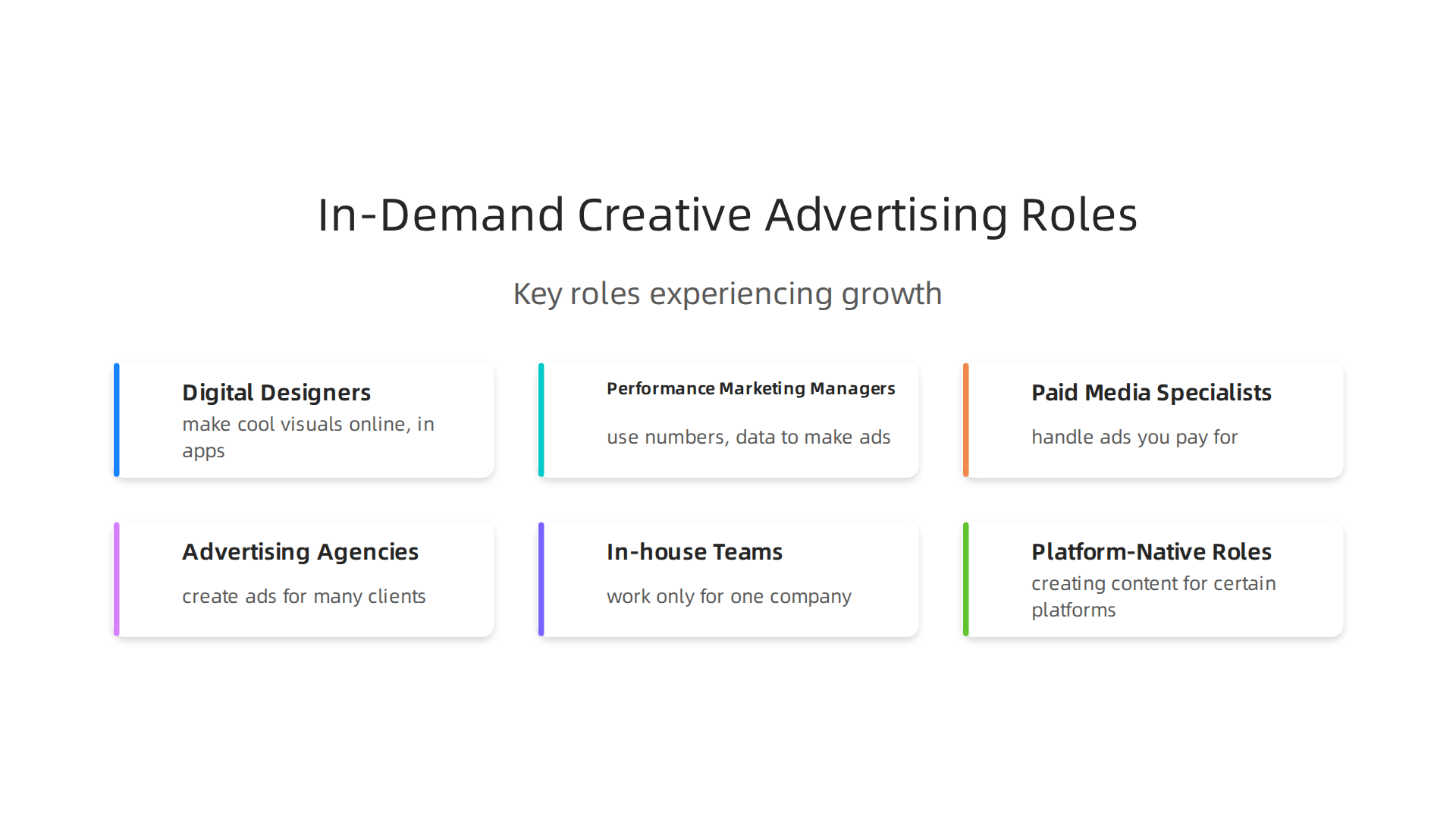
- Digital Designers: These folks make all the cool visuals you see online, in apps, and on social media. Their skills are in high demand as more ads live on screens.
- Performance Marketing Managers: These people focus on how well ads are doing. They use numbers and data to make sure ads bring in customers and meet goals. This is a very important role now.
- Paid Media Specialists: They handle ads you pay for, like those on Google or social media. They know how to get the most bang for your buck.
These types of roles are vital because companies want to be sure their advertising money is well spent and brings clear results. Many marketing leaders are actually hiring more people for these kinds of roles in 2026, even if they are careful about hiring overall, according to the 2026 Marketing job market: In-demand roles and hiring trends. Overall, the number of jobs for Advertising, Promotions, and Marketing Managers is expected to grow, which is faster than most other jobs.
Actually, the skills employers want most in 2026 include things like data analysis, how to use AI, and understanding automation, as highlighted in The essential marketing skills and strategies you need in 2026. If you’re looking to boost your chances in creative advertising jobs, learning these digital marketing skills is a smart move. For example, understanding Types of Google Ads Nine Campaign Formats can really set you apart.
Different Places for Creative Advertising Jobs
Creative advertising jobs aren’t just found in one kind of place anymore. In 2026, you’ll see them in a few main settings:
- Advertising Agencies: These are companies that create ads for many different clients. They often have lots of creative people, like copywriters, art directors, and designers, all working on different projects. Agencies often offer a wide variety of work and a fast-paced environment.
- In-house Teams: Many larger companies now have their own creative teams. These teams work only for that one company. For instance, a big shoe brand might have its own creative people to make all their ads. This often means you get to know one brand really well and work on a deeper level with its goals.
- Platform-Native Roles: These jobs are newer. They involve creating content and ads specifically for certain platforms, like TikTok, Instagram, or YouTube. Think of someone who specializes in making engaging short videos for social media. They need to know the specific rules and styles of each platform inside and out. This area is growing fast because so much advertising now happens directly on these social apps.
Knowing the differences helps you pick the right path for your career goals. Whether you want to be a marketing consultant helping many businesses or an expert in one brand, there’s a place for your creative talents.
To do well in creative advertising jobs, it’s not just about where you work or what specific role you have. It’s also very much about the skills you bring to the table. In 2026, certain skills are more important than ever for anyone wanting to shine in this exciting field.
Hard Skills: Tools, Platforms, and AI Literacy
Hard skills are the technical abilities you learn and use. These are super important for creative advertising jobs today, especially as more work moves online.
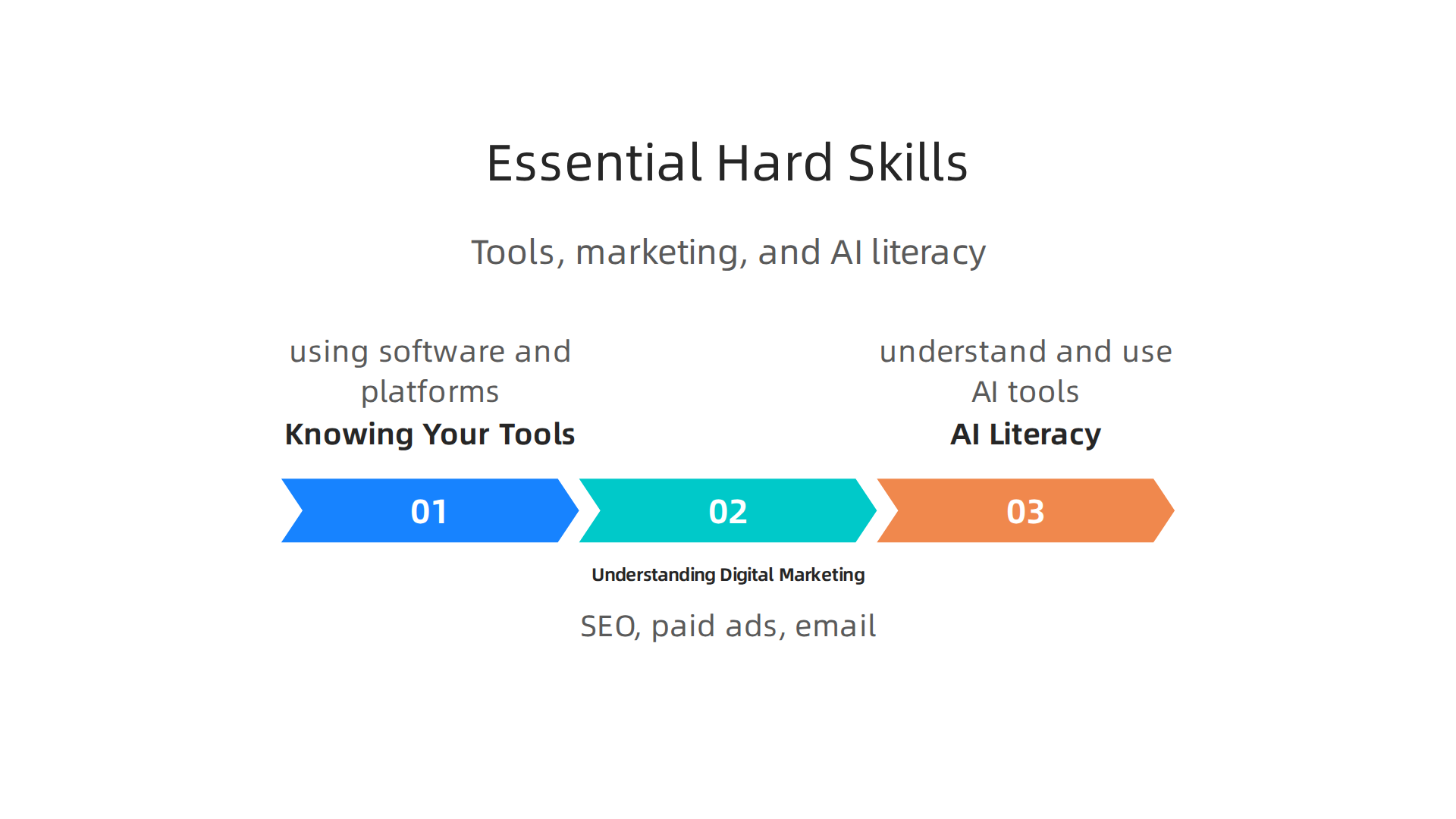
- Knowing Your Tools: You need to be good at using the software and platforms where ads are made and shared. This includes design programs, video editing tools, and social media platforms.
- Understanding Digital Marketing: Strong digital marketing skills employers are looking for in 2026 are a must. This means knowing about things like how to make websites show up higher in search results (SEO), how to run paid ads, and how to use email to talk to customers. Actually, knowing about different Digital Marketing Platforms in 2026 is a big plus.
- AI Literacy: This is a huge one in 2026. Being "AI literate" means you understand how Artificial Intelligence works and how to use AI tools in your creative process. AI can help you come up with ideas, write ad copies, and even make visuals faster. It’s not about replacing humans, but about making humans better and more efficient. Many employers are looking for people who can use AI to make creative advertising jobs easier and more effective, according to a report on Top Marketing Skills Employers Value in 2026.
If you want to keep up with the latest in AI and how it’s changing the media world, you should definitely check out The AI Newsletter Worth Reading.
Soft Skills: Storytelling and Communication
While hard skills get you in the door, soft skills help you thrive. These are personal qualities that help you work well with others and solve problems.
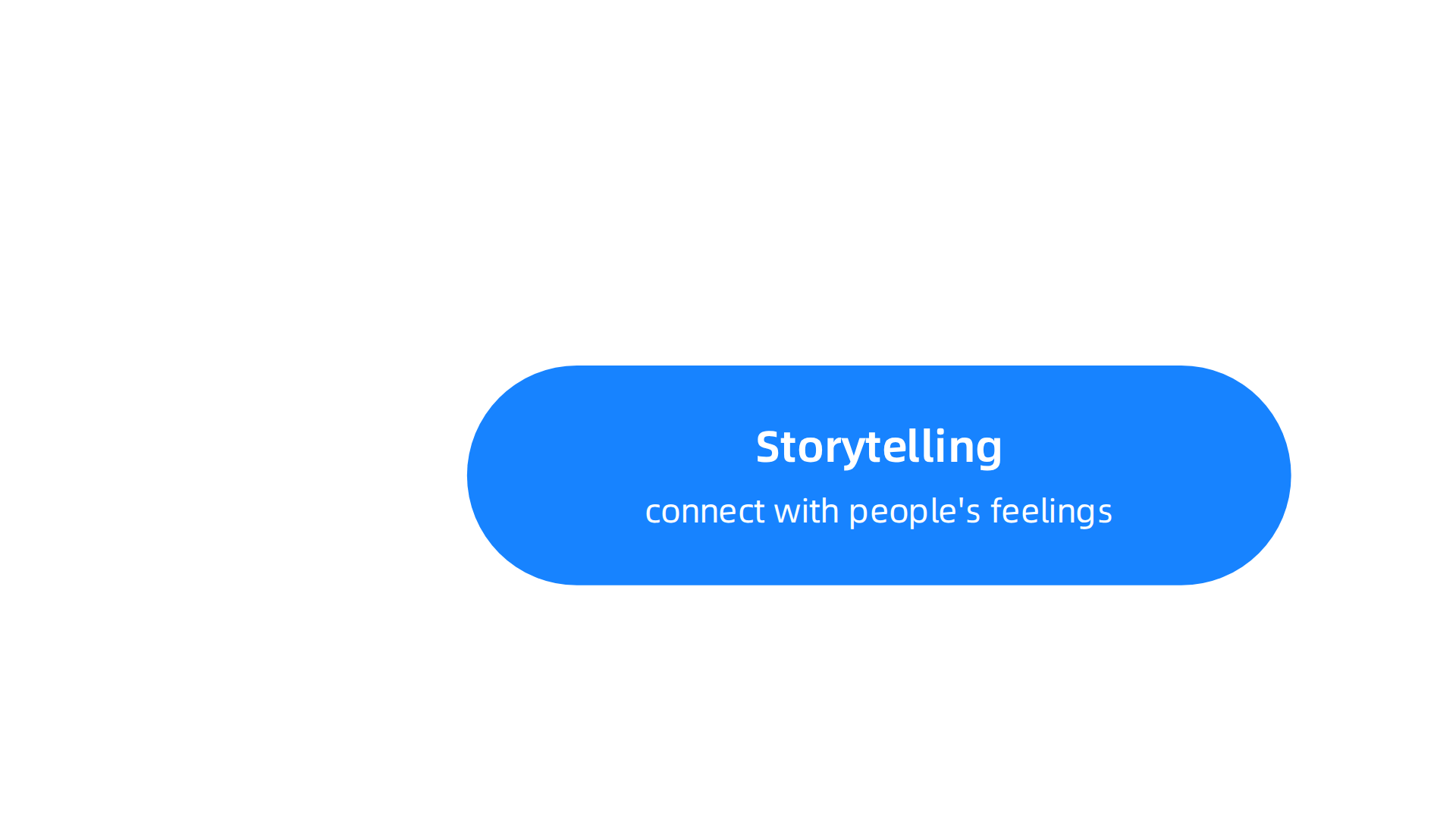
- Storytelling: At its heart, advertising is about telling a story that makes people want to know more about a product or brand. Being a great storyteller means you can connect with people’s feelings and make your ads memorable. This is a vital part of creative advertising jobs. In fact, Digital Marketing Skills Employers Are Looking For in 2026 include digital storytelling.
- Cross-Functional Communication: This just means being able to talk clearly and work well with different teams. You might work with sales, product development, or technical teams. Being able to share your ideas and listen to theirs helps everyone work together smoothly to make great ads.
- Adaptability and Problem-Solving: The world of advertising changes very fast. You need to be able to learn new things quickly and find creative ways to solve problems that come up.
How Hiring Managers Rank Skills
What hiring managers look for can change a bit depending on the job level. For creative advertising jobs in 2026:
- Mid-level roles: For these jobs, a good mix of both hard and soft skills is often needed. You need to show you can use the tools and also work well in a team.
- Senior roles: For more senior creative roles, soft skills like leadership, strategic thinking, and strong communication become even more important. These roles often involve guiding teams and making bigger decisions, so being able to inspire and lead is key. Many hiring managers believe that both hard skills and soft skills hold equal value in 2026, especially communication skills and software knowledge, as shown in a report by What Are the Top Skills to Prioritize in 2026? Hiring Managers …. Overall, soft skills are a big priority for hiring in 2026, with 54% of hiring managers planning to hire marketers according to The most in-demand marketing skills for 2026.
So, whether you’re just starting out or looking to move up, making sure you have a strong set of both technical and people skills will really help your career in creative advertising.
Building a strong set of skills is a great first step. But having skills isn’t enough if hiring managers don’t know about them. That’s why building a standout portfolio and a strong personal brand are super important for anyone looking for creative advertising jobs in 2026. These tools help you show off what you can do and tell your unique story.
What to Include in a Modern Creative Portfolio
Your portfolio is like your personal art show. It’s where you display your best work and show how you think.

For creative advertising jobs today, your portfolio needs to be more than just pretty pictures.
- Case Studies: Don’t just show the final ad. Show how you got there! This means sharing "case studies." A case study tells a story about a project: what problem you were trying to solve, how you solved it, and what the results were. Hiring managers love to see your thought process. Actually, showing the outcome first in your case studies can make a big difference, as experts suggest for The playbook to finding a design job in 2026. Many design leaders look for how you solve problems in real-world situations, not just the finished product.
- Show Your Process: It’s helpful to include sketches, early ideas, and even things that didn’t work out. This shows you can think through problems and learn from mistakes. It helps people understand your UX Design Portfolio Advice from Hiring Managers.
- Be Honest About AI: Since AI is a big part of creative work in 2026, be open about how you use it. Did you use AI to brainstorm ideas, write headlines, or create parts of visuals? Explain how AI helped you do your work better, not replace your own creative thinking.
- Show Variety: Include different types of projects that highlight your diverse digital marketing skills. This could be anything from social media campaigns and video ads to website designs and brand strategy. Looking for ideas? Check out how Brand Strategy Services Drive Media and Publishing Success in 2026.
- Keep it Simple: Make sure your portfolio is easy to navigate. Hiring managers are busy, so they need to quickly see your best work. A good portfolio often focuses on quality over quantity, as suggested in guides like How to Build a UX Portfolio That Actually Gets You Hired (2026).
Practical Steps for Personal Branding
Beyond your portfolio, your personal brand is how you present yourself online and in person. It tells people who you are, what you’re good at, and what makes you unique.
- LinkedIn is Key: Make sure your LinkedIn profile is up-to-date and clearly shows your skills and experience. Share articles about creative advertising, comment on industry news, and connect with other professionals. This shows you’re engaged and knowledgeable. If you’re also interested in becoming a marketing consultant, an active LinkedIn profile is very important.
- Creator Platforms: If you create videos, write blogs, or design graphics for fun, share them on platforms like Instagram, TikTok, or your own personal website. This shows your passion and extra talents, which can make you stand out for creative advertising jobs.
- Network (Connect with Others): Go to industry events, both online and offline. Talk to people, ask questions, and share your insights. Building relationships can open doors to new opportunities.
- Show What You Know: Write short articles or blog posts about topics you care about in advertising. This helps position you as a thought leader and shows your expertise. For example, you could write about new types of Google Ads or how AI is changing creative work.
By putting effort into your portfolio and personal brand, you’re not just looking for a job; you’re showing the world why you’re the perfect fit for the creative advertising roles of 2026.
Building a strong portfolio and personal brand are vital, and in 2026, understanding Artificial Intelligence (AI) is a huge part of that. AI isn’t just a fancy tool; it’s changing how creative advertising jobs are done every day. Learning to use AI well can open up many new chances for you.
Navigating AI in creative workflows: opportunities and risks
AI tools are changing how we create ads. They can help with many parts of creative work, making things faster and sometimes even better.
How AI Tools Change Creative Production and Skills:
AI can help you brainstorm ideas quickly, write different versions of ad copy, or even create visuals faster. For instance, AI can help agencies produce more creative content than before, helping them match or beat competitors, as shown in videos discussing Ads and AI: Leveraging AI Creative in 2026. This means that for creative advertising jobs, it’s not enough to just be creative anymore. You also need strong digital marketing skills that include knowing how to use AI tools.
This shift means you need to learn new things. Instead of just creating everything by hand, you’ll need to guide AI, refine its outputs, and make sure the final product matches your vision and brand goals. People in charge of hiring are already thinking about how AI changes the skills needed for jobs, and how AI is reshaping talent strategy. This isn’t about AI replacing humans, but about humans learning to work with AI.

Ethics, Attribution, and Communication: What to Disclose:
Using AI also brings up important questions about being honest and fair. When you use AI in your creative work, especially for client projects or in your portfolio, it’s very important to be clear about it.
- Be Open About AI Use: If AI helped you generate ideas, write copy, or create images, say so. Transparency builds trust. Many companies are setting rules for how candidates use AI in their work and applications. For example, some may reject AI-dependent applications if not disclosed, as hiring managers are grappling with AI job applications.
- Give Credit Where It’s Due: While AI tools are helpful, remember that your human creativity and judgment are what truly make the work stand out. When you talk about your process, explain how you used AI as a tool to enhance your work, not as a replacement for your own thinking.
- Understand Company Policies: Before you start a project, ask about your client’s or employer’s rules on using AI. Some companies, like Wayfair, have AI Use Policies for the Interview Process and for general work, showing their commitment to fair and responsible AI use. Clear communication helps avoid misunderstandings.
In short, AI is a powerful assistant for creative advertising jobs. By embracing it, learning the necessary digital marketing skills, and using it ethically, you can boost your career and create amazing things.
To stay on top of all the fast changes with AI in media and advertising, you need to be constantly learning. Get clear daily AI updates from The AI Newsletter Worth Reading.
AI is truly changing how we approach creative advertising jobs. But where exactly do you want to use these new skills? The world of advertising offers many paths, and each has its own good and bad points. Let’s look at agency work, in-house teams, being a freelancer, or creating for platforms.

Understanding these trade-offs will help you pick the best path for your career in 2026.
Career paths: agency vs in-house vs freelance vs platform-native
When thinking about your career, you might wonder which type of job fits you best. Do you like a fast pace and many different projects, or do you prefer to focus deeply on one brand? Your choice impacts things like how stable your job is, how much control you have over your creative work, how your skills grow, and how you make money. The world of creative jobs is changing, and AI is a big part of this shift, as shown in an overview of the AI Impact on Creative Jobs: Future of Design and Marketing Careers.
Working at an Agency
Agencies are like creative hubs. They work with many different clients, from small businesses to big brands.
- Pros: You get to work on a huge variety of projects, learn quickly, and be part of a team. This helps you build strong digital marketing skills fast. You also get to network with many people.
- Cons: The work can be demanding with long hours. You might have less creative control because clients have the final say.
- Skill Development: Agencies are great for learning broad digital marketing skills and staying updated on the latest trends and Digital Marketing Platforms in 2026: How to Navigate the New Media Landscape.
Working In-House
An in-house role means you work for one company, focusing only on their brand.
- Pros: You get to know one brand really well and see your work make a direct impact. Hours are often more regular, giving you better stability.
- Cons: There might be less variety in projects, and the pace can be slower. Your creative scope might feel limited to just one brand’s style.
- Skill Development: You become an expert in specific brand strategy and can act as an internal marketing consultant, deeply understanding your company’s needs.
Being a Freelancer
Freelancing means you work for yourself, finding your own clients and projects.
- Pros: You have the most creative control and flexibility over your schedule. Your earning potential can be high if you’re good at finding work.
- Cons: You need a lot of self-discipline, and finding clients can be a constant job. You don’t get benefits like health insurance, and competition can be tough.
- Skill Development: Freelancing pushes you to become a skilled marketing consultant and build a powerful portfolio. Learning things like SEO Services for Businesses That Deliver Measurable Results in 2026 is crucial.
Platform-Native Creators
This path is for those who create content directly for platforms like YouTube, TikTok, or Instagram.
- Pros: You connect directly with your audience, get quick feedback, and build your own personal brand. There are new ways to make money through sponsorships and direct support.
- Cons: Algorithms can change, making your content harder to find. You need to constantly produce new content and essentially act as your own digital marketing institute to grow your presence.
- Skill Development: You become skilled at audience engagement, content strategy, and direct monetization methods.
Choosing Your Path and Pivoting
There’s no single "best" path. Think about your personality, what you want to achieve, and how much risk you’re comfortable with. Your digital marketing skills are valuable in all these areas. The great news is you’re not stuck with one choice forever. Many people pivot between these paths. Building a strong portfolio is key, no matter what. It’s your personal showcase that proves what you can do. A good portfolio acts like your resume and helps you move between different types of creative advertising jobs. For advice on making your work stand out, consider this Guide to Crafting A High-Impact Creative Portfolio.
Once you have a great portfolio, the next step is to get out there and find those exciting creative advertising jobs. It means being smart about where you look, how you talk about yourself, and what you ask for.
Practical job-search, networking, and interview strategies for creatives
Finding the right job takes a good plan. You need to show off your skills, connect with others, and speak well about your work.
Smart Ways to Look for Jobs
Your portfolio is your most important tool. It’s not just a collection of your work. It tells a story about what you can do.
- Showing Your Work: Think about including "spec work" in your portfolio. This is work you did just to show off a skill, even if it wasn’t for a real client. But even better are "case studies." These are real projects where you show the problem, how you solved it, and the good results you got. This proves your skills as a marketing consultant.
- Picking the Right Job Sites: Don’t just look anywhere. Use job boards that focus on creative advertising jobs. Sites like LinkedIn, Indeed, and Glassdoor are good for a start. But also check out special sites that list creative and media jobs, such as the 19 Best Job Search Websites To Land Your Next Role in 2026 or specific sites for marketing, advertising, and PR jobs like MarketingHire Job Board.
- Networking: Talk to people in the industry. Go to online events or join groups where creative people hang out. You never know where your next job lead might come from.
Getting Ready for Interviews
When you get an interview, it’s your chance to shine.
- Do Your Homework: Learn about the company and the job. Know their brand and what kind of ads they make. This shows you’re serious.
- Practice Talking: Think about questions they might ask. How would you describe your digital marketing skills? How do you handle tough projects?
- Show Off Your Skills: Employers in 2026 are really looking for certain skills. These include things like content strategy, how to use data to make ads better, and knowing about paid ads. It’s smart to show you have these important most in-demand marketing skills for 2026. Showing what you know about different advertising types, such as Types of Google Ads, can also be a big plus.
Talking About Your AI Skills
AI is a big part of creative work now. So, be ready to talk about it.
- Explain How You Use AI: Don’t just say you "use AI." Tell them how you use AI tools to make your work better, faster, or more creative. Maybe you use AI for coming up with ideas, writing first drafts, or editing images. This shows you’re a forward-thinking creative professional. For instance, you could discuss how AI is changing ad types like Native Advertising in 2026.
- Focus on Problem-Solving: Show that AI helps you solve problems and achieve goals. You want to make it clear that AI is a tool that makes your human creativity even stronger, not something that replaces it.
Discussing Your Salary
It’s okay to talk about money. Knowing what you’re worth helps.
- Research Salaries: Look up what similar creative advertising jobs pay in your area. This way, you’ll have a good idea of what to expect. Many companies look for specialized skills and are willing to pay more for them, according to 2026 Marketing and Creative Salary Trends.
- Be Clear and Polite: When they ask about your salary hopes, give a range that you’re happy with. Be ready to explain why you deserve that amount based on your skills and experience.
Finding a great job in creative advertising takes effort. But with a strong portfolio, smart job searching, good interview skills, and knowing how to talk about your AI knowledge, you’ll be ready for success.
Get clear daily AI updates from The AI Newsletter Worth Reading.
Summary
This article explains how creative advertising jobs are evolving in 2026 and what that means for your career choices. It shows which roles are growing—like digital designers, performance marketers, and paid media specialists—and why employers now value digital, data and AI literacy alongside storytelling and communication. The piece breaks down where these jobs live (agencies, in‑house teams, freelancers, platform‑native roles), which hard and soft skills to prioritize, and how to present your work with modern portfolios and clear AI disclosure. It also covers practical job search steps, interview and salary strategies, and how to choose or pivot between career paths. Read it to understand the new skills employers pay more for, how to use AI responsibly, and the concrete actions you can take to land and succeed in creative advertising roles today.