
10 Pathos Ads That Prove Emotional Advertising Wins
Introduction
Have you ever watched an ad that made you smile, tear up, or feel a rush of hope?

That’s the power of pathos ads. These are advertisements that tap into your emotions instead of just listing product features. And here’s the thing: they work much better than logical, fact-filled ads.
Research shows that emotional ads are twice as effective as rational ones.
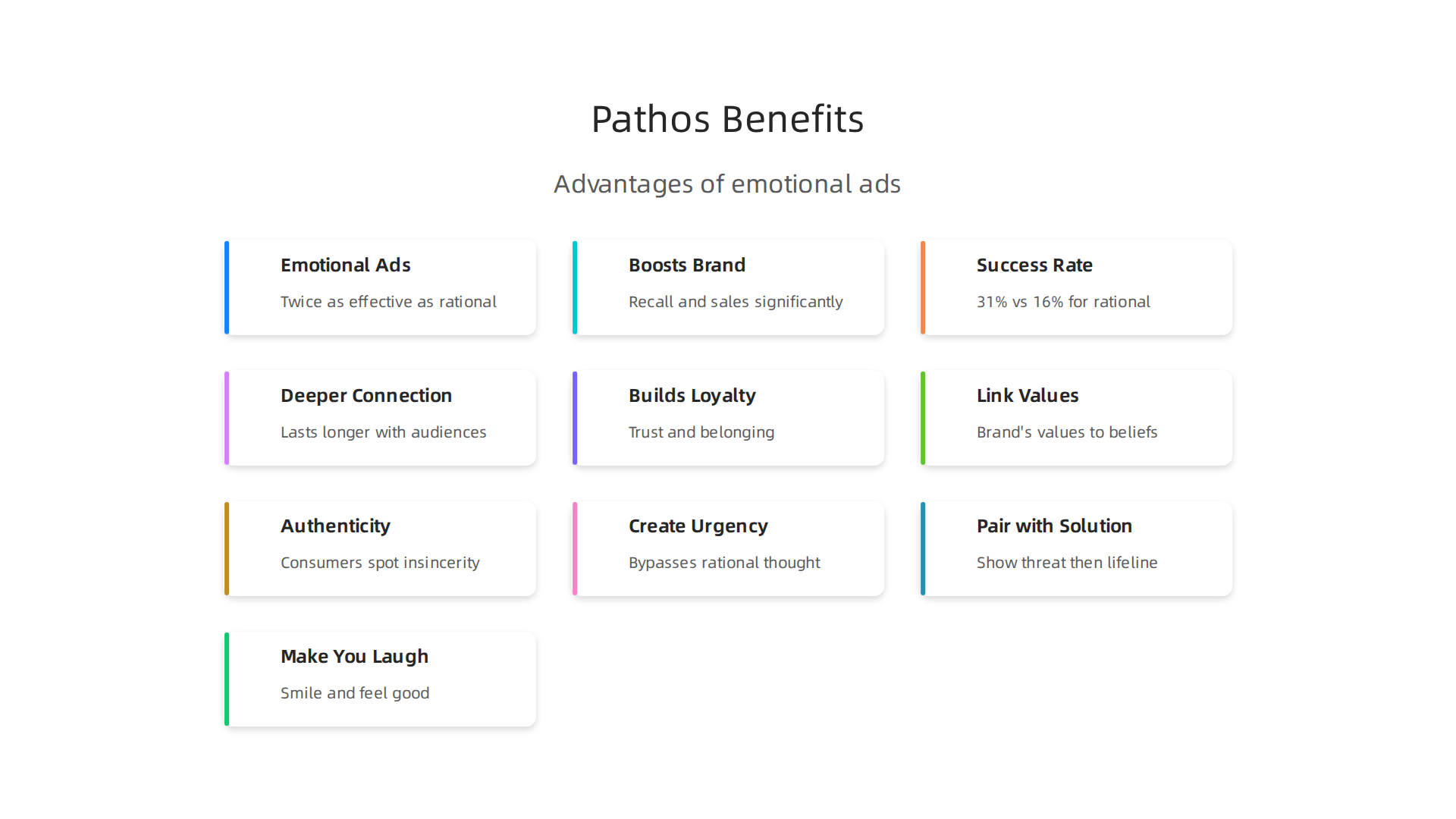
A study by the Neuroscience Marketing team found that emotional advertising boosts brand recall and sales significantly. Another analysis of advertising campaigns revealed that 31% of emotional ads succeeded, compared to only 16% of rational ads. In 2026, this gap is only growing.
Why? Because people make buying decisions with their hearts first, then justify with their heads. Emotional ads create a deeper connection that lasts longer. They build loyalty, trust, and a sense of belonging. That’s why more brands are turning to pathos ads as a core strategy.
At the same time, disruptive advertising tactics are reshaping how brands reach audiences. From unexpected digital screen placements to bold storytelling, the goal is to stop the scroll and trigger a feeling. This blend of emotion and disruption is the new standard for engagement.
In this article, we’ll explore 10 creative pathos ad examples and break down the strategies that made them successful. Whether you’re a marketer, business owner, or content creator, these insights will help you craft ads that truly connect.
To stay ahead of the curve, it helps to understand the broader advertising landscape. Check out our guide on native advertising 2026 to see how AI and programmatic are redefining ads. And for daily updates on the latest media and AI trends, subscribe to The Deep View Newsletter.
1. Nostalgia Marketing: Tapping Into Collective Memory
Think about the last ad that made you smile without knowing why. Chances are it used nostalgia marketing. That warm, fuzzy feeling you get when you see something from your past does more than just feel good.

It actually makes you trust the brand more.
Nostalgia works because it reminds us of simpler, happier times. When we feel uncertain about the future, these positive memories reduce stress and make us more open to what a brand is saying. That is why so many pathos ads use retro music, old logos, or 90s fashion. They tap into shared cultural moments that trigger instant emotion.
And the data backs this up. Emotional content like nostalgia drives twice the ROI of rational messaging, according to a 2026 analysis by WifiTalents. Another study by System1 Group found that ads with emotional pull succeed far more often than logic-based ones. Nostalgia is one of the strongest emotional levers because it feels personal and universal at the same time.
Recent campaigns from brands like Coca-Cola, Nintendo, and even streaming services have leaned into retro aesthetics. They bring back classic jingles, pixelated graphics, or vintage packaging. These details make you stop scrolling and actually feel something. That is the heart of effective advertising.
If you want to understand how emotion drives modern media strategies, our guide on inbound marketing in 2026 explains how trust and feeling work together in today’s landscape.
For daily insights on how brands are using emotion and AI to connect with audiences, subscribe to The Deep View Newsletter.
2. Purpose-Driven Advertising: Values as Emotional Anchors
While nostalgia takes you back to your past, purpose-driven ads pull you toward a shared future. These are the pathos ads that don’t just make you feel warm. They make you feel proud to support what a brand stands for.
Purpose-driven advertising works by linking a brand’s values directly to your own beliefs.
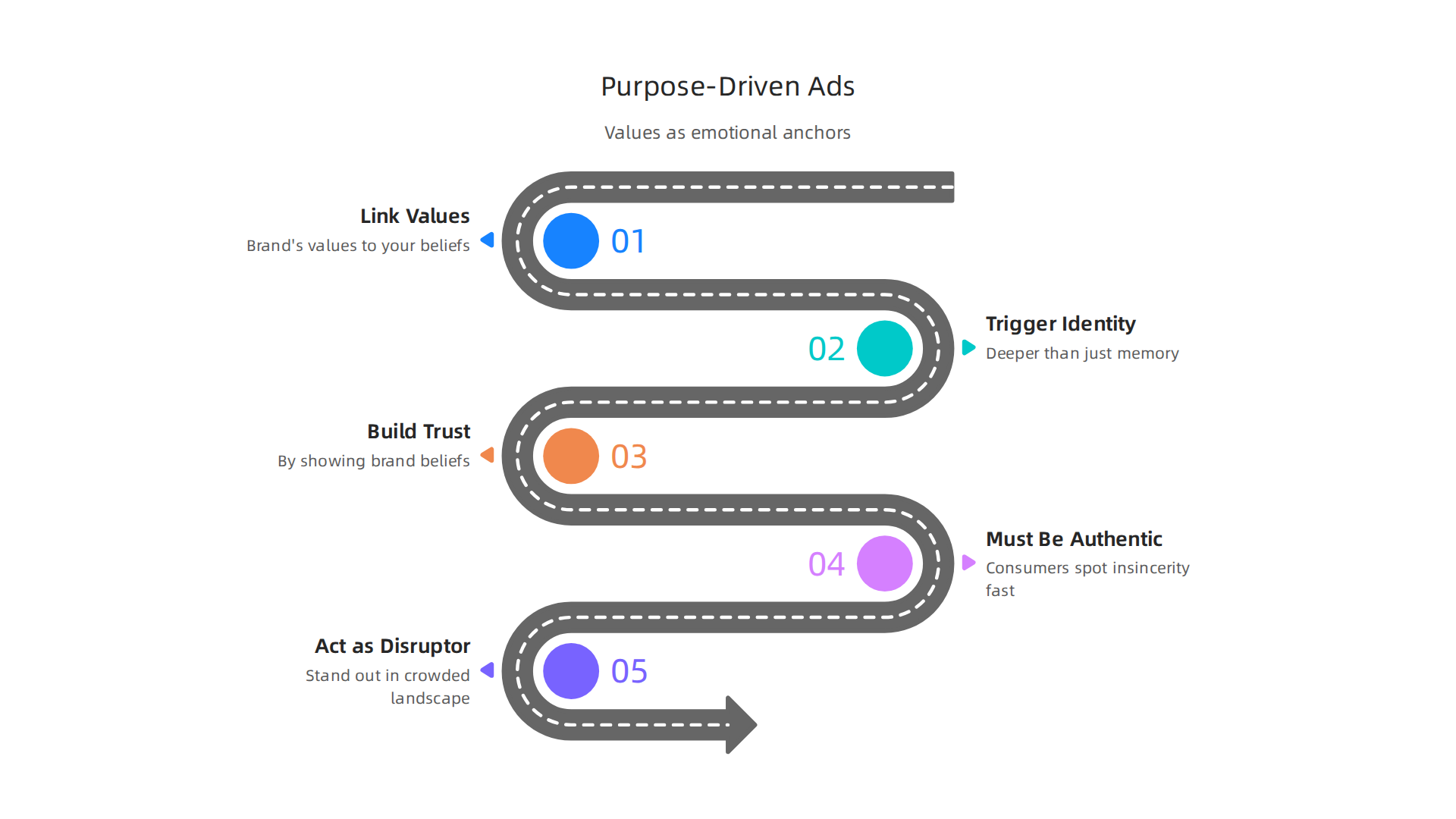
When a company takes a stand on a social or environmental cause, it triggers something deeper than memory. It triggers identity. You aren’t just buying a product. You are joining a movement. That is why some of the best examples of good advertisements today come from campaigns built around sustainability, equality, or community support.
Research shows that emotional content strengthens brand loyalty and boosts engagement. The psychology behind it is simple. People buy from brands they trust. Purpose-driven ads build that trust by showing you what the brand believes in. One study on emotional triggers in marketing confirms that aligning with values creates a deeper connection than any product feature ever could.
A powerful purpose can also act as a disruptive advertising tactic. In a crowded digital landscape, a bold stance helps you stand out. But here is the catch. You have to mean it. Consumers in 2026 can spot insincerity from a mile away. If the values feel fake or the cause has no real connection to the business, the ad backfires fast.
For a deeper look at how these strategies fit into the modern advertising mix, read our guide on the advertising definition in 2026. It explains how lifecycle marketing and emotional anchors work together to build real customer relationships.
If you want daily insights into how brands are using emotion and values to connect with audiences, subscribe to The Deep View Newsletter.
3. Fear-Based Appeals: Urgency and Protection
Not every emotional ad aims to make you smile or feel proud. Some of the most effective examples of good advertisements hit a different nerve: fear. Fear-based pathos ads tap into your instinct to protect yourself, your family, or your future. When done right, they create immediate urgency.
You see this approach everywhere in health, safety, and security advertising. A home security company shows a break-in. An insurance ad highlights the financial risk of going without coverage. These advertisement examples work because fear is a fast-acting emotion. It bypasses rational thought and pushes you toward a solution.
But here is the key. Fear alone backfires. The best pathos ads pair the fear with a clear, easy solution.
You show the threat, then hand the viewer a lifeline. Research confirms that emotionally charged ads, whether nostalgic or fear-based, increase engagement and loyalty when the emotion is handled well. One study from Accelerant Research shows that emotional resonance boosts brand connection.
There is a warning though. Overuse of fear causes desensitization. If every ad screams danger, viewers stop listening. Worse, it can damage your brand. Consumers in 2026 want honesty, not manipulation. Fear works best as a rare, strategic tool.
To learn how trust built through earned media can offset the risks of aggressive fear tactics, read our guide on what earned media is and how to build a strategy that wins real influence.
Want daily insights into how brands balance emotion, urgency, and trust in 2026? Subscribe to The Deep View Newsletter for clear, actionable updates on advertising psychology and media trends.
4. Joy and Happiness: Creating Positive Associations
We just looked at how fear can push people to act. But there is another side to emotion that works just as well. Joyful ads make you feel good. And when you feel good, you remember the brand behind that feeling.
That is the power of pathos ads built on happiness.
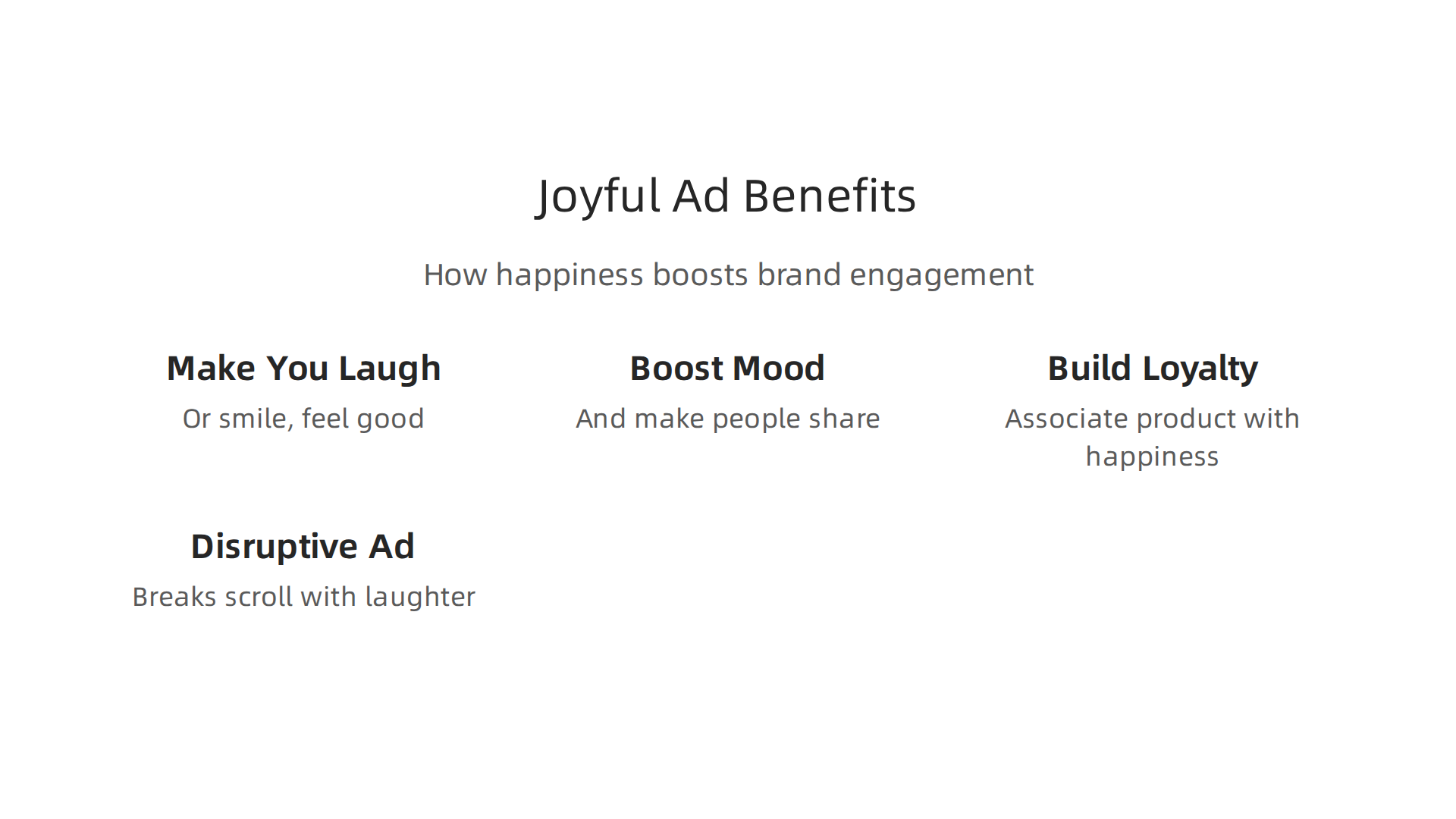
Think of the ads that make you laugh or smile. Maybe a funny commercial with a talking animal. Maybe a heartwarming video of a family reunion. These examples of good advertisements stick with you. You might even share them with a friend. That is the goal. Joyful ads boost mood and make people want to share. This is especially true on social media and video platforms. A funny clip or a feel-good story can spread fast.
These advertisement examples work because they create a positive feeling. Every time you see the brand later, you feel that same warmth. You associate the product with happiness. This builds brand loyalty over time. Humor and delight are common tools here. A clever joke or a surprising moment can break through the noise.
This approach also fits well with disruptive advertising. A joyful ad that interrupts your scroll with a laugh is a welcome break. It feels less like a sales pitch and more like entertainment. That is why you see so many happy ads on an advertising digital screen or in your social feed.
One study confirms that emotional resonance, especially happiness, drives real engagement and brand connection. This research on emotional appeal in advertising shows how joy can make your campaign unforgettable.
If you want to learn more about making your ads work across different platforms, check out this guide on digital marketing platforms in 2026: how to navigate the new media landscape. It covers where to place your joyful content for maximum impact.
Want more daily tips on using emotion and humor in your ads in 2026? Get clear updates direct to your inbox with The Deep View Newsletter.
5. Sadness and Empathy: Building Deeper Connections
Joy gets your attention. But sadness and empathy? They stick with you in a different way. These pathos ads tap into feelings of compassion and shared struggle. When done right, they build trust and show that a brand truly cares.
You see this approach a lot with non-profits and cause-related brands. A charity ad might show a child in need. A healthcare campaign might share a patient’s difficult journey. These examples of good advertisements don’t just ask for money. They ask you to feel something. That emotional tug makes you want to help.
But here is the thing. This strategy needs care. If it feels fake or pushy, it backfires. People can sense manipulation. The key is authenticity. You have to show real stories with real people. When you do, the connection is powerful. These advertisement examples prove that vulnerability builds loyalty.
This counts as disruptive advertising because it stops your scroll with a moment of real emotion. It cuts through the noise of happy ads and sales pitches. Seeing an authentic sad story on an advertising digital screen makes you pause and think.
This research on emotional appeal in advertising shows that empathy drives real engagement. But use it with respect.
Want to learn how to tell authentic stories across platforms? Read our guide on corporate branding services that win audience trust in 2026.
For daily tips on using emotion the right way in your campaigns, get updates from The Deep View Newsletter.
6. Inspiration and Aspiration: Motivating Action
Sadness brings us together. But inspiration? It pushes us forward. These pathos ads don’t just make you feel. They make you believe something better is possible. That is a powerful tool for any brand.
Think of a fitness ad showing someone finishing their first marathon. Or a education ad featuring a student who became the first in their family to graduate college. These examples of good advertisements use real stories of struggle and success. They show you what you could become. That vision of a better future is what makes people take action.
Aspiration appeals work especially well for lifestyle, fitness, and education brands. Why? Because those industries are built on personal growth. When you see someone like you overcoming a challenge, it feels real. It feels achievable. That is the core of disruptive advertising in 2026. It interrupts your usual scrolling with a moment of possibility. You might see it on an advertising digital screen in a gym or a bus stop. The message sticks.
According to research on empathy in marketing, emotional connection is the key to standing out in 2026. People remember how you made them feel. Inspiration makes them feel capable.
If you want to create campaigns that motivate and build trust, you need the right tools and platforms. Our guide on digital marketing platforms in 2026 can help you choose where to place these inspirational stories.
For daily insights on using emotion the right way in your advertising, get updates from The Deep View Newsletter.
7. Belonging and Community: Fostering Identity
Here is the thing about people. After we feel inspired to grow, we also want to belong somewhere. That is a deep human need. And pathos ads that tap into this feeling create powerful brand loyalty.
Think about it. When you see an ad for a sports brand that shows a group of runners training together at sunrise, you feel like you want to join them.

Or when a coffee company shows friends laughing in a cozy shop, you want to be part of that circle. These examples of good advertisements do not just sell a product. They sell a seat at the table.
These pathos ads create an in-group identity. They say, "You belong here." That feeling is incredibly sticky. People do not switch brands that make them feel part of something meaningful. According to case studies on empathetic marketing in action, brands that make customers feel understood and connected see stronger loyalty and repeat business.
Social media makes this even bigger. When a brand builds a community on Instagram or TikTok, people share their own stories with the brand’s hashtag. The ad becomes a movement. This is a form of disruptive advertising that does not interrupt. It invites. You might see it on an advertising digital screen at a gym with a QR code to join a local running club.
To build this kind of community around your brand, you need a smart plan for earned media and organic reach. Our guide on what is earned media and how to build a strategy that earns real influence in 2026 can show you how to turn one ad into a community conversation.
For daily ideas on building brand communities that last, get updates from The Deep View Newsletter.
8. Surprise and Delight: Breaking Through the Noise
You are scrolling through your phone. Ad after ad blurs together. Then something stops you. Maybe a funny twist. Maybe a cute dog doing something unexpected. You smile. You remember it.
That is the power of surprise in pathos ads. When people see something they did not expect, their brain snaps to attention. This emotional jolt makes the moment more memorable. And when you combine surprise with joy or humor, you create delight. That feeling sticks with your brand long after the screen goes dark.
Think about some of the best examples of good advertisements you have seen recently. Chances are they took a small twist on something ordinary. They did not scream for attention. They earned it with a clever surprise. This is what disruptive advertising looks like when done right. It does not annoy. It charms. You might spot one on an advertising digital screen in a subway station that makes you laugh out loud during your commute.
Why does this work? Because delight feels like a gift. When a brand gives you a moment of unexpected happiness, you want to return the favor. You share the ad. You talk about it. That is how a single advertisement example becomes a conversation.
The brands winning in 2026 are the ones that make people feel something. Surprise and delight are emotional shortcuts to connection. And when that connection is real, it builds a community that lasts. Check out our breakdown of native advertising 2026: how AI personalization and programmatic are redefining ads to see how brands are weaving surprise into their paid strategies.
Want more daily insights on the advertising moves that actually work in 2026? Get smarter with The Deep View Newsletter.
9. Love and Affection: Humanizing the Brand
You know that feeling when you watch an ad and it just warms your heart? Maybe it shows a grandparent teaching a child how to bake. Or a group of friends laughing around a campfire. Or a couple reuniting at an airport. For a moment, you forget it is an ad. You feel the love.
That is the magic of pathos ads built on love and affection. These ads create a deep emotional bond between you and the brand. They work because love is one of the strongest human emotions. When you feel love while watching an ad, you start to associate that warmth with the company behind it. You do not just buy a product. You feel like you are part of something bigger.
The best examples of good advertisements in this space focus on real relationships. They show family, friendship, or romance in an honest way. Think about a classic advertisement example like a holiday commercial where a parent surprises their child. That simple moment of love can beat any flashy special effect.
But here is the catch. You have to be authentic. People can spot a fake love story from a mile away. If your ad feels forced or cliché, it actually hurts your brand. The real power comes from showing genuine moments that people recognize from their own lives.
When you get it right, love builds community. The brands winning in 2026 are the ones that create a sense of belonging among their customers. According to a 2026 trend report, brands that build belonging through human centered experiences are the ones that earn lasting loyalty. Love turns customers into advocates. They do not just buy from you. They belong to your brand.
This is a different kind of disruptive advertising. Instead of shocking people, you invite them in. You make them feel seen and valued. And that feeling sticks around long after the ad disappears from an advertising digital screen.
Want to see how modern brands are building trust through emotional storytelling? Check out our guide on inbound marketing definition in 2026: how the 4 Ps of marketing build trust.
If you want more daily insights on the emotional strategies that actually work in 2026, get smarter with The Deep View Newsletter.
While love connects us to the present, hope connects us to the future. And in 2026, hope is a powerful business asset.
Pathos ads built on hope and optimism do something special. They inspire resilience. They make people feel like better days are ahead.

This is especially effective during uncertainty or recovery periods. When the world feels heavy, a hopeful ad feels like a breath of fresh air.
According to WGSN, emotions are powerful tools that directly influence how we buy. Optimism does not just make people feel good. It boosts brand favorability and drives social sharing. People naturally want to be associated with positive brands.
What are the best examples of good advertisements using hope? They show a problem, then show a clear, realistic solution. A family struggling through a hard winter, then thriving in the spring. A small business that overcame the odds. These advertisement examples work because they feel earned.
This is disruptive advertising with a kind heart. Instead of scaring or shocking you, it uplifts you. On an advertising digital screen, a hopeful message can stop the scroll. It gives people a reason to pause and feel something good.
To apply this, listen to your customers. What are they afraid of? Then show them a specific, believable path forward. Hope without action is just a wish.
For a deeper look at how media strategies are evolving, read our guide on what is earned media and how to build a strategy that earns real influence in 2026.
And if you want daily insights on the emotional trends shaping the future of media, get smarter with The Deep View Newsletter.
Summary
This article explains how pathos ads—advertisements that target emotions—outperform purely rational messaging and outlines ten creative emotional approaches brands use today. It covers emotional levers such as nostalgia, purpose, fear, joy, empathy, aspiration, belonging, surprise, love, and hope, with examples of how each works in practice and why authenticity matters. You’ll learn when to use each emotional tactic, how to pair emotion with clear solutions (so fear doesn’t backfire), and how disruptive placements and storytelling stop the scroll. The piece also highlights where to place emotional ads—digital screens, social, or out-of-home—and why earned media, community-building, and platform choice amplify impact. After reading, you’ll be able to choose the right emotional strategy, avoid common mistakes, and plan ads that create lasting brand connection and measurable results.