
Product Marketing Agency What They Do and How to Hire the Right One
Why understanding agency types matters for modern media teams
In 2026, media teams like yours face a big challenge when it comes to marketing. It used to be simpler, but now there are so many different kinds of agencies out there. You might need a product marketing agency for launching a new offering, or maybe a full service advertising agency to handle everything. This huge choice can feel overwhelming, almost like a jungle, making it hard to pick the right partner.

Actually, understanding these different agency types is super important. It helps you avoid guessing games and make smarter decisions for your brand. When companies look for help, they often need a clear way to compare agencies. They might even use special guides, like a Marketing RFP Template: The Complete 2026 Guide, to help them weigh options carefully and fairly.
This article is here to help you cut through the confusion. We’ll break down the different kinds of agencies, from a specialized product marketing agency to a local SEO agency, and look at what each one does best. We will also give you clear steps and important things to think about when you’re ready to hire one. Our goal is to make sure you find the perfect match for your needs, whether you’re looking for innovative strategies or just need to understand Digital Marketing Advertising Agency Specializations better.
Staying on top of all the new trends, especially with AI changing everything, is key to making good choices. For daily insights that keep you ahead, you might want to check out The AI Newsletter Worth Reading.

1) What is a product marketing agency — scope and core services
After seeing how many types of agencies are out there, it’s good to start with a clear picture. Let’s talk about a special kind of helper: a product marketing agency. This type of agency is all about making sure a product sells well and reaches the right people. Think of it like a guide for your product, from when it’s just an idea all the way to when customers are using it.
A product marketing agency focuses deeply on the product itself. They don’t just create pretty ads. They work to understand who needs your product, what makes it special, and how to tell its story. Their main jobs often include:
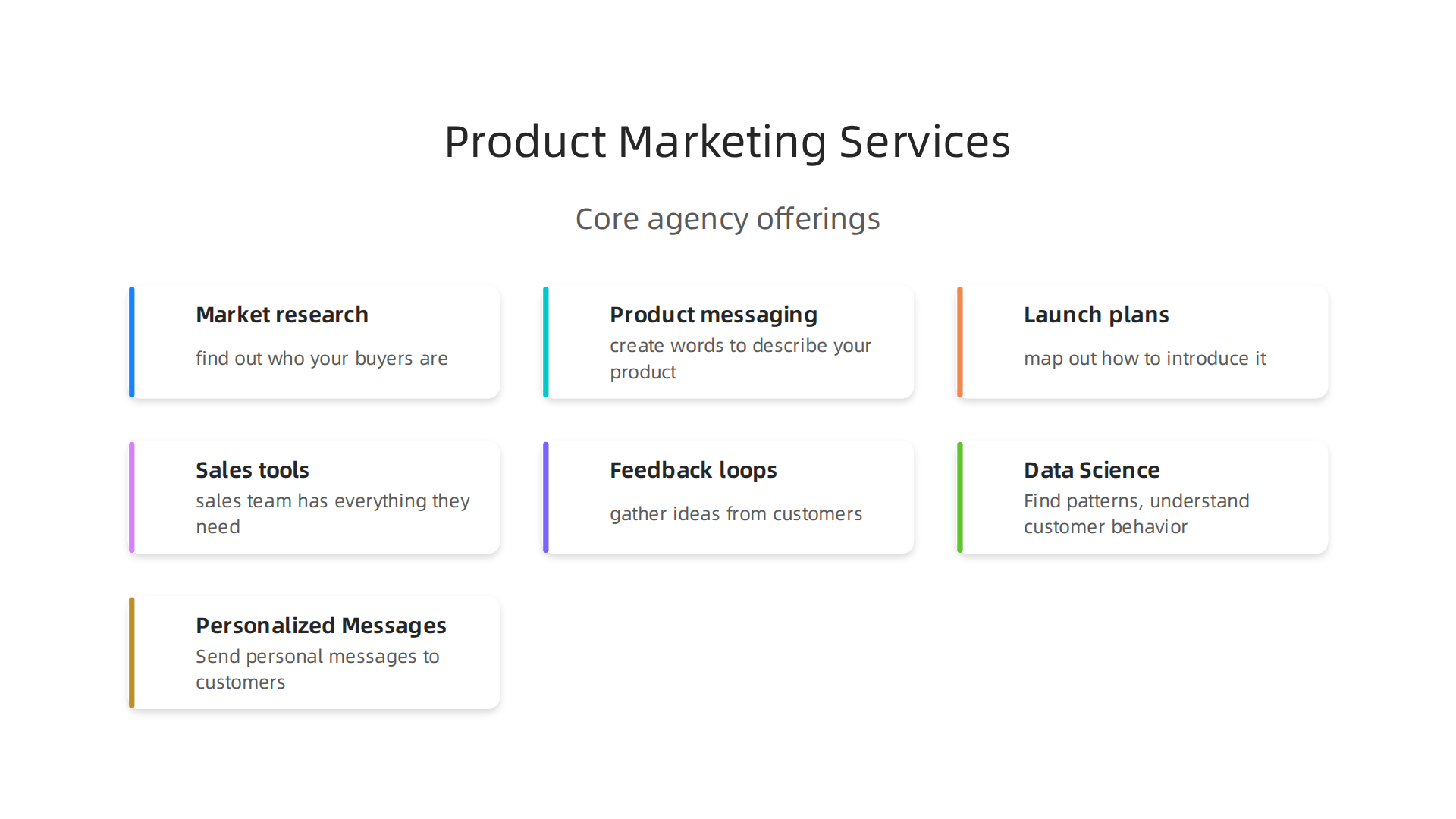
- Market research: They find out who your buyers are and what they really want.
- Product messaging: They help create the words that best describe your product, making sure people understand its value.
- Launch plans: When you have a new product, they map out exactly how to introduce it to the world for the best impact.
- Sales tools: They make sure your sales team has everything they need to explain and sell the product easily.
- Feedback loops: They help gather ideas from customers to make the product even better.
The teams at these agencies usually have experts like product strategists, content writers who know how to talk about products, and market researchers. They are different from a full service advertising agency or a creative shop. While those agencies might handle a wide range of advertising campaigns, a product marketing agency is much more focused on the journey of one product or a group of products. They really dig into what makes a product stand out and how to make people want it.
So, where does a product marketing agency fit in your bigger marketing picture? They work closely with your product development teams and your sales teams. They are like a bridge, making sure the product that’s built is exactly what customers need, and that everyone knows about it.

They help make your marketing efforts work together, from the moment a product is born until it’s a big success. For example, the US business services market is expected to reach $18.8 trillion in 2026, showing a big need for specialized agencies like these to help businesses grow their offerings US Business Services Market Size 2026.
When you work with a product marketing agency, there are a few ways you can pay for their help:
- Retainer: This means you pay a set amount each month for ongoing support. It’s like having a dedicated team that’s always there for your product. Many agencies, including those focused on influence, use this model, with costs sometimes starting around $3,000 per month for ongoing work Influencer Marketing Agency Cost 2026.
- Project-based: If you have a specific goal, like launching one new product, you might pay a fixed price for that one project.
- Outcome-based: This is where the agency’s pay might depend on how well your product does, like if it hits certain sales numbers. This ties closely into Performance Marketing 2026 where results are key.
Choosing the right type of agency is a big decision, and understanding what each one offers is the first step. To make sure you pick the best partner for your needs, you might want to learn more about How to Choose an Online Marketing Company for Media Professionals.
Staying informed about new trends, especially in AI, can also help you make smarter choices. Get clear daily AI updates and understand how new technology is shaping the media industry by subscribing to The AI Newsletter Worth Reading.
2) Full-service vs. specialist agencies: pros and cons for product teams
Now that we know what a product marketing agency does, let’s look at how it stands next to other types of agencies. It’s like choosing between a big general store and a small shop that sells only one special thing. You can pick a full-service agency or a specialist one. Both have good points and bad points for your product teams.
What is a Full-Service Agency?
A full-service advertising agency is like that big general store. They can do many things for you. This might include making ads, buying ad space, doing public relations, and even some digital marketing. They handle everything from start to finish for all your campaigns. A famous example of this type of firm might be like Zimmerman advertising, which manages many different aspects for its clients.
Pros of a Full-Service Agency:
- One Stop Shop: You work with just one team for all your marketing needs. This can make things feel simpler.
- Consistent Message: Because one team handles everything, your brand’s message stays the same across all places. This helps your customers know what to expect from you.
- Broad View: They can see the whole picture of your marketing, which can be helpful for big campaigns.
Cons of a Full-Service Agency:
- Less Specialized: They might know a lot about many things, but not be super deep experts in one area, like product marketing. This means they might not understand your product’s unique needs as deeply as a specialist.
- Cost: Working with one big agency for everything can sometimes cost more.
- Speed: It might take longer to get things done because they have many different teams to coordinate.
What are Specialist Agencies?
Specialist agencies, like a product marketing agency, are like the small shop that focuses on one thing really well. Besides a product marketing agency, you could find a local SEO agency that helps businesses show up in local searches, or even a hype agency that focuses on making a buzz for new products. These agencies dive deep into their specific area.
Pros of Specialist Agencies:
- Deep Expertise: They are masters in their field. A product marketing agency, for example, knows all the tricks to make a product famous and loved. They are often quicker to adopt new tools and strategies. For example, AI agents are changing how marketing works, and specialist firms are often at the front, using these new ways to help their clients How AI agents will reshape every part of marketing in 2026.
- Better Results for Specific Needs: Because they focus, they can often get better results for that one specific task. Many top product marketing agencies today are already experts in using AI for their work Top 10 AI Product Marketing Agencies in 2026.
- Potentially More Cost-Effective: If you only need help with one thing, hiring a specialist for that task can be cheaper than a full-service agency.
- Agility: They can often work faster and change plans more quickly because they are smaller and focused.
Cons of Specialist Agencies:
- Managing Multiple Partners: You might need to work with a few different agencies (one for product marketing, one for social media, etc.). This means more people for you to talk to and keep track of.
- Making Sure Everyone Works Together: You have to make sure all your specialist agencies are talking to each other and sharing the same goals.
How to Choose the Right Agency
Deciding between a full-service or a specialist agency depends on a few things:
- How complex is your product? If your product is new or very unique, a product marketing agency’s deep knowledge might be exactly what you need.
- What skills do you have in your team? If your team is great at some marketing tasks but needs help with others, a specialist can fill the gaps.
- How big is your budget? And do you have a steady budget or money for one-off projects? This can help you decide between ongoing retainers or project-based fees.
- How much control do you want? Do you want to hand over all marketing to one agency, or do you want to be more hands-on with different teams?
Understanding these differences helps you make the best choice for your product and your company. If you’re looking for more guidance on how to find the right partners, it’s helpful to explore an expert guide to digital marketing advertising agency specializations and hiring to understand different types of agencies better. Also, learning how to vet a media agency can help you find a trustworthy partner.
When you pick a marketing partner, it’s helpful to know what kind of help you need. After looking at general agencies and specialist ones like a product marketing agency, let’s talk about agencies focused purely on numbers and results. These are called performance and growth agencies. They are all about measuring everything to make sure your marketing money is well spent.
What Performance and Growth Agencies Do
These agencies are experts in making your marketing campaigns work better and grow your business. They do this by watching the numbers very closely. They want to see real results, like more sales or new customers.

Their main services include:
- Paid Media: This means running ads that you pay for, such as on Google, social media, or other websites. A good performance agency knows how to get the most out of your ad budget by reaching the right people and making ads that work. If you’re curious about different kinds of ads, you can read about types of Google Ads.
- Analytics: This is like having a super detective for your data. These agencies use special tools to track how people interact with your ads and website. They figure out what’s working and what’s not. Understanding analytic marketing to drive smarter campaigns is key to making good choices.
- Experimentation: They don’t just guess. Performance agencies constantly try out new ideas, like different ad messages or website layouts, to see what gets the best results. This is often called A/B testing.
- Attribution Modeling: Imagine a customer sees your ad on social media, then later reads a blog post, and finally buys your product. Attribution modeling helps figure out which of these steps helped the most in making the sale. This tells you which parts of your marketing are doing the heavy lifting. Knowing how to think about your overall performance marketing in 2026 can help you decide what’s best.
In 2026, many of these agencies use smart AI tools to get even better results. AI agents help them analyze data faster and find new ways to connect with customers. This means marketing can be more personal and effective than ever before. In fact, many reports show that AI agents are becoming more mainstream in enterprise by 2026, helping with tasks from content production to competitive analysis, enabling marketing teams to perform better Agentic AI in Enterprise 2026: $9B Market Analysis.
Key Performance Indicators (KPIs) for Product Marketing Teams
When a product marketing agency works with a performance and growth agency, they need to agree on what success looks like. This is where Key Performance Indicators, or KPIs, come in. KPIs are important numbers that show if you are reaching your goals. Here are some KPIs product marketing teams should focus on:
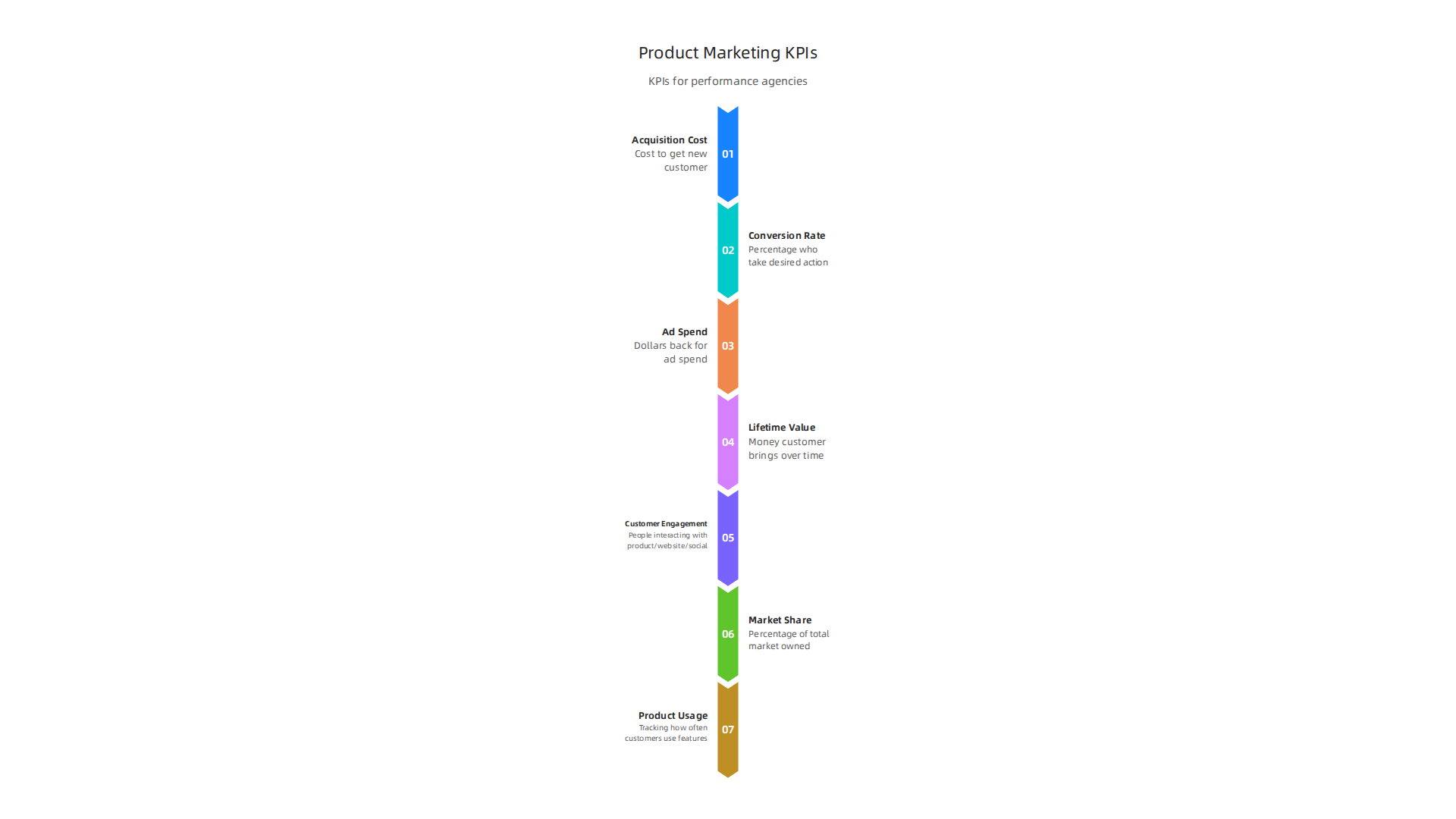
- Customer Acquisition Cost (CAC): How much does it cost to get one new customer? Lower is better.
- Conversion Rate: What percentage of people who see your product or ad actually take a desired action, like signing up or buying? Higher is better.
- Return on Ad Spend (ROAS): For every dollar you spend on ads, how many dollars do you get back in sales? This shows how profitable your ad campaigns are.
- Lifetime Value (LTV): How much money does one customer bring in over their entire time with your product? This helps you understand how much you can spend to get a new customer.
- Customer Engagement: How much are people interacting with your product, website, or social media? This can include things like how long they stay on your page or how many times they use your app.
- Market Share: What percentage of the total market does your product own? This helps you see how you’re doing against competitors.
- Product Usage: For digital products, this means tracking how often and how deeply customers use different features. This helps a product marketing agency understand what users love most about the product.
By focusing on these clear numbers, product marketing teams can work closely with performance and growth agencies to make sure their products not only get noticed but also succeed in a big way.
To truly master the constantly changing world of marketing and AI, staying updated is vital. Get clear daily AI updates and profound insights straight to your inbox with The AI Newsletter Worth Reading.
While performance and growth agencies focus on the hard numbers, other agencies specialize in telling your brand’s story. These are called creative and brand agencies. They care about how your product makes people feel and what they think about your company. For them, marketing is about creating a connection that lasts a long time, not just getting a quick sale.
4) Creative and brand agencies: when to prioritize storytelling
Creative and brand agencies help build the very heart and soul of your product. They make sure your product stands out in a crowded market by giving it a unique personality and voice. They believe that a strong story and a clear identity can make people fall in love with your brand, even before they buy anything. This kind of work is very important for long-term success.
These agencies often help with:
- Brand Strategy: They figure out what your brand is all about, what it stands for, and who it’s for. This creates a clear guide for all your marketing efforts. Learning about how brand strategy services drive media and publishing success in 2026 can show you how important this is.
- Creative Campaigns: This is where they make the ads, videos, and social media posts that catch people’s eyes and make them remember your brand. They are the artists and storytellers behind your campaigns.
- Content Creation: Beyond ads, they create all sorts of content, like website text, blog posts, and images, all designed to tell your brand’s story in a consistent way.
- Brand Identity: They design your logo, choose your brand’s colors and fonts, and make sure everything looks and feels like your brand. Strong corporate branding services that win audience trust and ad revenue in 2026 are key to making your brand instantly recognizable.
How to Evaluate Creative and Brand Agencies
When a product marketing agency looks for a creative partner, it’s a bit different from picking a numbers-focused one. You need to look beyond just sales figures and think about the quality of their ideas and their ability to tell a good story.
Here’s what a product marketing agency should consider:
- Creative Quality: Look at their past work. Does it look good? Is it fresh and interesting? Does it make you feel something? Ask for examples that are similar to what your product needs.
- Brand Strategy Experience: Do they understand how to build a brand from the ground up, or refresh an old one? They should be able to explain how their creative ideas connect to your overall business goals.
- Cross-Channel Storytelling: Can they tell your brand’s story in a way that works across many different places? This means on social media, on your website, in videos, and in traditional ads. A full service advertising agency should show how they would make your message consistent everywhere.
- Understanding Your Product and Audience: Do they really get your product and who you’re trying to reach? A good agency will ask a lot of questions to make sure they know your target customers inside and out.
- Team and Process: Who will be working on your account? How do they come up with ideas? What’s their process for getting feedback and making changes? Understanding their methods can help ensure a smooth partnership.
To properly compare different agencies, you might use a detailed evaluation process. Many companies use a scoring system to rate proposals from different agencies on specific points like their approach, experience, and creative vision. This helps make sure you pick the best fit. For example, a good marketing RFP template for 2026 often includes specific questions and a rubric to guide this decision. Using a RFP scoring template can help you compare agencies fairly by giving points for different skills and ideas they present.
Now, let’s look at agencies that focus on very specific tasks. These are specialized agencies. They are really good at one thing, like helping a new product get noticed or working with people who create popular online content. They help businesses connect with their audience in new and exciting ways.
5) Specialized agencies: product marketing, influencer, and creator partnerships
When you have a special need, you might look for a specialized agency. These agencies are experts in certain areas that are becoming very important in 2026. They help with things like making sure a new product launch goes well, or finding the right online stars (influencers and creators) to talk about your product. This is all about reaching your audience in smart, new ways. You can learn more about finding the right partners in an Expert Guide to Digital Marketing Advertising Agency Specializations and Hiring.
Here’s what these special agencies often do:
- Product Launches: A specialized product marketing agency helps introduce new products to the world. They plan everything from how to talk about the product, to who to tell, and when. They make sure people get excited about what’s coming.
- Influencer Programs: These agencies connect brands with people who have many followers on social media. These "influencers" or "creators" can show off products in a real way, making their followers want to try them. Working with a full service advertising agency that includes influencer marketing can be very effective.
- Creator Economy Strategies: This is about understanding how people make money by creating content online. Agencies help brands work with these creators, not just for one-time ads, but for ongoing partnerships. They also help creators put together strong presentations, like using the Best Media Kit Examples 2026 for Influencers and Creators.
- Audience-First Activations: These agencies focus on what your audience truly cares about. They create campaigns that grab attention by making people feel involved and excited, rather than just seeing an ad. This builds a lot of trust and real influence for your brand, which is known as What Is Earned Media And How To Build A Strategy That Earns Real Influence In 2026.
Working Together: Integration with Internal Teams
These specialized agencies don’t work alone. They team up with different parts of your company to make sure everything goes smoothly.
- Product Teams: They work closely with the people who make the product to understand it deeply. This helps them market it in the best way.
- Public Relations (PR) Teams: They talk with PR to make sure all messages about the product are clear and consistent, whether it’s an ad or a news story.
- Sales Teams: They share information with sales teams so everyone knows what’s happening with marketing efforts and how it might help sell more.
- Data Teams: They look at numbers and information with data experts. This helps them see what’s working and what’s not, so they can make campaigns even better.
For example, when you work with influencers, it’s key to have clear rules about how they talk about your brand. You’ll need an agreement that spells out everything, like how much they get paid and what kind of content they will make. Influencer marketing agreements help protect everyone involved in 2026, making sure expectations are clear for deliverables and payment terms. How much an influencer costs can vary widely, from a few hundred dollars to much more for larger campaigns, depending on their follower count and what kind of content they create. Some influencer marketing agencies might charge 15-25% extra for managing these campaigns. Knowing this helps you plan your budget.
Staying on top of these fast-changing trends, especially with new technologies, is super important for anyone in the media industry.
Get clear daily AI updates from The AI Newsletter Worth Reading.
Staying on top of fast changes, especially with new computer tools, is really important for businesses today. This is where technical and product-led agencies come in. These agencies are like super smart helpers who know all about the latest technology for marketing. They use this knowledge to make sure your product marketing is as good as it can be.
6) Technical and product-led agencies: martech, data science, and AI partners
These special agencies focus on making your marketing smarter with technology. They help you use powerful tools and information to reach your customers in new ways. Think of them as your tech experts for marketing.
Here’s what these agencies often do:
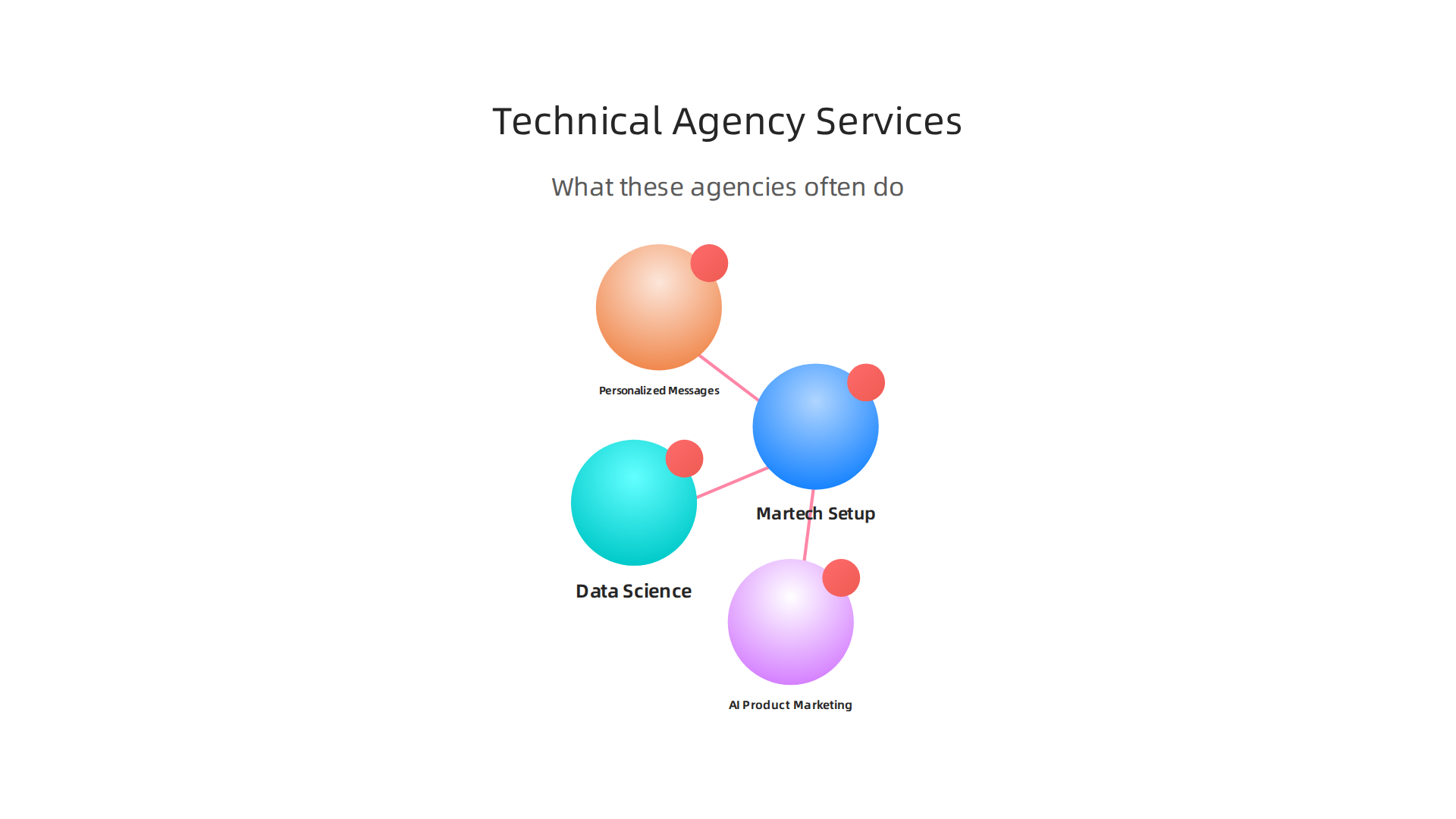
- Martech Setup and Use: "Martech" means marketing technology. These agencies help you pick, set up, and use all sorts of marketing software. This could be tools for sending emails, managing customer info, or running ads. They make sure these tools work well together and help your business grow. Many businesses are looking for better ways to connect their different marketing systems in 2026, especially as more AI tools pop up. It is key for a product marketing agency to understand this.
- Data Science for Smart Marketing: Data science agencies look at all the information your company gathers about its customers. They find patterns and help you understand what your customers like and what makes them buy. This helps you make better choices for your marketing. Understanding these numbers can really drive smarter campaigns and boost ROI in 2026.
- Personalized Messages: With data science, these agencies can help you send very personal messages to each customer. This means showing them products or information that they are most likely to care about, based on what the data says. It feels like your brand knows them, which makes them happier.
- AI for Product Marketing: Artificial Intelligence (AI) is changing everything, even how we market products. Agencies now use AI to help with many tasks, like creating content, finding target customer groups, and figuring out what your competitors are doing. AI helps marketers be more creative and efficient. Actually, AI is making big changes in every part of marketing in 2026, creating what some call "agentic ecosystems" that are very fast and smart How AI agents will reshape every part of marketing in 2026.
Agencies vs. Software Companies
When you need a technical solution, you might wonder if you should just buy the software yourself (from a vendor) or hire an agency to manage it.
- Vendors sell you the software. You and your team then have to learn how to use it.
- Agencies not only help you choose the right software, but they also use it for you, set it up, and get it working with your other tools. They bring the expertise and the people power. This can be super helpful, especially for complex systems.
Keeping Your Data Safe and Connected
Using these advanced tools means you need to be careful with your customer data. Technical agencies also help with:
- Data Governance: This means having clear rules about how customer information is collected, stored, and used. It’s about keeping it safe and following all the necessary laws.
- Data Integration: It’s important for all your marketing tools to "talk" to each other. For example, your email program should share info with your customer management system. Agencies make sure these systems are connected smoothly, which is a big trend in 2026 to avoid conflicts and quickly notice any problems Martech 2026 Trends That Favor Integration.
By working with these technical agencies, businesses can use the latest tools and smart insights to make their marketing truly powerful and effective.
Now that you know how specialized agencies can help your business with the latest technology, how do you pick the right one? Choosing a good product marketing agency is a big decision. You want a partner that truly understands your business goals and can help you succeed. Here’s a simple guide to help you make that choice.
7) How to choose: hiring criteria, RFP structure, and success metrics
To find the best product marketing agency for your needs, you need a clear plan. This plan includes asking the right questions, checking proposals fairly, and setting up how you’ll work together.
Ask Yourself These Questions First
Before you even talk to agencies, think about what you really need.
- What are your main goals? Do you want more sales, more people to know about your product, or better customer connections? Being clear helps you find an agency that matches your goals.
- What’s your budget? Knowing how much you can spend helps agencies offer solutions that fit.
- What kind of help do you need? Are you looking for a technical expert, a creative team, or a full service advertising agency?
- What kind of people do you want to work with? It’s important to find an agency whose team feels like a good fit for yours.
Using an RFP (Request for Proposal)
For bigger projects, many businesses write an RFP. This is a document that tells agencies what you need and asks them to explain how they would help you. It helps you compare different agencies fairly. A good RFP template usually has key sections, including your project goals, what you expect to be delivered, and your budget ideas. You can find a complete guide for a marketing RFP template that includes important questions and a way to score agencies in 2026, which helps in finding the right partner Marketing RFP Template: The Complete 2026 Guide.
Scoring Rubric: How to Compare Agencies
Once you get proposals back, you need a fair way to compare them. A scoring rubric is like a checklist with points. You give points to each agency based on things like:
- Their plan: How well do they plan to meet your goals?
- Their experience: Have they done similar work before?
- Their team: Do they have the right experts?
- Their cost: Is their price fair for the work they will do?
Using a scoring template, you can evaluate proposals against a set of standards to find the best match RFP Scoring Template | Excel & PDF Download. This makes sure you pick an agency based on real facts, not just feelings. Thinking about how to set up an RFP scoring system can really help you select the right partner RFP evaluation criteria: How to score and select the right ….
Try a Pilot Project
Sometimes, it’s smart to start with a small "pilot" project. This is like a test run. You give the agency a smaller task, and if they do well, you can give them bigger projects. This helps you see how they work without committing to a long-term plan right away.
Set Up for Success: Governance, Reporting, and Handover
Once you choose a product marketing agency, it’s important to set up clear rules for working together.
- Governance: This means deciding who makes decisions, how often you’ll meet, and how you’ll solve problems.
- Reporting: Agree on how often the agency will tell you about their progress and what results they’re getting. You want to see how their work is helping your business grow.
- Handover: If you ever stop working with an agency, make sure there’s a plan for them to share all the important information and work back with you. This ensures your efforts aren’t lost.
Finding the right agency is about more than just their skills. It’s about finding a partner who understands your business, helps you use smart tools, and works well with your team. To dive deeper into the process of selecting the right marketing partner, consider exploring this expert guide to digital marketing advertising agency specializations and hiring.
Staying informed about the latest technological advancements, especially in AI, is crucial for making smart hiring decisions and managing agencies effectively in 2026.
Get clear daily AI updates from The AI Newsletter Worth Reading.
Summary
This article explains why knowing different agency types matters for modern media and product teams and breaks down the roles each agency plays — from product marketing specialists to full-service, performance, creative, influencer, and technical partners. It describes core services of a product marketing agency (market research, messaging, launches, sales enablement and feedback loops), contrasts full-service vs specialist benefits, and shows how performance agencies use KPIs and experimentation to prove impact. The piece also covers creative and brand work, influencer and creator partnerships, and the rise of martech, data science and AI-led agencies. Practical hiring guidance is included: how to use RFPs, build scoring rubrics, run pilot projects, and set governance and reporting to ensure success. After reading, you’ll be able to identify which agency type fits your product goals, structure a fair selection process, and set the right metrics and integrations to get measurable results.