
Local Ads Strategies for Small Business Growth in 2026
Every day, people are looking for things they need right near them. Maybe they need a new haircut, a quick snack, or someone to fix a leaky faucet. Their attention is spread out across many websites and apps. For any small business, it’s a big challenge to reach these nearby customers at the right moment. This is why connecting with people in your local area is so important for business success.
This is where local search and local ads step in. Think of local search as how people find businesses nearby without paying for ads. This includes looking up businesses on maps or seeing them pop up in regular search results. Local ads are paid messages that show up when people search for things in their area. These ads are made to help customers find, call, or visit local shops and services. They often appear on Google Search and Google Maps, making it super easy for people to find what they need close by, as highlighted in a guide on Google Local Ad Campaigns: Proven Strategies for Success (2026).
Together, local search and local ads create a powerful way for businesses to get noticed. When someone types "coffee shop near me" or "plumber in [your town]," both organic local results and specific local ads show up. This teamwork makes sure that local businesses are found by people who are ready to buy. These ads can even include special features like phone numbers, addresses, and directions, making it simple for customers to take the next step. For any small business marketing plan, especially if you’re thinking about how online marketing companies for small business can help, using both local search and paid local ads is key to driving visits and calls. These methods help businesses not only get discovered but also see real, measurable results.
Want to stay on top of all the latest trends that can help your business thrive? The AI Newsletter Worth Reading offers clear daily AI updates.
Local search is when someone looks for information about businesses or services in a specific nearby area. It’s often called a "near me" search. When you type "pizza near me" or "dentist in Springfield" into Google, you are doing a local search. These searches are important because they show strong "local intent." This means the person is usually ready to buy or visit soon.
What makes a local search work? Search engines use signals to give you the best local results.
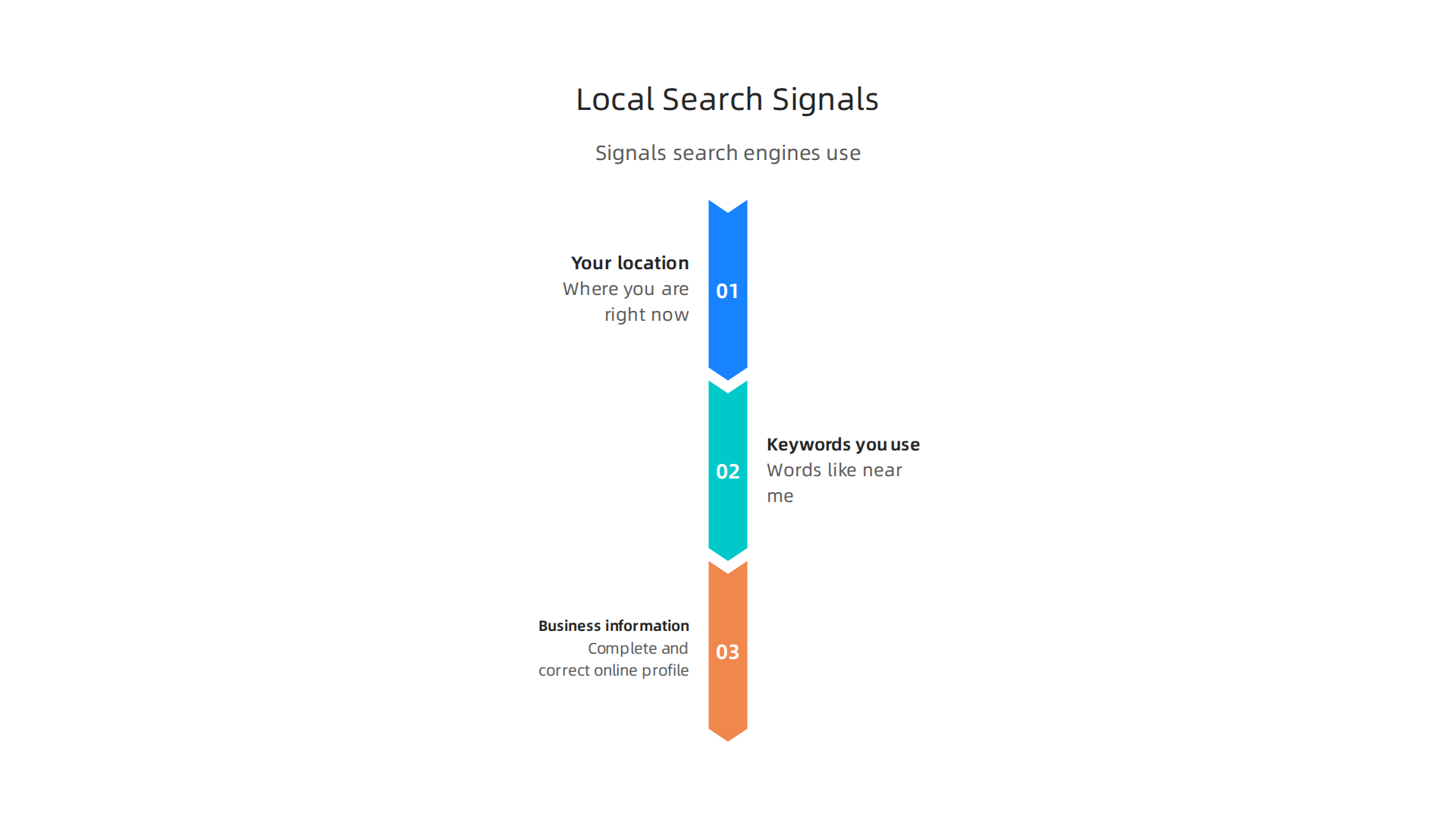
These signals include:
- Your location: Where you are right now, from your phone or computer.
- Keywords you use: Words like "near me," "in [city name]," or "open now."
- Business information: How complete and correct a business’s online profile is, including its address, phone number, and hours.
A typical journey for someone doing a local search might look like this:
- They need something, like a new tire.
- They open Google Search or Google Maps and type "tire shop near me."
- They see a list of local shops, often with maps, phone numbers, and reviews. Some of these results are regular listings, and some are paid local ads. These ads can appear as separate ads or mixed in with regular results, as Google’s guide "About Local Ads" explains.
- They click on a listing, maybe call the shop, get directions, or visit the website. This whole process is often called a local query.
For media businesses, understanding local search is super important.

- For publishers: Publishers of local news or community guides can help local businesses get found. They can offer spots for
local adsor content that highlights local shops. This helps them bring in money and also serve their local readers better. Understanding how to master SEO marketing in 2026 is key to helping these businesses. - For local advertisers: This is a direct way to reach customers who are already looking for what they offer. Using
local adsand even specificLSA ads(Local Services Ads) means paying for leads or clicks from people nearby. These types ofsem campaigns(Search Engine Marketing campaigns) are great forsmall business marketingbecause they target the right people at the right time. For example, Google Ads for local services now offers three main campaign types: Local Services Ads (LSAs) for pay-per-lead, Search campaigns for intent-driven inquiries, and Performance Max for wider reach, according to a 2026 guide on Google Ads for Local Services. - For media sales teams: They can sell these local ad solutions to businesses. Knowing how local search works helps them explain why these ads are a smart investment. It’s about showing businesses how they can get more calls, visits, and sales by appearing clearly in local search results and on maps, as outlined in "Local Search Advertising: The Complete 2026 Guide" by 2POINT.
In 2026, the world of online marketing companies for small business keeps changing, and local search is still a strong way to grow. Businesses need to make sure their information is correct everywhere online, and they should think about using local ads to get ahead of their competitors.
In 2026, there are many ways local ads can help a business get noticed. These ads appear in different places online, reaching customers who are looking for something nearby. Knowing where and what kind of ads to use is key for small business marketing.
Let’s look at the main types of local ads and where you can find them:
Local Search Ads on Google Search
These are the ads that pop up right at the top of your Google search results when you look for a local business.
- Where they appear: They often show up above the normal search results or inside the special map box, which is sometimes called the "local pack" of results. These are sponsored listings, meant to get your attention first Google increases local pack ads by 733% in three months.
- What they look like: They usually have a business name, address, phone number, and a link to the website. Sometimes they include reviews or a special offer.
- What you do: You can click to call the business, visit its website, or get directions.
- Special type:
LSA adsor Local Services Ads are a big part ofsem campaignsfor many service businesses. These ads show up at the very top of search results with a "Google Guaranteed" badge, meaning Google has checked out the business. They often work on a "pay-per-lead" model, so you only pay when a customer calls or messages you How to Set Up Local Search Ads in 2026: Proven Guide.
Map Placements
When you use Google Maps or Apple Maps, you’ll see local ads that help businesses stand out on the map itself.
- Where they appear:
- Promoted Pins: These are special pins on the map that look different from regular business pins Google Maps Ads (2026): Promoted Pins, Location Assets ….
- Map Search Ads: They show up at the top of the list when you search for something directly within the map app.
- Map Suggest Ads: These are ads that pop up as suggestions when you are looking around a certain area on the map.
- What they look like: They often feature the business logo, special colors, and short descriptions to draw attention.
- What you do: You can quickly get directions, call the business, or save its location for later.
Local Inventory Ads
If you’re looking for a specific product and want to know which local store has it, local ads can help.
- Where they appear: These ads show up on Google Search and Google Shopping results.
- What they look like: They display product pictures, prices, and tell you which nearby stores have the item in stock. They also show how far away the store is.
- What you do: You can check if the product is available in store or visit the store’s local product page online.
Directory and Listing Sponsorships
Many online directories beyond Google also offer ways for businesses to get more visibility.
- Where they appear: Websites like Yelp, Yellow Pages, and specific industry directories.
- What they look like: Businesses can pay to have their listing show up higher, have a special badge, or offer more detailed information on their profile.
- What you do: These listings make it easier for customers to find contact info, read reviews, and connect with the business.
Geo-Targeted Social Ads
Social media platforms are another powerful place for local ads.
- Where they appear: On platforms like Facebook, Instagram, and other social networks. These ads are shown to people based on their current location or places they have visited.
- What they look like: They use engaging pictures, videos, and text to show special offers or promotions to people living or working nearby. This is a great tool for
online marketing companies for small business. - What you do: You might see a "Shop Now" button, a link to "Learn More," or a way to get directions to a local store.
Understanding these different types of local ads helps businesses choose the best ways to reach customers right when they are ready to buy or visit. For more about different ways to advertise online, you can explore other types of Google Ads.
The world of advertising is always changing, especially with new AI tools that help make ads even better. If you want to keep up with these fast changes in AI and technology that affect the media world, you should definitely sign up for The AI Newsletter Worth Reading from The Deep View Newsletter.
The different kinds of local ads we talked about earlier are super helpful. But they work even better when you combine them with your unpaid efforts. Think of it like this: you want people to find your business easily, whether they are searching or just looking around. This means using both "organic" (free) ways and "paid" ways to get noticed.
Organic Local Search
Organic local search is about helping your business show up naturally in search results without paying directly for each click. This includes things like:
- Google Business Profile: This is a free listing for your business on Google. It shows your address, phone number, hours, and pictures. Making sure this information is correct and updated is very important. Businesses with good, complete profiles show up more often.
- Local SEO: This means making your website and online presence friendly for local searches. It includes using keywords that people in your area might search for, like "best coffee shop [your city name]".
- Reviews: When customers leave good reviews, it tells Google that your business is trusted and helpful. More good reviews mean you might appear higher in local search results.
These organic efforts build a strong foundation. They help people find you when they are not looking for an ad, and they build trust over time.
Paid Local Ads
Paid local ads, like the ones we discussed, give you an instant boost. They put your business right in front of people who are actively looking for something you offer, right now. This is where sem campaigns come in.
- Quick Visibility:
LSA adsor local search ads, for example, place your business at the top of Google search results or on maps. This means people see you first. - Targeted Customers: These
local adslet you show your offers only to people in a certain area. This way, you spend your money on customers who are likely to visit your store or use your service. - Special Offers: You can use paid
local adsto highlight special deals or new products, getting people to act fast.
How They Work Together
The best small business marketing plans use both organic and paid tactics. They don’t just pick one. Here’s why and how they combine:
- Organic Makes Paid Better: If your Google Business Profile is complete and has lots of good reviews, your
local adswill likely do better. People are more likely to click on an ad from a business they trust. - Paid Drives Organic Growth:
Local adsbring new customers to your door. If these customers have a great experience, they might leave a review, which then helps your organic search ranking. It’s a win-win.

- Full Coverage: By doing both, your business shows up in many places. People might see your organic listing, then an ad, then your listing on a map. This makes your business look more established and reliable.
Online marketing companies for small businessoften focus on this blended approach to ensure you get seen everywhere.
Using both strategies helps your business dominate local searches and reach more potential customers. For example, using LSA ads to get quick leads while also encouraging reviews on your Google Business Profile is a smart move. Many experts suggest using targeted advertising layers, including location radius and audience preferences, to get the most out of your sem campaigns Local Search Advertising: The Complete 2026 Guide.
To learn more about how to make the most of local directory sites, check out our guide on Mastering Yelp Ads for Local Business Growth in 2026.
Using both organic and paid efforts helps your business be seen everywhere. But to make your paid local ads work best, you need to be smart about who you show them to, how much you pay, and how you check your results. This is where good targeting, bidding, and measurement come in for your sem campaigns.
Targeting, Bidding, and Measurement for Local Ads
When you run local ads, you’re not just throwing money out there. You’re carefully deciding who sees your ad and when. This careful planning helps your small business marketing budget go further.
Finding Your Customers with Smart Targeting
First, you want to show your ads to people who are truly near your business. There are a few ways to do this:
- Radius Targeting: This means drawing a circle around your business address. You decide how big the circle is, like 5 miles or 10 miles. People within that circle are more likely to see your ad. For most local businesses, it’s best to set your target to "People in this location," not "People in or who show interest in this location." This makes sure you’re reaching actual nearby customers Google Ads for Local Businesses in 2026: Strategy Guide.
- Geofencing: This is like a more exact fence around a specific area, such as a shopping center, a neighborhood, or even a competitor’s location. This can be great for reaching very specific groups of people when they are in certain spots.
- Audience Layering: You can make your targeting even better by adding more layers. This means not just where people are, but who they are. You can target people based on things they like, what they search for online, their age, or even if they have visited your website before. For example, you might target people in a 5-mile radius who also search for "new coffee shops." Some
online marketing companies for small businessare even using AI to make geo-targeting smarter and more exact in 2026 Local Business Geo-Targeting Ads with AI: Complete 2026 ….
Bidding for Success
After you pick your target audience, you need to decide how much you’re willing to pay for clicks or views. This is called bidding.
- Setting Your Budget: It’s important to have a daily or monthly budget that you stick to.
- Bidding Strategies: You can tell the ad platform to automatically bid for you to get the most clicks or conversions, or you can set bids yourself. Experts often suggest bidding more aggressively in your most important local areas to get more visibility Best Google Ads Strategy for Local Businesses in 2026. Using "smart bidding" features can help you get more value for your money.
Measuring What Matters
Once your lsa ads are running, you need to check if they’re actually working. For local ads, measuring "offline conversions" is very important. This means tracking actions that happen in the real world, like:
- Store Visits: How many people saw your ad and then came to your physical store?
- Phone Calls: How many people called your business after seeing your ad?
- Directions Requests: How many people asked for directions to your business?
You also want to look at key numbers like:
- Cost Per Acquisition (CPA): How much does it cost you to get one new customer or lead?
- Click-Through Rate (CTR): How many people click your ad compared to how many see it?
- Return on Ad Spend (ROAS): How much money do you make back for every dollar you spend on ads?
By comparing your numbers to others in your industry, you can see how well your local ads are doing. In 2026, many businesses look at benchmarks to improve their performance Local Business Google Ads Benchmarks 2026. Understanding these metrics helps you make smart choices for your sem campaigns and grow your business. If you want to dive deeper into how numbers can drive better campaigns, exploring analytic marketing drive smarter campaigns and boost ROI in 2026 can provide helpful insights.
Keeping up with all the new ways to do local ads can be a lot. It means understanding how to use new tools and strategies. For daily updates on AI and technology that helps media and marketing pros, check out The AI Newsletter Worth Reading.
Creative and messaging best practices for local audiences
After you know who to show your local ads to and how much to pay, the next big step is making sure your ads look and sound good. What your ad says and how it looks can make a big difference in whether local people choose your business. This is where clever creative and messages come in.
Making Ads Speak to Your Neighborhood
Think about what makes your local area special. Your ads should feel like they belong there.
- Local Offers: Give special deals just for people nearby. Maybe it’s "10% off for new customers in our neighborhood" or "Free coffee for locals this week." This makes people feel like they’re getting something just for them.
- Local Language and Images: Use words and pictures that local people will understand and connect with. Show landmarks, local events, or even people from the community in your ads. Make sure your message talks about benefits that matter to people in your specific area.

- Show Your Store Info: Always include your business address, phone number, and even a small map or directions link. For
small business marketing, making it easy for people to find you is key.
Smart Ads That Change for Everyone
In 2026, many businesses use "dynamic creative." This means your ad can change its pictures, words, or offers by itself to fit each person who sees it. It’s like having many different ads all in one. For example, one person might see an ad with a picture of coffee if they often search for cafes, while another sees an ad for sandwiches. This is powered by AI and helps make sem campaigns much more personal. To learn more about setting up these changing ads, you can read about How to Automate Ad Personalization in 7 Steps. This way, your local ads are always showing the most helpful message to the right person at the right time. AI-powered tools are now very good at making these personalized ads, saving you time and money and leading to better results AI for Ad Personalization: Dynamic Creative Optimization at.
Testing What Works Best
You should always try out different ads to see which ones local people like most. This is called testing.
- Try Different Headlines: Change the main words at the top of your ad. Do people like hearing about a "Big Sale" or "Fresh Local Produce"?
- Test Pictures and Videos: See if photos of your team or short videos of your shop work better than product pictures.
- Different Offers: One offer might bring in more people than another. Try a few to find the winner.
- Local Keywords: Use specific words that people in your area might search for, like "best pizza downtown" or "hair salon main street."
By testing, you learn what catches the eye of your local customers and brings them in. If your small business marketing needs extra help with creative strategies, looking into an expert guide to digital marketing and advertising agency specializations can help you find the right support. This keeps your lsa ads fresh and effective, making sure your business stands out.
Now that your ads look and sound great for your neighborhood, the next big question is: how much money should you spend, and where? This is about figuring out your budget and choosing the right places, or "channels," to show your ads. It’s a key step for any small business marketing plan, deciding if you should focus your money on local ads or try to reach a wider audience across the country.
Deciding Where to Put Your Money: Local or National?
Thinking about where to spend your ad money is like choosing between watering a small garden or a big field. Both need water, but the amount and tools you use are different.
For many small businesses, putting money into local ads just makes sense. If you own a coffee shop, a barber, or a repair service, most of your customers come from nearby. Spending a lot of money on national ads would mean reaching many people who can’t even visit your store. For businesses like these, checking out Local Business Google Ads Benchmarks 2026: CPA, CTR, ROAS & More can help you understand what kind of results to expect from your local advertising efforts.
However, if your business sells things online that can be shipped anywhere, or if you offer services that aren’t tied to a specific place, then a national campaign might be a better choice. It lets you reach more people and grow bigger.
Important Things to Think About for Your Ad Budget
When you’re making these choices, there are a few key things to keep in mind:
- How Long It Takes to See Results (Attribution Windows): This is how long you wait to see if an ad worked. For
local ads, people might see your ad and visit your store the same day. For bigger, national campaigns, it might take longer for someone to decide to buy. Knowing this helps you judge if your money is well spent. - Seasons and Holidays (Seasonality): Your ads might work better at different times of the year. A local ice cream shop will likely see more business in summer, so their
local adsbudget might be higher then. A national toy company will spend more before major holidays. Always think about what time of year is best for your business to advertise. - Different Local Areas (Local Market Heterogeneity): Even within a small region, different neighborhoods can have different needs. An ad that works well in one part of your town might not do as well in another. You might need to adjust your
sem campaignsand messages for each area. This is where getting insights into Transaction-Level Local Ad Market Benchmarks can be very helpful. - Privacy Rules and Location Data: In 2026, rules about using people’s location data for ads are very important. The Supreme Court recently made a big ruling about protecting location information, meaning businesses need to be careful how they use it for targeting
local adsSupreme Court’s Landmark Chatrie Privacy Ruling Raises Stakes for Location Data. States like California and Oregon also have their own strict privacy laws regarding geolocation data. It’s smart to stay updated on these rules to make sure yourlsa adsare both effective and lawful. You can learn more about privacy and location data by reading about US State Privacy Laws 2026: What Marketing Teams Must ….
Choosing the right mix of channels, whether it’s social media, search engines, or other platforms, is also vital. You can explore different options for your business by looking at various advertising channels in 2026.
If all this budgeting and channel planning feels like a lot, many small business marketing teams look for help. Finding expert online marketing companies for small business can give you the support you need to make smart choices without feeling overwhelmed. Staying informed on these topics, especially with new tech like AI, can make a big difference.
Get clear daily AI updates from The AI Newsletter Worth Reading.
Staying updated on new tech like AI is more important than ever for small business marketing. In 2026, AI and automation are changing how local ads work, and new privacy rules are making us think differently about location data.
Emerging Trends: AI, Automation and Privacy Impacts on Local Ads
Imagine your ads getting smarter all by themselves. That’s what AI is doing for local ads. It’s helping businesses create ads that feel more personal to each customer. AI tools can make different versions of an ad, like changing the words or pictures, so the right message reaches the right person. This is called creative personalization. For example, AI can help with how to automate ad personalization in many steps.
AI also makes sem campaigns and other local ads work better by handling the hard parts of advertising. It can figure out the best time to show an ad and how much to pay for it, all on its own. This is called automated bidding. Platforms like Google Ads and Meta are using AI to make ads more effective, even planning to fully automate advertising with AI by 2026. This means small business marketing teams can get better results without spending all their time on small details. If you’re looking to use this new tech, you might want to choose the best AI marketing agency for your business.
But with all this new tech, privacy rules are also changing how we use location data for lsa ads and other local ads. In 2026, there’s a lot of focus on protecting people’s location information. The Supreme Court recently made a big decision saying that tracking a phone’s location is private, and law enforcement needs special permission for it. This is a major privacy win for people’s data.
On top of this, states like California and Oregon are creating even stricter laws about how businesses can use location data. For instance, California has strengthened privacy protections, including for location data, especially around health care services California Strengthens Privacy Protections for Health and Location Data. These changes mean that businesses need to be very careful and clear about how they collect and use people’s location information for ads. It’s important to keep up with what to expect for 2026 data privacy laws to make sure your local ads are not just smart, but also legal and respectful of privacy. It’s a new world for digital marketing platforms in 2026 and advertisers must learn to navigate it wisely.
Summary
This article explains how local search and local ads help small businesses reach nearby customers at the moment they’re ready to buy. It covers what local search is, the main types of local ads (search, map placements, local inventory, directory sponsorships and geo-targeted social ads), and how organic work like Google Business Profile and reviews complements paid campaigns. You’ll learn practical targeting methods—radius targeting, geofencing and audience layering—plus bidding tactics, key metrics (CPA, CTR, ROAS, store visits and calls), and how to measure offline conversions. The guide also gives creative tips for local messaging, using dynamic AI-driven creative, and A/B testing offers and images. Finally, it walks through budget decisions (local vs. national), seasonal and market differences, and the rising importance of privacy rules and AI automation in 2026 so you can run effective, legal local campaigns.