
How to Choose an Online Marketing Company for Media Professionals
Introduction
The global digital marketing agency market is massive and growing fast. In 2026, it is estimated at over USD 8.27 billion, according to recent research on the digital marketing agency market size. That number tells you something important.
Online marketing companies are no longer just a nice option. They are essential for media professionals who want to keep up with rapid digital change and stay competitive.
But here is the problem. The landscape is crowded. There are thousands of online marketing companies out there, each one promising amazing results. How do you pick the right partner? It can feel overwhelming.

You might worry about wasting your budget or choosing a firm that does not understand your business.
That is where this guide helps. We put together a simple, structured framework to help you evaluate, select, and work with top digital marketing firms. Whether you need marketing services for a small business online or for a larger media operation, this guide gives you a clear path forward.
For more on what to look for, read our tips on how to vet a media agency.
We also recommend staying informed about the latest trends. For daily updates on AI and tech that affect the media world, check out The AI Newsletter Worth Reading from The Deep View.
This approach will help you make smarter decisions and drive real growth. Let us dive in.
Understanding the Online Marketing Company Landscape
Before you pick a partner, it helps to know what kinds of online marketing companies are out there. The market is not one-size-fits-all. In 2026, you will run into three main types.
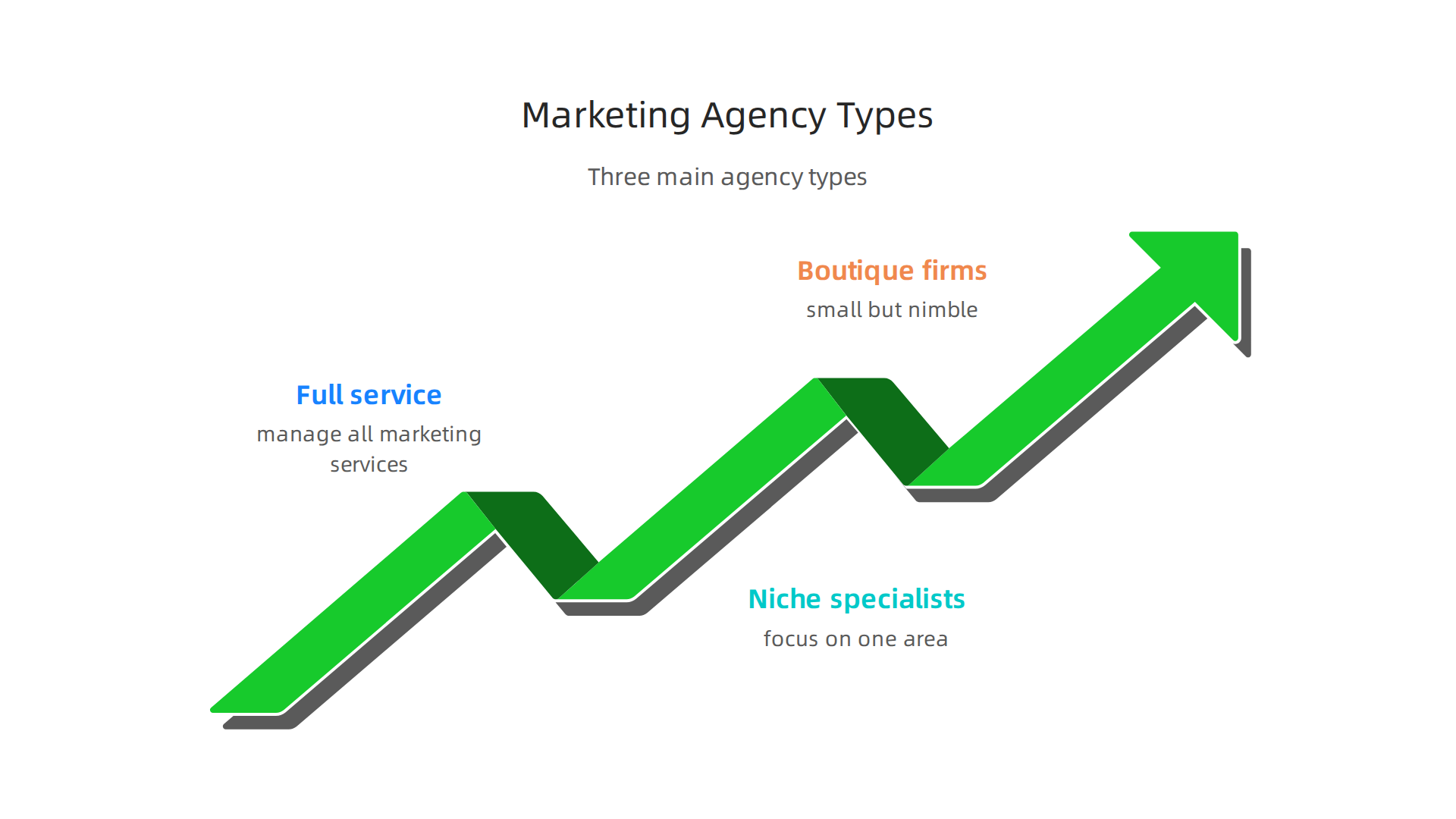
Full-service agencies handle everything. SEO, paid ads, social media, email, content creation, you name it. These firms are great if you want one team to manage all your marketing services under one roof. According to a recent digital agency industry report for 2026, North America alone now has over 71,000 digital agencies. That is a lot of competition. Full-service agencies tend to be larger and serve bigger clients.
Niche specialists focus on one area. Maybe they only do paid search or only do content marketing. These shops go deep. They know the latest tricks in their lane. If you need something very specific, like programmatic advertising for publishers, a niche player might be your best bet.
Boutique firms are small but nimble. They often pair you with senior people, not junior staff. They can move fast and try new things. For small business online marketing needs, a boutique firm can give you personalized attention that a giant agency cannot.
The landscape has changed a lot in recent years. Big companies have been buying smaller agencies to fill gaps in their services. At the same time, a new wave of AI-native agencies has appeared. These firms were born after tools like ChatGPT and Midjourney became mainstream. They use AI at every step, from planning to creative to reporting. That is a big shift from older agencies that are still learning how to use AI.
Geography used to matter more. Many top digital marketing firms are still based in the US, UK, and Canada. But remote work is now standard. You can hire an excellent team in Chicago, London, or Bogota. Location is less important than fit and expertise.
Understanding these types helps you narrow your search. Next, we will look at what questions to ask when evaluating potential partners. For now, check out our guide on digital marketing platforms in 2026 to see how tools affect agency choices.
Core Services vs. Specialized Niches: What Media Professionals Need
Now you know the types of online marketing companies out there. But which one actually fits your media business? The answer depends on whether you need broad marketing services or deep expertise in a specific channel.
Full-service agencies promise the whole package. They handle your SEO, paid ads, social media, email, and creative all under one roof. For a media company launching a new brand or entering a new market, that integration can be a big time saver. You get one team, one strategy, one monthly report. The downside? These firms often spread their talent thin. They may not have a specialist who truly understands the unique challenges of media publishing, programmatic ad operations, or audience development. According to the latest digital marketing agency pricing in 2026, mid-market retainers range from $1,500 to $10,000+ per month. That price often buys broad coverage, but not deep expertise.
Specialized firms go deep on one thing. Maybe they focus only on SEO for publishers. Maybe they only run programmatic advertising for media sites. These shops live and breathe that one channel. They know the latest algorithm updates, the newest ad formats, and the exact metrics that matter to you. For small business online marketing needs in media, a specialized firm can often deliver a higher return on investment because they don’t waste time learning your industry. They already know it.
Here is the real question: should you pick a generalist or a specialist? It comes down to three things.
- Your organization’s maturity. A startup media brand might need full-service support to get off the ground. An established publisher might only need help with one struggling channel.
- Your budget. Full-service retainers can eat up your entire marketing budget. A specialized retainer might leave room for other tools and in-house talent.
- Your growth stage. If you are scaling fast, you may need the deep expertise of a specialized agency to move the needle on a specific metric like ad revenue or organic traffic.
Top digital marketing firms often position themselves somewhere in the middle. They offer a core set of services but have specialist teams inside. The trick is asking the right questions during the vetting process.
For example, if your media company depends on search traffic, you want an agency that has proven results in SEO marketing in 2026. If you need to buy programmatic ads at scale, you want a paid media specialist, not a jack-of-all-trades.
The landscape keeps shifting. AI is changing how agencies deliver services. Specialized firms that adopt AI early can offer faster, cheaper, and more accurate work. That is something to watch for when you compare partners.
Staying ahead of these changes matters. That is why many media professionals subscribe to industry newsletters that track the intersection of AI and media. If you want daily, clear updates on how AI is reshaping marketing and media, consider The AI Newsletter Worth Reading from The Deep View. It is a simple way to keep your finger on the pulse without drowning in information.
Evaluating Expertise and Industry Experience
So how do you actually know if an online marketing company has what it takes to help your media business? You cannot judge a book by its cover, and you cannot judge an agency by its homepage either. You need to dig into the evidence.

Start with case studies. A quality agency will show you real results from media and publishing clients. You want to see actual numbers: organic traffic growth, ad revenue increases, audience retention rates, and conversion improvements. If their examples come from ecommerce or local services instead of media, that is a red flag. They may not understand your specific challenges around content monetization, programmatic ad ops, or subscription growth.
Client testimonials matter too, but look past the generic praise. You want to hear from someone in a similar role at a similar sized media company. Ask for a direct referral. A confident agency will happily connect you with a current or past client. If they hesitate, that tells you something.
You also need to look at team credentials. The best top digital marketing firms in 2026 invest in certifications that matter for media. Look for Google Ads certifications, Google Analytics expertise, HubSpot accreditations, and proof of thought leadership. Are their team members speaking at media conferences? Publishing industry analysis? Those signals show genuine depth. According to the latest digital marketing agency pricing guide from Clutch, agencies with verified expertise and strong client reviews tend to command higher rates because they deliver measurable results.
Here is a quick checklist for your vetting process:
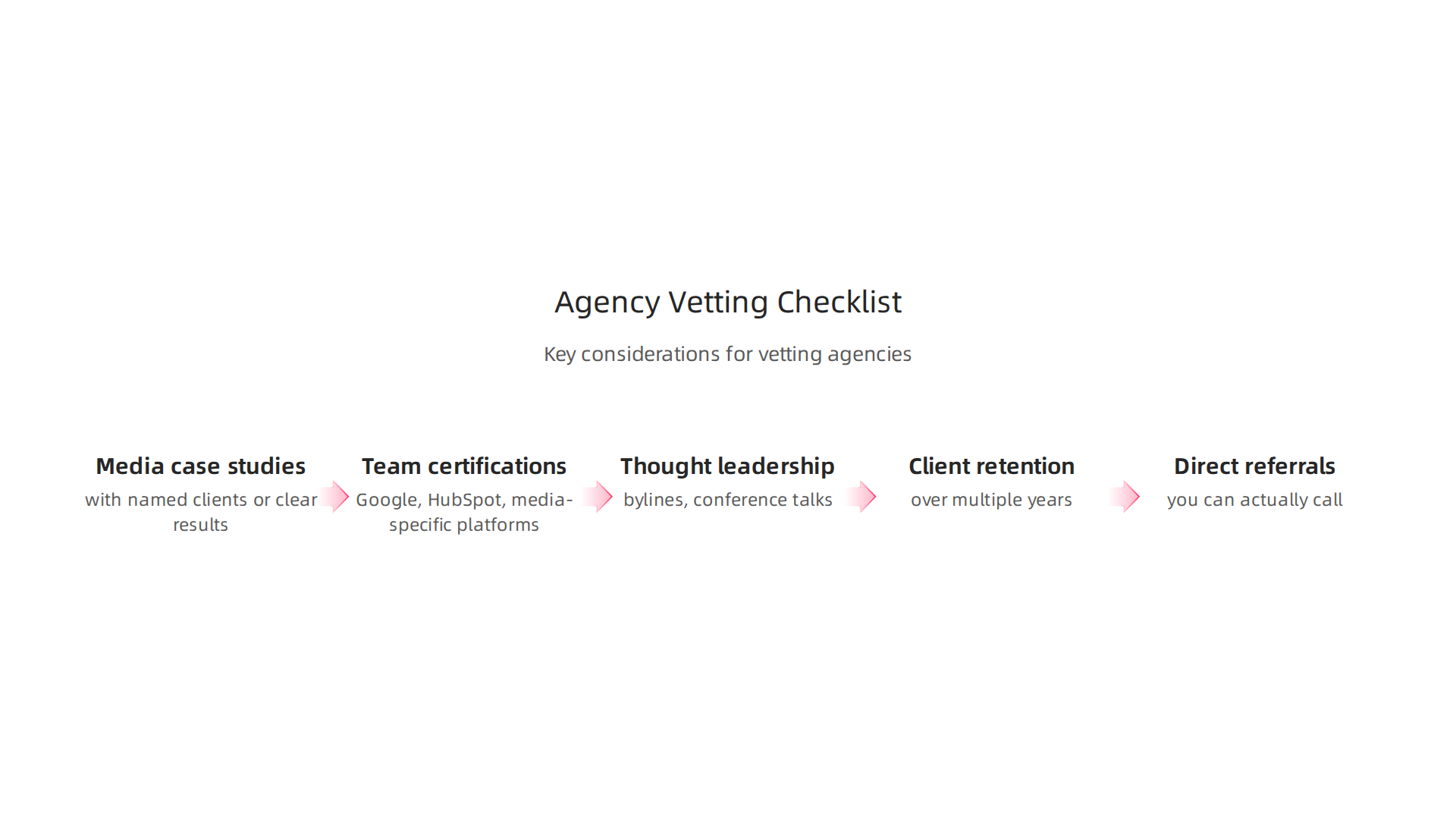
- Media-specific case studies with named clients or clear anonymized results
- Team certifications in Google, HubSpot, and media-specific platforms
- Thought leadership like bylines, conference talks, or original research
- Client retention rate over multiple years
- Direct client referrals you can actually call or email
One more thing. In 2026, a proven track record with AI integration is a major differentiator. The best agencies are not just using AI for content generation. They are using it for audience segmentation, predictive analytics, and ad optimization at scale. Ask specific questions about how the agency uses AI in their workflow for media clients. The answers will separate the real experts from the pretenders.
If you want a deeper look at what to ask during your agency vetting calls, check out this practical guide on how to vet a media agency. It covers the exact questions you need to ask about certifications, past performance, and media-specific expertise.
The Role of AI and Data in Modern Marketing
Talking about credentials is one thing. But in 2026, a huge part of evaluating online marketing companies comes down to how they use technology. AI and data are not just buzzwords anymore. They are the engine behind almost every smart marketing decision.
Here is what that means for your media business.
AI tools now make hyper-personalization possible at scale. Instead of sending the same newsletter to every subscriber, an agency can use AI to tailor content based on reading habits, topic preferences, and even the time of day someone opens emails. The same goes for ads and on-site recommendations. According to the AI in Marketing Statistics Summary Table, AI content drafting delivers a 3.2x return on investment, making it the highest ROI application of AI in marketing right now.
Predictive analytics is another game changer. Good agencies use AI to forecast which stories will perform best, which audience segments are likely to convert, and where ad spend will generate the highest returns. This is not guesswork. It is data-driven strategy that saves money and boosts results.
But data comes with serious responsibility. Privacy regulations like GDPR in Europe and CCPA in California are strict. Any agency you hire must prove they handle audience data ethically and comply with these laws. If an agency cannot explain how they manage consent, data storage, and opt-out requests, that is a red flag. The best top digital marketing firms make compliance a core part of their pitch, not an afterthought.
The winning formula combines AI speed with human judgment. Tools can crunch numbers and draft content, but they cannot replace the strategic thinking of an experienced media marketer. Agencies that balance automation with human creativity are the ones that deliver real growth for media clients.
If you want to see how AI fits into a complete performance marketing plan, this guide on performance marketing 2026 breaks down the tactics step by step.
And because AI is evolving so fast, staying informed is essential. The AI Newsletter Worth Reading gives you clear daily updates on what matters most for media professionals.
Budget, ROI, and Contract Models That Work
So you have found a few promising online marketing companies. Now comes the tricky part. How much will this cost? And how do you make sure you get real value for every dollar?
Let me break down the common pricing models so you can compare them fairly.
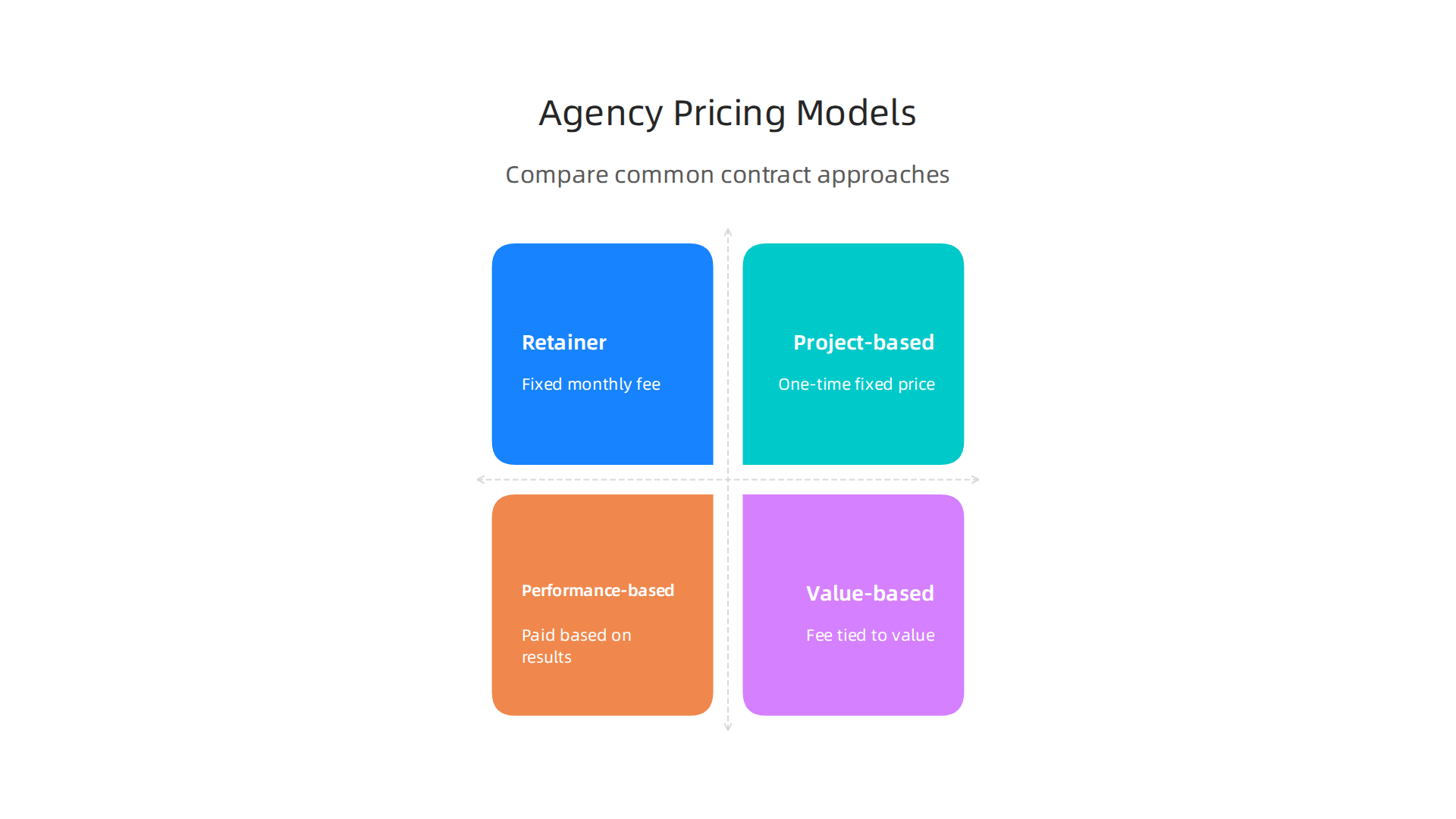
Retainer model is the most traditional. You pay a fixed monthly fee for a defined set of marketing services. This works well when you need consistent support, like ongoing content creation and social media management. The downside? You pay the same amount even in slow months.
Project-based pricing is better for one-time jobs. Think launching a new website, running a seasonal campaign, or creating a media kit. You agree on a fixed price for a specific deliverable. Simple and clean.
Performance-based pricing is becoming more popular among top digital marketing firms, especially in media. The agency gets paid based on results, like cost per lead or return on ad spend. This aligns their success with yours. But it requires very clear tracking and trust.
Value-based pricing is newer for small business online marketing. Here, the fee is tied to the value the agency delivers, like a percentage of new revenue generated. High risk, high reward for both sides.
Here is the thing. Media companies usually prefer flexible contracts that scale with campaign success. A rigid 12-month retainer might not fit when audience trends shift overnight. Look for agencies that offer quarterly reviews and performance clauses.
Setting clear KPIs upfront is non-negotiable. Without a measurement framework, you cannot know if the partnership is working. According to the State of AI in Marketing (2026) report, 68% of businesses see increased content marketing ROI from AI when used strategically. But that only matters if you are tracking the right metrics from day one.
Define what success looks like before signing anything. Is it audience growth? Ad revenue? Email subscribers? Conversion rates? Agree on specific numbers and reporting cadence.
If you want to see real examples of flexible marketing plans that drive growth, check out these growth marketing initiatives that work in 2026. They show how smart budgeting combined with the right contract model produces consistent results for media businesses.
Red Flags and Due Diligence: Avoiding Costly Mistakes
Even the best contract model falls apart if you choose the wrong partner. So how do you separate trusted online marketing companies from agencies that waste your budget?
Let me walk you through the warning signs that should make you pause.
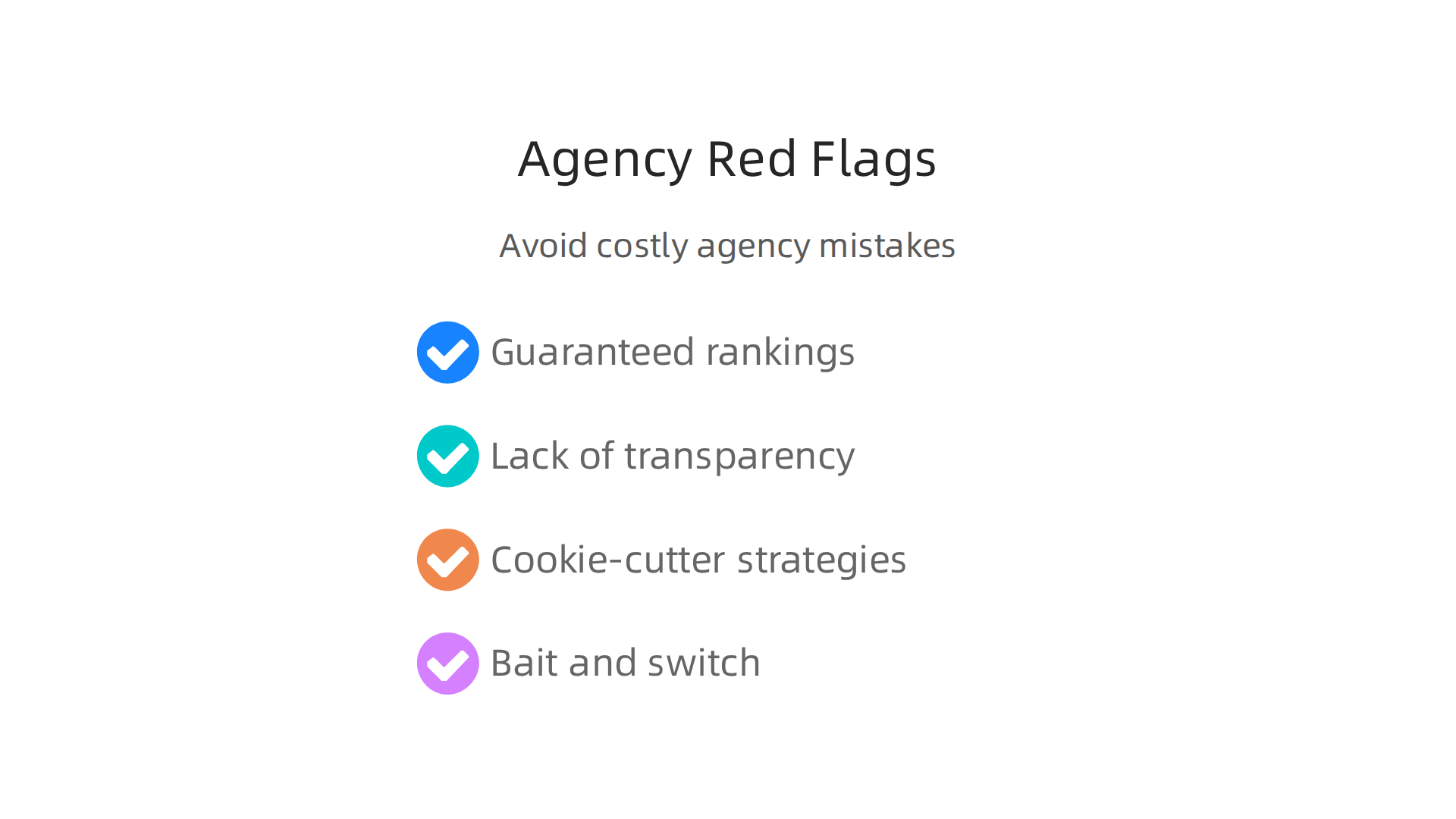
Guaranteed rankings or instant results. No ethical agency can promise a #1 Google spot or overnight sales. Search engines change constantly, and true growth takes time. If an agency makes bold claims without data to back them up, walk away. As one industry expert explains, looking for 10 red flags to look for in your digital marketing agency includes watching out for vague promises and a lack of case studies.
Lack of transparency. You should know exactly where your money goes each month. Red flags include unclear reporting, hidden fees, and communication that only happens after you chase them down. A quality agency provides clear dashboards and regular check-ins without you asking.
Cookie-cutter strategies. If an agency recommends the same plan for every client, they are not listening to your unique audience. Your marketing services need to fit your brand, goals, and market position. A one-size-fits-all approach rarely works for small business online marketing or larger media companies.
Bait and switch on the team. The senior experts who pitch you may vanish after you sign. Instead, junior staff handle your account while you never see the leaders again. Ask who will work on your account daily and request to meet them before committing.
Due diligence you can do today
First, vet references. Ask for three current or past clients in your industry. Call them and ask about results, communication, and whether they would hire the agency again.
Second, check online reviews across platforms like Google Business, Clutch, or G2. Look for patterns. A single bad review is normal. Many complaints about the same issue are a warning.
Third, request a trial period. Many top digital marketing firms offer a short pilot project so you can test their work before signing a long contract. If they refuse, that is itself a red flag.
For a deeper look at what to expect during the evaluation process, check out this guide on how to vet a media agency. It covers certifications, client fit, and real questions to ask.
Remember, hiring the wrong agency costs you more than money. It costs you time and momentum. Take the extra week to verify everything.
Staying informed about industry shifts helps you ask smarter questions during vetting. For daily insights that keep you ahead of AI and media trends, check out The AI Newsletter Worth Reading. It delivers clear updates straight to your inbox.
Case Studies and Client Success Stories
Knowing the red flags is half the battle. The other half is seeing what real success looks like.

Let me share three examples of media companies that found the right online marketing companies and turned their growth around.
Media Startup That Doubled Traffic in 90 Days
A niche publishing brand focused on sustainability news hired a boutique agency specializing in small business online marketing. The agency did not promise overnight rankings. Instead, they spent the first month auditing the site’s content, fixing technical SEO gaps, and finding untapped organic keywords. The result was a 110% increase in organic traffic within three months. The key was the agency’s willingness to test and pivot based on data, not guesswork. This aligns with what experts say: a good agency should be able to share multiple client references from your industry. If they cannot, you should ask why. As one guide explains, checking for clear success stories and client references is a basic due diligence step before committing.
Mid-Size Publisher That Boosted Ad Revenue by 40%
A regional media company with 200,000 monthly readers wanted to improve monetization without hurting user experience. They partnered with a full-service firm that offered marketing services across content, email, and programmatic ads. The agency ran A/B tests on ad placements, optimized email send times, and introduced sponsored content that matched the publisher’s tone. Revenue jumped 40% in six months. The takeaway? This partnership worked because the agency treated the publisher’s audience as their own. They did not use cookie-cutter tactics. If you are looking for similar results, remember to ask agencies how they customize their approach for each client. Unused internal link opportunity: consider reading about growth marketing initiatives that work in 2026 to see which tactics drive real results.
Boutique Agency Helping a Local News Site Build Community
A small hyperlocal news site had limited budget but big ambitions. They hired a small agency focused on top digital marketing firms for local businesses. The agency built a simple email newsletter, created local SEO pages, and ran targeted social ads. Subscribers grew from 2,000 to 15,000 in a year. The lesson here is that great online marketing companies do not need huge budgets. They need smart strategy and close communication. The agency’s founder personally attended weekly calls and adjusted tactics as the news site grew.
Common Threads Across Success Stories
Across all three examples, the same patterns appear:
- The agency invested time to understand the client’s unique audience.
- Reporting was clear and frequent, so the client always knew what was working.
- Strategies were tested and iterated, not set in stone.
- The agency did not overpromise. They set realistic timelines and beat them.
If you are currently evaluating partners, these case studies give you a benchmark. Look for agencies that can show you similar results from companies like yours. And if they cannot, treat it as a warning. For a deeper look at what separates great agencies from average ones, check out this article on affordable digital marketing for media businesses in 2026. It covers practical tactics that smaller publishers use to compete with bigger players.
Future Trends and Preparing for 2027
The case studies you just read show what great partnerships look like today. But here is the thing. The media landscape is shifting fast. What works now might not work next year. So how do you choose online marketing companies that will still deliver results in 2027?
Let me walk through three big changes coming your way.
AI will automate the boring stuff
By 2027, AI will handle many routine marketing tasks. Things like basic reporting, ad bidding, and even first-draft content creation. Smart agencies already use AI to free up human time for creative strategy. The best top digital marketing firms will invest in strategy and data ethics, not just automation. They will know when to let AI run and when to step in. That balance matters. If you are vetting agencies in 2026, ask them how they use AI today. Look for a clear philosophy, not just a flashy tool. For a deeper dive into what is actually changing right now, check out these digital marketing trends and predictions for the current year.
New search and immersive experiences
Voice search is no longer a novelty. People ask their phones and smart speakers questions every day. AR and VR are moving from gaming into real marketing. Imagine a publisher letting readers try a product in their living room through their phone. That is already happening. Privacy-first advertising is also becoming the standard as cookies fade away. Agencies that master these areas will have a huge edge. And media companies that partner with forward-thinking online marketing companies will capture audiences early.
How to prepare right now
Here is what you can do today to pick a partner ready for 2027.
First, ask agencies how they approach privacy and first-party data. If they do not have a clear answer, keep looking.
Second, check if they experiment with new formats like immersive ads or voice-optimized content. Even a small test shows they are paying attention to trends.
Third, look for agencies that treat AI as a tool, not a replacement. The best marketing services combine machine speed with human judgment.
If you want to stay ahead of these shifts, getting smart about AI is a great first step. That is why I recommend The AI Newsletter Worth Reading. It delivers clear daily AI updates straight to your inbox. No fluff, no hype. Just practical insights that help media professionals like you make better decisions about technology and strategy. You can sign up at The AI Newsletter Worth Reading.
Also, understanding how AI changes performance marketing can help you spot agencies that truly know their stuff. This guide on performance marketing trends for 2026 covers the exact tactics forward-looking agencies are adopting right now.
The agencies that thrive in 2027 will be the ones preparing today. Your job is to find them before your competitors do.

Summary
This guide helps media professionals evaluate, select, and work with online marketing companies by breaking a cluttered market into clear choices and action steps. It explains the main agency types—full‑service, niche specialists, and boutique firms—and shows when each fits a media business based on maturity, budget, and growth stage. The article walks through vetting criteria (case studies, team credentials, client referrals), how AI and data change service delivery, and practical contract and pricing models you should expect. It flags common hiring mistakes, gives a due‑diligence checklist and pilot options, and shares short case studies that illustrate measurable results. Finally, it outlines future trends to watch so you hire partners who will still perform in 2027, helping you pick agencies that deliver measurable audience and revenue growth.