
Experiential Marketing 2026 Drives 85% Higher Purchase Intent
Introduction: Why Experiential Marketing Demands Your Attention Now
Do you ever feel like people scroll past your ads without a second thought? You are not alone. Traditional advertising is losing its grip. Audiences want more than a 30-second spot or a banner image. They want to feel something real.
That is why experiential marketing has moved from a nice-to-have to a critical driver of brand growth and customer loyalty in 2026.
The numbers back this up. The global experiential marketing service market is valued at $55.53 billion in 2026 and is expected to reach $71.22 billion by 2035, according to an experiential marketing market report from Business Research Insights. That growth is not random. Brands that integrate experiential experiences now capture 38% of the marketing services industry’s share, surpassing digital at 35%. This means experiences are no longer a side experiment. They are the main event.
So what is changing? In 2026, the convergence of technology, data, and hyper-personalization is redefining what immersive brand experiences look like. Imagine walking into an activation that knows your name, remembers your preferences, and adjusts the experience in real time. That is now possible. AI and connected data let brands craft moments that feel personal, not mass-produced. These are the kind of creative ads examples that people actually remember and share.
For media and advertising professionals, this shift is essential to understand. If you are still relying solely on digital strategy without weaving in hands-on, emotional touchpoints, you are leaving money on the table. Pathos advertisement examples show that emotion drives action. Experiential marketing delivers exactly that. It builds a bridge between your brand strategy and the real lives of your customers.
If your brand has not explored immersive experiences yet, now is the time. Technology is moving fast, and the audience is ready. To stay ahead, you need to understand how brand strategy services drive media and publishing success in today’s landscape. And if you want to keep up with the AI trends reshaping every corner of marketing, get clear daily AI updates from The Deep View Newsletter. It will help you make smarter decisions as you build your next campaign.
The Rise of Experiential Marketing: Why It’s No Longer Optional
Here is the thing: people are tired of being sold to. They skip ads, block pop-ups, and scroll past sponsored posts without a second glance. What they do stop for is a real experience. That shift in consumer behavior is exactly why experiential marketing has jumped from a nice experiment to a must-have strategy in 2026.
The data from this year makes it impossible to ignore. According to the UK Experiential Marketing Industry Statistics 2026 by Rocket-X, 91% of consumers feel more positive about brands after a live experience, and 85% are more likely to buy after participating in a brand activation.

That is not a small bump. That is a fundamental change in how people make purchase decisions.
Think about traditional digital ads for a moment. A banner ad or a pre-roll video might get you a click, maybe even a conversion. But does it make you feel something? Does it create a memory that sticks? Rarely. Experiential marketing does exactly that. The same Rocket-X report shows that 78% of consumers can recall a brand after an experiential interaction, and 70% become repeat customers after attending an event. Those numbers are hard to argue with.
Consumers in 2026 expect more than just a product. They want authenticity. They want a story they can be part of. And they want to share that story with their friends. The Rocket-X data also reveals that 83% of consumers are more likely to share their experiential interactions on social media. That is organic reach that no paid ad can buy.
Brands that move first are already seeing the payoff. First-movers in experiential strategies are outperforming competitors on brand awareness, purchase intent, and long-term loyalty. They are not just running campaigns. They are building communities. They are creating moments that people remember and talk about.
If you want to see how emotional advertising drives real action, check out these pathos ads that prove emotional advertising wins. They show exactly how feeling something changes consumer behavior.
Experiential marketing is no longer optional because the audience has already made its choice. They want real connection, not another interruption. The brands that deliver that will win. The rest will be left trying to catch up.
Top Experiential Marketing Trends Shaping 2026
So what does winning in experiential marketing actually look like this year? The brands that are pulling ahead are following three powerful trends.
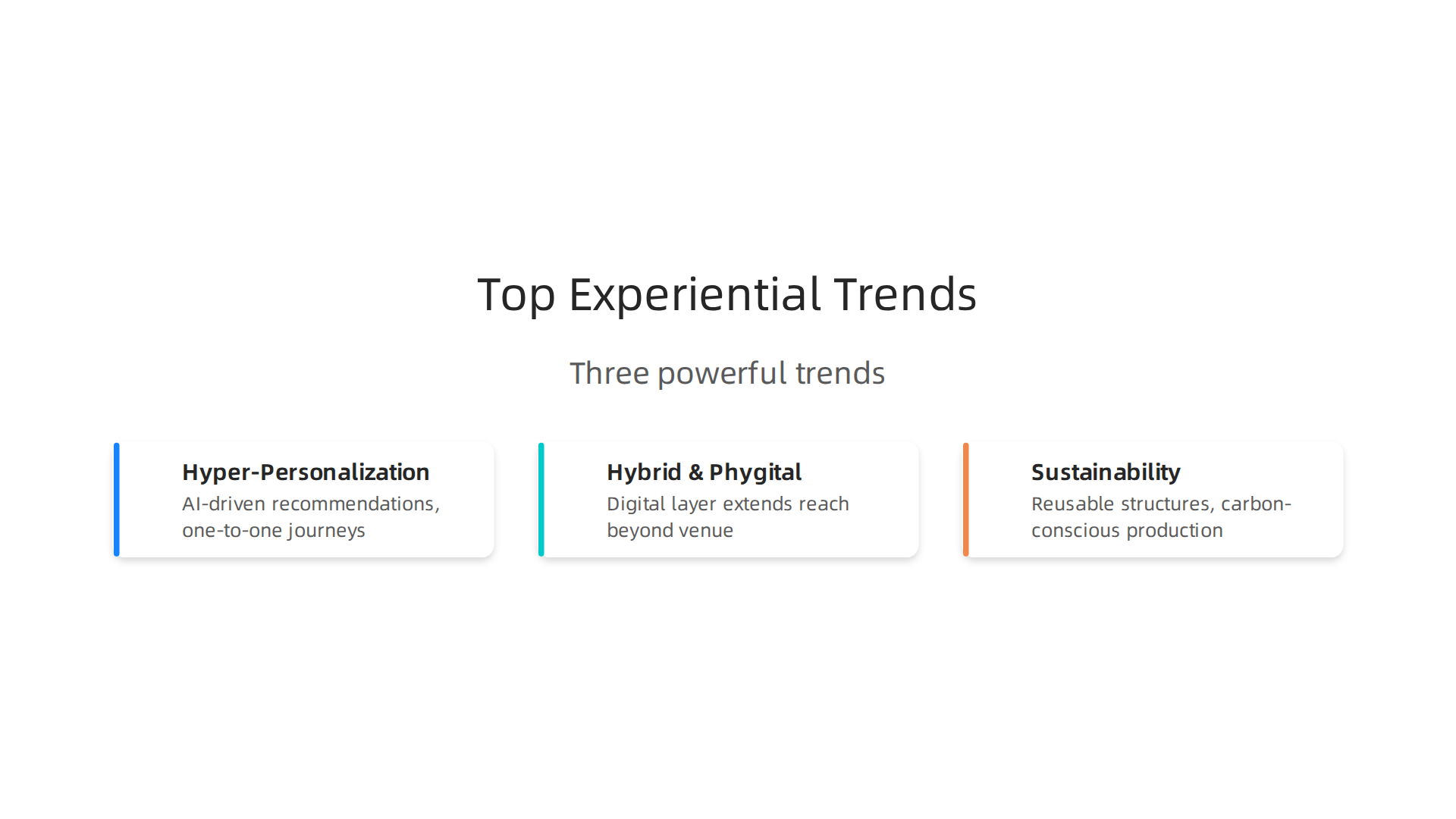
Each one changes how people connect with a brand and how that connection sticks.
Hyper-Personalization Powered by AI
Forget generic welcome signs or one-size-fits-all event flows. In 2026, the best experiences know who you are before you walk through the door. RFID wristbands, personalized content on screens, and AI-driven recommendations are turning live events into one-to-one journeys.
According to the Experiential Marketing Trends to Watch in 2026 report, brands are blending digital intelligence with physical engagement to personalize guest journeys. That means you might be greeted by name, see your favorite product highlighted, or get a custom takeaway based on your preferences. This level of personalization builds an emotional connection that makes the experience feel like it was made just for you.
If you are building a brand strategy that leans on this kind of deep connection, it helps to have the right foundation. Our guide on how brand strategy services drive media and publishing success in 2026 shows you how to align your whole approach with what audiences now expect.
Hybrid and Phygital Experiences
The line between physical and digital has almost disappeared. A live event now comes with a digital layer that extends its reach far beyond the venue. Think interactive storytelling, smart wayfinding, live-streamed panels, and real-time social content that keeps the conversation going after the doors close.
The 2026 Experiential Marketing Trends: How Brands Will Show Up report calls this the "content engine" approach. Every experience is designed to create months of content across social, digital, and real-life channels. That means reaching people who could not attend in person and keeping the brand top of mind long after the event ends.
This trend pushes brands to think beyond the single moment. They now plan for how the experience will echo across platforms and timelines.
Sustainability as a Non-Negotiable
Consumers in 2026 care deeply about the environmental impact of brand activations. Large builds with single-use plastics and one-time setups are out. Reusable structures, carbon-conscious production, and transparent partnerships are in.
The same experiential trends report from Career Group Companies highlights that brands with a focus on sustainability are prioritizing reusable builds and honest product partnerships. Audiences notice these choices. They feel better about engaging with a brand that cares about its footprint. This is not a nice extra. It is a baseline expectation.
One thread ties all three trends together: data driven design that still feels human. AI personalization, hybrid reach, and sustainable builds all rely on smart planning and clear measurement.
To stay ahead of how AI is reshaping marketing at every level, you might want to read The AI Newsletter Worth Reading. It delivers clear daily updates that help you make sense of what is coming next.
Crafting a Data-Driven Experiential Strategy
With those trends in mind, the next step is building a strategy that uses data to drive every decision.
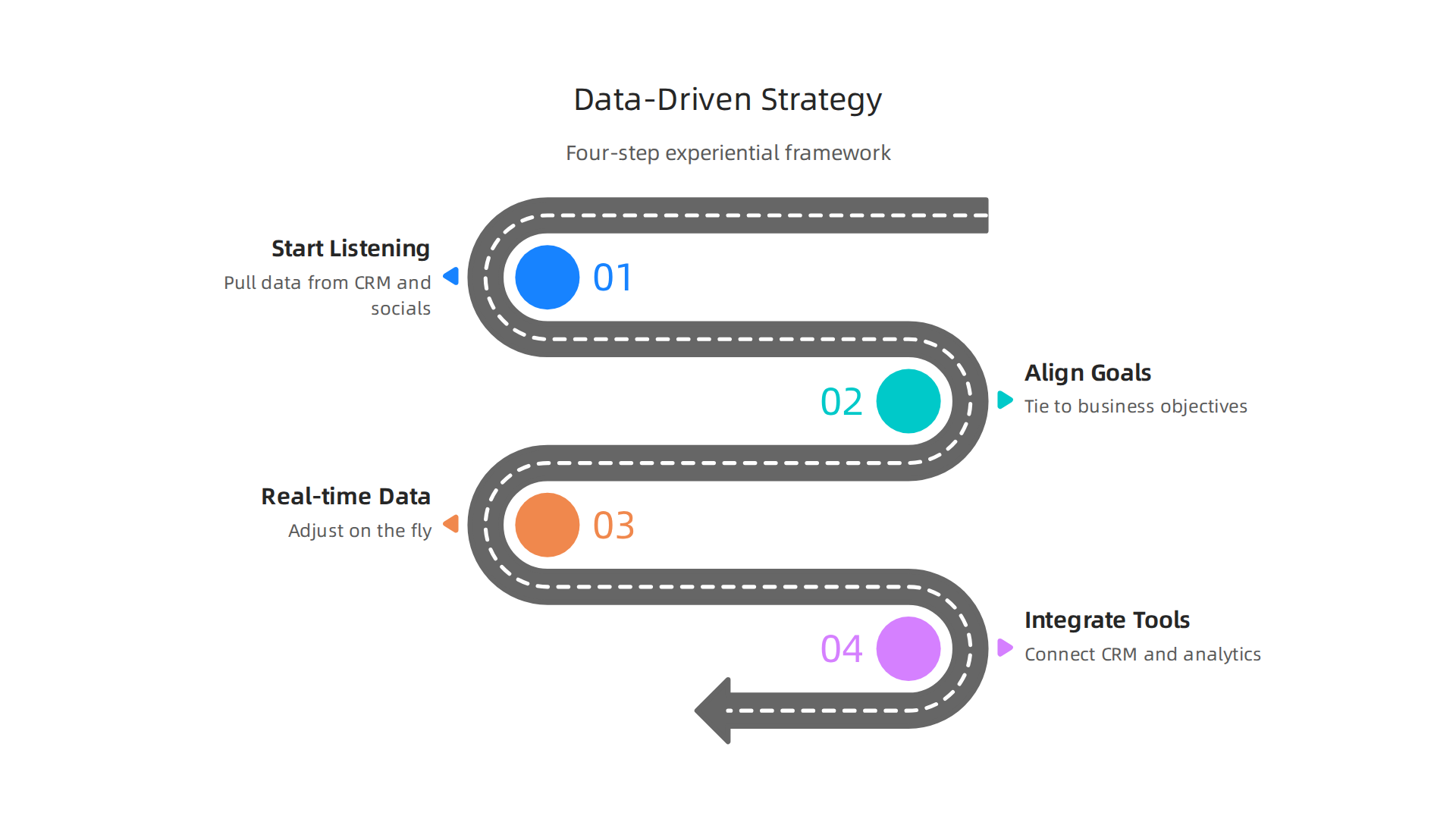
A great idea without solid data backing it up is just guesswork. In 2026, the brands that win treat experiential marketing like a science as much as an art.
It starts with listening. You pull data from your CRM, social listening tools, and past event metrics. This tells you who your audience really is, what they care about, and how they behave. Instead of targeting broad demographics, you design for specific communities based on emotional motivators and real behaviors. The Experiential Marketing: Everything You Need to Know in 2026 guide shows how personalization powered by this data makes each interaction feel like it was made just for one person. That feeling drives engagement and builds loyalty.
But data alone is not enough. You have to align your experiential goals with your bigger marketing and business objectives. Is your goal awareness, trial, loyalty, or brand heat? Be specific. The same guide recommends setting SMART objectives that tie back to measurable outcomes. That way your creative concept has a clear job to do, and you can prove the value of your efforts.
Once the plan is running, real-time data becomes your best tool for improvement. Track dwell time at each touchpoint, how many people share content, and where they drop off. Use that information to adjust on the fly. The 15 experiential marketing strategies for 2026 ROI framework includes trackable metrics like lead conversion rate and cost per engaged attendee. These numbers show you what is working and what is not.
For brands serious about using data well, integrating the right tools makes a huge difference. Social listening platforms, CRM systems, and analytics dashboards all feed into your strategy. If you are looking for practical options to manage these data streams, check out our roundup of the best social media management tools in 2026 for smarter workflows. It covers platforms that can help you capture audience insights and turn them into better experiences.
To wrap it up: a data-driven experiential strategy is not about drowning in numbers. It is about knowing your audience deeply, setting clear goals, and using feedback loops to keep getting better. When you do that right, every activation becomes a learning opportunity that makes the next one even stronger.
Leveraging AI and Emerging Tech in Live Experiences
Now let’s talk about the tools that are making live experiences smarter, more personal, and more memorable. In 2026, artificial intelligence and immersive technology are not just add-ons. They are becoming the backbone of great experiential marketing.
AI is changing how events feel in real time. Imagine walking into an activation and having the content shift based on your mood, your movement, or even your past interactions. That is happening right now. AI chatbots answer questions, guide attendees, and collect feedback without any human behind the screen. Real-time personalization engines analyze behavior on the spot. They adjust lighting, sounds, and on-screen messaging to match each person’s vibe. Predictive analytics even help brands guess what attendees will want next. The How Experiential Marketing Will Evolve in 2026 With Emerging Technologies overview shows how these tools turn a one-size-fits-all event into something that feels deeply personal.
Then there is augmented reality, virtual reality, and spatial computing. These technologies create whole new worlds for your audience to step into. Instead of just watching a video, people can walk through a virtual showroom or try on products with AR filters. The experience does not end when they leave the venue. They can take home a VR walkthrough or share an AR selfie. That extends the lifecycle of your campaign for days or weeks. Brands that adopt these tools early see stronger engagement and more social sharing. Just be careful. When tech feels flashy without a real purpose, it comes across as a gimmick. The goal is to make people feel something, not just to impress them.
How do you make sure the tech serves your brand strategy instead of the other way around? You keep human connection at the center. Use AI to remove friction, not to replace warmth. Use AR to tell stories, not to show off. When you balance innovation with genuine emotion, your activations feel real. That is where the magic happens.
If you want to stay ahead of how AI and immersive tech are changing marketing every day, it helps to have a trusted source. A great place to start is The AI Newsletter Worth Reading. It delivers clear, daily insights on AI trends that can shape your next campaign.
For a broader look at how artificial intelligence fits into your overall marketing approach, check out our guide on the 2026 playbook for growth marketing strategy. It shows you how to adapt to AI and build a digital strategy that actually works.
Measuring Success: KPIs and ROI for Experiential Campaigns
So you ran an incredible live activation. People smiled, took photos, and talked about it on social media. But how do you know if it actually worked? That is the question every marketer faces. Vanity metrics like total attendees or likes look nice on a report, but they do not tell the full story. Real ROI for experiential marketing comes from digging deeper.

Start with the numbers that matter most. Attendance is fine, but what truly counts is engagement depth. How long did people stay? Did they interact with multiple touchpoints? Did their feelings about your brand change? One great way to measure this is through sentiment shift. Run quick surveys before and after the experience. You can learn whether people walked away feeling more connected to your brand. The experts at Reveal Experiences explain that emotional impact often comes before financial return, so tracking sentiment gives you an early read on long-term loyalty. Check out their full breakdown on Maximizing ROI: Measuring the Impact of Experiential Campaigns.
Another key metric is conversion uplift. Did the experience lead people to buy, subscribe, or sign up? You need to connect offline actions to online results. Use unique codes, QR scans, or dedicated landing pages. Then track those leads through your sales funnel over 30 to 90 days. This is where your digital strategy comes in. A solid multi-touch attribution model helps you see which parts of the experience drove real revenue. For a deeper look at building that kind of tracking into your campaigns, read our guide on SEO services for businesses that deliver measurable results in 2026.
Industry benchmarks are evolving. Right now, well-run activations can show returns of 3:1 to 5:1 from direct revenue, and up to 10:1 when you factor in brand equity and social amplification. But every brand is different. Your brand strategy should define what success means for you. Focus on the metrics that align with your goals, not what looks flashy on a slide. That is how you turn a fun event into a measurable business win.
Best Practices from High-Impact Experiential Campaigns
Measuring success is only half the battle. The real magic happens when you know what kinds of campaigns actually deliver. The best experiential marketing campaigns in 2026 share a few common traits.

They tell compelling stories, invite people to participate, and turn attendees into content creators.
Storytelling sits at the heart of every great activation. But in 2026, audiences expect more than a passive narrative. They want to step inside the story. That is where interactivity shines. Imagine an installation where your movements change the visuals around you or where you co-create a digital artwork just by showing up. That kind of hands-on involvement makes the experience unforgettable. It also generates user-generated content that spreads far beyond the event itself. Attendees become ambassadors simply by sharing what they made or saw. The experts at Groove Jones explain that generative AI now lets participants become co-creators, resulting in deeply personal moments and highly shareable media. Read more about these tech trends from CES 2026 for experiential activations.
But a great activation does not exist in a bubble. To maximize reach, you need seamless cross-channel promotion. Promote the experience on social media before the event. Stream highlights live during the activation. Share recap content afterward. That is how you stretch a single day into weeks of engagement. A solid digital strategy ties every channel together so the story keeps going long after the event ends. For more on keeping your content working across platforms, check out our guide on what earned media is and how to build a strategy that earns real influence in 2026.
Here is another crucial piece. Brands that listen and adapt in real time win bigger. The best experiential teams monitor audience behavior during the event and adjust on the fly. Maybe foot traffic is thin in one zone, so you redirect people there. Maybe a certain interaction is getting huge buzz, so you amplify it. This kind of responsiveness makes people feel seen and valued. According to Factory360, AI-powered personalization is one of the biggest advancements shaping how experiential marketing will evolve in 2026 with emerging technologies. When experiences adjust to what the crowd actually wants, satisfaction and recall both climb.
Staying on top of new tools and techniques is the key to keeping your campaigns fresh. The media landscape shifts fast, and AI continues to reshape what is possible. That is why staying informed matters. Get clear daily AI updates from The Deep View Newsletter so you never miss the next big trend.
Overcoming Budget and Resource Constraints
Let’s be honest. Experiential marketing can feel expensive. Between venue costs, production, staffing, and technology, the numbers add up fast. But a tight budget does not have to kill your campaign. You just need to be smart about where you spend.
One of the best ways to stretch your dollars is through creative partnerships. Team up with another brand that shares your audience but is not a direct competitor. A co-branded activation splits costs and doubles your audience. It also adds credibility. When two trusted brands come together, people pay more attention. The result is a bigger impact without a bigger budget. According to FGPG, strategic partnerships are one of the top areas where brands should invest their event budget because they improve creative output and speed up execution. Read their full event marketing strategy guide for 2026.
Another smart move is choosing scalable technology. You do not need a custom-built app for every activation. Off-the-shelf software tools handle registration, live polling, and attendee tracking for a fraction of the cost. These tools let you run professional events without a huge tech team. They also make it easier to repeat the same activation in different cities without starting from scratch.
Here is the hardest lesson for many teams. Doing less can actually get you more. Instead of running ten small events across the country, focus on two or three high-impact activations. A well-funded, well-planned flagship experience creates deeper emotional connections and longer-lasting memories. It also generates better user-generated content and stronger media coverage. Spreading your resources thin means nothing stands out. Concentrating your budget gives one event the power to be truly memorable.
This kind of focused strategy is easier when your overall approach is clear. A strong brand strategy helps you decide which events deserve your best resources and which ones you should skip. When you know exactly what your brand stands for, every budget decision becomes simpler.
The Role of Personalization and Community in Experiences
Once your budget is focused, the real work begins. You have to make each attendee feel like the event was designed just for them. That is where personalization changes everything.
In 2026, generic events fall flat. People expect to be recognized and welcomed. Simple touches like RFID wristbands that greet guests by name or personalized welcome messages make a huge difference. These small details turn a crowded room into a curated journey. According to the experiential marketing trends for 2026, brands are blending digital intelligence with physical engagement to personalize guest journeys. You do not need expensive tech, just the right tools.
But personalization alone is not enough. You also need community. Building a community around your brand before the event creates a built-in audience.
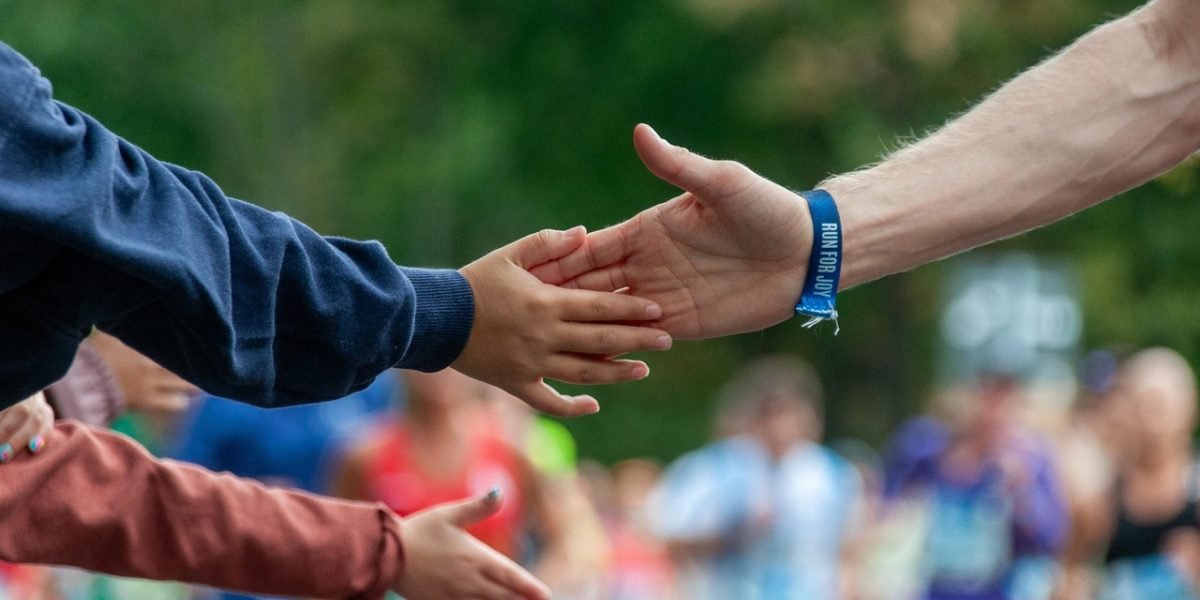
During the event, that community shares the experience together. After the event, it keeps the conversation alive. Community turns a one-time moment into an ongoing relationship.
User-generated content plays a big role here. When attendees create and share their own photos, videos, and stories, they become part of your brand’s story. Co-creation deepens their emotional investment. They feel ownership. That feeling leads to stronger loyalty and more word-of-mouth buzz.
Want to keep that community energy going after the event? A smart earned media strategy helps you amplify the content your attendees create and turn it into lasting influence.
Personalization at scale often relies on AI to deliver those customized touches without manual effort. If you want to stay on top of how AI is reshaping marketing, get clear daily AI updates from The Deep View Newsletter. That kind of knowledge helps you build smarter, more personal experiences every time.
Summary
This article explains why experiential marketing has become a core growth channel in 2026 and shows how brands can design, run and measure immersive activations that create real emotional connection. It covers the market context and key trends—AI-powered hyper-personalization, hybrid/phygital formats and sustainability—then walks through building a data-driven strategy that ties event goals to business objectives. You’ll learn which technologies (AI, AR/VR, RFID) truly add value, how to capture actionable metrics and conversion lift, and practical ways to stretch budgets through partnerships and scalable tools. The piece also highlights best practices from successful campaigns, how to turn attendees into content creators, and simple measurement approaches that prove ROI so experiential becomes a repeatable business driver.