
Advertising Jobs 2026 Map Your Career Path with In-Demand Skills
Why understanding advertising jobs matters in 2026
The world of advertising is always changing, and in 2026, it’s moving faster than ever. New tools, especially those that use Artificial Intelligence (AI), are changing how we do everything in advertising, from planning campaigns to creating content. This means that understanding the different advertising jobs can be tough, both for people looking for work and for companies trying to hire the best talent.
When the work changes so much, it can be hard for organizations to adapt quickly. It’s also hard for individuals to know what skills they need or what their next career step should be. This is where looking at jobs in "job families" becomes very helpful.
A job family groups similar roles together, making it easier to see how they connect and what skills are shared across them. This helps companies organize their teams better and helps people find their way in the industry, as explained in resources like the Job Family Framework 2026 – Organize Roles with … and the overall listings of All Job Families Occupations.
This article is here to help you understand the many kinds of advertising and marketing professionals out there today. We will map out common job families, covering everything from roles like a creative strategist to digital marketing specialists. We’ll explain the key skills you need for each, especially how new technologies are changing what’s important. For example, learning about new digital marketing platforms in 2026 is crucial. We’ll also look at how you can grow your career, whether it’s by getting a Google Digital Marketing Certificate or by reading important marketing books.
Our goal is to give you a clear map of the advertising world in 2026. This will help you know what jobs are available, what skills are in demand for roles such as creative advertising jobs in 2026, and how to plan your next career move. As AI keeps changing things, staying updated is key.
Get clear daily AI updates from The AI Newsletter Worth Reading.
Overview: Advertising Job Families and How They Relate
To truly understand the many advertising jobs out there, it helps to group them into "job families." Think of a job family as a team of different roles that all work toward a similar goal. This way, you can see how different jobs connect and what skills are useful across many of them. It makes planning your career path much clearer, as highlighted by resources on Job Functions & Families.
In the world of advertising, we can group most jobs into six main families:
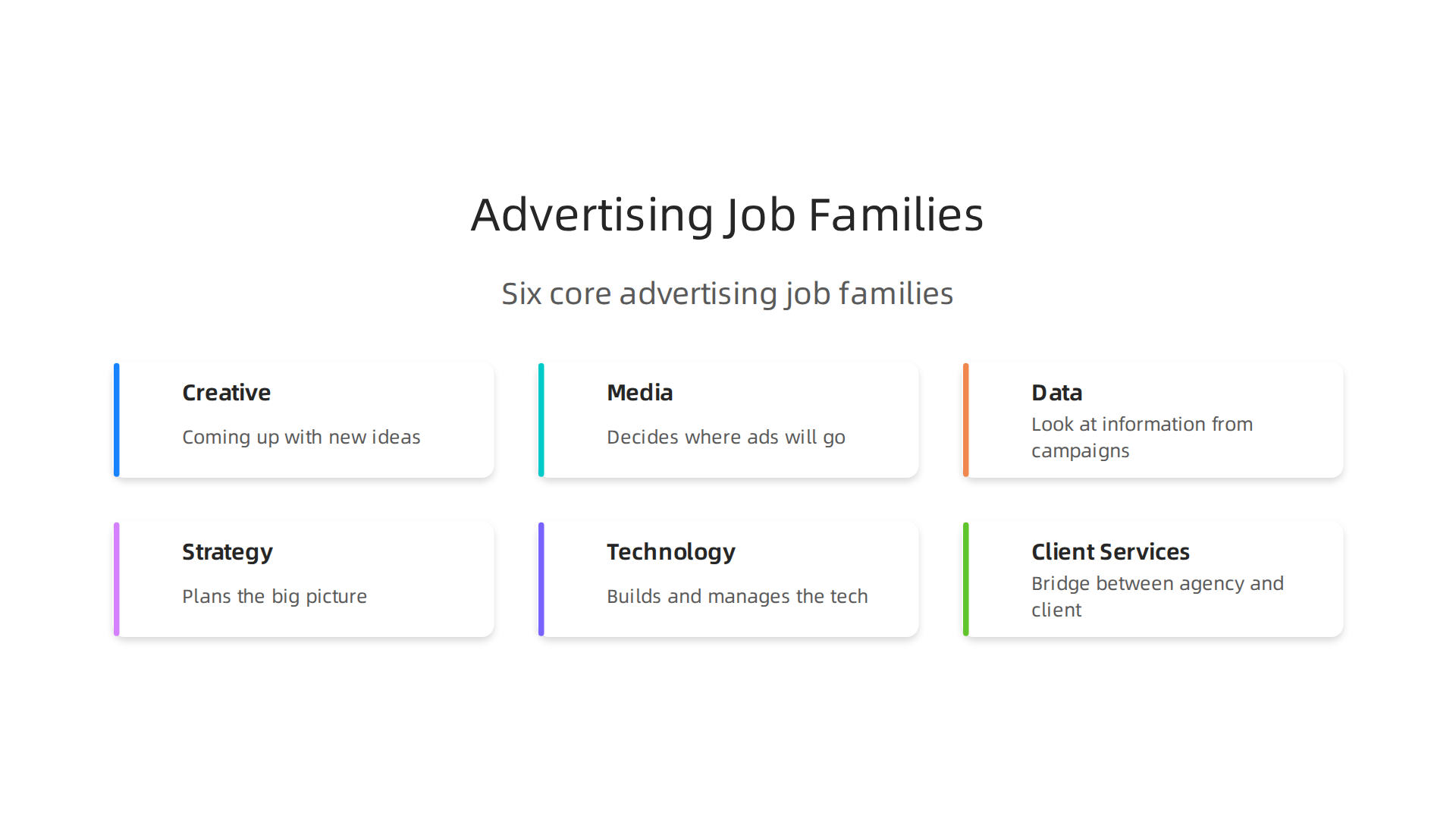
- Creative: This family is all about coming up with new ideas. People here imagine the ads you see or hear. They write the catchy words, design the pictures, and make the videos. Roles like a copywriter, art director, or even a creative strategist fit here. Their main goal is to make ads that grab attention and make people feel something.
- Media: This team decides where the ads will go. Will they be on TV, social media, a website, or a podcast? They figure out the best places to reach the right people. Roles like media planners and media buyers are common here. They measure how many people see the ads and how much it costs, often focusing on metrics like reach and cost per click. If you are interested in a career here, learning about a paid media buyer’s skills and career path is a good start.
- Data: These are the numbers people. They look at all the information from ad campaigns to see what worked and what didn’t. They help make sense of big data to improve future ads. Data analysts and data scientists work in this family, and their success is often measured by how much they improve ad performance based on their insights.
- Strategy: This group plans the big picture. They figure out what a company wants to achieve with its ads and how to get there. They connect the brand’s goals to the creative and media efforts. A digital marketing strategy consultant often leads this work, making sure campaigns are smart and effective. Their key goals are often linked to overall brand health and market share growth.
- Technology: With AI and new tools always popping up, this family builds and manages the tech that makes ads happen. This includes things like ad platforms, tracking tools, and automation software. People in tech make sure all the digital gears are turning smoothly. Their performance is often tied to system uptime, efficiency, and how well new tech is put to use.
- Client Services: This team is the bridge between the advertising agency and the client. They make sure the client’s needs are met, projects stay on track, and everyone is happy. Account managers are key players here. They handle everything from planning schedules to making sure the right materials are ready on time. Their responsibilities include client communication and project coordination, with KPIs focused on client satisfaction and project delivery, as outlined in reports like Marketing Agency Roles and Responsibilities.
As you move up in any of these families, your job will change. At first, you might do very specific tasks. But as you gain more experience, you’ll start to manage people, make bigger decisions, and shape the direction of projects. For example, a marketing manager’s roles, skills, and trends for success show how leadership and strategic thinking become more important with seniority. This idea of growing from doing to leading is true for all these job families in advertising.
The creative side of advertising is where ideas come to life.

This family of advertising jobs focuses on making messages that really stick with people. In 2026, the demand for both technical experts and creative minds is very high, especially as new technologies keep changing things quickly.
Let’s look at some key creative roles and what it takes to succeed in them today.
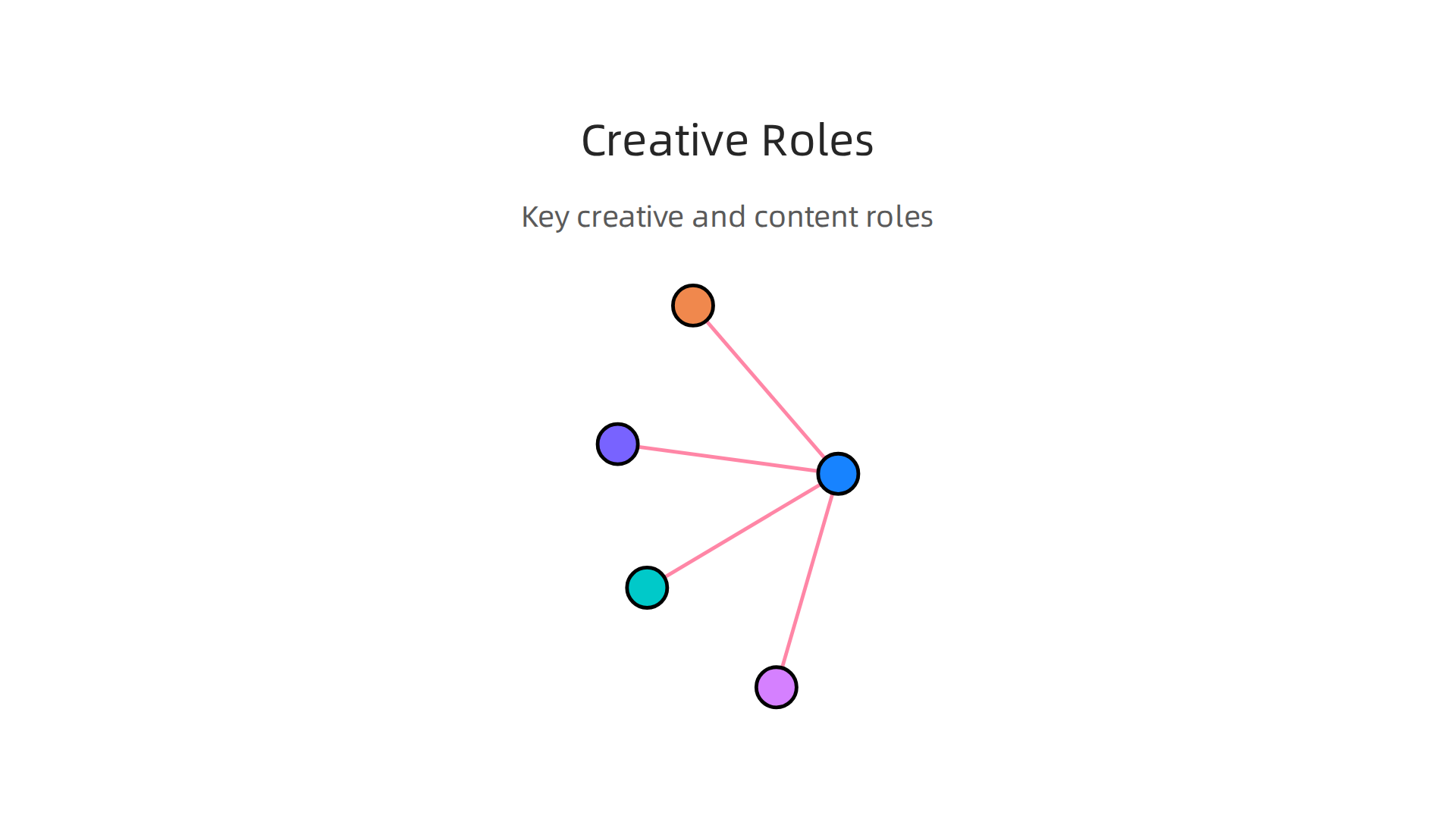
Common Creative & Content Roles
- Copywriter: These pros write all the words you see and hear in ads. This includes headlines, slogans, website text, video scripts, and social media posts. They need to be good at telling stories and making words sound exciting.
- Art Director: Art directors are in charge of how an ad looks. They choose pictures, fonts, colors, and overall design. They work closely with copywriters to make sure the words and visuals work together perfectly.
- Content Manager/Strategist: These folks plan and oversee all the content a brand creates. They make sure the content is interesting, fits the brand, and helps the company reach its goals. They often lead the creation and optimization of brand content, making sure it connects with what people want to see and hear, as noted in reports about the 2026 Marketing job market: In-demand roles and hiring. Many experts see the content strategist as one of the Marketing roles to watch for 2026.
- Creative Technologist: This is a newer role that mixes creativity with tech skills. Creative technologists understand both design and how to use new tools, especially for digital ads. They help bring new ideas to life using the latest technology, like special ad platforms. This role really shows how art and automation are coming together in advertising, according to 2026 Creative Advertising: The 10 Trends That Actually Matter.
- Motion Designer: With video and animation being so popular, motion designers create ads that move. Think animated logos, explainer videos, or dynamic graphics for social media. Motion design is having a big moment right now, with many companies hiring in this area, as seen in recent Creative Jobs Worth Your Attention.
Key Skills for Creative Roles in 2026
To do well in creative advertising today, you need more than just great ideas. Here are some key skills:
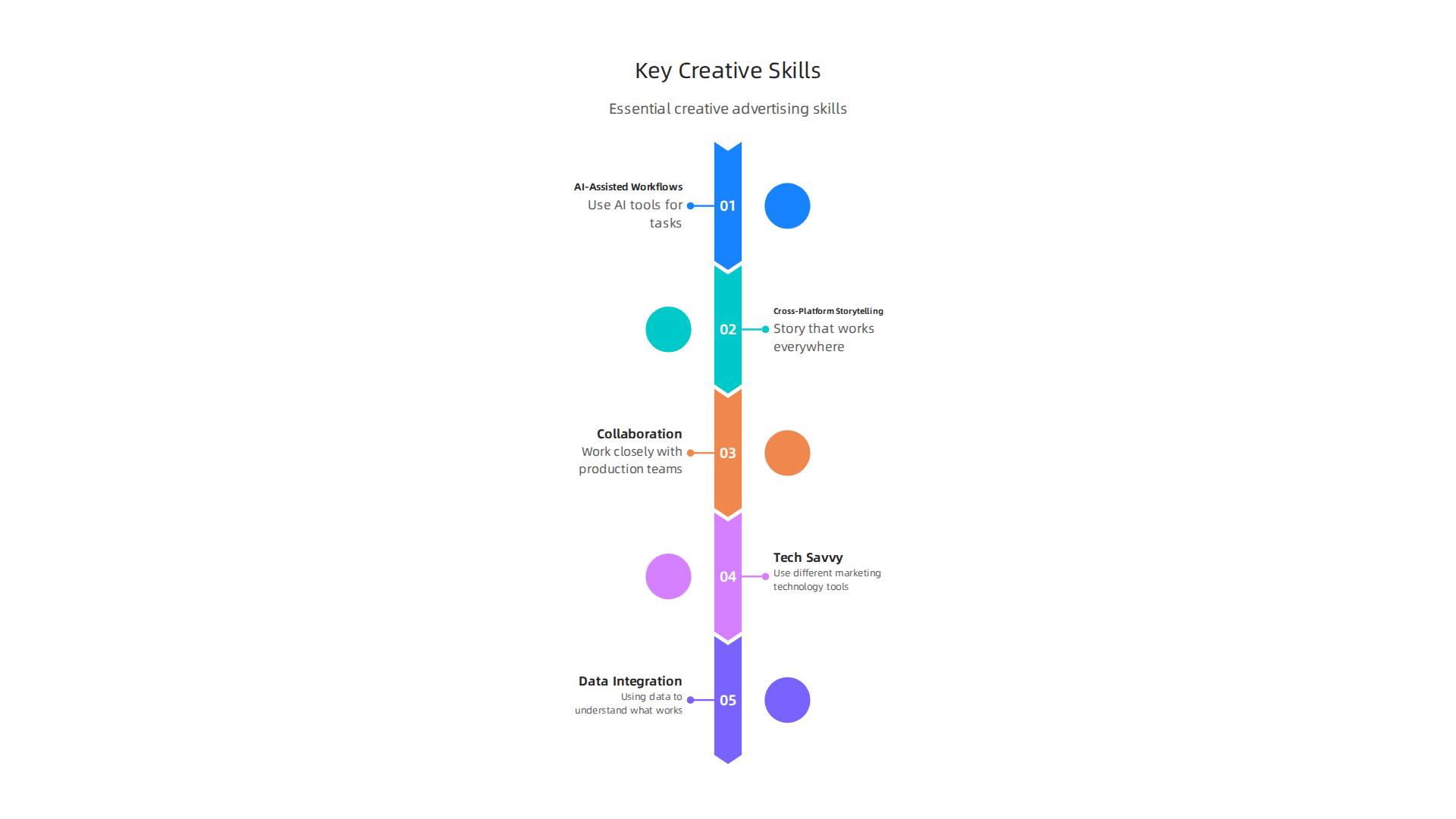
- AI-Assisted Creative Workflows: Artificial intelligence (AI) tools are changing how creative teams work. Many marketers now use AI for tasks like writing copy or coming up with ideas. It’s important to know how to use these tools to make your work faster and better. Tools like generative AI can handle some of the simpler creative tasks, letting human creatives focus on bigger ideas. Knowing how to use these tools for writing, design, and analytics is a must, as shown by insights into 2026 Creative Trends in Advertising.
- Cross-Platform Storytelling: Ads don’t just go on one platform anymore. You need to be able to tell a story that works well on social media, websites, apps, and even in physical spaces. Each platform has its own feel, and good creatives know how to adapt their message.
- Collaboration with Production Teams: Creative people don’t work alone. They work closely with video producers, photographers, web developers, and others to make their visions real. Being a good team player is key.
- Tech Savvy: Even creative roles need some tech skills. Knowing how to use different marketing technology tools, whether for design or content management, is super important. In fact, many creative leaders are offering higher salaries to candidates who have these tech skills, according to a report on 10 Higher-Paying Marketing and Creative Jobs in 2026.
- Data Integration: Creative teams are now using data to understand what works. Seeing feedback from ad performance helps them make smarter choices for future campaigns.
To keep up with the fast changes in AI and technology in the media world, you’ll need fresh information every day.
Get clear daily AI updates from The AI Newsletter Worth Reading.
Creative Career Ladder
Moving up in creative advertising jobs means taking on more responsibility. You might start as a Junior Copywriter or Assistant Art Director, focusing on specific tasks. As you gain experience, you can become a Senior Copywriter or Art Director, leading smaller projects. After that, roles like Creative Director or Associate Creative Director involve managing teams, setting the creative vision for entire brands, and making big decisions. A creative strategist might also move into a leadership role, guiding the overall direction of campaigns. The top rung often includes roles like Executive Creative Director or Chief Creative Officer, where you oversee all creative output for an agency or a large company. These roles demand strong leadership and a deep understanding of market trends. If you want to learn more about how to make sure your efforts are seen, consider understanding more about how brand strategy services drive media and publishing success.
The world of creative advertising is exciting, but once the ideas are formed, someone needs to make sure those ads actually reach the right people. That’s where media buying, planning, and programmatic roles come in. These are key advertising jobs that focus on the science of placing ads effectively.
Media buying, planning and programmatic roles
These roles handle where, when, and how ads are shown to audiences.
They involve a lot of strategy and technical know-how.
- Media Planner: A media planner is like a detective. They figure out the best places for ads based on who the audience is, what they like, and where they spend their time. They choose the right channels, whether it’s TV, radio, social media, or websites. Their goal is to make sure the ad budget is spent smartly to get the best results.
- Media Buyer: This person takes the plan from the media planner and makes it real. They talk to different media outlets and platforms to buy ad space. This means negotiating prices and making sure the ads run as planned. They work closely with the planners to adjust buying strategies as needed. For a deeper dive into this specific career path, you might want to read about the paid media buyer 2026 skills, certification, and career path.
- Programmatic Specialist/Trader: This role is all about using technology to buy and sell ads automatically. Instead of talking to people directly, programmatic specialists use special software platforms (like Demand-Side Platforms, or DSPs) to bid for ad space in real-time. This allows for very specific targeting and quick changes to campaigns. Programmatic advertising jobs are growing, with many positions focusing on managing these automated campaigns, as seen in job listings in 2026, including Programmatic Advertising Jobs, Employment. A programmatic marketer, for example, handles planning, buying, and improving automated digital ad campaigns through these platforms, managing things like bidding strategies and audience targeting, according to one description of a Programmatic Marketer Job.
- Ad Operations (Ad Ops) Specialist: Ad Ops specialists are the technical backbone. They set up and manage the ads once they’ve been bought. This includes making sure ads display correctly, tracking their performance, and fixing any issues that come up. This hybrid role often blends campaign setup, tag management, and programmatic trading, as highlighted in jobs like a Programmatic & Ad Ops Specialist.
Technical Skills for Media Roles
In 2026, these advertising jobs require more than just knowing about different media. You need strong technical skills too.
- Understanding Auction Dynamics: Programmatic buying relies on real-time auctions. Knowing how these auctions work, how bids are placed, and what affects ad prices is crucial.
- Familiarity with SSPs and DSPs: You need to know how to use Demand-Side Platforms (DSPs) to buy ads and understand Supply-Side Platforms (SSPs) where publishers offer ad space. These tools are central to managing automated campaigns and are critical for professionals in this field. Many roles involve working with these platforms to efficiently target audiences and get the best results, as explained in discussions about Programmatic Advertising Jobs.
- Privacy-Driven Measurement: With new rules about data privacy, understanding how to measure ad performance without using personal data is very important. This involves using new tools and methods that respect user privacy while still showing if ads are working.
- Data Analysis: Professionals in these roles use data to make decisions. They need to understand what the numbers mean and how to use them to make campaigns better. Learning about performance marketing 2026 can help you grasp the importance of data.
These jobs are vital for making sure advertising efforts actually reach their audience and help businesses grow.
After figuring out where and how to show ads, the next big step is knowing if they actually worked. That’s where data, analytics, and measurement roles come in. These are vital advertising jobs that focus on understanding the numbers behind ad campaigns. They help businesses see their return on investment (ROI) and make smarter choices for the future.

Data, analytics and measurement roles
These professionals are like scientists for advertising. They collect, clean, and study data to see how well ads are doing.
They help answer questions like "Did this ad make people buy more?" or "Which ad worked best?"
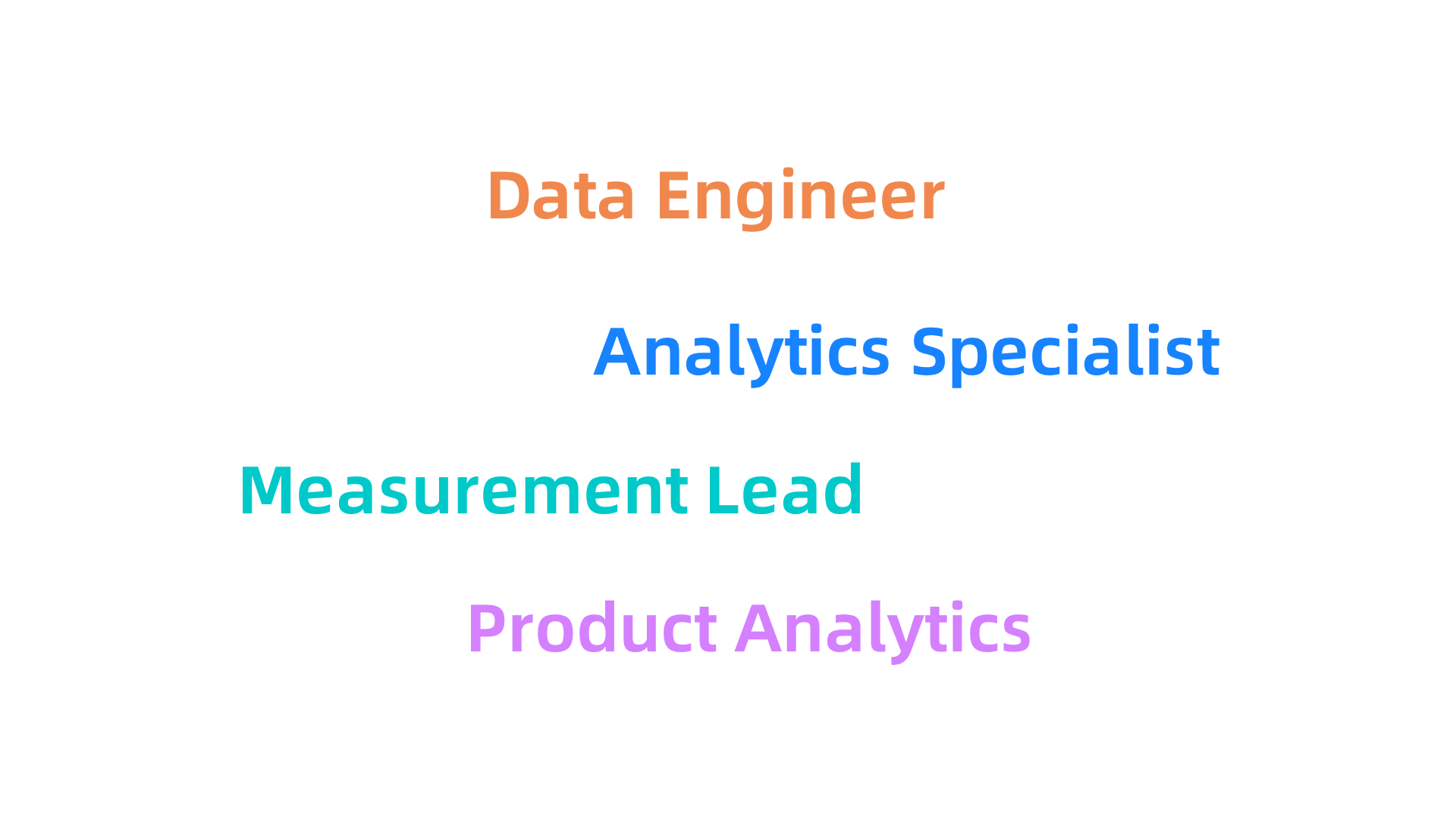
- Analytics Specialist/Manager: These roles focus on digging into performance data. They look at how ads are performing on different platforms and find ways to improve them. An Analytics Lead, for example, helps set the learning goals for an agency and works with clients to turn data into actions, as highlighted by a job posting for an Analytics Lead @ Pearmill.
- Measurement Lead: This person is often in charge of developing new ways to measure how effective ads are. They might try out new tools or create special studies to understand what makes ads successful. Companies like Comcast look for a Measurement Science Lead to help scale and improve how they measure advertiser impact. Another example is a Lead, Advertising Measurement who works with survey research and sales data. Many large companies like Microsoft also hire for similar Measurement Lead positions to drive advertising business growth.
- Data Engineer (for Ad Monetization): While not purely an "advertising job," data engineers are crucial. They build and maintain the systems that collect and store all the advertising data. Without them, analytics and measurement specialists wouldn’t have the information they need to do their jobs.
- ML/Product Analytics (for Ad Monetization): These roles use advanced computer science, like machine learning, to find deeper patterns in ad data. They help build tools that can predict how ads will perform or suggest ways to make them better automatically.
Key Skills for Data and Measurement Jobs
Employers in 2026 are looking for specific talents in these advertising jobs:
- SQL (Structured Query Language): This is a computer language used to talk to databases. It’s how professionals pull out the specific data they need to analyze. Many analytics and measurement roles require experience with SQL, as seen in various job descriptions, including those for a Measurement Lead at Google.
- Attribution Modeling: This skill helps figure out which parts of an ad campaign led to a customer taking action. Was it the first ad they saw, the last one, or a mix of many? Understanding how to do this is a key part of advertising measurement. Expertise in various measurement methods, including Multi-Touch Attribution, is often sought after in roles like a Lead, Measurement & Insights.
- Experimentation: This means setting up tests, like A/B tests, to see what changes make ads work better. For instance, testing two different ad headlines to see which one gets more clicks.
- Translating Analysis into Media Strategy: It’s not enough to just find patterns in data. These professionals need to explain what the data means in simple terms and suggest clear steps for media planners and buyers to improve future campaigns. This means turning numbers into smart business decisions. If you’re looking to dive deeper into marketing careers, understanding different marketing analytics career paths can be very helpful.
These roles ensure that advertising isn’t just a creative endeavor but a measured, data-driven path to business growth. Staying informed about the latest in technology, especially AI, can give you an edge in these evolving fields. Get clear daily AI updates with The AI Newsletter Worth Reading.
Moving from understanding the numbers, we next look at the people who make sure those numbers turn into smart plans and happy clients. These are the advertising jobs that guide the whole process, from big ideas to keeping clients happy.
Strategy, account and client-service roles
These roles are all about thinking big, planning carefully, and talking clearly with clients. They make sure everyone is working towards the same goal and that the client feels heard and valued.
Strategy Roles
A creative strategist or advertising strategist is like the architect of a campaign. They think deeply about what the client wants to achieve and who they want to reach. They then come up with the main ideas and overall plan for the ads. This means doing a lot of research, looking at trends, and understanding people. They help turn business goals into exciting creative directions. For example, they might suggest how a brand can improve its corporate branding services that win audience trust to make ads work better.
Account Management and Client Service Roles
Account managers are the main link between the client and the agency team. Think of them as the client’s best friend inside the agency. They make sure the client’s needs are met and that projects run smoothly. This involves managing timelines, budgets, and all the back-and-forth talks. An account manager works with many different teams, like the creative people who make the ads and the data people who check how ads are doing. They make sure everyone understands the client’s goals and that the agency delivers what was promised.
For instance, an account manager is responsible for making sure the agency meets the client’s needs and works with all the different teams to create the advertising, as explained by the IPA on the Account Manager role. They are key for keeping clients happy and for helping the business grow. Their job often includes handling client talks, planning projects, and dealing with money matters, says a guide to Marketing Agency Roles and Responsibilities. They also help translate what the client wants into clear plans for the creative and tech teams, making sure everything stays on track, according to insights on what a marketing agency account manager does.
Key Skills for These Roles
People in these roles need special skills:
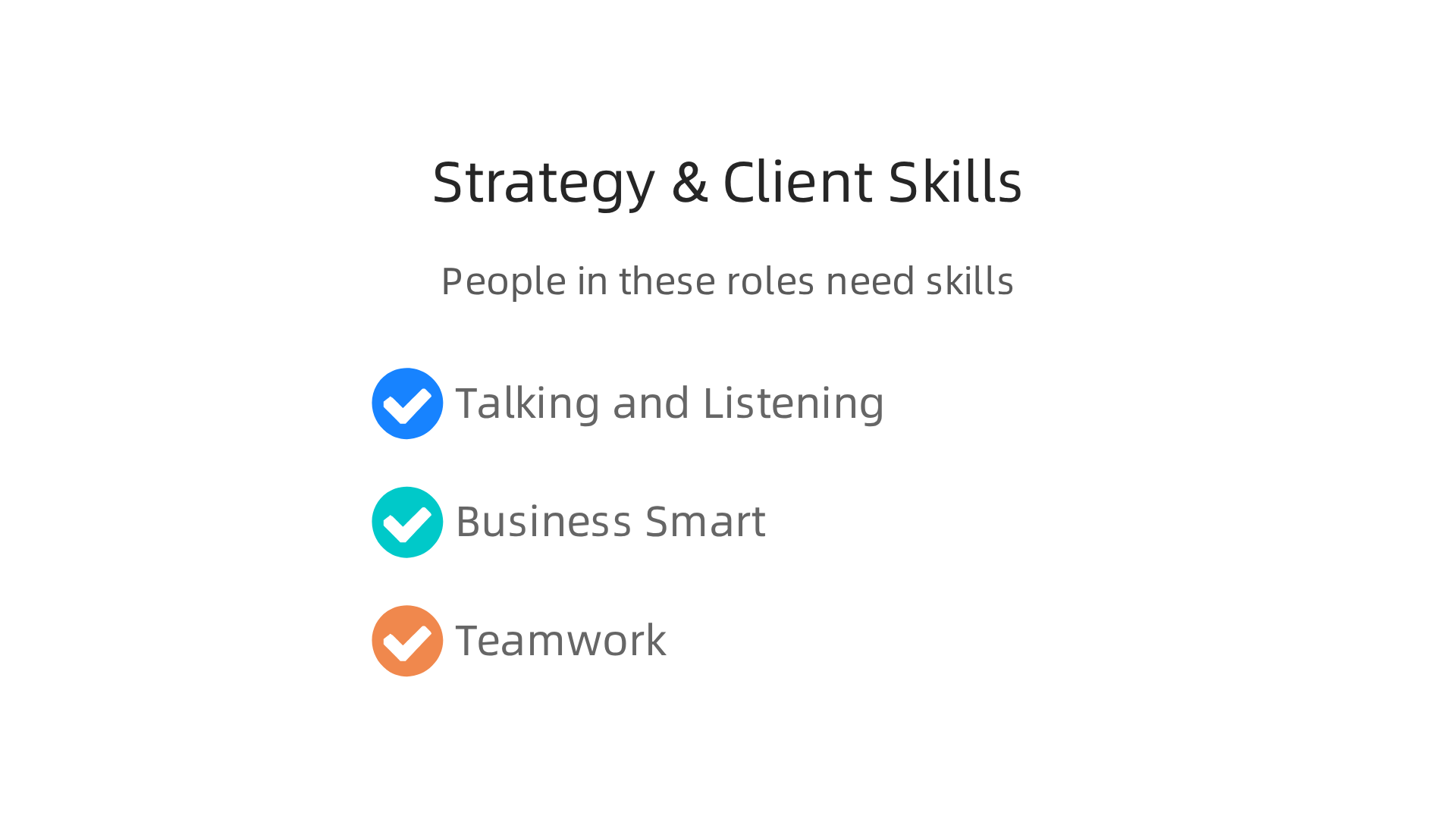
- Talking and Listening (Consultative Skills): They need to be great at talking with clients, asking the right questions, and truly listening to what they need. They also need to explain complex advertising ideas in simple ways.
- Business Smart (Commercial Fluency): This means understanding how a client’s business makes money. They need to know how advertising helps the client reach their sales goals, not just how to make pretty ads.
- Teamwork: Strategy and account teams work closely with creative teams to make the actual ads and with data teams to see if the ads are working. They help translate big ideas into real plans and share feedback. For anyone interested in a broader view of team management and strategy, some great marketing books can offer more insights.
These roles are super important because they connect the client’s business goals with the agency’s ability to create great advertising. They make sure that the right messages reach the right people in the right way.
After understanding how strategies are made and clients are handled, we now look at the people who build and manage the tools that make advertising happen. These are the tech experts who bring advertising ideas to life using computers and special software. They make sure ads run smoothly, reach the right people, and follow all the rules. These are critical advertising jobs that involve deep technical knowledge.
Technology, product and ad-tech engineering roles
These jobs are all about the computers and programs behind the ads. They build the engines that power digital advertising, making sure everything works fast and smart.
Ad Operations (Ad Ops) Engineers
Ad ops engineers are like the mechanics of the advertising world. They set up ad campaigns, make sure ads appear where they should, and fix any problems. This often means working with "programmatic" advertising, which uses special software to buy and sell ad space automatically. A programmatic marketer needs to understand how to plan and run these automated ad campaigns, including picking the right audiences and checking that ads are safe for brands, according to the Programmatic Marketer Job Description: Role, Skills, Salary (2026). Ad ops specialists help manage these campaigns across many digital places, even on TV, says a job description for ad ops programmatic jobs. They are key for making sure ads run without a hitch.
Platform Engineers
Platform engineers build and keep up the actual advertising platforms. These are the complex systems that handle huge amounts of data in real-time, meaning super fast. They create the tools that allow advertisers to buy ad space and publishers to sell it. These engineers need to be good at building strong, quick systems that can handle a lot of traffic and information. They also work on connecting different ad systems together. Many programmatic advertising jobs are available, focusing on managing these automated ad campaigns using data and algorithms.
Product Managers (Ad Tech Focus)
Product managers in ad tech think about what new advertising tools are needed. They guide the teams that create these tools, making sure they solve problems for advertisers and help businesses make money. They often work closely with engineers to design features that improve how ads are bought, sold, or shown. For example, they might work on new ways to keep people’s information private while still making ads effective.
Key Knowledge for These Roles
People in these tech advertising jobs need to know about:
- Real-Time Systems: How to build programs that work instantly, like when an ad is bought and shown in a split second.
- Data and Privacy: How to handle lots of information about people while keeping it safe and private, following laws like GDPR.
- Integrations: How to connect different ad platforms so they can talk to each other, like linking an ad buyer’s system to a publisher’s system.
- Staying Current: The ad tech world changes fast. Keeping up with new tools and practices, perhaps even getting a google digital marketing certificate, is very important.
To stay ahead in this fast-changing tech world, daily insights into AI and technology are very useful.
Get clear daily AI updates from The AI Newsletter Worth Reading.
The advertising world changes quickly. Because of this, knowing about different types of advertising jobs and what skills you can use in new ways is super important. Even if you start in one part of advertising, you might find your skills can help you move to another. This section will talk about how you can switch between creative, media, and tech jobs in advertising.
Skills You Can Take With You
Many skills you learn in one advertising job can be helpful in another. This is called having "transferable skills."
- From Creative to Data/Tech: If you’re a creative person, like a creative strategist who dreams up new ad ideas, you’re good at solving problems and thinking in new ways. These skills are very useful in data jobs, where you need to find fresh ways to look at numbers or show them clearly. Your eye for design can help make data reports easy to understand.
- From Data/Tech to Creative/Media: If you work with technology or data, you’re likely good at logic and seeing how things connect. This can help a lot in creative roles, where you might use what you know about how people behave online to make ads that work better. Your understanding of numbers can help guide media buying decisions to reach the right people.
- From Media to Other Tracks: People who work in media know how ads get seen by others. They pick where ads will show up and for how much. This knowledge is useful for creative teams (they know what kind of ads will fit different places) and for tech teams (they know what tools are needed to make ad buying easier).
Actually, many companies now want people who can do a mix of things. Roles that combine technical skills with telling a good story are growing fast, especially with AI, according to a 2026 report on Creative Industry Trends: AI, Skills & Impact.
Preparing for a New Path
If you want to move into a new area of advertising, here are some practical steps:
- Learn New Things: You can take online courses or get new certifications. While a google digital marketing certificate is often sought after, many other programs exist to boost your skills. Reading marketing books can also give you new ideas.
- Try Different Roles at Work: Talk to your boss about trying new tasks or working on projects with other teams. This is a great way to learn on the job without changing companies.
- Show You’re Ready: Take on extra tasks that use the skills you want to grow. Show your managers you’re interested and ready for more responsibility.
- Stay Updated: The advertising world is always changing, especially with new technology. Keep learning about new tools and trends.
In 2026, the demand for creative and marketing experts is still very high, with technical skills becoming a must-have in almost every role, often leading to 10 Higher-Paying Marketing and Creative Jobs. Knowing how to connect different parts of advertising can open up many exciting advertising jobs for you.
Summary
This article maps the advertising jobs landscape in 2026, grouping roles into six practical job families—Creative, Media, Data, Strategy, Technology and Client Services—to help professionals and employers navigate rapid change. It describes common roles in each family (for example, copywriters, media buyers, analytics leads and ad‑tech engineers), the technical and soft skills now in demand, and how AI and new platforms are reshaping workflows. The piece explains career ladders, what employers measure at each level, and which transferable skills let you move between creative, media and tech tracks. It also offers concrete steps to reskill—courses, certifications and on‑the‑job experiences—and highlights measurement, programmatic and privacy-aware practices you’ll need to succeed. Read it to understand which roles exist, which skills to prioritize, and how to plan your next career move in a fast‑evolving advertising market.