
Media Relations Strategies for 2026 Navigating AI for Influence
Why media relations still matters and what’s changed in 2026
It feels like the world of news and how people get information changes every day. New apps pop up, and the way we talk to each other online keeps shifting. This fast pace makes traditional media relations a real challenge. Think about it: how do you get your message out when there’s so much noise?
In 2026, we’re seeing big shifts. More and more, Artificial Intelligence (AI) is changing how news is made and found. This is a huge shift for how PR works, as AI helps shape what people see and read online, making it harder to stand out Emerging Media & AI Search in 2026. Also, there’s just so much information everywhere. People are flooded with content, making it tough for your story to get noticed.

It’s not just about getting press anymore; it’s about being truly relevant to your audience.
What does this mean for media relations? It means the old ways of simply sending out press releases won’t cut it. You need new, smart approaches. This includes understanding the power of social marketing and how different platforms work. Modern media relations requires a fresh look at your strategies and even your brand guidelines examples to make sure your message is clear and heard. It’s all about innovative marketing that speaks directly to people in a world full of choices.
This guide will help you understand all these changes. We’ll give you clear, proven ways to plan, run, and check your modern media relations programs. You’ll learn how to get your message out there effectively, even with all the new challenges.
To stay on top of all the latest changes in media and AI, especially how new tech impacts your work every day, consider getting The AI Newsletter Worth Reading. It gives you simple, daily updates.
If you’re looking to plan your outreach in this new landscape, learning how to Develop a Strategic Marketing Plan for Media Creator Growth in 2026 can give you a strong start.
1. Strategy Foundations: Purpose, Audiences, and Measurable Goals
To truly succeed with media relations today, you can’t just jump in. You need a clear plan.

Think of it like building a house: you wouldn’t start without blueprints, right? For your public message, those blueprints are your strategy foundations. This means knowing your main goal, who you want to talk to, and how you will know if you did a good job.
First, you need to set clear goals for your media relations efforts. What do you hope to achieve? Is it to make more people aware of your brand, build trust, or simply control the story when something happens? These goals should tie into your bigger business aims. For example, if your company wants to sell more of a new product, your media work should aim to get that product talked about in positive ways. A good plan always starts with clear objectives, as highlighted in guides for Modern Media Operations.
Next, think about your audience. Who are you trying to reach with your message? It’s not just "everyone." In media relations, your audiences might include:
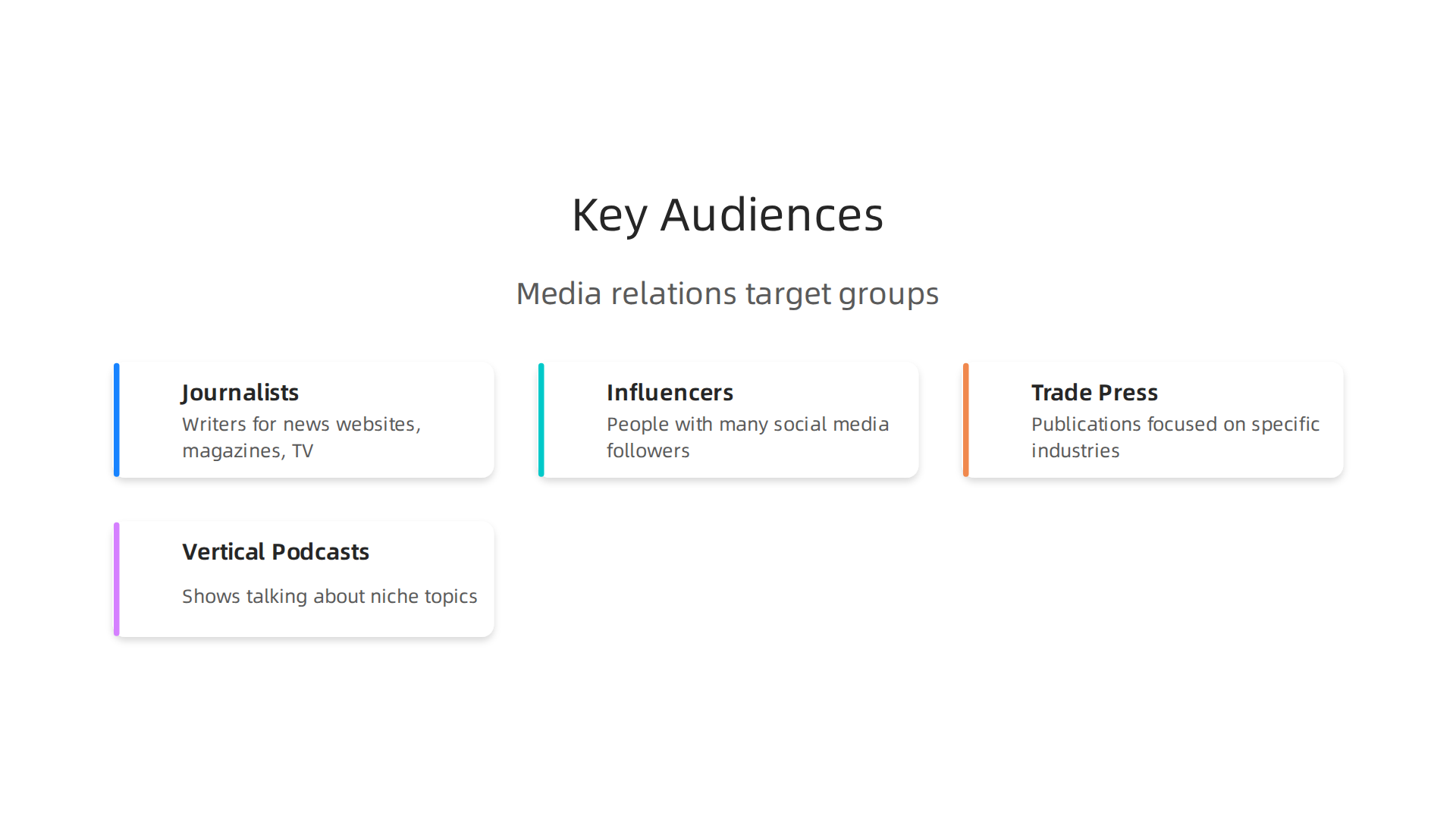
- Journalists: The writers and reporters for news websites, magazines, and TV.
- Influencers: People with many followers on social media who can share your message.
- Trade Press: Publications that focus on specific industries, like tech or gaming.
- Vertical Podcasts: Shows that talk about niche topics that fit your brand.
Understanding these different groups helps you decide where to put your energy. For example, if you’re targeting young people, you’d likely focus on social marketing platforms where they spend their time, rather than traditional newspapers. You should map out your target audiences carefully to make sure your message hits home, using smart consumer marketing strategies for media and creator growth in 2026.
Once you know your goals and audience, you need to decide how you’ll measure success. This is super important. It’s no longer enough to just count how many times your brand was mentioned. In 2026, smart companies look at things like how much interest their stories create, how accurate the reporting is, and if the news helps people feel good about their brand. This modern way of looking at things is part of the PR Measurement in 2026: The Six-Dimension Framework. By setting measurable goals, you can see if your efforts are working and adjust your plan as needed. This leads to truly innovative marketing and helps you make sure your brand guidelines examples are consistent across all platforms.
Once you know who you want to talk to, the next big step in media relations is figuring out how to reach them. This means creating an audience map and picking the right channels for your stories. It’s like having a map to find the best road to your destination.
Understanding Your Audiences Deeper
First, let’s break down your audience even more. It’s not enough to just say "journalists." You need to think about:
- Their Influence: How many people do they reach? Are they a big TV station or a smaller blog for a specific hobby?
- Their Reach: Do they speak to a local community, a whole country, or people all over the world?
- Their Interest in Your Topic: Will your story truly excite them and their readers? News outlets, for example, look for stories that are personally relevant to their readers, as a 2026 report on news audiences highlights What do news readers really want to read about? How relevance ….
Doing this helps you understand who cares most about what you have to say. Mapping your audience this way is a key step, with methods like those shown in an Audience Mapping worksheet often limiting groups to five or six main types.
Choosing Your Storytelling Channels
After you’ve mapped out your audiences, you need to decide where to share your stories. This involves looking at both older, trusted ways and exciting new ones.
- Legacy Channels: These include traditional newspapers, TV news, and magazines. Many people still get their news from these sources. For example, in 2026, broadcast TV still makes up most of the video watched in UK homes, even with all the streaming options out there Media Nations 2026.
- Emerging Channels: This is where things get really interesting in 2026. Think about:
*   **Social Marketing Platforms:** Places like TikTok, Instagram, and X (formerly Twitter) are huge for connecting with people directly.
*   **Newsletters and Email:** Actually, these are still super powerful. Many media companies say newsletters are their best way to keep audiences coming back [State of Audience in Media Report 2026](https://www.omeda.com/resources/reports/state-of-audience-2026/).
*   **Podcasts and YouTube:** More and more people are listening to and watching content on these platforms.
*   **AI Search and New Media:** With AI changing how people find information, new types of media are showing up, which affects how we plan for PR, as noted in a report on [Emerging Media & AI Search in 2026](https://www.britopian.com/wp-content/uploads/2025/12/Emerging-Media-AI-Search-Trends-in-2026.pdf).
When you choose a channel, think about where your audience spends their time. You can learn more about picking the right spots by checking out advice on advertising channels 2026 how to build your winning media mix.
Picking the Best Channels for Your Stories
You can’t be everywhere at once, so you need to pick the best channels. Prioritize them based on:
- Audience Overlap: Which channels reach the most of your important audiences?
- Editorial Fit: Does your story naturally fit the kind of content that channel usually shares? For instance, a complex story might do better in a detailed newsletter than a quick social media post.
- Measurement: Can you easily tell if your story is doing well on that channel? Some platforms offer better ways to track how many people see or interact with your content.
Choosing channels wisely helps you get your message to the right people at the right time. This thoughtful approach supports your overall goals for innovative marketing and ensures your brand guidelines examples are followed, no matter where your story lands.
The world of media is always changing, especially with AI. Staying on top of these changes is vital for smart media relations.
Get clear daily AI updates from The AI Newsletter Worth Reading.
The world of media is always changing, especially with AI. Staying on top of these changes is vital for smart media relations. Now that you know who to talk to and where to find them, the next big step is making your stories so good that they simply have to be shared.

This means putting together a strong story, backing it up with solid facts, and sharing it at the right time.
Crafting Stories That Get Picked Up: Narrative, Data, and Timing
Getting your story noticed by journalists and media outlets is like telling a really good tale that everyone wants to hear. It needs to be interesting, true, and fit into what’s happening right now. This is key for good media relations.
Tell a Great Story
A strong story, or narrative, makes people care. It’s not just about what you want to say, but how you say it so it touches your audience. Think about:
- Who is it about? Is there a person, a group, or a company doing something cool or new?
- What is the main event? What’s happening that’s special or important?
- Why should people care? How does this story affect others or the world around them?
Journalists often get ideas for stories from pitches they receive. In fact, most journalists say that PR pitches inspire some of their work, though they delete pitches that don’t fit what they cover, according to a 2026 report on journalism trends Muck Rack Launches Its State of Journalism 2026 Report. So, your story must clearly be relevant to their audience. You can learn more about making messages persuasive by exploring how to master rhetoric in advertising build trust evoke emotion use logic.
Back it Up with Good Information
A good story needs to be true. This is where defensible data comes in. "Data" just means facts and numbers. When you have real information to support your story, it makes it much stronger and more believable. Journalists really value original data and research when they are pitched a story. They also want access to people who can talk about the topic, like experts or customers. This shows up in a 2026 report on what journalists look for in pitches What Muck Rack’s 2026 State of Journalism Report Means. This kind of support is vital for what is earned media and how to build a strategy that earns real influence in 2026.
Get the Timing Right
Even the best story with the best data can be missed if it’s sent at the wrong time. This is called a "timely hook." It means tying your story to something current, like a holiday, a new trend, or a breaking news event. For example, many journalists prefer to get pitches before noon. They also like them to be short, usually under 200 words, as noted in a 2026 article on delivering pitches Delivering Pitches that Earn Coverage. Sending your story when it’s most likely to be seen and when it connects to something happening now can make all the difference.
Create Flexible Story Pieces
To make your job easier, create "modular assets." These are small, ready-to-use pieces of your story that you can mix and match for different media. Think of them like building blocks. They include:
- Press hooks: Short, catchy ideas that grab attention.
- Short pitches: Quick summaries for emails or social media posts.
- Visual assets: Photos, videos, or cool graphics.
- Data snapshots: Simple charts or key numbers that tell a story fast.
Having these ready helps you quickly adapt your message for social marketing or a traditional news outlet. This kind of flexibility is a hallmark of innovative marketing and helps ensure your brand guidelines examples are consistent everywhere. You can see how creative visuals play a role by looking at winning creative ads digital campaign strategies 2026.
Once you have your story pieces ready, the next step is to share them with the right people in the right way. This means using different methods to reach out, build real connections, and get your message heard. Good media relations is about more than just sending out emails; it’s a mix of talking directly to journalists, growing lasting friendships, and working with people who influence others.
Balance Your Outreach
Think of your outreach like a balanced meal. You need a bit of everything to be strong.
- Direct Pitching: This is when you send your story idea straight to journalists or news outlets.
- Relationship Building: This means making friends with reporters over time, so they trust you and think of you when they need a story.
- Community and Influencer Outreach: This involves talking to people who have many followers online or in specific groups, like social media stars or local leaders.
How to Pitch Your Story Smartly
When you pitch a story, remember that journalists get a lot of emails. To stand out, keep your message short and to the point. Many journalists like to get pitches before noon, and they prefer them to be under 200 words, according to a 2026 report on journalism trends 2026 State of Journalism Report: Journalists Want Relevant Pitches. Also, most journalists prefer you send your pitches through a one-to-one email, not a group message Survey of reporters: 9 in 10 journalists say they delete these PR.
Build Real Connections
Good media relations relies on strong, lasting relationships. It’s not just about one story, but about being a trusted source for many stories. Things like "relationship management" are very important for how modern media teams work Modern Media Operations: a Guide. It’s also a top recommendation to foster long-term media relationships, as noted in a 2026 article January, 2026; pg. 66 – 70 66. When you have good relationships, journalists are more likely to listen to your ideas and trust your information.
Engage with Influencers and Your Community
Beyond traditional news, social marketing and working with influencers can really boost your message. These are people who have a lot of sway with certain groups. When they share your story, it reaches new audiences in a very believable way. This is part of innovative marketing because it uses new ways to spread your message. You’ll want to choose the right platforms and change your message slightly to fit what each influencer’s audience expects. Tools can help you keep track of all these different outreach efforts.
To manage all these contacts and keep track of your outreach, many teams use special software. These are called PR CRM (Customer Relationship Management) tools. They help you organize journalist contacts, track when you’ve reached out, and see what happened. For example, some tools can help you track pitches easily Best PR Tools 2026: 30+ Reviewed by an Actual PR Agency. This kind of media relations software brings everything together, from contact records to how you execute your outreach Best Media Relations Software | Ranked for 2026. Keeping up with the best tools and strategies, especially with AI, can give you a big edge.
Get clear daily AI updates from The AI Newsletter Worth Reading.
After you have worked to build great media relations and spread your stories, the next step is to make sure your message reaches people using all the best ways. Think of it like having different paths your story can take. You want to pick the right paths so your story gets seen and helps your business grow.
This means putting together a mix of three main types of ways to share your message:
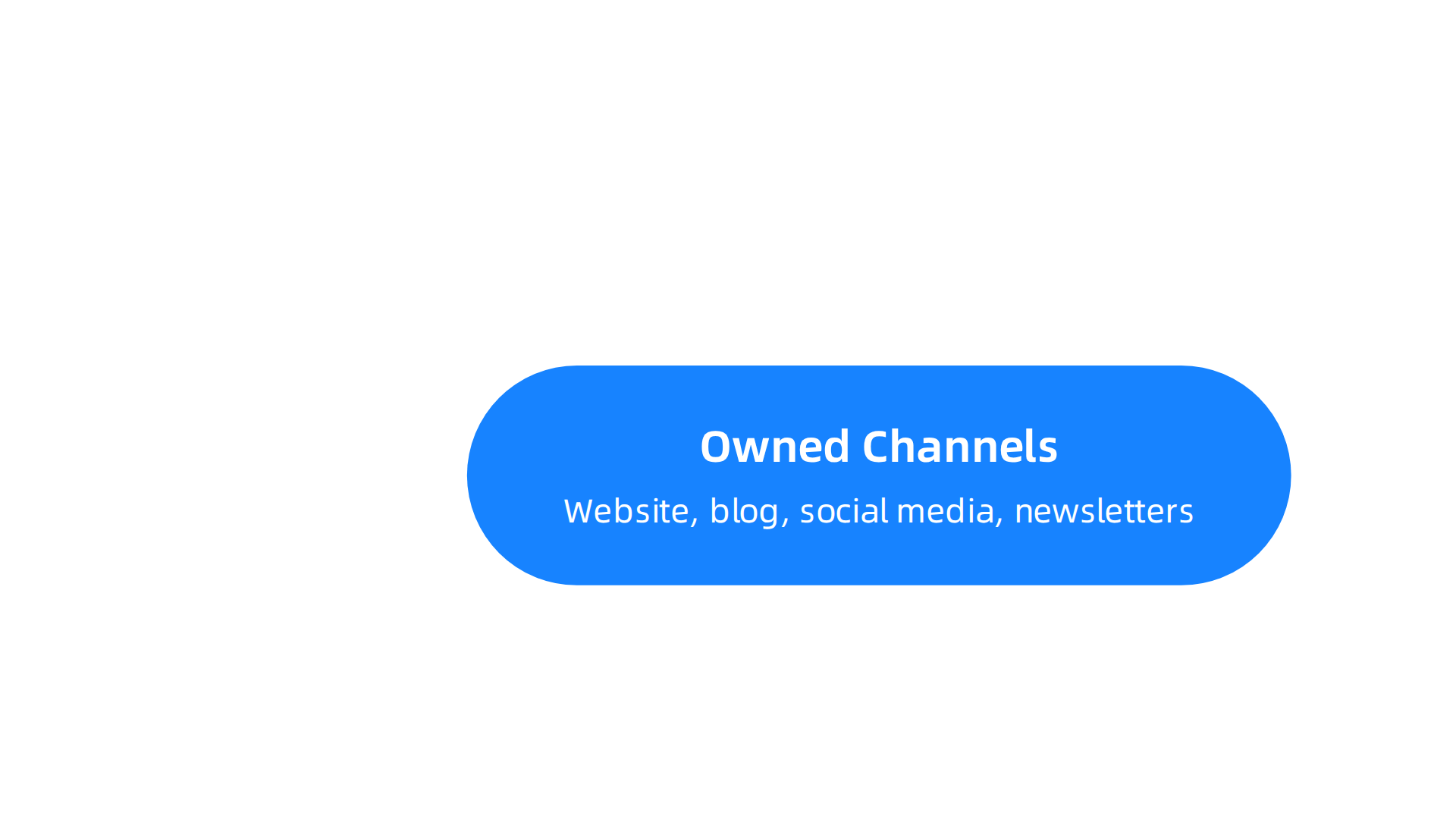
- Owned Channels: These are the places you fully control. Your own website, your blog, your social media pages, and your newsletters are all owned channels. You can say exactly what you want here, and it’s free to use your own space.
- Earned Coverage: This is when other people or news outlets talk about your story because it’s interesting, not because you paid them. It comes from good media relations, where journalists or influencers share your news. When people see your story in the news or shared by a trusted person, they often believe it more. What’s important is to look at the real effect of this coverage, like what audiences think or do differently, not just how many times your brand is mentioned Earned Media Measurement: Beyond AVE, Toward Outcomes.
- Paid Amplification: This is when you pay to show your message to more people. This includes ads on social media, websites, or sponsored posts. Paid amplification helps you reach specific groups very quickly. This kind of social marketing can be a big part of innovative marketing because it lets you target who sees your message very precisely. To learn more about the differences, you can check out how paid media vs earned media 2026 compare.
Mixing Your Channels for Best Results
The best way to get your message out there is often to use a mix of these three types. For example, you might create a great blog post (owned media), then pitch it to a journalist to get news coverage (earned media), and then run some paid ads to make sure even more people see both your blog post and the news story (paid amplification). This smart blend helps your message go further and work harder.
Testing What Works
It’s really helpful to try out different mixes and see which ones work best. This is called lightweight testing. You can test small changes to your plan to see which combinations of owned, earned, and paid efforts bring the most people to your website or lead to more sales. You should look beyond simple counts of how many people saw your message and focus on deeper results, like how it helps your business grow or makes people sign up for things How PR Is Measured: A Complete Guide to Metrics in 2026. By tracking how earned media leads to sales, you can truly understand its value PR Attribution: Track Earned Media ROI to Revenue. This way, you can keep making your distribution better and get great results.
6. Measurement and ROI: KPIs, Dashboards, and Attribution
Once you’ve shared your message in many ways, the next big step is to know if all that effort actually helped your business. This is where measuring your results comes in. It’s not enough to just see how many people saw your message; you need to know what they did afterward.
In 2026, smart businesses look beyond old, simple numbers to see the real value of their work. For example, knowing how many times your brand was mentioned (called "ad value equivalency" or AVE) is not as helpful as knowing if those mentions led to new customers or sales. Instead, you should pick Key Performance Indicators (KPIs). These are like important scorecards that show you how well you’re doing based on what truly matters to your business.
Choosing the Right KPIs
Good KPIs are directly linked to what you want to achieve. Think about things like:
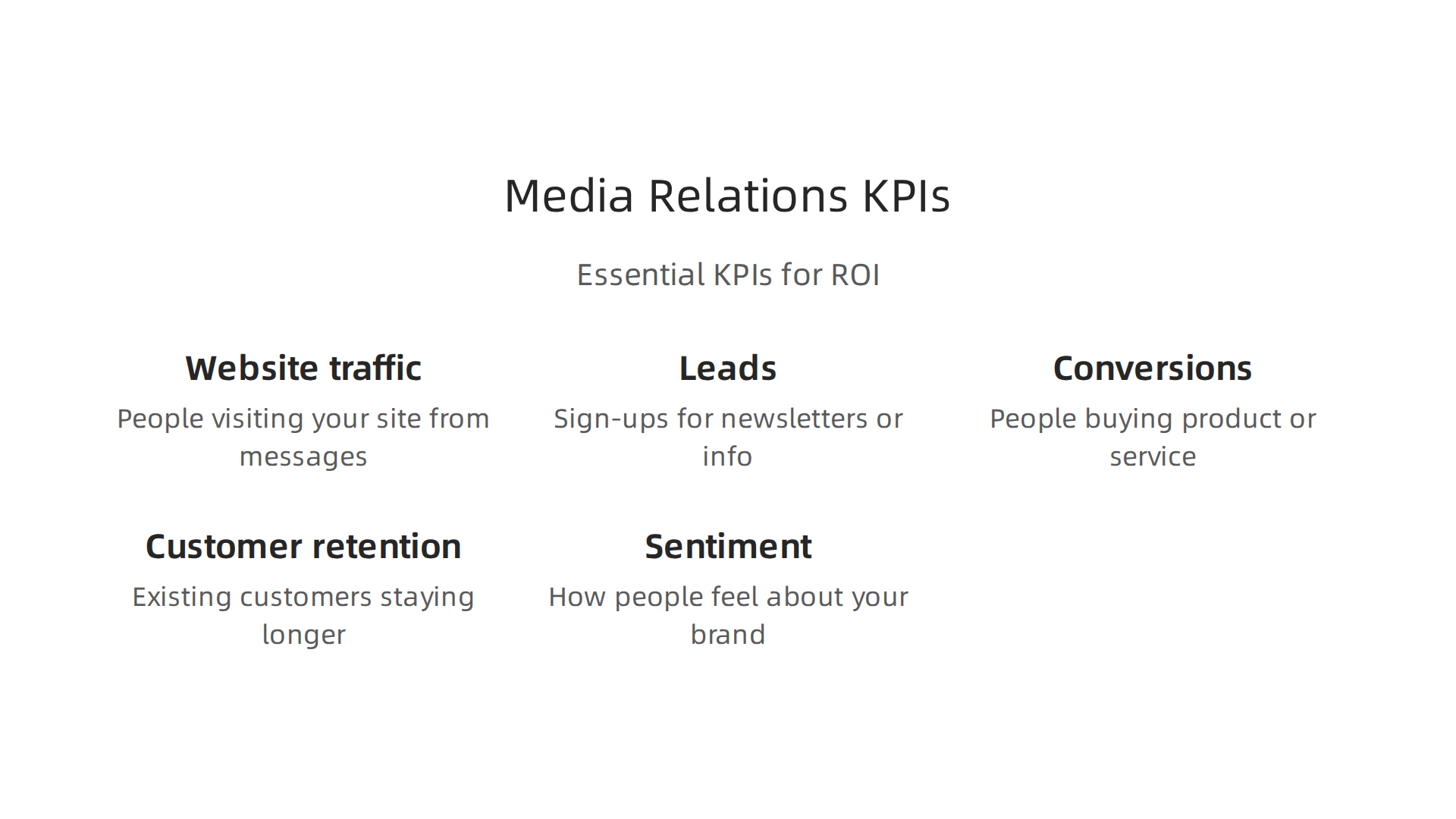
- Website traffic: How many people visited your website after seeing your message?
- Leads: Did anyone sign up for your newsletter or ask for more information?
- Conversions/Sales: Did people buy your product or service?
- Customer retention: Are your existing customers staying with you longer because of your messages?
- Sentiment: How do people feel about your brand? Do they trust you more?
By tracking these kinds of numbers, you can really see the return on investment (ROI) from your media relations and other efforts. It’s about connecting what you do to actual business growth, not just how many eyeballs you reached. This means moving beyond simple counts to understanding what drives real value for your company, especially in today’s world of innovative marketing How to Actually Prove PR ROI in 2026: Beyond Vanity Metrics. To truly quantify value, focus on metrics that show clear business outcomes PR Metrics: Quantifying Value for 2026.
Using Dashboards and Attribution
To keep track of your KPIs, you can use simple reports called dashboards. Think of a dashboard as a clear snapshot of your most important numbers, all in one place. It helps you quickly see what’s working and what isn’t.
Another important tool is "attribution." This means figuring out which of your actions led to a specific result. For example, did a news story (earned media), a social media ad (social marketing), or a blog post (owned media) cause a customer to buy something? By using smart attribution, you can understand which parts of your marketing mix are most effective. This allows you to put your money and effort into the things that give you the best results. Getting good at this kind of measurement helps you make smarter choices for your marketing plans. You can learn more about making marketing smarter through data by exploring Analytic Marketing: Drive Smarter Campaigns and Boost ROI in 2026.
Staying on top of these trends, especially with how AI changes everything, is super important.
Get clear daily AI updates and understand how new technology impacts media and marketing by subscribing to The AI Newsletter Worth Reading.
AI is changing fast, and keeping up is super important. This is especially true for media relations, where new tech brings both cool chances and new worries. In 2026, we have to think about how artificial intelligence (AI) affects what we say, how we say it, and how we handle big problems.
AI, Fake Content, and What It Means for Trust
AI can now make content that looks and sounds very real. This includes deepfakes, which are fake videos or audio that make it seem like someone said or did something they didn’t. This kind of "synthetic media" changes how we verify information. It makes it harder to tell what’s true and what’s not.
Because of this, there are new rules and plans being made around the world. For example, by April 2026, a Global Treaty on Synthetic Media was set up by many countries. This treaty helps make sure that AI-made content is marked clearly. Also, countries like India have made new rules that say AI-generated information must be labeled. This helps everyone know if they are seeing something made by AI or a real person India’s AI-generated information rules. Some rules even say that social media companies must put special hidden tags, called metadata, on AI content to show where it came from Government’s new IT rules on AI content.
This means that companies must be very careful. They need to always check if information is real, even if it looks perfect.

They also need to be open about using AI in their own social marketing and communications. When AI makes mistakes or "hallucinates" and creates false information, human experts must be ready to correct it AI Guidelines for Marketing. It’s about building trust, and being honest is a big part of that. To build trust in your company’s messages during this AI era, you might want to learn more about how to build a strong advertising ethos.
Being Ready for a Crisis in the AI Age
The speed of AI means that a small problem can become a big crisis very quickly. A false story or deepfake could hurt a company’s name in hours. That’s why having a plan for crisis readiness is more important than ever. This means:
- Quick Checks: Having a super-fast way to check if a bad story is real or fake.
- Open Talk: Being honest and quick to share correct information if a false story comes out.
- Building Back Trust: Having a clear path to fix things and get people to trust your brand again.
Experts talk about a PR playbook for how to handle these kinds of situations, especially when synthetic media is involved PR playbook for trust under attack. It’s all about "zero-hour readiness," which means being ready to act right away when a problem starts. This includes having special teams and clear rules for who does what. It also means preparing for how to show proof that your messages are real, even when fakes are everywhere Crisis Communications in the Synthetic Media Age.
Handling these advanced considerations well will help your business keep a good name and stay strong in the fast-changing world of innovative marketing and media relations in 2026.
Summary
This article explains why media relations remains essential in 2026 despite rapid change from AI and information overload, and it lays out practical steps to update your approach. You’ll learn how to build strategy foundations—clear goals, audience mapping, and measurable outcomes—and how to choose the best mix of legacy and emerging channels. The guide shows how to craft stories that journalists and influencers will pick up, using defensible data, timely hooks, and modular assets for fast distribution. It covers balanced outreach techniques, from one-to-one pitching to long-term relationship-building and influencer engagement, plus the PR tools that keep outreach organized. The piece also explains how to blend owned, earned, and paid tactics and how to measure real business impact with KPIs, dashboards, and attribution. Finally, it outlines new AI-era risks—synthetic media, disclosure rules, and rapid crises—and gives steps to prepare and preserve trust.